
Pavillon Noir Rudy Ricciotti Design Guide
Explore the Pavillon Noir Rudy Ricciotti design in Aix-en-Provence. Discover this landmark of contemporary architecture in Aix-en-Provence for your 2025 trip.
On this page
The Pavillon Noir Rudy Ricciotti design stands as a monumental shift in the urban landscape of Aix-en-Provence. This striking building serves as the permanent home for the world-renowned Ballet Preljocaj dance company today. It represents a bold and innovative example of contemporary architecture in Aix-en-Provence for modern travelers. Visitors in 2025 will find this dark and mysterious structure truly captivating against the bright southern sky.
Rudy Ricciotti envisioned a space where the movement of dance could be felt through the very walls themselves. The building breaks away from the traditional golden limestone found throughout this historic French city center. It offers a unique visual experience that blends raw industrial materials with graceful artistic expression and flow. Finding this landmark is essential for anyone interested in the evolution of modern French structural design today.
The Revolutionary Vision of Rudy Ricciotti
Rudy Ricciotti is a master of using high-performance concrete to create stunning and complex modern shapes. He wanted the Pavillon Noir to reflect the strength and physical discipline of professional ballet dancers. The design intentionally avoids the soft and decorative elements common in classical architecture across the Provence region. This building serves as a powerful statement about the role of modern art in historic urban spaces. Explore more about contemporary architecture in Aix-en-Provence to see how the city has changed.
The architect chose to work with black concrete to create a sense of density and mystery throughout. This color choice provides a sharp contrast to the surrounding white and beige buildings in the district. It forces the viewer to focus on the intricate geometry of the external support structure and glass. The vision was to create a place where the art of dance could truly breathe and thrive.
Ricciotti rejected the standard idea of a closed theater that hides the performers from the outside world. He wanted the rehearsal process to be visible to the public passing by on the city streets. This transparency creates a unique relationship between the professional artists and the local community of Aix-en-Provence. It makes the elite world of ballet feel more accessible and connected to daily urban life here.
The project faced many challenges during its initial design and construction phases in the early two thousands. Many locals were surprised by the dark and aggressive look of the new structure in their city. However, the Pavillon Noir quickly became a beloved icon for those who appreciate daring and modern creativity. It stands as a testament to the courage of the architect and the city planners involved.
Today, the building is recognized globally as a masterpiece of late twentieth-century and early twenty-first-century design. It attracts architecture students and professional designers from every corner of the world to study its form. The Pavillon Noir Rudy Ricciotti design remains a pinnacle of functional art in the south of France. It continues to inspire new generations of architects to think outside of the traditional box structures.
Structural Innovation of the Pavillon Noir Rudy Ricciotti Design
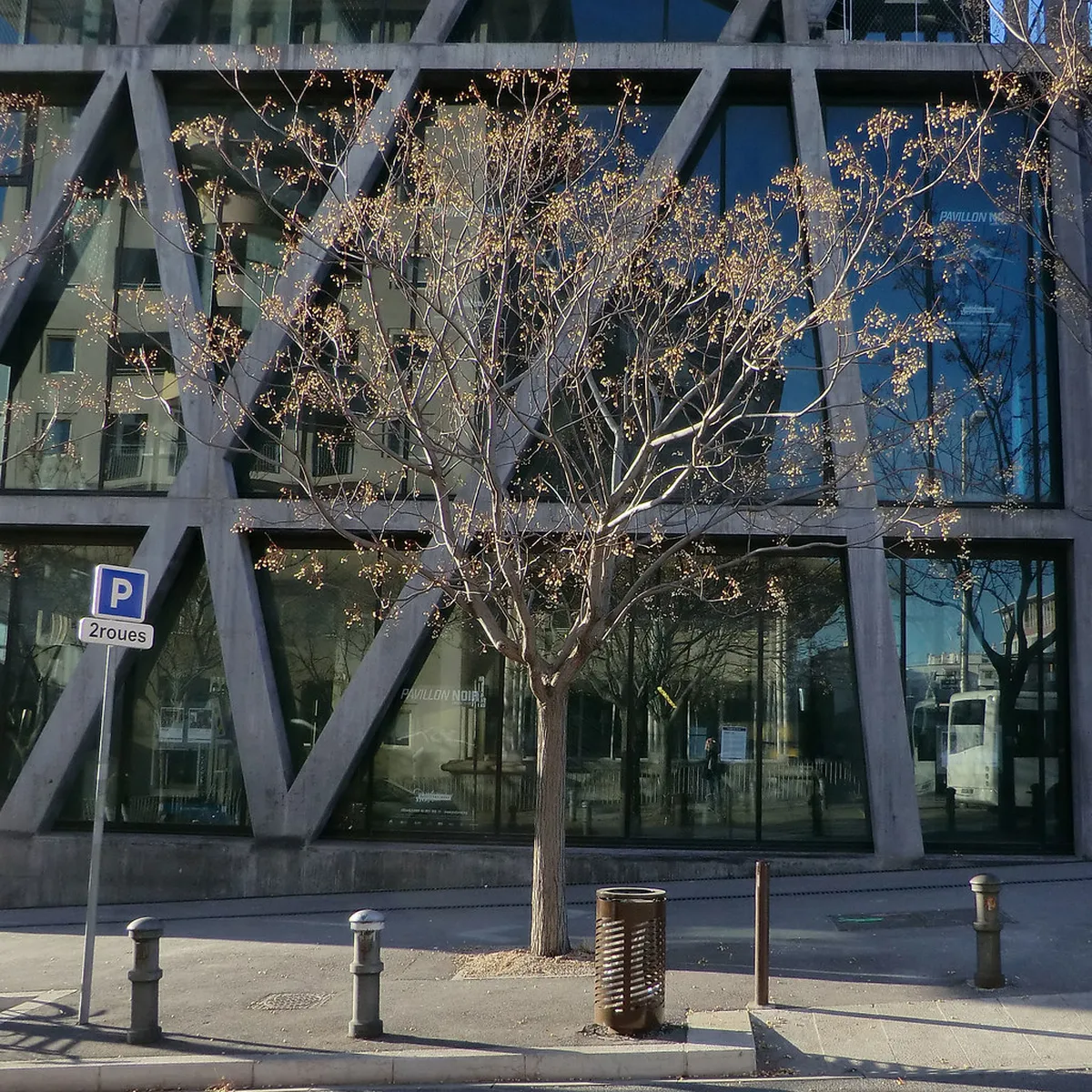
The exterior of the building features a complex mesh of black concrete that supports the entire structure. This dark cage acts as both the primary load-bearing element and the main aesthetic feature of the Pavillon. It allows for massive glass walls that provide incredible views and natural light for the studios inside. The engineering required to achieve this look was groundbreaking at the time of its completion in 2006.
The use of ultra-high-performance concrete allowed Ricciotti to create thinner and stronger supports than traditional methods allowed. This material provides the structural integrity needed to hold up the heavy upper floors and performance halls. The dark pigment is mixed directly into the concrete to ensure a long-lasting and deep black finish. This technique prevents the color from fading under the intense sunlight of the southern French climate.
The structural cage creates a fascinating play of light and shadow on the glass surfaces during the day. As the sun moves across the sky, the patterns on the building change and evolve for viewers. This dynamic quality makes the building feel alive and responsive to its natural environment and the weather. It is a brilliant example of how structural needs can be turned into a beautiful artistic expression.
Inside the building, the absence of many internal columns creates wide and open spaces for the dance studios. This design choice provides the dancers with maximum freedom of movement during their intense daily rehearsal sessions. The engineers worked closely with the architect to ensure that the acoustics were also perfect for music. Every detail was carefully planned to serve the specific needs of the Ballet Preljocaj dance company.
The Pavillon Noir Rudy Ricciotti design uses gravity and tension to create a sense of visual excitement and energy. The building appears to be both heavy and weightless at the same time depending on your perspective. This contradiction is a hallmark of Ricciotti's style and his mastery of modern construction materials and tools. It remains one of the most technically impressive buildings in the entire region of Provence today.
Interior Spaces and Functional Excellence
The Pavillon Noir contains four distinct dance studios that vary in size and height for different needs. These rooms are designed to provide the best possible environment for creative work and physical training sessions. Large glass windows allow the dancers to look out over the city while they practice their complex routines. The natural light reduces the need for artificial lighting during the bright daytime hours in France.
The main performance hall is located at the top of the building and seats nearly four hundred people. This theater offers an intimate setting where the audience can feel close to the performers on the stage. The black interior of the hall focuses all attention on the movement and costumes of the dancers. It provides a professional space that meets the highest international standards for contemporary dance productions today.
Public areas like the lobby and the staircases are also designed with a minimalist and modern aesthetic. The use of raw concrete and metal creates a clean and focused atmosphere for the visitors and staff. There are no unnecessary decorations to distract from the primary purpose of the building which is dance art. This functional approach ensures that every square meter of the Pavillon is used effectively and efficiently.
The dressing rooms and administrative offices are tucked away in the lower levels of the large structure. These spaces are designed to be practical and comfortable for the many employees who work there every day. Even in these private areas, the influence of the Pavillon Noir Rudy Ricciotti design is clearly visible. The consistent use of materials creates a unified and professional look throughout the entire interior space.
Visitors can often see the dancers working through the glass walls as they walk around the building exterior. This creates a sense of constant activity and life that fills the structure from morning until late night. The building is not just a monument but a working factory of art and physical human expression. It serves as a perfect model for how a specialized arts facility should be designed and built.
Integrating with the Urban Fabric of Aix
The Pavillon Noir is located in the heart of the Sextius-Mirabeau district of modern Aix-en-Provence. This area was developed to connect the old historic center with the newer parts of the growing city. The building sits near other important cultural landmarks like the Grand Theatre de Provence and the local library. You can see the Grand Theatre de Provence architecture just a short walk away from the Pavillon.
The placement of the Pavillon Noir helps to define the modern identity of this historic and traditional French city. It shows that Aix-en-Provence is a place that values both its past and its creative future today. The building acts as an anchor for the cultural district and draws many tourists to this specific area. It has helped to revitalize the neighborhood and bring more foot traffic to local shops and cafes.
The contrast between the black concrete and the traditional local stone creates a vibrant and interesting urban dialogue. Architects often discuss how the Pavillon Noir Rudy Ricciotti design challenges the surrounding neoclassical and baroque style buildings. This tension is what makes the architecture of the city so unique and exciting for modern travelers. It provides a visual journey through different eras of French history and artistic thought processes.
Public plazas and walkways around the building allow people to gather and admire the structure from many angles. The city has carefully planned the landscape to complement the bold and dark design of the dance center. This integration ensures that the building feels like a natural part of the city rather than an intruder. It has become a landmark that locals use for navigation and as a point of civic pride.
The district is easily accessible by public transport or by walking from the famous Cours Mirabeau main street. Most visitors find that the walk from the historic center to the Pavillon Noir is quite pleasant and short. It offers a great opportunity to see how the urban design of Aix-en-Provence has evolved over time. The Pavillon remains the star attraction for anyone interested in the modern side of the city.
Planning Your Visit in 2025
If you plan to visit the Pavillon Noir in 2025, you should check the performance schedule in advance. The Ballet Preljocaj holds regular shows and open rehearsals that are open to the general public to attend. Tickets can be purchased online through their official website or at the box office on the site. Prices for shows typically range from twenty to fifty euros depending on the seat and the performance.
The building is located at 530 Avenue Mozart which is very close to the main bus station in town. It is a fantastic spot for photography due to the sharp lines and interesting shadows created by the concrete. You can find many architecture photography spots in Aix-en-Provence near this specific modern landmark. The best time for photos is during the golden hour when the sun hits the glass surfaces.
Guided tours of the interior are sometimes available for groups who want to learn more about the technical details. You should contact the administration of the Pavillon Noir to inquire about tour availability and any current costs. Even if you cannot go inside, the exterior view is worth the trip to the Sextius-Mirabeau district. There are several great cafes nearby where you can sit and admire the building while enjoying a coffee.
The Pavillon is fully accessible for visitors with reduced mobility thanks to modern elevators and wide corridors inside. It is a family-friendly destination where children can learn about modern art and the physical world of dance. Most people spend about thirty minutes to an hour exploring the outside and the public lobby areas here. It is a must-see stop on any architectural walking tour of the city of Aix-en-Provence.
Check the local weather forecast before you head out to ensure you have clear skies for the best views. The black concrete looks particularly stunning when contrasted against a deep blue sky on a bright sunny day. This building is a highlights of contemporary architecture and a source of inspiration for all who visit it. Make sure to bring your camera and plenty of space for new photos of this unique French masterpiece.
Frequently Asked Questions
Who is the architect behind the Pavillon Noir Rudy Ricciotti design?
The Pavillon Noir was designed by the famous French architect Rudy Ricciotti. He is well known for his innovative use of concrete in modern structures across Europe. His work often features bold shapes and dark colors that challenge traditional building styles in France.
Can I go inside the Pavillon Noir to see a dance performance?
Yes, the Pavillon Noir houses a large theater that seats nearly four hundred people for live shows. You can buy tickets to see the Ballet Preljocaj or other visiting dance companies throughout the year. It is one of the best places to experience contemporary dance in the south of France.
What makes the black concrete of the Pavillon Noir so special?
The black concrete used in the Pavillon Noir Rudy Ricciotti design is a high-performance material that provides great strength. The dark color is mixed into the concrete itself so it will not peel or fade over time. It creates a striking visual effect that sets the building apart from its surroundings.
Is the Pavillon Noir located in the historic center of Aix-en-Provence?
The building is located in the modern Sextius-Mirabeau district which is just a short walk from the historic center. It sits near the Grand Theatre de Provence and other modern cultural landmarks in the city. You can easily reach it on foot from the famous Cours Mirabeau in ten minutes.
The Pavillon Noir Rudy Ricciotti design is a true icon of modern creativity in the heart of Provence. It successfully blends the raw power of industrial concrete with the delicate grace of contemporary dance art. Visitors to Aix-en-Provence in 2025 should not miss the chance to see this incredible structural masterpiece. Whether you are an architecture fan or a dance lover, this building will surely leave a lasting impression.
Key Takeaways
- Innovative use of black high-performance concrete mesh.
- Home to the famous Ballet Preljocaj dance company.
- Central landmark of the modern Sextius-Mirabeau cultural district.
- Transparent glass walls allow public views of dance rehearsals.
- Designed by award-winning French architect Rudy Ricciotti.
Related reads: architecturebycity.com, architecture in aix en provence, cite du livre modern conversion.