
Exploring the Stunning Architecture in Chartres
Discover the best architecture in Chartres for 2025. From Gothic cathedrals to mosaic houses, explore this French gem today. Plan your trip now!
On this page
The city of Chartres contains many beautiful and historic structures for global visitors to explore. You will find world-class landmarks nestled within this charming French town during your next visit. The architecture in Chartres tells a story of faith and creativity throughout many different eras. Most travelers come to see the massive cathedral that towers over the local stone houses.
Walking through the narrow streets feels like stepping back into a much older version of France. You can discover hidden gems around every corner while exploring the ancient streets near the river. The local buildings range from humble timber homes to grand palaces built for the ruling elite. This guide will help you find the most impressive sites in this historic valley town.
Architecture enthusiasts often praise the city for its remarkable preservation of medieval and Renaissance designs. You will see how stone and wood were used to create lasting beauty for many centuries. The town serves as a living museum for those interested in European building techniques and art. It is a perfect destination for anyone who loves history and impressive structural design today.
Prepare your camera for the stunning views found along the banks of the quiet Eure River. The mix of styles creates a unique atmosphere that you cannot find in larger French cities. You should plan to spend at least two full days to see everything properly here. Let us begin our journey through the various styles of architecture in Chartres for 2025.
High Gothic Architecture in Chartres Cathedral
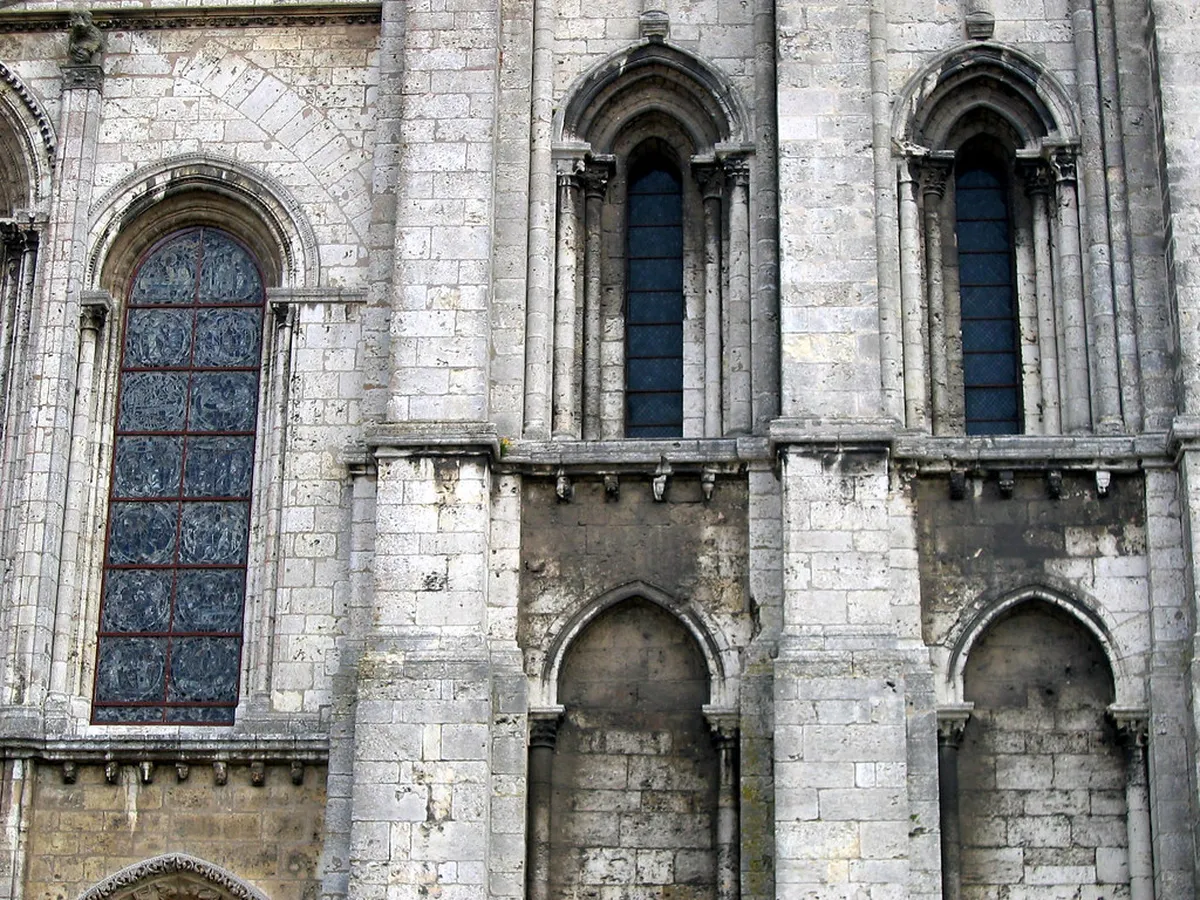
The famous cathedral is the most important example of high gothic architecture of chartres cathedral in the whole world. It was rebuilt quickly after a massive fire destroyed the earlier Romanesque church in the year 1194. Builders used innovative techniques to create the high stone vaults that define the soaring interior space. These structures allowed for much larger windows than previous building methods could ever safely support.
You will notice the heavy flying buttresses that wrap around the outside of the grand limestone walls. These external supports take the weight of the roof and allow the walls to remain very thin. This engineering feat was revolutionary during the medieval period and changed how people built large holy sites. The cathedral remains remarkably intact and still features most of its original thirteenth-century stained glass windows.
The west front of the building displays two very different spires that show changing artistic tastes. One spire is simple and solid while the other is a complex flame-like Gothic masterpiece from 1513. This contrast provides a clear visual history of how construction styles evolved over several hundred active years. Visitors can climb the taller tower to see the intricate masonry details from a much closer perspective.
Inside the church, the floor plan follows a traditional cross shape that was common for large French cathedrals. The nave is the widest in France and creates a sense of immense scale for every single visitor. You can see how the arches point upward to draw your eyes toward the beautiful stone ceiling. The geometry used in the design reflects deep spiritual meanings often found in medieval religious construction projects.
Entry to the main part of the cathedral is free for all visitors during the day. You should check the official schedule for guided tours that explain the complex masonry and structural history. Expect to spend several hours admiring the sculptures and the famous labyrinth located on the stone floor. It is truly the crown jewel of architecture in Chartres and a site of global importance.
Medieval Half-Timbered Houses in the Old Town
The lower part of the city features many well-preserved medieval half-timbered houses in chartres today. These residential buildings use heavy oak beams filled with a mixture of plaster and local straw materials. Many of these homes date back to the fifteenth and sixteenth centuries and remain in daily use. They line the narrow cobblestone streets that wind down toward the banks of the river.
Look closely at the wooden beams to see carvings of animals and religious figures on many facades. Some houses feature upper floors that hang out over the street to provide more living space inside. This design also helped keep the lower walls dry during heavy rain by acting as a roof. You can find the best examples near the historic Salmon House located in the city center.
The preservation of these old streets allows you to experience the authentic atmosphere of a medieval market town. Local authorities have worked hard to maintain the original look of the district for future generations to enjoy. Many of these buildings now house small artisan shops and traditional French bakeries for modern tourists. Walking through this area provides a great contrast to the grand stone walls of the cathedral.
Several small bridges cross the Eure River and offer excellent views of the old tanning district houses. These structures often have large openings at the top where workers used to dry animal skins long ago. The functional design of these buildings reflects the industrial history of the city during the middle ages. It is a peaceful area that feels far away from the busy traffic of the modern world.
You should visit the area during the early morning to avoid the largest groups of daily walking tours. The light hits the old wood and stone beautifully during the first few hours of the new day. Most of these historic streets are pedestrian zones so you can walk safely without worrying about cars. This part of the city showcases the domestic side of architecture in Chartres quite perfectly.
The Mosaic Magic of Maison Picassiette
One of the most unique sites in the city is the famous maison picassiette mosaic architecture site. A local man named Raymond Isidore built this amazing house using thousands of broken pieces of colorful pottery. He spent over thirty years covering every surface of his home and garden with intricate mosaic patterns. The result is a stunning example of folk architecture that attracts visitors from all over the world.
The interior of the house features furniture and walls completely covered in bright bits of ceramic and glass. Isidore even decorated the floors and ceilings with scenes of the local cathedral and other famous French landmarks. This project shows how one person can transform a simple building into a unique work of artistic genius. It is located a short walk from the city center in a quiet residential neighborhood area.
The garden contains several small chapels and shrines that are also covered in these beautiful mosaic pieces. You can see how the artist used different colors to create complex textures on the various outdoor walls. The site is a testament to patience and the beauty found in recycled materials from the local dump. It offers a playful and colorful break from the more serious stone monuments found elsewhere nearby.
Admission to the house costs about six Euros for adults and is usually open from April through October. You should check the seasonal opening times before you start your walk to this part of town. The site provides a rare look at how personal vision can create a totally new style of architecture. It is a must-see for anyone interested in creative design and the power of individual art.
The house remains a fragile monument that requires constant care to protect the delicate mosaics from the weather. Visitors are asked to follow a specific path to ensure the survival of the artwork for many years. You will leave the site feeling inspired by the dedication required to build such a detailed home. It adds a wonderful and unexpected layer to the diverse architecture in Chartres today.
Stained Glass Artistry and Light Displays
The interior architecture is defined by the incredible stained glass artistry of chartres found within the cathedral. Over one hundred and fifty windows survive from the original construction period of the early thirteenth century. The famous blue color used in the glass remains a mystery to many modern scientists and artists. These windows transform the stone interior into a vibrant space filled with colorful light and ancient stories.
You can learn more about this craft at the international stained glass center located near the cathedral walls. This museum is housed in a restored cellar that features impressive stone arches and historic building techniques. It shows how the windows are made and how experts work to restore them for the future. The connection between light and architecture is a central theme in the history of this holy city.
During the summer months, the city hosts a spectacular event known as chartres en lumieres architectural lighting for all to see. Modern projectors paint the stone facades with bright colors and moving images every single night for months. This show highlights the architectural details of the cathedral and other historic buildings in a very modern way. It is a free event that brings thousands of people into the streets after the sun sets.
The light show covers over twenty different sites across the city including bridges and old wash houses. You can follow a marked trail to see all the different projections at your own comfortable pace. This event shows how modern technology can enhance our appreciation of ancient stone and timber building styles. It creates a magical atmosphere that makes the architecture in Chartres feel alive and very contemporary.
Make sure to bring a jacket as the evenings can become quite cool even during the summer season. The shows usually begin at dusk and continue until late into the night for everyone to enjoy. It is one of the best ways to see the city if you only have one evening. The combination of old stone and new light is truly a highlight of any French trip.
Modern Architecture and City Preservation
While famous for its history, the city also features some interesting examples of modern and contemporary design today. The local library is a great example of how old buildings can be renovated for modern public use. This structure blends glass and steel with the existing stone walls of a former historic post office. It shows that architecture in Chartres is still evolving to meet the needs of the local people.
The city has strict rules about chartres old town preservation to protect the historic character of the center. Any new buildings must fit within the height and style of the surrounding medieval and Renaissance structures. This careful planning ensures that the skyline remains dominated by the cathedral rather than modern office blocks. You can see this balance between the old and the new as you walk the streets.
The train station is another site where historic style meets modern function for the many daily commuters. It features a classic facade that welcomes visitors arriving from Paris and other nearby French cities. Nearby, you will find modern apartments that use local materials to blend in with the traditional street scenes. These projects show a deep respect for the architectural heritage of this very special and old place.
Engineers and architects continue to work on massive restoration projects to keep the old stone walls very safe. You might see scaffolding on various buildings as experts clean the limestone and repair any ancient wooden beams. This work is essential to prevent the damp climate from damaging the fragile materials of the old town. It is a never-ending process that requires a lot of skill and a large budget.
Take a walk through the newer districts to see how the city is expanding for the next generation. You will find parks and public spaces that provide a modern contrast to the dense medieval city center. These areas offer more room and contemporary amenities while still feeling connected to the historic heart nearby. The future of architecture in Chartres looks bright as the city grows in a very smart way.
How to Plan Your Architectural Walking Tour
The best way to see these sites is by joining one of the architectural walking tours of chartres available. Local guides can point out details that you might miss if you are walking around by yourself. They explain the meaning behind the sculptures and the technical challenges of building on a steep hill. Tours often start at the tourist office located right across from the main cathedral entrance.
You can also find self-guided maps that lead you through the lower town and along the river. These maps usually highlight the most important timber houses and the historic bridges over the Eure. Wear comfortable shoes as many of the streets are paved with uneven and very old cobblestones. Walking is the only way to truly appreciate the scale and detail of the local buildings.
Most of the main architectural sites are within easy walking distance of each other in the center. You can reach the Maison Picassiette by foot in about twenty minutes from the main cathedral square. There is also a small tourist train that takes visitors around the city during the peak season. This is a good option for those who may have trouble walking on the steep hills.
Try to visit during the middle of the week to avoid the large crowds from Paris. Tuesdays and Wednesdays are usually the quietest days for visiting the cathedral and the local museums here. You will have more space to take photos and enjoy the quiet atmosphere of the old streets. Always check for local holidays that might close some of the smaller historic buildings or museums.
Planning your visit around the light show will give you the most complete experience of the city. Spend your day looking at the stone details and your evening watching the colorful digital projections nearby. This mix of experiences will give you a deep understanding of the diverse architecture in Chartres. It is a trip that any fan of history and design will always remember fondly.
Frequently Asked Questions
What is the most famous building to see in Chartres?
The Cathedral of Notre Dame is the most famous building in the city for every single visitor. It is a masterpiece of Gothic design and is protected as a UNESCO World Heritage site today. You can see its spires from many miles away across the flat plains of the region.
How long does it take to walk through the old town?
You can walk through the main parts of the old town in about two or three hours. However, you should take more time to look at the details of the ancient timber-framed houses. The walk along the river is very peaceful and offers many great spots for photos.
Is the architecture in Chartres accessible for all visitors?
Many of the historic streets have steep hills and old cobblestones which can be difficult for some. The main cathedral is accessible, but the lower town requires more effort to navigate on foot. There are modern paths and a tourist train available to help visitors see the major sites.
Can you see modern architecture in Chartres as well?
Yes, the city features modern public buildings like the library and updated residential areas for local people. These new structures are designed to respect the historic look of the city while providing modern comforts. It is a great example of modern urban planning within a very old French town.
The architecture in Chartres offers a stunning look at the history of France through stone and wood. From the soaring Gothic cathedral to the humble timber houses, every building has a unique story to tell. You will find beauty in the ancient windows and the modern light shows that decorate the city walls. This city is a must-visit for anyone who loves great design and deep history in 2025.
Plan your journey today to experience one of the most beautiful cities in the entire country of France. You will find that the mixture of styles creates a truly magical environment for every curious traveler. Make sure to book your tours in advance to get the best experience of the local landmarks. Start your architectural adventure in the heart of Chartres and discover the wonders of the past today.
Key Takeaways
- Visit the Chartres Cathedral to see world-class High Gothic architecture and ancient stained glass.
- Explore the lower town to find beautiful half-timbered houses and historic bridges along the river.
- Do not miss the unique Maison Picassiette for a look at incredible mosaic folk architecture.
- Stay overnight in the summer to see the spectacular architectural light show across the city facades.
Related reads: chartres cathedral royal portal sculptures, architectural heritage of the basse ville, romanesque architecture in chartres crypts.