
Architecture in Troyes: Guide to France's Timbered Gems
Explore the unique architecture in Troyes for 2025. See medieval timber houses and Gothic cathedrals. Plan your historic French walking tour today!
On this page
Discovering the stunning architecture in Troyes feels like stepping back into the Renaissance. This French city offers a preserved collection of historic structures. Visitors in 2025 can explore narrow alleys and colorful facades. It is a perfect destination for history lovers and photographers alike.
The city center sits within a unique shape resembling a champagne cork. Most buildings date from the sixteenth century after a major fire. You will find incredible half-timbered houses in Troyes around every single corner. This architecture in Troyes tells a story of survival and artistic rebirth.
The Impact of the Great Fire of 1524
In May 1524, a massive fire destroyed a large part of the city. Over 1,500 wooden houses burned to the ground in two days. This tragedy forced the residents to rebuild their entire urban landscape. They chose to follow the existing medieval street patterns during the recovery. This event defined the modern look of the impact of 1524 great fire on Troyes today.
The reconstruction lasted for several decades throughout the mid-sixteenth century. Wealthy merchants funded beautiful new homes using wood and local stone. Architects focused on the popular Renaissance style of that specific era. They added decorative elements to the timber frames for visual appeal. These homes now represent the peak of French carpentry skills.
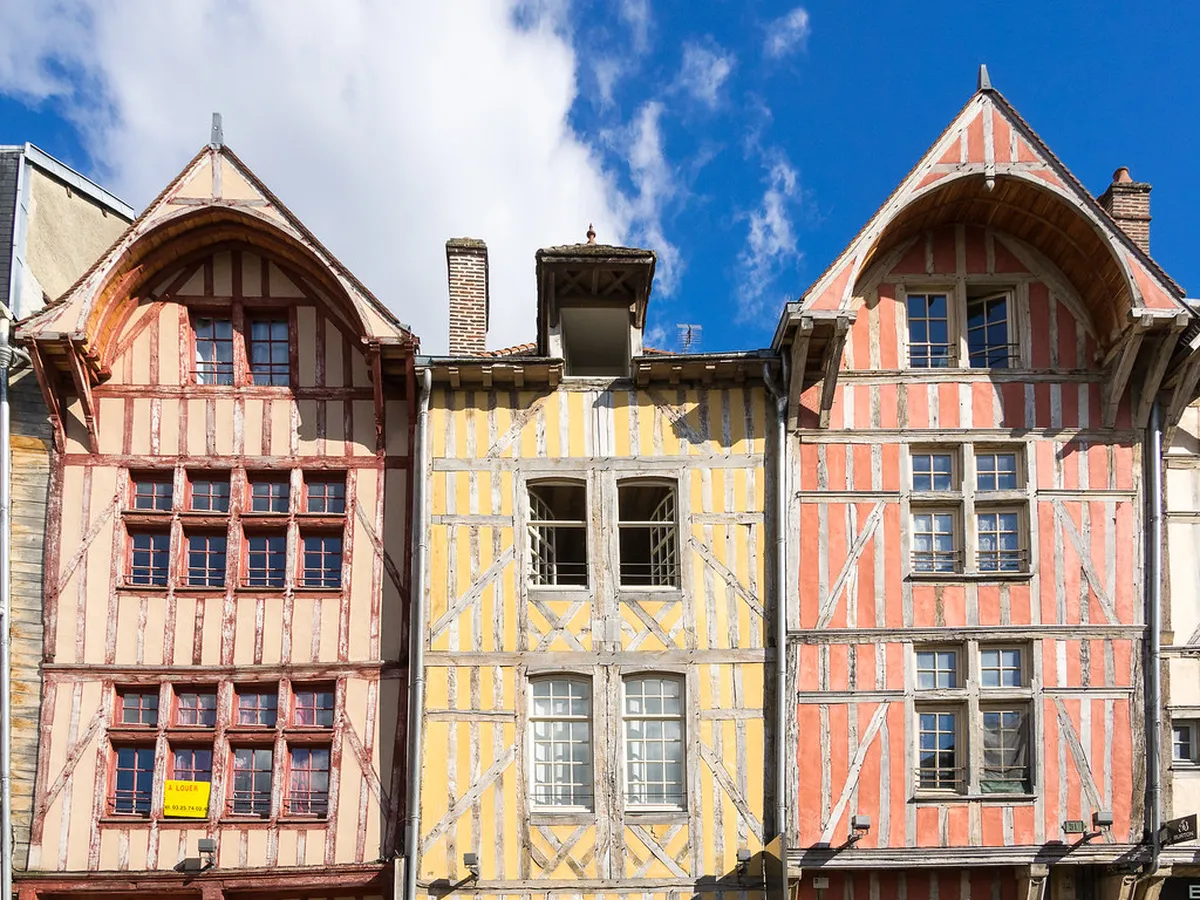
Walking through the streets feels like visiting a giant open-air museum. You can see how builders adapted to the narrow city plots. Many houses feature overhanging upper stories to save ground space. This technique protected the lower walls from rain and moisture. It also gave the streets an intimate and cozy atmosphere.
Modern preservation efforts keep these historic structures in excellent condition for 2025. The city uses traditional techniques to restore the ancient timber beams. Experts apply natural lime plasters to the walls for breathability. This careful work ensures the buildings last for many more centuries. You can see these ongoing projects during a morning walk.
Look closely at the corner posts of the older houses. Many feature detailed carvings of saints or local folk heroes. These artistic touches showed the social status of the homeowners. They also served as landmarks for people navigating the city. The fire ultimately created a unified and beautiful architectural theme.
Timbered Houses and Secret Alleys
Troyes contains the highest density of timber-framed houses in all of France. The vibrant colors of the facades create a cheerful urban environment. You will see shades of yellow, blue, and deep red everywhere. These colors were restored based on historical evidence from old records. This variety makes the city center very popular with travelers.
One of the most famous spots is the ruelle des chats history alleyway. This street is so narrow that the roofs almost touch. Legend says cats could jump from one house to another easily. It provides a cool shaded path during the hot summer months. The stone paving adds to the authentic medieval feeling here.
The Maison du Boulanger is another must-see architectural site for visitors. It features a beautiful turret and complex wooden lattice work. This former bakery sits at a busy intersection in the old town. You can admire the craftsmanship from the nearby café seating. It is one of the most photographed buildings in France.
Exploring the courtyards reveals hidden gems away from the main streets. Many houses hide secret gardens and elegant wooden spiral staircases. These spaces offer a quiet retreat from the busy tourist crowds. You can find many of these spots open during heritage weekends. They showcase the private lives of wealthy Renaissance residents.
Timber construction was preferred because wood was cheap and very flexible. Builders used oak from the local forests for the main frames. They filled the gaps with a mixture of straw and clay. This material provided great insulation for the cold winter months. It remains a very sustainable way to build even today.
Gothic Churches and Stained Glass Heritage
The city is often called the City of Ten Churches. Each structure showcases a different phase of the French Gothic style. The Saint-Pierre-et-Saint-Paul Cathedral is the largest and most impressive building. Its construction spanned over four hundred years starting in 1208. You can see the evolution of architecture in its walls.
Inside these churches, you will find a world-class collection of stained glass. The region is famous for the cite du vitrail and stained glass heritage center. These windows act as a giant Bible for the local community. The colors remain incredibly vivid despite being hundreds of years old. Natural light creates a magical atmosphere inside the stone naves.
The Basilica of Saint-Urbain is a masterpiece of the Radiant Gothic style. It features large windows that make the walls look like lace. This design was very advanced for the thirteenth century period. The exterior gargoyles and statues are carved with amazing precision. It is a true testament to the skill of medieval masons.
Visit the Sainte-Madeleine church to see its famous stone rood screen. This delicate structure separates the nave from the sacred choir area. It looks like a fine piece of jewelry carved from rock. Few such screens survived the French Revolution in other major cities. This survival makes the architecture in Troyes even more unique.
Entry to most churches in Troyes is free for all visitors. Please check the local schedule for afternoon closing times in 2025. Many buildings close for a two-hour lunch break every day. This quiet time is perfect for photographing the exterior details. The churches serve as the spiritual heart of the community.
Renaissance Town Mansions and Private Courtyards
During the sixteenth century, wealthy families built grand stone mansions. These buildings are known locally as "Hôtels Particuliers" by the residents. They often combine the strength of stone with the beauty of wood. The Renaissance town mansions of Troyes show great architectural diversity. Many now serve as public museums or local government offices.
The Hôtel de Mauroy is a perfect example of this style. it features a stunning courtyard with ornate wooden galleries. This building currently houses a museum dedicated to traditional craft tools. The entrance fee is around 7 euros for an adult ticket. You can see how the wealthy lived and worked here.
Stone was used for the foundations to prevent fire from spreading. The upper floors often retained the traditional timber-framing for lighter weight. This hybrid style is a unique feature of architecture in Troyes. It shows the transition from medieval needs to Renaissance luxury. Look for the large arched gates designed for horse carriages.
The Hôtel de Vauluisant is another impressive mansion you should visit. It houses the Museum of Hosiery and fine decorative arts. The building features beautiful stone carvings and a steep slate roof. It reflects the industrial success of the city in past centuries. The gardens offer a peaceful place for a short break.
Many of these mansions are located in the Saint-Jean district center. This area was once the heart of the textile trade. Architects used classical elements like columns and pediments for decoration. These details added a sense of prestige to the family homes. They remain some of the most elegant structures in France.
The Cork Shape and Modern Urban Planning
If you look at an aerial map, the city looks unique. The historic center is shaped exactly like a champagne cork. This is known locally as the bouchon de champagne district by the locals. The shape was created by the ancient city defensive walls. Today, the walls are replaced by wide leafy boulevards.
The "head" of the cork contains the cathedral and museums. The "body" of the cork is filled with shops and restaurants. This layout makes the city very easy to explore on foot. You can walk from one end to the other in twenty minutes. It is a very pedestrian-friendly destination for visitors in 2025.
Modern urban planning focuses on preserving this historic character for everyone. New buildings must follow strict rules about height and materials used. This ensures the skyline remains dominated by church spires and roofs. The city has invested heavily in beautifying the public canal areas. These spaces offer great views of the older industrial buildings.
The architecture in Troyes continues to evolve through smart repurposing projects. Old textile mills are being turned into modern loft apartments now. These projects keep the industrial heritage alive while providing new homes. It is a great example of sustainable urban development in France. You can see this progress near the railway station.
Visit the local tourism office for a free city map today. They offer several themed walking trails for different architectural interests. You can follow the "Golden Thread" marked on the sidewalks. This trail leads you to all the major historic monuments. It is the best way to see the city.
Frequently Asked Questions
What is the best way to see the architecture in Troyes?
The best way is a self-guided walking tour through the center. Follow the paved streets within the Bouchon de Champagne district area. Most major sites are located within a short walking distance. Wear comfortable shoes as some streets have old cobblestones.
Are the churches in Troyes free to enter?
Yes, most Gothic churches of Troyes are free for visitors. They usually open from 10:00 AM until 5:00 PM daily. Some close for a short break during the lunch hour. Always remain quiet and respectful during religious services.
Why are the houses in Troyes so colorful?
The colors reflect the original style of the sixteenth century period. Restorers used historical analysis to find the correct pigment shades. These bright colors were a sign of wealth and pride. They help protect the wood from the local weather elements.
Is Troyes a good destination for a day trip?
Troyes is a perfect day trip from Paris by train. The journey takes about 90 minutes from Gare de l'Est. You can see the main architectural highlights in one day. However, staying overnight allows for a more relaxed experience.
The architecture in Troyes offers a rare look at Renaissance France. From timbered houses to Gothic cathedrals, the city is truly stunning. Plan your visit for 2025 to experience this historic charm yourself. You will leave with a deep appreciation for French craftsmanship. Don't forget to bring your camera for the beautiful views!
Key Takeaways
- Troyes has the largest collection of 16th-century timbered houses in France.
- The city center is uniquely shaped like a champagne cork.
- Most Gothic churches offer free entry and house incredible stained glass.
- Walking is the best way to explore the narrow medieval streets.
- The 1524 fire was the catalyst for the city's current architectural style.