
Discover the Iconic Architecture in Marseille
Discover the bold architecture in Marseille in 2025. From Le Corbusier to the MuCEM, explore the city's unique style and plan your visit today!
On this page
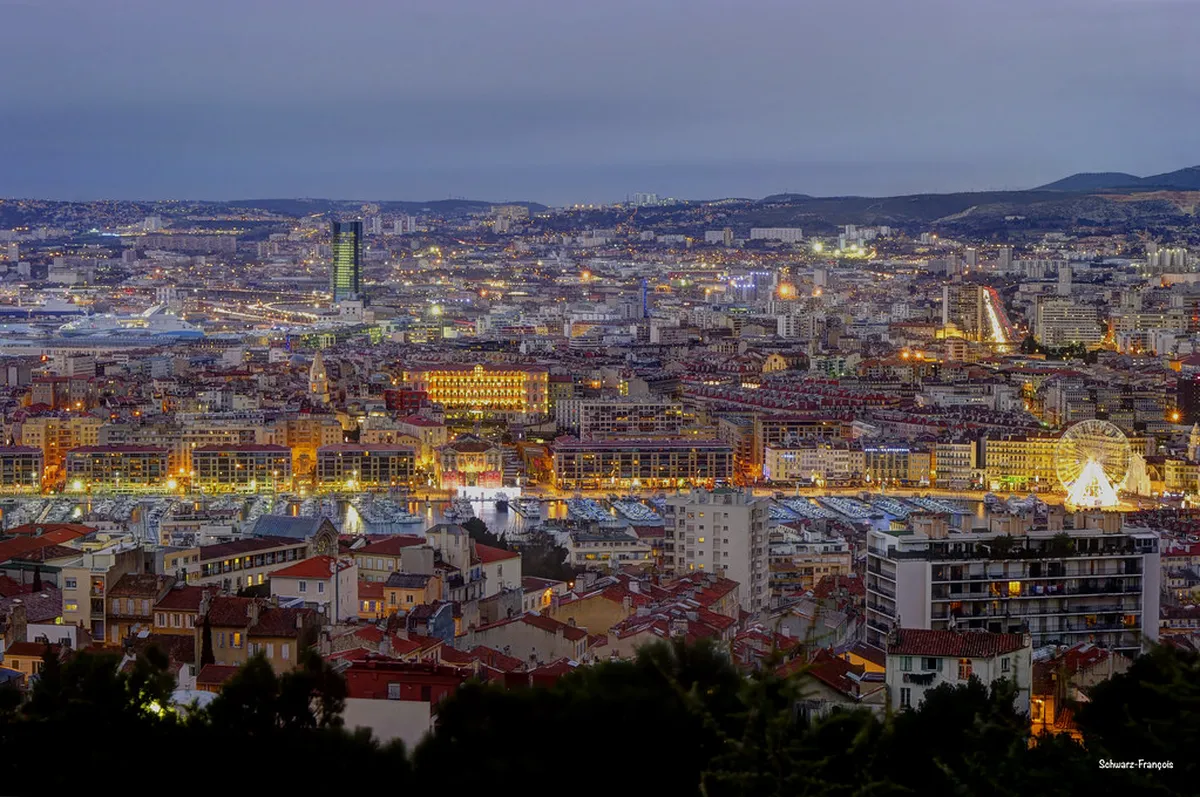
Marseille is a city defined by its vibrant layers and Mediterranean light. It offers a stunning blend of ancient stone and modern steel. The architecture in Marseille tells a deep story of trade, art, and growth. You will find unique surprises around every sunny corner in 2025.
The city has transformed significantly over the last two decades. New glass designs sit next to ancient limestone walls. This mix makes it a top destination for world design lovers. You can explore grand palaces and brutalist towers in one afternoon.
Walking through the streets feels like visiting a giant open-air museum. Every neighborhood has a different vibe and a distinct building style. You can see how the sea influences every structure built here. Marseille is truly a leader in French urban design and creativity.
The Modern Legacy of Le Corbusier
Marseille is home to one of the most famous modern buildings in the world. The Unité d'Habitation is a pioneer of the bold Brutalist design style. It was created by the legendary architect Le Corbusier in 1952. Many travelers visit this site to see his unique modular vision.
This building is often called a vertical village by the local residents. It contains three hundred apartments, a hotel, and even a rooftop school. The design uses raw concrete to create a sense of strength. You can take a guided tour of the Unité d'Habitation to see the interior details.
The rooftop offers some of the best views of the city and sea. It features a small pool and a modern art gallery space. Visiting this site is essential for anyone interested in 20th-century design. In 2025, guided tours usually cost around fifteen euros per person.
The building stands in a large park area south of the center. You can reach it easily by taking a local bus or taxi. The colorful balconies provide a striking contrast against the grey concrete walls. It remains a living piece of history that still functions today.
Le Corbusier wanted to create a better way for people to live. His modular units were designed to maximize natural light and cool breezes. You will notice how the building feels like a massive ship. It is an enduring symbol of post-war hope and architectural innovation.
MuCEM and Contemporary Coastal Design
The MuCEM museum stands as a modern masterpiece in the historic harbor. Rudy Ricciotti designed this stunning building with a delicate concrete lattice. This outer skin looks like a piece of dark stone lace. It protects the glass interior from the strong Mediterranean sun.
This museum connects the old world with the new through a bridge. The high walkway links the museum to the historic Fort Saint-Jean. You can walk across this bridge for free to enjoy the views. The MuCEM museum is a highlight of the renovated waterfront area.
The building design reflects the waves and the colors of the sea. Light filters through the lattice to create beautiful patterns on the floor. It is a perfect spot for photography during the golden hour. In 2025, a standard museum ticket costs approximately eleven euros.
Inside, you will find large galleries dedicated to Mediterranean history and art. The ramps inside the building provide a smooth way to reach the top. You can enjoy a coffee on the roof while looking at the boats. The architecture blends perfectly with the rugged coastal landscape of France.
This project was the center of the city's cultural rebirth in 2013. It proved that Marseille could lead in high-end modern design. The structure is built to last against the salty sea air. It remains the most visited architectural site on the waterfront today.
Historic Charm of the Le Panier District
Le Panier is the oldest neighborhood in the city of Marseille. It features narrow winding streets and tall houses with pastel shutters. The architecture here dates back centuries to the city's Greek origins. You can feel the history as you walk through the quiet squares.
The buildings in this area often have terracotta roofs and stone walls. Many facades are decorated with local street art and colorful flower pots. You will find small craft shops and cafes hidden in the alleys. The Le Panier district is ideal for a slow walking tour.
The Vieille Charité is a major architectural landmark located in this district. This former almshouse features a stunning baroque chapel with a pink dome. It now houses several museums and cultural research centers for the public. The courtyard is a peaceful place to rest during your walk.
The architecture reflects the humble origins of the working-class people here. Most houses were built close together to provide shade from the heat. This creates a cozy and intimate atmosphere that feels like a village. It is a sharp contrast to the wide boulevards nearby.
In 2025, many of these old houses have been beautifully restored for visitors. You can still see the original stone work on many door frames. The district sits on a hill overlooking the busy Old Port. It offers a glimpse into the daily life of ancient Marseille.
Industrial Heritage and Creative Spaces
Marseille has a rich history as a major industrial port city. Many old warehouses and factories have been turned into creative spaces. These projects preserve the city's past while looking toward the future. They offer a unique look at industrial heritage in southern France.
La Friche Belle de Mai is a famous example of this trend. It was once a large tobacco factory near the main train station. Today, it is a massive complex for art, music, and sports. The architects kept the original industrial bones of the large buildings.
Les Docks de la Joliette is another stunning conversion project you must see. This massive stone warehouse was once used to store grain and paper. It now houses modern offices, trendy shops, and busy restaurants for locals. The interior courtyards are decorated with beautiful mosaics and light installations.
The silos of the port have also been reimagined for modern use. One former grain silo is now a world-class concert hall. The architects used the tall concrete cylinders to create a unique acoustic space. These projects show how the city values its hardworking past.
You can spend a whole day exploring these transformed urban sites. They provide plenty of space for large art installations and festivals. Most of these locations are free to enter and walk around. They represent the gritty and creative spirit of modern Marseille.
Skyscrapers and the Modern Skyline
The skyline of the city is changing with new glass towers. These buildings are part of the massive Euroméditerranée urban renewal project. This district aims to modernize the business center of the city. You can see contemporary skyscrapers rising near the northern docks.
The CMA CGM Tower is the most famous skyscraper in the city. It was designed by the world-renowned architect Zaha Hadid in 2011. The building features a sleek glass curve that looks like a sail. It stands as a tall gateway to the modern port area.
La Marseillaise is another colorful tower that stands right next to it. Architect Jean Nouvel used twenty-seven different colors on the building's facade. These shades reflect the blue sky, white clouds, and red roofs. The colors change depending on the angle of the sun each day.
These towers offer a bold new vision for the city's future growth. They provide modern office space for thousands of international business workers. The glass surfaces reflect the Mediterranean Sea and the bright blue sky. This creates a dynamic look that changes throughout the afternoon.
You can see these towers from many points across the city. They represent the economic energy of Marseille in the current 2025 era. The area also features new parks and public transit lines for residents. It is a great place to see the city's newest architecture.
Iconic Religious Architecture in Marseille
The religious buildings in this city are both grand and beautiful. Notre-Dame de la Garde is the most famous landmark in Marseille. It sits on the highest hill overlooking the entire coastal region. The Neo-Byzantine style features striking stripes of light and dark stone.
The Cathedral of La Major is another massive religious structure near the port. It is one of the largest cathedrals built in France. The architecture uses a mix of Romanesque and Byzantine design elements. Its domes are a key part of the city's waterfront skyline.
Inside these churches, you will find gold mosaics and detailed marble work. The scale of the buildings is meant to inspire awe and wonder. Many of these structures were built during the wealthy 19th-century period. They showcase the finest craftsmanship available at that time in history.
Visiting the basilica on the hill is free for all travelers. You can take a small tourist train or a bus to the top. The view from the terrace covers the city and the distant islands. It is the spiritual heart of the local community and its sailors.
The striped facades are a unique feature of the local church style. This look was influenced by the architectural trends of the East. The buildings use high-quality materials like Carrara marble and local green stone. They remain powerful symbols of the city's long and diverse history.
Frequently Asked Questions
What is the most famous building to visit in Marseille?
The most famous building is the Notre-Dame de la Garde basilica. It sits high on a hill and offers views of the entire city. Another top choice is the Unité d'Habitation by Le Corbusier. Both sites show the diverse architecture in Marseille today.
Is the Vieux Port regeneration project finished?
The Vieux Port regeneration project has completed its main phases. The area now features wide pedestrian spaces and a silver mirror canopy. It is a very popular spot for walking and events in 2025. You can enjoy the clean and modern look of the harbor.
How much do architecture tours cost in Marseille?
The cost of a tour depends on the specific site you visit. Guided tours of the Corbusier building usually cost around fifteen euros. Many other architectural landmarks, like the MuCEM exterior, are free to explore. Group walking tours in Le Panier often start at twenty euros.
Marseille is a city where every building tells a fascinating story. From ancient Greek roots to modern glass towers, the variety is incredible. You can enjoy the warm sun while exploring world-class design sites. Plan your trip to see the architecture in Marseille during the spring or fall. You will leave with a new appreciation for French urban creativity and history.
Key Takeaways
- Visit the Unité d'Habitation to see the roots of modern Brutalist design.
- Explore the MuCEM for a mix of historic forts and modern concrete lace.
- Walk through Le Panier to experience the oldest stone architecture in the city.
- Check out the new skyscrapers in Euroméditerranée for a look at the future.
- Don't miss the striped facades of the city's grand Neo-Byzantine churches.