
Explore Stunning Architecture in Dijon
Discover the beautiful architecture in Dijon in 2025. Explore medieval houses and grand palaces. Plan your visit to this historic French city today!
On this page
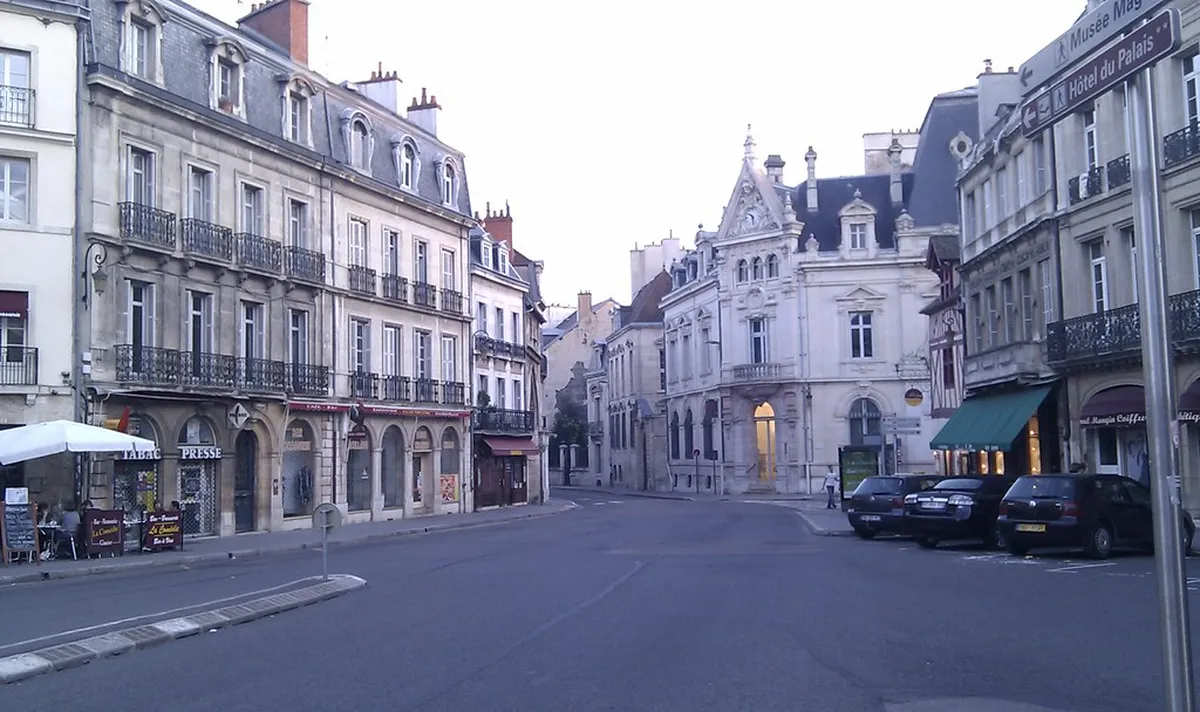
Dijon serves as the historic capital of the Burgundy region in France. It holds centuries of history within its ancient stone walls. You can find incredible architecture in Dijon around every corner of the city. Explore winding streets filled with immense character and local charm.
The city was once the seat of the powerful Dukes of Burgundy. Their legacy remains visible through grand monuments and ornate facades. Travelers flock here to see perfectly preserved medieval and Renaissance buildings. The year 2025 is a perfect time to witness these urban treasures.
Walking through the center feels like visiting an open-air history museum. Every era has left a unique mark on the local skyline. From Gothic spires to modern glass, the variety is truly impressive. Prepare to be amazed by the diverse building styles found here.
The Palace of the Dukes of Burgundy
The Palace of the Dukes of Burgundy dominates the center of the city. It showcases a magnificent mix of Gothic and Neoclassical design styles. Famous architects like Jules Hardouin-Mansart helped shape its grand royal appearance. Today, the building houses the town hall and a museum.
You can admire the Palace of the Dukes of Burgundy architecture from the main square. The structure features a large semicircular courtyard with elegant stone columns. It reflects the immense power held by the Burgundian dukes long ago. The golden limestone glows beautifully during the late afternoon sun.
The Philippe le Bon tower rises high above the central palace complex. It offers a panoramic view of the entire historic district. You can climb its 316 steps for a small entry fee. The tower represents the vertical power of the 15th-century ducal court.
Inside the palace, you will find the Museum of Fine Arts. The rooms feature ornate ceilings and massive medieval fireplaces. Do not miss the tomb of Philip the Bold in the guard room. These interior details are just as impressive as the exterior walls.
The palace faces the famous Place de la Libération square. This square was designed to highlight the building's central royal importance. It features fountains that dance during the warm summer months. It is the best spot to start your architectural journey.
Medieval Timber-Framed Houses in Dijon
Many medieval timber-framed houses in Dijon still stand today. These structures date back mostly to the 15th and 16th centuries. You can see them clearly along the narrow Rue de la Verrerie. They feature dark wood beams set into light-colored plaster walls.
The upper floors often overhang the street to save ground space. This design protected the lower levels from rain and snow damage. Look for the Maison Millière which dates back to 1483. It is one of the most famous houses in the city.
Some houses feature intricate wood carvings on their support beams. These carvings often depict animals, saints, or curious mythical creatures. They show the high skill level of medieval Burgundian craftsmen. Walking here feels like stepping back into the Middle Ages.
The preservation of these wooden structures is a top local priority. Many have been converted into charming boutiques and cozy tea rooms. They provide a warm contrast to the grand stone palace buildings nearby. The street level remains lively and full of modern energy.
You should also visit the Rue des Forges for more examples. This street was once home to the city's wealthiest medieval merchants. The houses here are taller and more decorated than others. They represent the growing middle class of the late medieval era.
The Iconic Glazed Tile Roofs of Burgundy
Glazed tile roofs are a distinct symbol of traditional Burgundian heritage. These colorful tiles form complex and beautiful geometric patterns on rooftops. You can find a detailed Dijon glazed tile roofs guide to help you. They sparkle brightly under the sun during your 2025 visit.
The tiles are coated with lead or tin-based glazes for color. Common colors include terracotta red, deep green, yellow, and black. These roofs were originally a sign of great personal wealth. Only the richest institutions and families could afford such decorations.
The Cathedral of Saint-Bénigne features one of the most stunning examples. Its large roof surface allows for very intricate diamond patterns. You can also see them on the Hôtel de Vogüé. Each pattern is unique to the specific building it covers.
The technique for making these tiles has not changed for centuries. Craftsmen still bake the clay at very high temperatures for durability. This ensures the colors remain vivid despite the changing weather. They are a true masterpiece of local decorative art.
You can spot these roofs best from high vantage points. Climb a local tower to see the colorful patchwork from above. The roofs help define the unique visual identity of the city. They are a highlight for any photography enthusiast visiting France.
Elegant Renaissance Mansions and Stone Decor
During the Renaissance, wealthy citizens built many grand stone mansions. These buildings are known locally as private hotels or "hôtels particuliers." You can explore many Renaissance mansions in Dijon today. Most are located within the quiet streets of the old town.
The Hôtel de Vogüé is a prime example of this style. It features a lush courtyard and a very ornate stone facade. The architecture blends Italian influence with traditional French decorative motifs. It shows the sophistication of the 17th-century local elite.
Look closely at the window frames and doorways for stone carvings. You will see garlands of fruit and detailed human faces. These elements were carved directly into the soft local limestone. They have survived centuries of exposure to the French weather.
Many of these mansions are now used as government offices. However, you can often enter the courtyards during daylight hours. They offer a peaceful escape from the busy shopping streets. Each courtyard feels like a secret garden in the city.
The Maison Maillard is another must-see site for stone fans. Its facade is covered in dense and highly detailed carvings. It represents the height of the local stone-cutting craft. The building remains one of the most photographed spots in Dijon.
Gustave Eiffel and Industrial Iron Design
Gustave Eiffel was born in this historic city in 1832. His local influence is best seen at the Halles Centrales. This is the city's main covered market built with iron. The Halles Centrales Dijon iron architecture is truly impressive to behold.
The structure uses slender iron pillars and large glass panels. This creates a bright and airy space for the market. It was completed in 1868, before his famous tower in Paris. The design was very modern for its time in Burgundy.
The market building is decorated with animal heads and local motifs. Look for the carvings of cattle and game near the roof. These decorations reflect the food sold inside the market stalls. It is a perfect blend of function and industrial beauty.
The market remains a busy hub for local food lovers. You can visit on Tuesday, Friday, and Saturday mornings. It is the best place to buy local mustard and wine. The atmosphere is energetic and full of wonderful regional scents.
Eiffel's legacy reminds us of the city's 19th-century industrial growth. Many other bridges and small structures also feature his iron style. This era added a new layer to the city's architectural story. It bridges the gap between the old stone and modern steel.
Modern Design at the City of Gastronomy
Dijon also embraces modern design through its latest urban projects. The International City of Gastronomy is a major recent architectural highlight. It opened recently to celebrate the culinary arts of the region. This International City of Gastronomy architecture is very innovative.
The project involved the adaptive reuse of an old hospital. Architects carefully restored the historic stone buildings from the 17th century. They then added sleek new structures made of glass and steel. This creates a striking contrast between the old and new.
The site includes a cinema, restaurants, and a food museum. Large glass windows allow visitors to see the historic structures clearly. The design encourages people to walk through the landscaped outdoor spaces. It has revitalized the southern edge of the city center.
This modern complex honors the deep food traditions of France. It shows that the city can grow while respecting its past. The integration of modern technology makes it a world-class cultural destination. It is a must-visit for foodies and architecture fans alike.
The project was led by the famous architect Anthony Béchu. He wanted to create a space that felt open and welcoming. The site is easy to reach by the local tram system. It represents the future of architecture in this historic capital.
Frequently Asked Questions
What is the best way to see the architecture in Dijon?
You should follow a Dijon architectural walking tour for the best experience. The Owl's Trail is a marked path on the city sidewalks. It leads you to 22 major historical monuments in the center. You can buy a guide at the tourist office.
Are the historical monuments in Dijon free to visit?
Many of the major museums and churches are free to enter. This includes the Museum of Fine Arts and the Cathedral. However, some towers and special exhibitions require a paid ticket. Most courtyards of private mansions are free to view from the street.
Why are the roofs in Dijon so colorful and patterned?
The glazed tile roofs were a status symbol for wealthy Burgundian families. The colors come from a special glazing technique used on clay tiles. They protected the buildings and displayed the owner's immense financial success. These patterns have become a famous symbol of the entire region.
Dijon is a city that celebrates its architectural history with pride. You can see the evolution of French design over many centuries here. From the ducal palace to modern gastronomy centers, the variety is stunning. Visit this beautiful city in 2025 to experience its unique charm yourself. Start planning your trip today to see these incredible structures in person.
Key Takeaways
- Explore the Palace of the Dukes for royal Gothic and Neoclassical design.
- Walk down Rue de la Verrerie to see 15th-century timber-framed houses.
- Look up to admire the colorful geometric patterns on glazed tile roofs.
- Visit the Halles Centrales to see the industrial ironwork of Gustave Eiffel.
- Experience the International City of Gastronomy for a mix of old and new.