
Architecture in Annecy: Alpine Design Guide 2025
Explore the historic architecture in Annecy from medieval prisons to grand castles. Plan your 2025 trip with our expert guide to Savoyard design.
On this page
Annecy showcases a rich tapestry of stone and timber reflecting its unique Savoyard history and culture. Many travelers call this city the Venice of the Alps due to its beautiful winding canals. The breathtaking architecture in Annecy showcases centuries of historical design within its narrow and vibrant medieval streets. Your 2025 journey through the city will reveal hidden courtyards and many grand defensive structures today.
This French gem offers a perfect blend of natural beauty and human ingenuity along the water. Visitors flock to the region to admire unique stone bridges and ancient buildings from the Middle Ages. You will discover how the local landscape influenced every building material used by master craftsmen throughout history. Walking through the streets feels like traveling back in time while enjoying modern French comforts and style.
The Medieval Heart of Vieille Ville
The old town of Annecy features narrow cobblestone streets and colorful buildings from the Middle Ages. These historic structures display traditional Alpine design elements that have survived for many hundreds of years. You will find charming arcades that provide shade and protection from the weather for modern shoppers. This layout encourages a slow pace of life while exploring the vibrant local markets in 2025.
The urban design of the old town focuses on accessibility and defensive strength against potential invaders. Builders constructed homes with high ceilings and thick stone walls to regulate temperature during the cold winters. You can see the Annecy medieval architecture history written in the sturdy stone pillars lining the streets. These arches once housed busy workshops where artisans crafted goods for the local Savoyard community long ago.
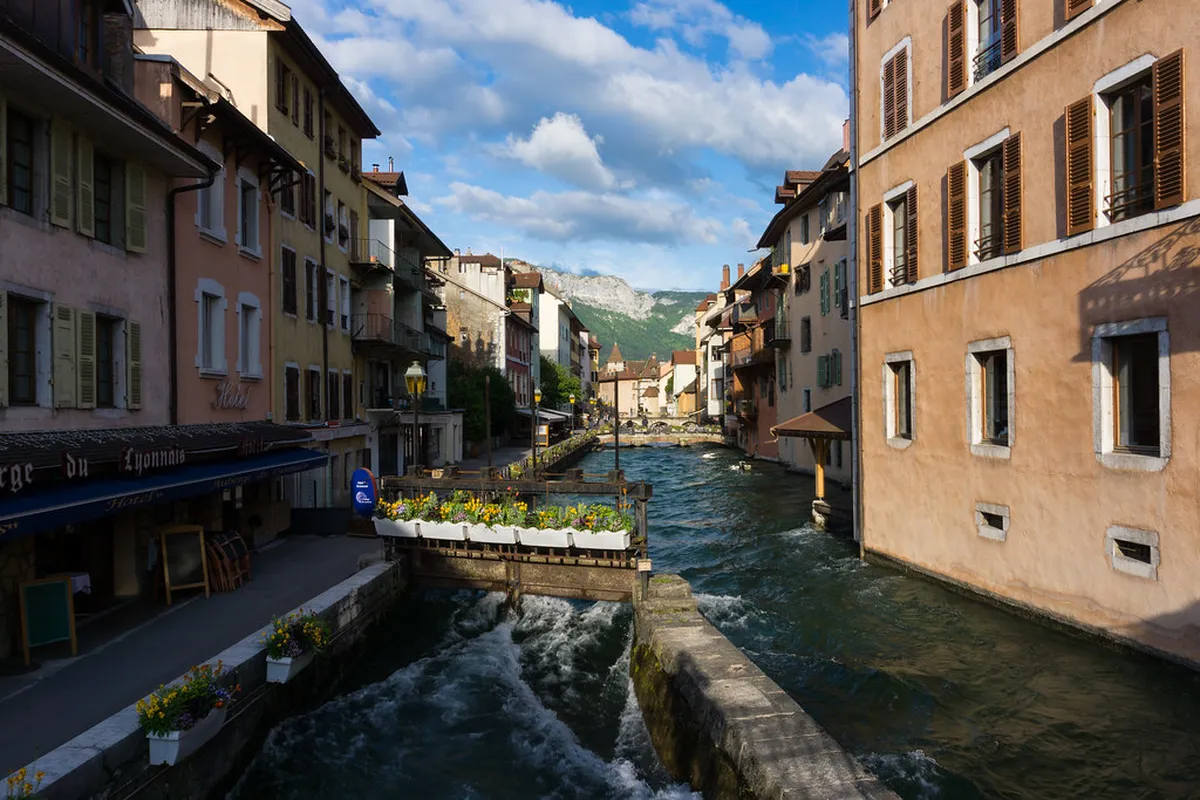
Water plays a central role in the architectural identity of this historic French lakeside city today. The Thiou river flows through the heart of the district and creates a natural cooling system. Buildings lean over the water with flower-filled balconies that provide stunning views for residents and visiting tourists. Every window tells a story of the past through its intricate woodwork and traditional iron decorative shutters.
Rue Sainte-Claire remains one of the most famous streets for its consistent and beautiful architectural style. Most buildings here date back to the sixteenth century and feature unique triangular pediments above the doors. Walking along this street allows you to appreciate the careful preservation of original historical building facades. Local regulations ensure that any modern renovations respect the heritage and aesthetic value of the surrounding district.
The color palette of the old town consists of warm ochre, soft pink, and pale yellow tones. These colors reflect the sunlight beautifully and create a cheerful atmosphere even on cloudy mountain days. Tourists often pause to photograph the contrast between the vibrant walls and the clear blue canal water. This visual harmony makes the district a prime example of successful European urban conservation and historic planning.
The Iconic Palais de l'Île Prison
The Palais de l'Île stands as the most photographed landmark within the entire city of Annecy today. This unique triangular building sits on a small island in the middle of the narrow Thiou canal. It has served many purposes including a courthouse, a mint, and a notorious prison during its history. Seeing this structure in person allows you to appreciate the raw power of medieval stone construction techniques.
Architects designed the building to follow the natural shape of the rocky island in the flowing river. The thick limestone walls were built to withstand the constant pressure of the surrounding moving water currents. You should consider visiting Palais de l'Île Annecy to see the interior cells and the historic courtroom. The interior spaces feel narrow and imposing, which reflects its former use as a place of strict confinement.
The oldest parts of the structure date back to the twelfth century and feature small defensive windows. These narrow slits allowed guards to monitor the canal while remaining protected from any external threats outside. Over the centuries, various rulers added wings and decorative elements that created the complex shape we see. The building acts as a stone ship permanently anchored in the heart of the Old Town district.
Restoration projects in the twentieth century saved the Palais from demolition and preserved its unique historical identity. Experts used traditional masonry techniques to repair the weathered stones and maintain the original character of the facade. Today, the monument houses a museum dedicated to the architecture and heritage of the local Annecy region. It serves as a reminder of the strategic importance of this waterway for the Counts of Geneva.
Visiting at night offers a different perspective as lights illuminate the stone walls against the dark water. The reflections create a magical atmosphere that highlights the dramatic silhouette of the ancient and historic prison. Most visitors spend about one hour exploring the various levels and learning about the building's diverse roles. It remains a quintessential example of how architecture can adapt to changing societal needs over many centuries.
Architectural Grandeur of Château d'Annecy
The Château d'Annecy overlooks the city from a high hill and offers a commanding view of the lake. This former residence of the Counts of Geneva combines defensive military features with elegant residential living spaces. Its construction spanned several centuries, which resulted in a fascinating mix of different architectural styles and periods. You can observe the transition from rugged medieval fortresses to refined Renaissance palaces within the castle walls.
The Queen's Tower is the oldest part of the castle and dates back to the twelfth century. Its walls are over four meters thick at the base to ensure stability during long and difficult sieges. You can learn more about the Chateau d'Annecy architectural features by exploring the various defensive towers and internal courtyards. Each tower served a specific purpose ranging from storing grain to housing noble guests and their families.
The Logis Nemours represents the Renaissance influence on the castle with its large windows and decorative stone carvings. This wing was built in the sixteenth century to provide more comfort and light for the resident nobility. Intricate fireplaces and painted ceilings showcase the wealth and artistic taste of the powerful Savoyard ruling class. The contrast between the dark defensive walls and the light living quarters is visually striking for visitors.
Today, the castle functions as a museum and an observatory for the regional Alpine environment and history. Large courtyards allow visitors to walk between the different buildings and appreciate the massive scale of the complex. The panoramic terrace provides the best views of the red-tiled roofs and the sparkling blue lake below. It is a steep walk to the entrance, but the architectural rewards make the effort worthwhile for everyone.
Preservation efforts continue to protect the delicate stonework from the harsh mountain weather and high humidity levels. Modern architects use specialized lime mortars that match the original materials used by the medieval and Renaissance builders. This commitment to authenticity ensures that future generations can experience the majesty of this historic French landmark. The castle remains a symbol of the city's endurance and its long history of artistic and political power.
Religious Landmarks and Sacred Structures
Religious buildings in Annecy demonstrate the deep spiritual heritage and artistic skill of the local Catholic community. The Basilica of the Visitation stands prominently on a hill as a masterpiece of neo-Romanesque architectural design. Completed in the early twentieth century, it features a tall bell tower that is visible from across the lake. The white stone exterior reflects the light and creates a sense of peace and divine presence for visitors.
Inside the basilica, you will find stunning marble columns and vibrant stained glass windows that depict religious scenes. The architectural style of the Basilique de la Visitation neo-romanesque style emphasizes height and light in the interior. This design choice creates an airy atmosphere that invites quiet reflection and prayer away from the busy city. Many pilgrims visit the tombs of Saint Francis de Sales and Saint Jane de Chantal located here.
The Cathedral of Saint-Pierre offers a different experience with its humble facade and rich interior Renaissance decorations. Built in the sixteenth century, it served as a refuge for the bishops of Geneva during the Reformation. The cathedral's organ is a masterpiece of musical and mechanical engineering from the nineteenth century for the city. Its modest exterior hides a wealth of paintings and sculptures that tell the story of the local faith.
Saint-Maurice Church represents the flamboyant Gothic style with its intricate stone tracery and high vaulted ceilings. This church was originally part of a Dominican convent and served the local craftsmen and workers of Annecy. The large windows allow natural light to illuminate the dark stone and highlight the detailed wood carvings. It stands as one of the oldest religious sites in the city with a very long history.
Exploring these sacred spaces reveals how architectural styles evolved to meet the changing needs of the local church. Builders used local materials like limestone and oak to create structures that could withstand the passage of time. These churches remain active centers of community life and host many concerts and cultural events throughout the year. They provide a quiet sanctuary where history and spirituality meet in a beautiful and harmonious way.
Modern Architecture and Urban Planning
While the old town is famous, Annecy also features significant modern architectural projects from the twentieth century. The Bonlieu Cultural Center is a prime example of late modern design that integrates multiple public functions. This building houses a theater, a library, and various office spaces for the local government and citizens. Its glass and concrete facade creates a bold contrast with the surrounding historic stone and timber buildings.
The work of architect Maurice Novarina has left a lasting impact on the contemporary skyline of the city. He designed several residential and public buildings that focused on functionality and clean lines during the post-war period. You can explore the Maurice Novarina architect works to understand his vision for a modern and efficient alpine city. His designs often incorporated large balconies to take advantage of the natural light and the mountain views.
Urban planning in the newer districts focuses on sustainability and creating green spaces for the growing local population. Wide boulevards and modern apartment complexes offer a different living experience compared to the narrow medieval streets. Modern architects prioritize energy efficiency by using advanced insulation and solar panels in their new building designs. This forward-thinking approach helps protect the delicate mountain environment while allowing the city to grow and thrive.
The lakefront area features several grand hotels and villas that showcase the luxury architecture of the Belle Époque. These buildings use ornate decorations and large gardens to create a sense of elegance and refined leisure. The Imperial Palace is a notable example of this style with its white facade and classic symmetrical design. It remains a popular destination for tourists who want to experience the glamour of the early twentieth century.
Contemporary projects continue to push the boundaries of design while respecting the unique character of the Annecy region. New schools and community centers use natural wood and glass to blend in with the surrounding alpine landscape. This balance between tradition and innovation ensures that the city remains a vibrant and attractive place to live. Annecy proves that a city can honor its past while embracing the future through careful architectural planning.
Alpine Vernacular and Building Materials
The traditional architecture of the region relies heavily on materials sourced directly from the surrounding French Alps. Builders used hard limestone for foundations and walls to provide strength and durability against the heavy winter snow. Dark wood from local forests was used for roofing, balconies, and internal structural beams in most homes. Understanding the materials used in Annecy buildings reveals the deep connection between the people and their land.
Roofs in Annecy are typically steep to prevent the accumulation of heavy snow during the cold winter months. Many historic buildings use local slate or wooden shingles known as tavaillons to cover their durable roof structures. These traditional methods provide excellent insulation and have a very long lifespan when maintained properly by skilled craftsmen. The texture of these materials adds a rustic charm to the city's diverse and interesting architectural landscape.
Wrought iron is another essential material used for decorative and functional elements throughout the historic old town. You will see intricate railings on balconies and sturdy grilles protecting the ground floor windows of many homes. Local blacksmiths created these pieces with patterns that often reflect the flora and fauna of the alpine region. These metal details provide a delicate touch that complements the heavy stone and wood used in construction.
The use of lime-based plasters allowed buildings to breathe and prevented moisture from damaging the interior living spaces. These plasters were often colored with natural pigments to create the warm tones seen in the old town. This technique is still used today during restoration projects to ensure the longevity of the historic stone walls. It is a testament to the wisdom of traditional builders who understood their unique mountain climate perfectly.
Modern construction in the area often pays tribute to these vernacular styles by using similar colors and textures. Contemporary architects incorporate stone and wood to maintain a sense of continuity with the historic heritage of the city. This approach creates a cohesive visual identity that makes the region stand out as a premier travel destination. Visitors can enjoy the comfort of modern buildings while appreciating the timeless beauty of traditional alpine design.
Frequently Asked Questions
What is the most famous building in Annecy?
The Palais de l'Île is widely considered the most famous and iconic building in the entire city. This former prison sits on a small island and is a masterpiece of medieval stone architecture today. You can take an Annecy architecture walking tour to learn more about its fascinating and diverse history.
How old is the architecture in the Old Town?
The oldest buildings in the Old Town of Annecy date back to the twelfth and thirteenth centuries. Most of the colorful facades you see today were constructed between the sixteenth and seventeenth centuries. These structures have been carefully preserved to maintain the historic character and charm of the medieval district.
Are there any modern buildings to see in Annecy?
Yes, Annecy features several significant modern buildings including the Bonlieu Cultural Center and works by Maurice Novarina. The city also has many contemporary residential projects that focus on sustainable design and alpine aesthetic harmony. These modern structures offer a sharp and interesting contrast to the ancient stone buildings of the center.
Why are the buildings in Annecy so colorful?
The buildings feature bright colors like ochre and pink to reflect sunlight and brighten the streets during winter. These warm tones are traditional for the region and help create a cheerful atmosphere for residents and tourists. Local regulations require owners to use specific historical color palettes during any renovation or painting projects.
Can you visit the interior of the Château d'Annecy?
The Château d'Annecy is open to the public and serves as a museum for art and regional history. Visitors can explore the various rooms, towers, and courtyards to see the different architectural styles in person. It offers a great way to experience the transition from a defensive castle to a palace.
Annecy offers a stunning collection of architectural wonders that span over eight centuries of French and Savoyard history. From the defensive walls of the castle to the charming canalside houses, every structure tells a unique story. Plan your 2025 visit to explore these treasures and enjoy the vibrant culture of this alpine gem today. You will leave with a deep appreciation for the beauty and resilience of the architecture in Annecy.
Key Takeaways
- The Palais de l'Île is a must-see example of medieval urban design on the Thiou canal.
- Château d'Annecy showcases the evolution from a military fortress to a comfortable Renaissance residence.
- Traditional Savoyard materials like limestone and local wood define the city's unique alpine aesthetic.
Related reads: religious architecture in annecy, vieille ville annecy urban design.