
Architecture in Calvi: A Guide to Corsica’s History
Learn about the stunning architecture in Calvi. Explore Genoese forts and Baroque churches on your 2025 visit. Start your Corsican journey here!
On this page
Calvi is a beautiful port city located on the northwest coast of the island of Corsica in France. The impressive architecture in Calvi reflects a blend of military power and Mediterranean charm throughout the past several centuries. Walking through the streets in 2025 offers a unique look at how different cultures influenced this coastal French town.
The city divides into two main parts which include the historic upper Citadel and the bustling lower town area. Each zone provides a different perspective on the stone structures that define the local landscape and regional character. You will find massive walls, narrow alleys, and beautiful churches that tell stories of ancient battles and faith.
Travelers often visit to see the massive fortifications that once protected the town from pirates and foreign naval forces. This guide will explore the most significant buildings and design styles you can find during your next walking tour. Understanding the building techniques helps you appreciate the resilience and creativity of the people who lived here long ago.
The Citadel: Icons of Architecture in Calvi
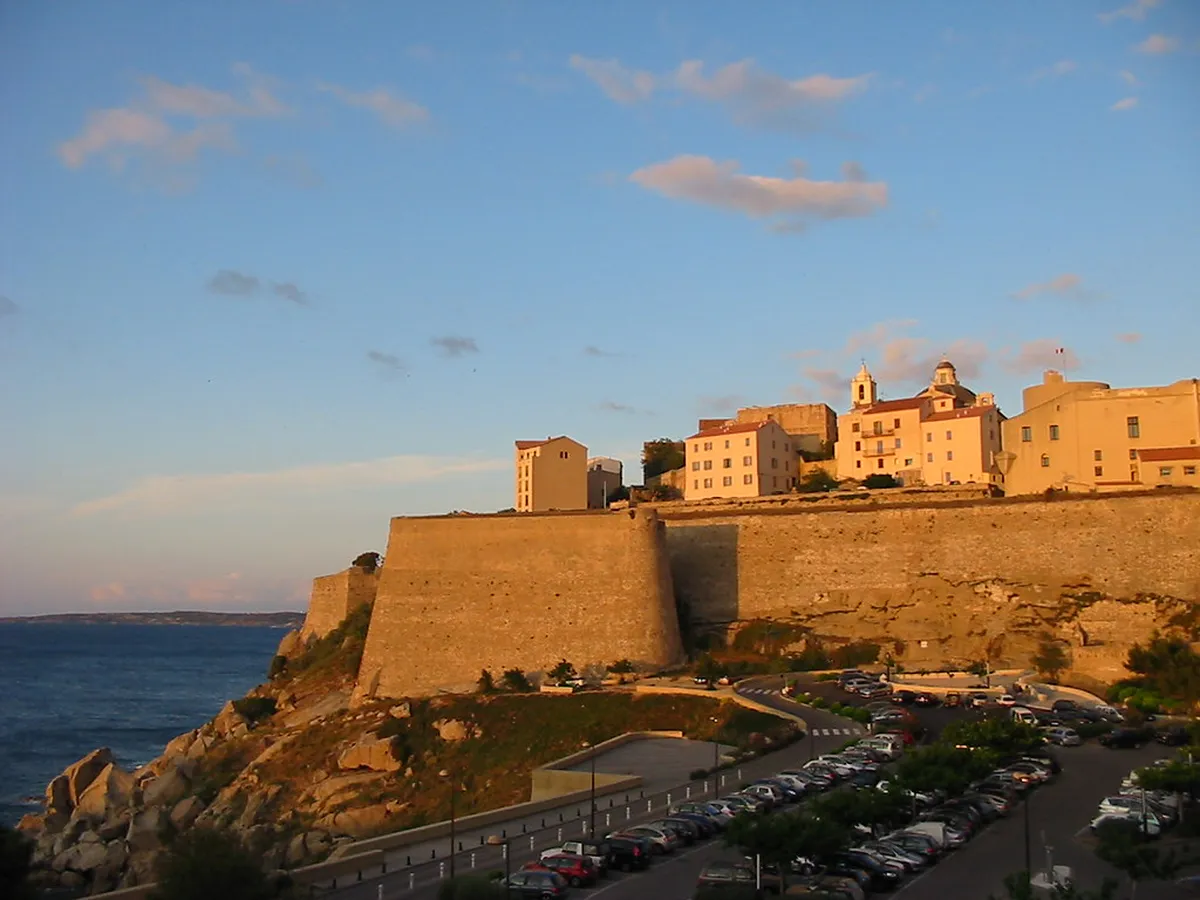
The Citadel of Calvi stands as a testament to the island's strategic military past and its Genoese roots. This fortress sits high on a rocky promontory overlooking the turquoise waters of the Mediterranean Sea and the port. Construction of these massive defensive walls began in the 13th century under the rule of the Republic of Genoa. You can learn about the calvi citadel structural history to understand its defensive layers.
Walking through the gates feels like stepping back in time to a period of constant coastal threats and battles. The granite walls are thick and designed to withstand heavy artillery fire from enemy ships during the middle ages. These fortifications were so strong that the city remained loyal to Genoa for several centuries despite numerous fierce attacks. The layout includes several bastions that provided clear sightlines for soldiers guarding the entrance to the bay.
Inside the walls, the streets are narrow and winding to confuse any invaders who managed to enter the city. The buildings are packed closely together to save space on the rocky cliff and provide shade from the sun. Many of the original stone houses still stand and serve as private residences or small shops for local tourists. You will notice how the architecture uses natural stone to blend perfectly with the rugged Corsican landscape around it.
The Palace of the Governors is one of the most prominent buildings located within the safety of the Citadel. This structure served as the residence for Genoese officials who managed the island's affairs and military defense strategies. It features a simple but imposing facade that reflects the practical needs of a military headquarters during that time. Today, it remains a focal point for those interested in the political history of the Balagne region of Corsica.
Visitors can walk along the top of the ramparts for spectacular views of the sea and the surrounding mountains. The walkways are wide enough for several people and offer a clear perspective of the fort's geometric design and layout. This area is perfect for seeing how the military engineers utilized the natural height of the cliffs for defense. The Citadel remains the most recognizable symbol of the city and its long history of survival and strength.
Sacred Spaces and Baroque Masterpieces
Religious buildings play a vital role in the history and visual appeal of the many structures found in Calvi. The Cathedrale Saint-Jean-Baptiste is the most significant church located within the high walls of the upper Citadel area. It was built in the 13th century but underwent major renovations during the Renaissance and the later Baroque periods. You should explore the cathedrale saint-jean-baptiste architecture to see its unique floor plan.
The interior of the cathedral features beautiful altars and religious art that showcase the wealth of the local merchant class. It houses the famous Black Christ of Calvi, which locals believe protected the city during several historical sieges. The dome is a masterpiece of design that allows light to flood the sanctuary during the bright morning hours. Many visitors enjoy the quiet atmosphere and the cool temperature provided by the thick stone walls in the summer.
In the lower town, the Eglise Sainte-Marie-Majeure stands out with its bright pink facade and elegant clock tower design. This church was built in the 18th century and reflects the late Baroque style popular across many Mediterranean regions. The vibrant color makes it a favorite subject for photographers visiting the port area during the golden hour. It serves as a central gathering place for the local community during religious festivals and traditional town celebrations.
The Oratoire Saint-Antoine is another architectural gem located near the port and the busy shopping streets of the town. This building features impressive frescoes and a simple exterior that belies the beauty found inside the sacred space. It was used by religious brotherhoods who played a major role in the social life of the city residents. The craftsmanship of the woodwork and the stone carvings highlights the skills of the local Corsican builders and artists.
These religious sites are free to visit most days, though you should check the local schedule for special services. Most churches are open from 9:00 AM to 6:00 PM during the peak tourist season in the summer months. Respectful clothing is required to enter these active places of worship out of respect for the local traditions. Exploring these spaces provides a deep connection to the spiritual and artistic history of the people of Calvi.
Defensive Towers of the Corsican Coast
The coastline around Calvi is dotted with several towers that were part of a massive maritime defense system. These Genoese towers were built to warn the inland villages of approaching pirate ships or hostile naval fleets. The salt tower calvi history explains how this specific structure protected valuable resources near the harbor. This tower is one of the best-preserved examples of circular defensive architecture in the entire Balagne region.
Most of these towers follow a similar design with three levels used for storage, living, and military defense. The ground floor usually had no doors or windows to prevent easy access for attackers during a coastal raid. Soldiers would use a removable ladder to reach the second floor and then pull it up for total safety. The flat roof served as a platform for signal fires to alert the neighboring towers of any danger.
Granite and local stone were the primary materials used to build these sturdy towers along the rugged Corsican shores. The mortar used to hold the stones together was made from lime and sand found in the local area. This combination has allowed many of these structures to survive for over four hundred years against wind and salt. You can still see several of these towers while hiking along the coastal paths near the city today.
The Torra di Calvi is another important structure that guarded the bay and the entrance to the busy harbor. Its placement was chosen specifically to provide a wide view of the sea and the nearby Revellata peninsula. Small windows allowed soldiers to use muskets and cannons to defend the port from any ships that entered. These towers represent a clever and effective way to protect a long and difficult coastline with few men.
Today, many of these towers are protected historical monuments that provide great spots for hiking and nature photography in 2025. They serve as silent reminders of a time when the sea was a source of both wealth and danger. Visitors can walk to several towers starting from the center of town in under an hour of light hiking. These paths offer some of the best views of the city skyline and the surrounding Mediterranean landscape.
Vernacular Housing and Local Stone Styles
The residential architecture in Calvi is defined by the use of local granite and traditional Mediterranean design principles and materials. Houses in the old town are often several stories tall and built very close to one another for support. This style created narrow streets that remain cool even during the hottest days of the Corsican summer season. You can discover more about traditional corsican residential styles by exploring the backstreets of the Citadel.
Many homes feature small balconies with wrought iron railings that look out over the cobblestone streets and the sea. The windows are typically small to keep the heat out and are protected by heavy wooden shutters for privacy. These shutters are often painted in shades of green or blue to contrast with the warm gray stone walls. This color palette is typical for the coastal towns found throughout the northern part of the island.
The ground floors of many houses were traditionally used for storing livestock, tools, or barrels of local wine and oil. Today, most of these spaces have been converted into modern apartments, boutiques, or cozy restaurants for the tourists. Builders used thick granite blocks for the foundations to ensure the houses remained stable on the steep and rocky slopes. The craftsmanship is evident in the precise way the stones fit together without the need for modern machinery.
Walking through the lower town reveals a slightly more modern style of housing built during the 19th and 20th centuries. These buildings are often taller and feature larger windows and more decorative elements on their facades and entrance gates. They reflect the growth of the city as a popular tourist destination for the elite of Europe and France. The blend of old and new styles creates a rich visual experience for anyone interested in urban development.
Modern renovations in 2025 focus on preserving the historical exterior while creating comfortable and contemporary living spaces for residents. Strict local laws ensure that any new construction or repairs match the historic character of the surrounding stone buildings. This commitment to heritage helps keep the city looking authentic and beautiful for future generations of world travelers. Residents take great pride in maintaining their homes as part of the town's unique architectural and cultural identity.
Modern Design and Future Developments
While history is everywhere, modern architecture in Calvi is also making its mark on the landscape of the Balagne. New projects focus on sustainability and blending contemporary structures with the natural beauty of the Corsican coast and hills. Architects are using glass and wood alongside traditional stone to create homes that feel both modern and local. You can read about modern architecture in balagne region to see current design trends.
The redevelopment of the port area is one of the most significant modern projects in the city in recent years. This plan includes new walkways, updated docking facilities, and stylish buildings for maritime services and local port authorities. The goal is to improve the experience for visitors while respecting the historic view of the city from the sea. These changes have made the harbor area more accessible and attractive for both locals and international tourists.
Eco-friendly villas are becoming popular in the hills surrounding the city, offering luxury while minimizing the impact on the environment. These homes use solar power and rainwater collection systems to stay functional in the dry Mediterranean climate of Corsica. Large windows are placed strategically to provide natural cooling and reduce the need for expensive air conditioning in summer. Many of these projects win awards for their innovative use of materials and their respect for the land.
Public spaces are also seeing updates that combine modern functionality with the classic aesthetic of the ancient Corsican town center. New benches, lighting, and paving materials are chosen to match the granite used in the historic Citadel and churches. This careful planning ensures that the city feels like a unified space rather than a collection of clashing styles. The city council works closely with architects to maintain this balance between progress and preservation.
Future plans for the city include expanding pedestrian zones and improving the infrastructure for sustainable travel and local transport options. These developments will make it easier for people to explore the architectural wonders of the city without relying on cars. The focus remains on keeping the town livable for residents while providing a world-class experience for visiting architecture lovers. Calvi continues to evolve as a modern city that deeply respects its rich and complex historical roots.
Frequently Asked Questions
What is the best time for architecture photography in Calvi?
The best time for photography is during the early morning or the late afternoon when the light is soft. You can find more tips on the best time for architecture photography in calvi here. Sunset provides a golden glow on the pink facade of the Eglise Sainte-Marie-Majeure and the granite Citadel walls.
Are there guided architectural tours available in the city?
Yes, you can join an architectural walking tour of calvi to see the main highlights. These tours usually last about two hours and cover the Citadel and the historic lower town areas. Local experts provide deep insights into the construction techniques and the history of the most famous buildings.
Is the Citadel of Calvi free to enter for tourists?
The Citadel is an active residential neighborhood and is completely free to enter and explore on your own. You can walk the ramparts and the narrow streets at any time of the day or night. Some specific museums or churches inside the walls may charge a small entry fee for visitors.
How long does it take to walk through the historic center?
A thorough walk through the Citadel and the port area usually takes about three to four hours for most people. This time allows for plenty of photos and a few stops at local cafes or historic landmarks. The terrain is steep in some places, so wearing comfortable walking shoes is highly recommended for all visitors.
The architecture in Calvi offers a fascinating journey through time from the middle ages to the modern era of 2025. You can see the strength of the Genoese defenders and the beauty of the Baroque masters in every street. This city remains a must-visit destination for anyone who loves history and beautiful building designs. Plan your trip today to see these incredible stone structures for yourself and enjoy the Corsican sun.
Whether you are interested in military forts or colorful churches, this town has something special for every traveler to enjoy. The mix of natural beauty and human craftsmanship creates an atmosphere that is truly unique to the island of Corsica. Make sure to bring your camera and your curiosity when you visit this Mediterranean jewel. We hope this guide helps you appreciate the rich design heritage of this historic French port city.
Key Takeaways
- Explore the 13th-century Genoese Citadel for impressive military architecture and coastal views.
- Visit the pink-facaded Eglise Sainte-Marie-Majeure in the lower town for beautiful Baroque details.
- Walk the coastal paths to see the historic salt tower and other defensive maritime structures.
Related reads: baroque churches in calvi, genoese towers of the balagne coast.