
Discover Stunning Architecture in Ajaccio
Explore the best architecture in Ajaccio. Learn about Napoleonic landmarks and Genoese history in 2025. Plan your architectural tour today!
On this page
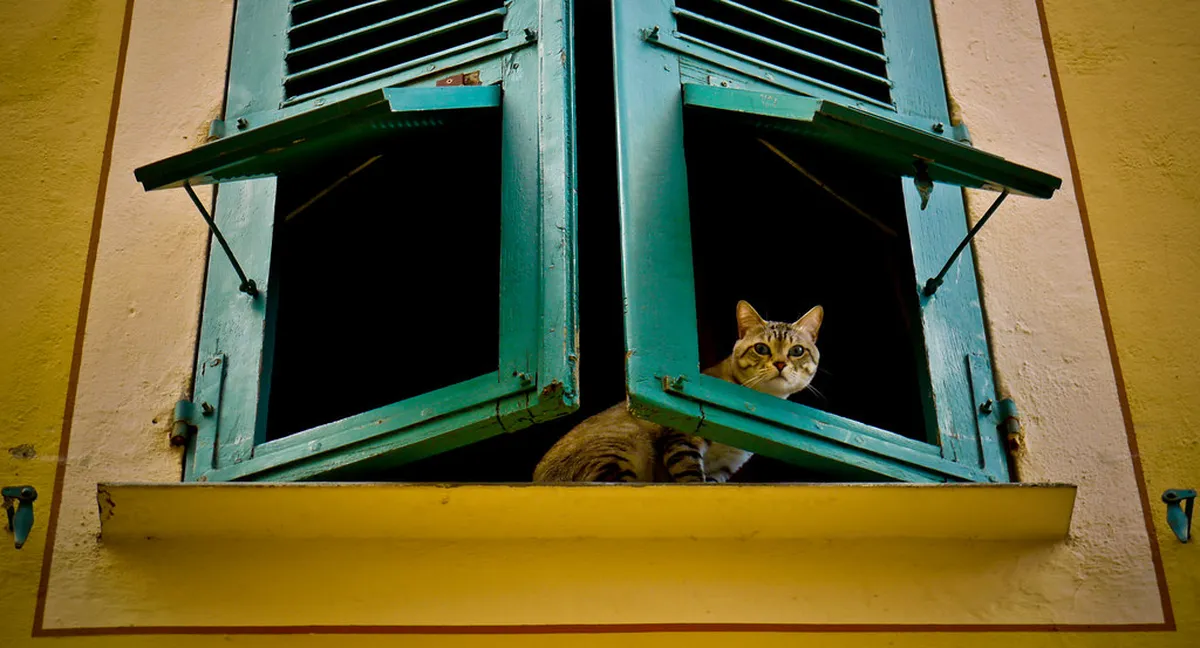
The city of Ajaccio offers a unique blend of Mediterranean charm and French elegance throughout its streets. You will notice the tall, colorful buildings that lean over the narrow alleys of the historic district. These structures feature green shutters and sturdy stone walls that have stood for several hundred years now. The primary architecture in Ajaccio tells a story of imperial glory and simple coastal living today.
This coastal capital serves as a living museum for anyone interested in classic European design styles. Visitors can walk from medieval fortifications to grand 19th-century palaces in just a few short minutes. The bright sun of 2025 highlights the warm ochre tones found on every corner of the city. Architecture fans will appreciate the mix of Italian influences and French urban planning across the local landscape.
Exploring the city allows you to see how history shaped the modern layout of this Corsican gem. You can find many hidden courtyards tucked behind heavy wooden doors in the older parts of town. Most major landmarks sit near the harbor where the turquoise sea meets the ancient gray stone walls. Start your journey by walking through the heart of the city to see its most iconic facades.
The Medieval Heart and Genoese Planning
The oldest part of the city reflects the strategic needs of the Genoese Republic during the medieval period. Architects built tall, narrow houses to save space within the protective walls of the original town site. You can observe the Ajaccio old town urban planning while walking down the Rue Cardinal Fesch today. These buildings provided shade during the hot summer months for the residents who lived there.
Thick stone walls and small windows characterize the traditional houses found in the historic center of the town. Builders used local granite and limestone to ensure the structures could withstand both time and the salty air. You will see many arches that connect buildings across the narrow streets for extra structural support. These architectural features helped the community thrive during times of conflict and coastal raids by passing ships.
The Citadel stands as the most impressive example of military engineering from the early Genoese era in Ajaccio. It features massive bastions and deep moats that once protected the town from potential invasions by sea. Engineers designed the fort to dominate the bay and provide a safe harbor for the local fishing boats. Although the military still uses parts of it, the exterior remains a highlight for every architecture enthusiast.
Urban planners in the 15th century focused on creating a dense network of streets for better local defense. This layout forced visitors to slow down and helped residents defend their homes from any unwanted intruders. You can still feel the history as you navigate the winding paths that lead toward the bustling marketplace. Notice how the ground floors often feature large stone portals that once led to stables or storage rooms.
Napoleonic Influence and Neoclassical Grandeur
Napoleon Bonaparte changed the face of the city forever when he rose to power in the 19th century. His family wanted to transform their hometown into a modern capital with wide avenues and grand public squares. You can explore the Napoleonic landmarks in Ajaccio to see how they used stone to project power. The neoclassical style became the standard for all major government buildings constructed during this influential period.
The Maison Bonaparte serves as a primary example of how wealthy families lived during the late eighteenth century. This three-story building features a simple facade that hides a complex interior of interconnected rooms and secret passages. Large windows allow natural light to fill the living spaces where the future Emperor of France once played. It stands as a testament to the transition from traditional Corsican styles to more refined French tastes.
Place Foch serves as a central hub where the city's neoclassical design truly shines for all modern visitors. The square features a grand statue of Napoleon surrounded by four lions that spout water into a basin. Architects lined the square with elegant palm trees and symmetrical buildings that create a sense of formal balance. This space was designed to host military parades and large public gatherings for the local people to enjoy.
The Town Hall nearby continues this theme with its grand columns and impressive triangular pediment on the exterior. Its design follows the strict rules of Greek and Roman architecture which were popular during the First Empire. Inside, the grand salons feature crystal chandeliers and gold leaf decorations that reflect the wealth of the era. These buildings turned a simple port town into a sophisticated city that rivaled others in the Mediterranean.
Belle Époque Luxury in the Foreign Quarter
The late 1800s saw a massive influx of wealthy tourists from England and Germany seeking a warm climate. These visitors required high-end accommodations that matched the luxury they found in other famous European resort towns. This demand led to the development of Belle Époque architecture in Ajaccio within the upscale Quartier des Étrangers. You can see many ornate balconies and decorative plasterwork on the villas that line these quiet streets.
The Grand Hotel Continental stands as a crown jewel of this era with its massive size and elegance. It features a long, white facade with dozens of windows that offer views of the sparkling blue sea. Architects used decorative ironwork and tall ceilings to create an atmosphere of light and air for the guests. This building helped establish the city as a premier winter destination for the elite of the 19th century.
Private villas in this neighborhood often include elements of the exotic styles that were trendy during that period. Some houses feature Moorish arches or Swiss chalet roofs that stand out against the traditional Corsican landscape. Large gardens filled with tropical plants surround these homes to provide privacy and a sense of natural beauty. The mixture of different European styles makes a walk through this district feel like a trip through time.
Many of these historical structures have been converted into modern apartments or government offices for the local residents. They retain their original charm through careful restoration efforts that follow strict heritage guidelines set by the state. You can still admire the colorful tiles and grand staircases that define the interior of these magnificent winter homes. These buildings represent a time when the city was a center of international culture and modern fashion.
Sacred Spaces and the Cathedral
Religious architecture plays a vital role in the visual identity of the city and its historical development. The Cathédrale Notre-Dame-de-l'Assomption is the most famous religious site due to its connection to the Bonaparte family. It follows the Ajaccio Cathedral architectural style which emphasizes Italian Baroque elements on the interior. The exterior features a humble ochre facade that blends perfectly with the surrounding buildings of the old town.
Inside the cathedral, you will find a stunning marble high altar that was a gift from a princess. The ceiling features delicate paintings that tell stories from the Bible in bright colors and gold leaf accents. Small side chapels belong to the most influential families of the island and showcase their wealth and devotion. The cool interior provides a quiet escape from the busy streets and the hot sun of the afternoon.
The Imperial Chapel serves as a more formal example of religious design built for the tomb of the Bonapartes. It features a classic Latin cross plan and a dome that rises high above the nearby street level. Architects used gray stone to give the building a somber and respectful tone that matches its funerary purpose. This structure demonstrates how the city used religious buildings to honor its most famous and powerful historical figures.
Smaller chapels and churches are scattered throughout the winding alleys of the medieval district for the local people. Each one features a unique bell tower or a carved wooden door that tells a story of local craftsmanship. Many of these sites remain active today and hold regular services for the residents of the historic center. Their simple designs offer a contrast to the grand cathedrals found in the larger cities of mainland France.
Coastal Defenses and the Sanguinaires Towers
The coastline around the city is dotted with circular stone towers built by the Genoese for maritime security. One of the most famous sites is the Tour de la Parata structural design located at the tip of the peninsula. These towers were part of a massive defensive network that signaled the arrival of enemy ships using fire. They used a simple but effective design that allowed a small crew to defend the coast for weeks.
Builders used locally sourced granite blocks to construct these sturdy towers that have survived centuries of ocean storms. Each tower features a single entrance located several meters above the ground for added security against land attacks. The interior usually contains two levels for living and storage with a flat roof for the lookout station. You can hike to many of these sites to see the clever engineering used by the Genoese.
The Sanguinaires archipelago features several more of these towers that guard the entrance to the large local bay. These islands provided a strategic vantage point for the guards who watched the horizon for any sign of trouble. The stark silhouettes of the towers against the sunset create one of the most iconic images of the region. Today, they serve as popular landmarks for hikers and photographers who visit the rugged coastline during the year.
Modern restoration projects have helped preserve these ancient structures so that future generations can learn about maritime history. Many of the towers are now accessible via well-marked trails that offer stunning views of the Mediterranean Sea. Visitors can enter some of the towers to see the thick walls and the small firing ports. These buildings are a reminder of the dangerous past when the sea was a source of constant threat.
Practical Tips for an Architecture Tour
Planning a trip to see the local architecture requires some preparation to ensure you see all the highlights. Most of the famous sites are located within a small area that you can explore on foot. Wear comfortable shoes because the historic streets are often paved with uneven stones and steep hills for defense. You should start your walk early in the morning to avoid the heat and the large cruise crowds.
Joining an Ajaccio architecture walking tour is a great way to learn about the hidden details of each building. Professional guides can point out the subtle differences between Genoese and French styles that you might miss alone. Most tours last about three hours and cost around 15 to 25 Euros per person in 2025. You can book these tours online or at the local tourist office located near the harbor.
Many of the historic museums have specific opening hours that vary depending on the season and the day. The Maison Bonaparte is usually open from Tuesday to Sunday but often closes for a lunch break mid-day. Tickets for the major museums typically cost between 7 and 10 Euros for an adult visitor to enter. Make sure to check the official websites before you go to confirm the latest schedules and ticket prices.
Take some time to sit in one of the grand squares and admire the surrounding buildings from a distance. The Place de Gaulle offers a wide view of both the sea and the imperial monuments of the city. Bring a camera to capture the changing light on the ochre facades during the golden hour before sunset. This city offers endless opportunities for fans of design to discover the beauty of Mediterranean urban planning.
Frequently Asked Questions
What is the most famous building in Ajaccio?
The Maison Bonaparte is the most famous structure in the city because it was Napoleon's home. It features a traditional design that represents the local style of the late 18th century. Many visitors come here to see where the famous French Emperor was born and raised as a boy.
Can you visit the Citadel in Ajaccio?
You can only view the exterior of the Citadel because the French military still uses the facility today. Its massive stone walls and bastions are clearly visible from the nearby beach and the main harbor area. It remains a powerful symbol of the city's defensive history and Genoese architectural influence for all travelers.
How long does it take to see the main architecture?
You can see the most important landmarks in about four to five hours on a walking tour. This time allows you to explore the old town, the cathedral, and the main squares at a relaxed pace. Many people choose to spend a full day to include the coastal towers located further from the center.
Are there many Baroque buildings in the city?
Yes, you will find many Baroque influences inside the local churches and some of the older private mansions. The Cathedral features a stunning Baroque interior with ornate altars and beautiful religious art from the Italian Renaissance. This style reflects the strong cultural ties between Corsica and Italy throughout the centuries of their shared history.
The architecture in Ajaccio offers a fascinating journey through time for every visitor who walks its historic streets. From the rugged Genoese towers to the elegant Belle Époque villas, the city showcases a diverse range of styles. Plan your visit in 2025 to experience the sun-drenched facades and the rich cultural heritage for yourself. Enjoy your stay in this beautiful French city and discover its many hidden architectural treasures today.
Key Takeaways
- Explore the Maison Bonaparte to see the roots of the famous French Emperor.
- Walk through the Quartier des Étrangers for stunning Belle Époque villa designs.
- Visit the coastal Genoese towers for examples of historic military engineering and views.
Related reads: ajaccio genoese architecture, palais fesch architecture and design.