
Exploring Stunning Architecture in Colmar
Discover the unique architecture in Colmar for 2025. See timber-framed houses and Gothic landmarks on your next trip to France. Plan your visit today!
On this page
Colmar is a beautiful gem in the heart of the Alsace region. The architecture in Colmar tells a rich story of French and German history. Visitors in 2025 will find a town that looks like a storybook illustration. Every street corner offers a new view of colorful timber-framed buildings.
The town has preserved its heritage through many centuries of change. You can walk through medieval districts that still feel very authentic today. The blend of styles creates a unique atmosphere found nowhere else. This guide will help you discover the most important buildings in the city.
Half-Timbered Houses and Medieval Roots
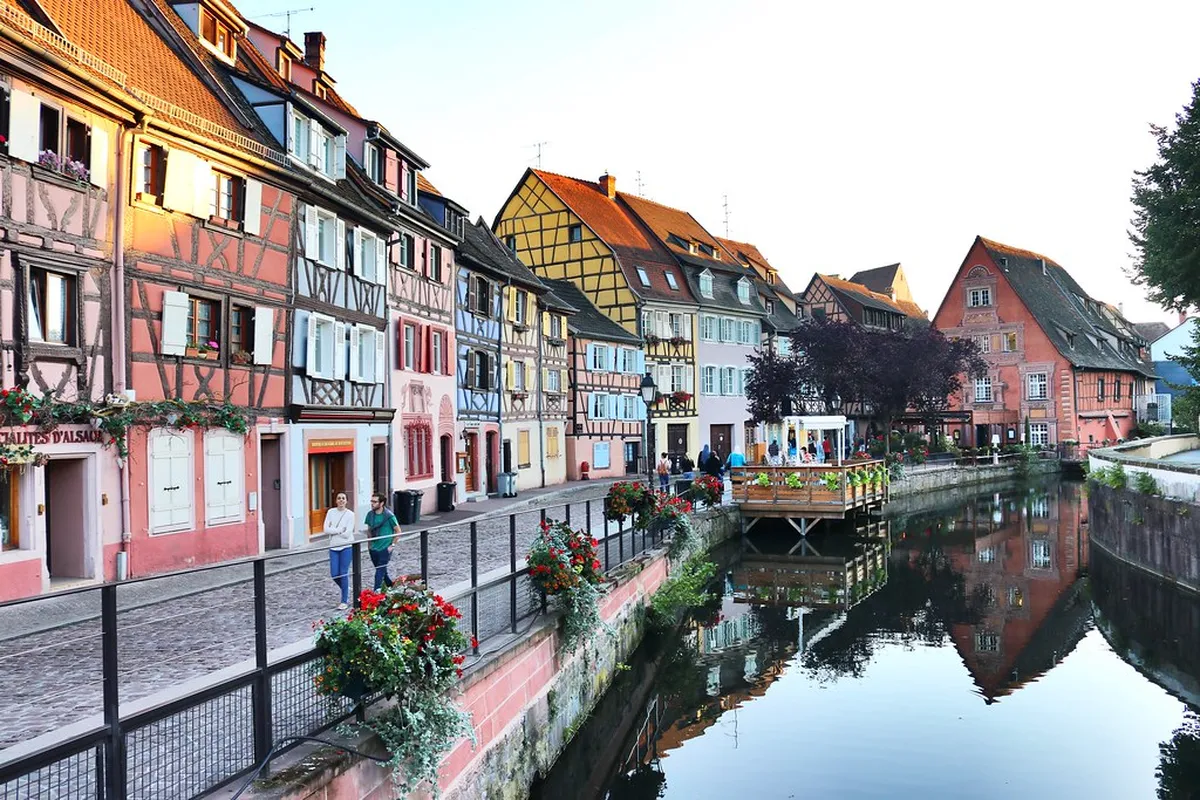
Colmar looks like a storybook illustration come to life. The town features iconic half-timbered houses from the Middle Ages. These structures use wooden frames filled with clay or brick. You can see these colorful buildings throughout the Old Town.
Traditional colmar half-timbered house styles vary by the owner's old profession. Many buildings date back to the 14th and 15th centuries. The vertical and horizontal beams create unique patterns on every street. These designs were both functional and decorative for local merchants.
The colors of the houses often represented different trades in the past. Blue houses might have belonged to timber workers or fishermen. Yellow houses often housed bakers or textile producers. Today, these bright colors attract photographers from all over the world.
Walking through the streets feels like a journey through time. You will notice that many upper floors overhang the narrow streets. This design maximized living space without increasing the ground floor tax. It also protected the lower wooden beams from rain damage.
Renaissance Masterpieces and Elaborate Facades
Renaissance architecture in Colmar shows the wealth of the 16th century. Merchants wanted to display their success through elaborate stone carvings and balconies. The Maison Pfister is a prime example of this artistic period. It was built in 1537 for a wealthy hatter.
This building features a beautiful wooden gallery and painted murals. You can study the maison pfister architectural details from the street for free. The murals depict biblical scenes and portraits of Germanic emperors. Its octagonal turret makes it stand out from neighboring houses.
Another famous landmark is the House of Heads, built in 1609. This building gets its name from 106 small stone heads on the facade. These carvings represent various characters and expressions from the Renaissance era. It currently serves as a luxury hotel and a high-end restaurant.
The architectural details here blend German and French Renaissance styles. Look for the ornate gables and stone mullioned windows on these buildings. These structures survived many wars over the last five hundred years. They remain some of the best-preserved Renaissance sites in Europe.
Gothic Wonders and Religious Structures
The religious buildings in Colmar showcase impressive Gothic engineering and design. Saint Martin’s Collegiate Church is the most dominant structure in the center. Construction on this massive church began in the year 1234. It took over 130 years to complete the main structure.
Visitors can admire many colmar cathedral gothic features while walking around the exterior. The church is built from local yellow limestone from nearby quarries. This stone gives the building a warm glow in the sunlight. Its high arches and flying buttresses are classic Gothic elements.
The roof of Saint Martin's is another artistic highlight of the city. It features colorful glazed tiles arranged in intricate geometric patterns. These patterns are typical of the grand cathedrals found in the Alsace region. The church tower reaches 71 meters into the sky.
Inside, the church feels peaceful and vast with its high ceilings. You can see beautiful stained glass windows dating back to the 14th century. The church is open daily from 8:00 AM to 6:30 PM. There is no entry fee for visitors to explore this site.
The Charm of Little Venice and Waterfront Design
The area known as Little Venice offers unique urban water management styles. This district sits along the Lauch River in the southern old town. Historically, this was the home of wine producers and boatmen. They used the canals to transport goods directly to the markets.
The little venice colmar urban layout creates a very romantic atmosphere. Houses sit right at the edge of the water with flower-filled balconies. Most of these buildings were restored in the late 20th century. They now host charming cafes and small boutique hotels.
You can take a flat-bottom boat tour to see the architecture. These tours cost about 7 Euros per person in 2025. The boat ride lasts approximately 25 minutes on the quiet water. It provides a different perspective of the timber-framed houses.
The Quai de la Poissonnerie is the most famous street in this district. This was the former fishmonger's quarter where fresh fish was sold. The houses here are painted in bright, cheerful shades of pink and green. It is the most photographed spot in the entire city.
German Imperial Influence and 19th-Century Style
Colmar also contains impressive examples of German Imperial architecture from the late 1800s. This period occurred when the region was part of the German Empire. Many administrative buildings were constructed using red and yellow sandstone. These structures look much more formal than the medieval houses.
The colmar railway station prussian design is a key landmark from this era. It was built in 1907 to mimic the style of a castle. The station features a large clock tower and arched entrance halls. It remains a busy hub for travelers arriving from Paris or Strasbourg.
The Court of Appeal is another grand building from the German period. It sits in a leafy district with wide boulevards and large villas. This area shows how the city expanded beyond its medieval walls. The architecture here reflects the power and prestige of the German administration.
Walking through this neighborhood feels different from the cramped streets of the center. The buildings are taller and set back from the main roads. You will see many gardens and decorative iron gates around the houses. This district offers a quiet escape from the main tourist crowds.
Modern Interventions and Museums
The city successfully blends its historic charm with modern architectural innovations. The Unterlinden Museum recently underwent a major renovation and expansion project. This project was designed by the famous architects Herzog & de Meuron. They connected a medieval convent to a new contemporary gallery.
The unterlinden museum architectural design uses an underground gallery for the connection. This allows visitors to move between buildings without seeing modern construction above. The new building features a minimalist brick facade that honors the past. It sits across from the original 13th-century cloister.
Inside the museum, you can see the world-famous Isenheim Altarpiece. The museum is open from 9:00 AM to 6:00 PM most days. Tickets cost 13 Euros for adults in 2025. It is one of the most visited museums in France.
Modern Colmar also focuses on sustainable urban planning and pedestrian zones. Many streets in the center are now closed to car traffic. This helps preserve the delicate wooden structures from vibration and pollution. The city continues to modernize while protecting its unique heritage.
Frequently Asked Questions
What is the best way to see architecture in Colmar?
A walking tour is the best way to see the architecture. Most major sites are located in the pedestrian center. You can also take a boat tour through Little Venice for unique views. Wear comfortable shoes as many streets have old cobblestones.
Why are the houses in Colmar so colorful?
The colors historically represented the trade of the building owner. For example, blue often signified a fisherman or woodworker. Today, the colors are maintained to preserve the town's fairy-tale appearance. Local laws regulate the specific shades allowed for house restoration.
Is Colmar's architecture French or German?
The architecture is a unique blend of both French and German styles. This style is often called Alsatian architecture. You can see German timber framing and French Renaissance stone carvings. This mixture reflects the complex history of the Alsace region.
The architecture in Colmar offers a spectacular journey through European history. From medieval timber frames to modern museum designs, the city is a visual delight. Plan your visit for 2025 to experience this preserved heritage firsthand. For more travel ideas, explore our architecture guides today.
Key Takeaways
- Visit Maison Pfister to see 16th-century Renaissance murals and a wooden turret.
- Explore Little Venice by boat for unique photos of waterfront timber-framed houses.
- The Unterlinden Museum offers a perfect mix of medieval and modern architectural styles.
- Check the colorful roof tiles of Saint Martin’s Collegiate Church for classic Gothic design.