
Exploring Maison Pfister Architectural Details in 2025
Discover Maison Pfister architectural details in Colmar. Learn about Renaissance landmarks in Colmar and plan your 2025 visit to France today.
On this page
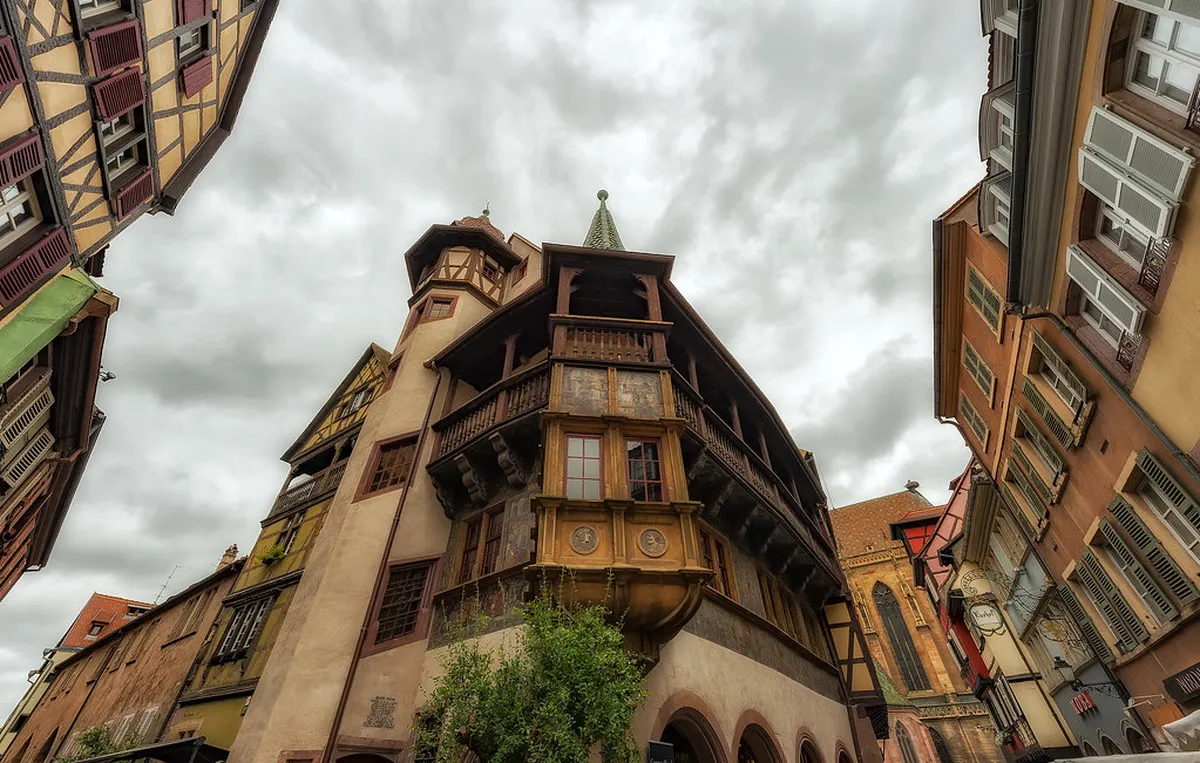
Maison Pfister stands as a crowning jewel of Renaissance architecture in Colmar today. Built in 1537, it remains the city's most iconic historic residence for global travelers. You will find it located at the corner of Rue des Marchands and Rue Mercière. Explore the stunning Maison Pfister architectural details during your next walk through old Colmar. This house is widely considered to be the most beautiful residence in the entire city. Visitors often spend hours admiring the intricate details found on every floor of the building.
The Historical Origins of Maison Pfister
Maison Pfister was commissioned by a wealthy silver merchant named Ludwig Scherer. He wanted to showcase his vast fortune through a grand and unique home. The construction took place in 1537 during a prosperous time for Colmar. This era saw many grand Renaissance landmarks in Colmar emerge in the city center.
Despite its name, the Pfister family did not actually build this famous house. They lived in the residence from 1841 until 1892 and restored the facade. Their long residency led to the building being named after them permanently. Most locals still refer to it by this name in modern times.
The house represents a shift from medieval styles to early Renaissance elegance. It combined traditional Alsatian wood with stone elements from the nearby Vosges mountains. This mixture created a sturdy structure that has lasted for many centuries. Today, it stands as a testament to the city's rich merchant history.
Historical records show that Scherer spent a significant sum on the artistic decorations. He hired the best craftsmen available in the region to complete the work. These artists integrated both religious and political themes into the exterior design. The result was a house that served as a public gallery for citizens.
In 2025, the building remains a private property but allows street-level admiration. You can view the stunning exterior for free at any time of day. It is located at the intersection of two very busy medieval streets. Plan your walk carefully to avoid the heaviest tourist crowds in summer months.
Detailed Mural Paintings and Facade Art
The paintings on the facade are arguably the most famous feature of the house. They were likely created by an artist named Christian Vacksterly during the sixteenth century. These murals cover most of the upper levels with incredible and intricate detail. They survived remarkably well through various wars and weather patterns over several centuries.
You can see portraits of various German emperors on the wooden balcony panels. These figures represented the political ties of the region during that specific era. The artists painted them with distinct clothing and symbols of their imperial power. Each portrait offers a unique glimpse into sixteenth-century fashion and royal status.
The biblical scenes provide a moral guide for everyone passing by the house daily. Stories from the Old and New Testaments appear across the decorative painted bands. You might recognize scenes like the temptation of Eve or other famous parables. These religious elements were common in wealthy homes of the German Renaissance period.
Allegorical figures representing the four evangelists also grace the exterior stone walls. These symbols added a layer of spiritual protection to the merchant's family home. The detail in their faces shows the high skill of early Alsatian painters. Even in 2025, these figures look sharp and full of artistic life.
The colors used in the murals are earthy and historically accurate for the region. Reds, yellows, and deep browns dominate the palette of the entire building facade. Restorers have worked hard to keep these tones consistent with the original work. This preservation helps maintain the authentic feel of the old Colmar town square.
Maison Pfister Architectural Details of the Oriel Window
The two-story oriel window is a standout feature that captures every visitor's eye. It projects from the corner of the building to provide views of the street. This architectural element was a status symbol for wealthy merchants in the Renaissance. It allowed the residents to see approaching customers or visitors from a distance.
The window structure is supported by heavy stone brackets at the first-floor level. Intricate carvings decorate these supports with floral motifs and geometric patterns of the era. The transition from stone base to wooden upper levels is nearly seamless here. This demonstrates the master craftsmanship required to build such a complex residential structure.
A long wooden gallery connects the various sections of the upper floor levels. This gallery features delicate balustrades and carved posts that show high artistic value. It provides a sense of lightness to the otherwise heavy stone and wood building. You can see how the gallery allows for natural light to enter the home.
The combination of these elements creates a vertical flow that draws your eyes upward. Each level offers something new to discover, from carvings to painted religious symbols. The oriel window remains one of the best-preserved examples of its kind in France. Photographers often focus their lenses on this specific part of the beautiful facade.
The Octagonal Turret and Roof Design
An octagonal turret rises high above the street corner of the Pfister house. This tower contains a spiral staircase that connects all levels of the residence. It is topped with a pointed roof that adds a fairytale aesthetic to Colmar. The turret helps the building stand out among the surrounding half-timbered houses.
The roof of the house is covered in traditional Alsatian clay tiles today. These tiles are arranged in a pattern that is typical of the regional style. They provide excellent protection against the snowy winters and rainy autumns of eastern France. The steep pitch of the roof prevents heavy snow from accumulating on the structure.
Small dormer windows peek out from the roof to light the attic spaces. These windows feature their own miniature gables and decorative wooden trim for extra style. They show that even the functional parts of the house received artistic attention. This level of detail is why the building remains a top tourist attraction.
The harmony between the turret and the main roof creates a balanced silhouette. You can see this clearly when standing back at the Rue des Marchands. The tower serves as a focal point for the entire architectural composition of the home. It is a perfect example of vertical Renaissance design in a tight urban space.
Comparing Maison Pfister to Other Colmar Styles
While many homes nearby use Colmar half-timbered house styles, Maison Pfister is unique. It uses significantly more stone in its lower construction than the neighboring medieval buildings. This stone base provided better security and fire protection for the merchant's valuable goods. It also allowed for the complex carvings that wood cannot always support well.
The house is often compared to the House of Heads located just a short walk away. Both buildings represent the peak of Renaissance wealth and artistic expression in old Colmar. However, Maison Pfister focuses more on painted murals while the other focuses on stone sculptures. Seeing both houses on the same day offers a complete view of local history.
Maison Pfister also features more Italian influence in its decorative paintings than other homes. The use of perspective and classical figures shows the spread of Southern European ideas. Traders moving through Colmar brought these new styles from Italy and the German lands. The building acts as a bridge between different European artistic traditions of the time.
The layout of the house is also more complex than the standard rectangular Alsatian buildings. Its corner position required the architect to think about two different street views simultaneously. This resulted in the iconic turret and the winding gallery that we see today. It remains a masterpiece of urban planning within a dense medieval city layout.
Practical Tips for Architecture Photography in 2025
The best time to photograph the house is during the early morning hours. During this time, the sunlight hits the facade directly and highlights the mural colors. You will also find fewer tourists blocking your shot before the local shops open. By noon, the streets become very crowded with walking tours and shoppers.
Use a wide-angle lens to capture the entire height of the octagonal turret. The narrow streets make it difficult to step back far enough for a full shot. You might need to crouch down to get the best angle of the oriel window. Try to include some of the cobblestone street to add texture to your photos.
A Colmar architecture walking tour can guide you to the best vantage points. Guides often know the exact spots where the lighting is perfect at different times. They can also explain the meaning behind specific murals while you set up your camera. This adds depth and context to the images you capture during your visit.
In 2025, many photographers use drones to capture the roof and upper turret details. However, you must check local regulations before flying any device in the old town. The narrow chimneys and wires can make drone flight quite challenging for beginners. Hand-held photography remains the most reliable way to document this stunning historic landmark.
Frequently Asked Questions
Can you go inside Maison Pfister in Colmar?
No, the interior of Maison Pfister is currently a private residence and not open. Visitors are welcome to admire the stunning facade and murals from the public street. There is a wine shop on the ground floor where you can enter briefly. This allows you to see the thickness of the original stone walls from inside.
Where is the best place to see Maison Pfister architectural details?
The best view is from the corner of Rue des Marchands in old Colmar. Stand near the Koifhus building to see the turret and the oriel window together. This spot provides the most comprehensive angle for seeing the painted murals and gallery. It is a short walk from the Saint Martin Collegiate Church in the center.
How old is Maison Pfister and who built it?
The house was built in 1537 by a wealthy silver merchant named Ludwig Scherer. It is nearly 500 years old and represents the transition to Renaissance style. The building was later named after the Pfister family who restored it in the 1800s. It remains one of the oldest and most beautiful examples of civil architecture.
Is there a fee to visit Maison Pfister in 2025?
There is no fee to view the exterior of Maison Pfister as it is public. You can enjoy the architectural details for free while walking through the pedestrian zone. Guided walking tours of the city usually include a stop here for historical explanations. These tours have their own separate costs depending on the specific provider you choose.
Maison Pfister is a must-see destination for any architecture lover visiting Colmar in 2025. Its blend of stone, wood, and vibrant murals creates a unique visual experience for all. Take your time to study the biblical scenes and imperial portraits on the facade. Visit this historic site today to experience the true heart of the Alsatian Renaissance. Do not forget to bring your camera to capture this amazing piece of French history.
Key Takeaways
- Maison Pfister was built in 1537 by Ludwig Scherer and is a Renaissance masterpiece.
- The facade features intricate murals of German emperors and famous biblical scenes.
- The two-story oriel window and octagonal turret are the most iconic structural features.
- Photography is best in the early morning to avoid crowds and get the best light.
Related reads: architecturebycity.com, architecture in colmar, house of heads facade sculptures.