
Architecture in Amboise: A Guide to Loire Gems
Explore the stunning architecture in Amboise from Gothic to Renaissance styles. Plan your 2025 trip with our guide to these French landmarks.
On this page
Amboise is a crown jewel of the Loire Valley. The architecture in Amboise tells a story of royal power. You will find styles from many different centuries here. It is the perfect place for history lovers in 2025. This city served as a home for many French kings. Their legacy remains in the stone and timber buildings.
You can walk through narrow streets filled with medieval charm. Each corner reveals a new piece of architectural history. The city blends Italian influence with classic French design. This mixture makes the local buildings unique and very beautiful. Visitors will enjoy the grand castles and small manor houses. Let us explore the best structures in this historic town.
The Grand Château Royal d'Amboise
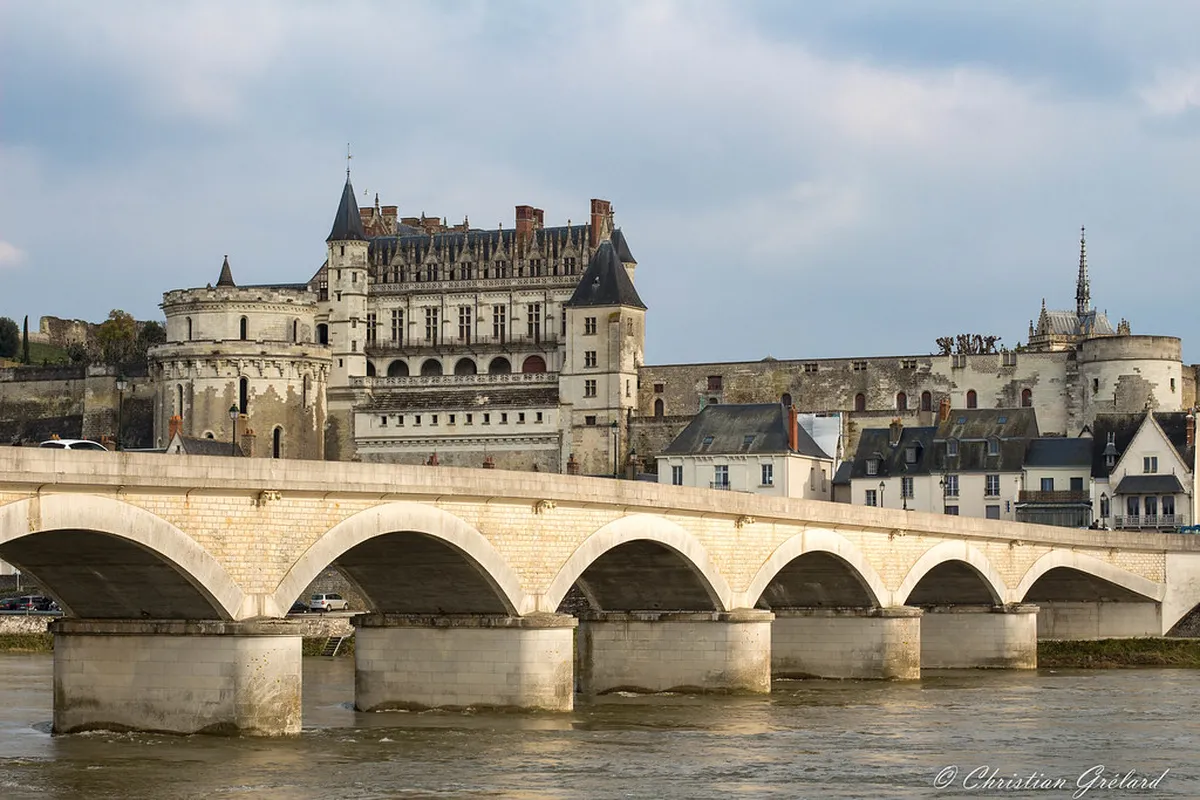
The Château Royal d'Amboise is a very grand sight. It was the heart of the French court for centuries. This fortress transformed into a palace during the Renaissance. You can see these changes in the stone walls today. The castle towers high above the majestic Loire River. It offers the best views of the surrounding valley floor.
King Charles VIII brought Italian artists to this city. They helped design the Château Royal d’Amboise architecture with new styles. These experts introduced classical details to the old fortress. This mix created a unique French look in Amboise. You will see how the building shifted from defense to beauty.
The castle features two main wings from different eras. The Charles VIII wing reflects the Late Gothic style. In contrast, the Louis XII wing shows Early Renaissance influences. You will notice the difference in the windows and roofs. The transition between these two styles is very clear here. Architects find this building very helpful for their studies.
Do not miss the St Hubert Chapel on the castle grounds. It is a stunning example of the Flamboyant Gothic style. The stone carvings are incredibly detailed and very delicate. It remains one of the most beautiful spots here today. Leonardo da Vinci is buried inside this peaceful stone chapel. The tall spire reaches high into the French sky.
Visitors in 2025 should arrive early in the morning. The light hits the white stone perfectly for photos. You can walk through the royal apartments and gardens. The views from the ramparts are truly breathtaking for everyone. Expect to spend at least two hours exploring this site. Entry costs around 16 Euros for most adult visitors.
Clos Lucé and the Renaissance Design
The Clos Lucé is a charming manor made of brick. It sits just a short walk from the castle. This house was the final home of Leonardo da Vinci. It showcases the Clos Lucé design from the late 15th century. The red brick creates a warm look for guests. It feels much more intimate than the royal palace.
The building features many classic French Renaissance architectural elements. You will see tall chimneys and elegant dormer windows. The stone trim around the windows is very detailed. This style was very popular for noble homes back then. The manor is surrounded by lush and green gardens. Leonardo spent his last three years working in these rooms.
Inside the manor, you can see his restored workshop. The rooms feature heavy wooden beams and tiled floors. You will feel like you stepped back in time here. The interior design reflects the daily life of a genius. Every room tells a part of his personal story. It is a very inspiring place for creative visitors.
The basement houses many models of Leonardo's famous inventions. These models show his deep understanding of structural engineering. You can see how he planned bridges and flying machines. The exhibits explain the science behind his artistic vision. Children and adults will find these displays very interesting. It is a great place to learn about history.
Take a stroll through the Leonardo da Vinci park nearby. The park features full-scale models of his technical designs. You can cross a double-deck bridge he once planned. It shows how his ideas were far ahead of time. The landscape design is peaceful and very well maintained. It is a perfect spot for a family walk.
Medieval Timber-Framed Houses of the Old Town
The streets below the castle hide many medieval treasures. You will find many timber-framed houses in Amboise today. These buildings use a construction style known as colombage. They date back to the 15th and 16th centuries. You can see the heavy oak beams on facades. These houses show how common people lived long ago.
Look for houses with jettying on the upper floors. This means the top floors overhang the street below. This design helped protect the lower walls from rain. It also gave the residents a little more space. You can find these charming buildings near the tower. They add a lot of character to the town.
The Rue Victor Hugo features many of these historic homes. Some have been turned into shops and cozy cafes. You can see the original stonework and wood carvings. Preservation efforts keep these buildings in very good condition. It is like walking through a living history book. Take your time to enjoy the small details.
Many of these houses use local tufa stone foundations. The white stone contrasts beautifully with the dark wood. You will see ornate patterns in the timber frames. Some beams are carved with symbols or old patterns. These details show the pride of the early builders. Modern shops still use these beautiful historic spaces.
Walking through the old town is free for everyone. It is best to explore on foot during 2025. You can find hidden courtyards behind the ancient gates. These quiet spots offer a break from the crowds. Photographers will love the textures of wood and stone. The narrow alleys create a very cozy atmosphere.
The Unique Pagode de Chanteloup
The Pagode de Chanteloup stands as a unique monument. It is an 18th-century structure built in Chinoiserie style. The Duke of Choiseul commissioned this impressive stone tower. It is all that remains of his grand estate. The pagoda is seven stories high and very tall. It sits at the edge of a forest.
The design features many elegant balconies and stone stairs. Each level provides a different view of the park. It is a rare example of Chinese-inspired French architecture. This style was very trendy among the French elite. You can see the influence in the roof shapes. The symmetry of the building is very pleasing.
A large crescent-shaped pond sits at the pagoda's base. The water reflects the stone tower on clear days. It creates a very peaceful and scenic environment here. You can rent a small boat for the pond. This allows you to see the tower from water. It is a very relaxing way to spend time.
The pagoda is about 44 meters tall in total. You can climb to the top for amazing views. The stairs are narrow but the reward is great. You will see the Loire River in the distance. The surrounding forest looks like a green carpet below. It is a great spot for aerial photography.
The site is open from April through mid-November each year. Tickets for adults cost about 10 Euros per person. It is a short drive from the city center. You can also reach it by bike very easily. Parking is free and plenty for all visitors. This is a must-see for architecture fans.
Materials and the Use of Tufa Stone
Local tufa stone defines the look of the city. This white limestone is very soft and porous. It is easy for masons to carve into shapes. Most royal buildings in this region use this stone. You can see the tufa stone masonry everywhere you look. It gives the city a bright and clean appearance.
Tufa stone hardens when it is exposed to air. This makes it a very durable building material. However, it can also erode over many long years. You will see restoration work on many old walls. Craftsmen use traditional methods to fix the stone blocks. This helps keep the historic buildings safe today.
The stone was mined from caves in the hills. Many of these old quarries are now wine cellars. You can visit these caves to see the layers. The cool temperature is perfect for storing local wine. Some people even live in houses built in caves. These are called troglodyte dwellings and are very cool.
The mix of tufa and brick is very common. You see this at Clos Lucé and elsewhere. The white stone and red brick look very nice. This combination is a hallmark of Loire Valley style. It shows the clever use of local natural resources. Builders used what they found in the earth.
When you visit in 2025, look at the textures. You will see marks from old hand tools. Modern masons still use similar tools for repairs. This continuity of craft is very important here. It ensures the town keeps its historic charm forever. The stone is truly the soul of Amboise.
Frequently Asked Questions
What is the best way to see the architecture in Amboise?
The best way is to take an Amboise walking tour on foot. Most sites are close together in the center. You can see the castle and town easily. Wear comfortable shoes for the cobblestone streets.
When was the Château Royal d'Amboise built?
The main construction took place in the 1490s. King Charles VIII led most of the work then. It features styles from the Gothic and Renaissance. Later kings added more wings over the years.
Can you visit the interior of the timber-framed houses?
Most timber-framed houses are private homes or shops. You can visit the ones that are businesses. This allows you to see the old beams. Some museums also showcase these ancient building styles.
Amboise is a treasure for fans of historic design. From royal castles to humble timber homes, it has it all. The architecture in Amboise is diverse and very well preserved. You will learn so much about French history here. Plan your visit for 2025 to see these gems. Start your journey by booking a local tour today.
Key Takeaways
- Visit the Château Royal for a mix of Gothic and Renaissance styles.
- Explore Clos Lucé to see where Leonardo da Vinci lived and worked.
- Walk the old town streets to find 15th-century timber-framed houses.