
Pagode de Chanteloup Architecture Guide
Discover the Pagode de Chanteloup architecture in Amboise. Explore this 18th-century masterpiece and plan your perfect trip to France in 2025.
On this page
The Pagode de Chanteloup architecture stands as a rare gem in the scenic Loire Valley today. This 18th-century monument remains the last vestige of a grand estate near the historic city of Amboise. Visitors today marvel at the striking design inspired by far-off Eastern cultures and traditional French styles. This architectural treasure offers a unique look into the eccentric tastes of the French nobility.
Explore this site to understand the blend of local stone and exotic inspiration found in Amboise. The tower rises majestically over the forest of Amboise and offers views of the wide Loire river. You can see how the Duke of Choiseul celebrated his friendships through this tall stone monument. It remains a must-see for anyone interested in architecture in Amboise during their visit.
The History of the Duke of Choiseul’s Legacy
The Duke of Choiseul built this monument between 1775 and 1778 after his dismissal from the court. He wanted to create a lasting tribute to the people who supported him during his political exile. The Duke of Choiseul architectural legacy is most visible within this tall, seven-story pagoda. Each level honors the loyalty shown by his friends during his many years away from Paris.
Originally, a massive chateau stood near the pagoda within a park spanning over four thousand total acres. The chateau was unfortunately demolished in the nineteenth century, leaving only this beautiful tower standing alone today. It serves as a reminder of the wealth and influence once held by the powerful Choiseul family. History buffs will find the stories behind the construction as fascinating as the tower itself during 2025.
The pagoda survived the French Revolution because it served as a useful lookout point for the local military. Many other structures in the region suffered damage, but this stone monument remained largely intact and well preserved. It now stands as a symbol of architectural resilience and the changing political tides of French history. Visitors can walk the grounds to imagine the former grandeur of the lost Chanteloup palace and gardens.
Today, the site attracts tourists from around the world who want to see rare 18th-century French designs. The surrounding forest provides a peaceful backdrop for the white stone tower near the heart of Amboise. You can spend a quiet afternoon exploring the base of the monument and the small nearby museum. The museum offers deeper insights into the life of the Duke and his grand architectural visions.
18th Century Chinoiserie Style in France
The architect Louis-Denis Le Camus designed the pagoda to reflect the popular Chinoiserie trends of the eighteenth century. This style combined classic French architectural elements with exotic decorative features from the Far East and China. The 18th century Chinoiserie style in France was a way for nobles to show their worldliness. It resulted in structures that looked both familiar and wonderfully strange to the local French population.
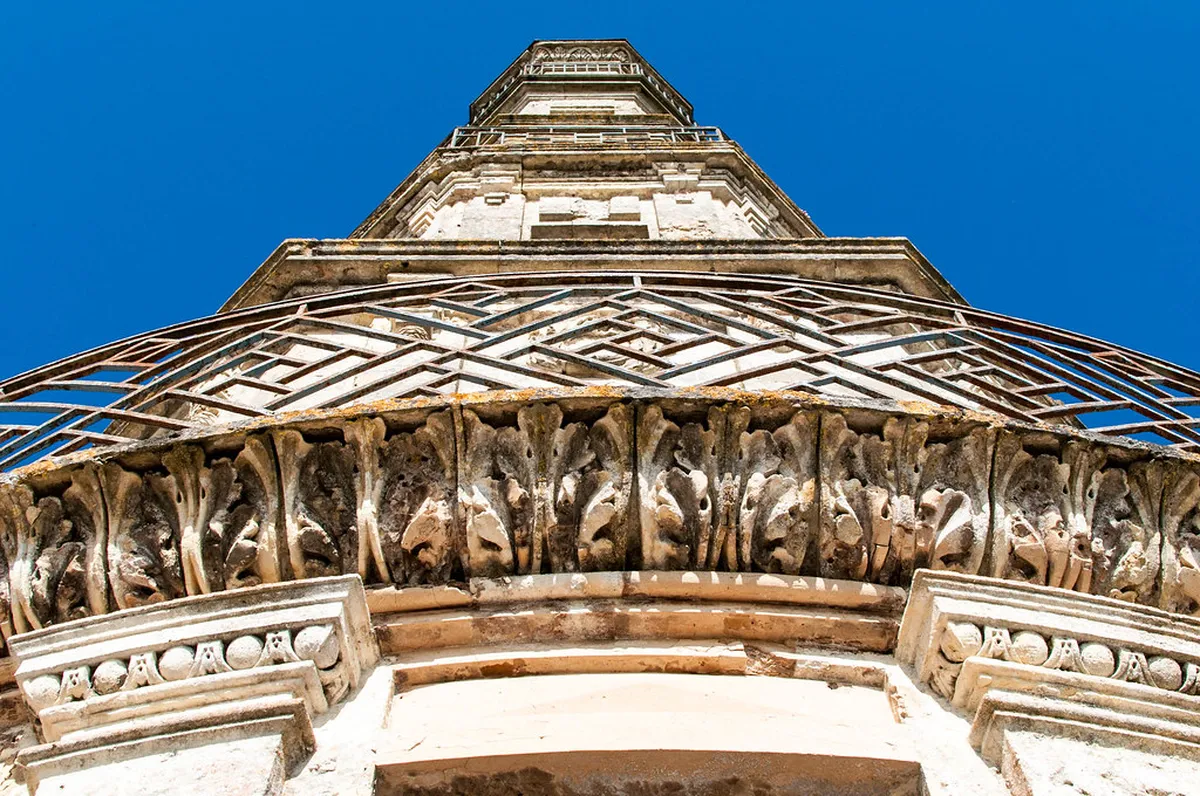
The pagoda features seven distinct levels that narrow as they reach toward the bright blue Loire Valley sky. Each floor is surrounded by a delicate balcony made from locally sourced stone and dark wrought iron. These balconies offer different perspectives of the landscape as you climb higher up the internal spiral staircase. The geometric patterns on the railings reflect the Eastern influence that was so trendy during that era.
While the exterior looks like a Chinese tower, the interior details remain firmly rooted in traditional French classicism. You will find elegant marble floors and fine plasterwork once you step inside the ground floor entrance hall. The blend of styles creates a unique visual harmony that is difficult to find anywhere else in Europe. It represents a period when French designers were looking for fresh inspiration from very distant lands.
Artisans carved intricate details into the stone to mimic the wooden structures found in traditional Asian pagoda designs. These details include stylized rooflines and decorative brackets that support each of the seven stone levels. The craftsmanship required to translate these wooden forms into solid limestone was incredibly difficult for the local builders. This effort shows the high level of skill possessed by 18th-century French stonemasons working in Amboise.
Engineering the Seven-Tiered Stone Structure
Building a forty-four meter stone tower required advanced knowledge of physics and mathematics during the late eighteenth century. The Chanteloup pagoda structural engineering relied on a central core to support the weight of the levels. This core houses a beautiful mahogany staircase that winds its way up to the very top floor. Engineers had to ensure the foundation was deep enough to support the massive weight of the limestone.
The structure is perfectly circular, which helps to distribute the forces of the wind evenly across the walls. Each successive level is slightly smaller than the one below it to maintain a stable center of gravity. This tapering design is a classic feature of pagodas but serves a vital functional purpose here as well. The precision of the stonework ensures that the tower has remained perfectly vertical for over two hundred years.
Inside, the floors are connected by sixteen columns on the ground level that provide essential structural support. These columns are made from high-quality marble and show the influence of neoclassical design in the interior spaces. The transition from the heavy base to the lighter upper stories shows the brilliance of the original architect. It is a masterpiece of both aesthetic beauty and functional engineering for the time period.
Modern architects often visit the site to study how the tower has resisted the elements for so long. The use of interlocking stone blocks provided the necessary strength without the need for modern steel or concrete. You can see the seams where the massive stones meet if you look closely at the exterior walls. This traditional masonry technique is a hallmark of high-quality French construction from the pre-industrial age.
The Materials and Tufa Stone Masonry
The primary material used for the pagoda is the famous white limestone found throughout the Loire Valley region. Local tufa stone masonry allowed for the creation of very fine details on the tower's facade. This stone is soft when first quarried, making it easy for artists to carve into complex shapes. It hardens over time when exposed to the air, creating a durable and long-lasting building material.
The white color of the tufa stone makes the pagoda glow brightly against the green forest of Amboise. In the evening, the setting sun turns the stone a soft golden hue that is perfect for photography. The contrast between the light stone and the dark forest creates a striking visual impact for all visitors. Many nearby chateaus use this same material, giving the entire region a consistent and elegant architectural appearance.
Maintaining the tufa stone requires constant care to prevent erosion from the rain and cold winter frosts. Preservation experts regularly clean the surface to remove moss and lichen that can damage the delicate stone carvings. They use traditional methods to ensure that the historical integrity of the Pagode de Chanteloup architecture remains intact. These efforts ensure that future generations can enjoy the beauty of the tower just as we do.
The ironwork on the balconies was forged by local blacksmiths using techniques passed down through many different generations. These railings have survived the centuries with minimal rust thanks to the high quality of the original iron. The combination of local stone and expert metalwork represents the pinnacle of French craftsmanship in the 1770s. You can feel the history in the cold metal as you lean out to see the view.
Visiting the Pagode de Chanteloup in 2025
Plan your visit for the spring or early summer to see the gardens in their full floral bloom. The site is open daily from April through October, with shorter hours during the cooler winter months. Tickets for adults cost approximately ten euros and include access to the tower and the surrounding park grounds. It is a good idea to arrive early in the morning to avoid the largest tourist crowds.
The climb to the top involves walking up many narrow steps, so wear comfortable shoes for your visit. Once you reach the seventh floor, you will be rewarded with a spectacular view of the entire valley. You can see the spires of Amboise and the distant horizon of the beautiful Touraine countryside from here. This view is considered one of the best in the region for seeing the landscape's layout.
There is a small pond near the base of the pagoda where you can rent traditional wooden boats. Rowing on the water provides a different perspective of the Pagode de Chanteloup architecture from a lower angle. It is a relaxing way to spend an hour after you have finished exploring the interior levels. Families with children will particularly enjoy the wide open spaces and the fun outdoor activities available.
You can find the pagoda just a short drive or a long walk from the center of Amboise. Parking is available on-site for those who choose to drive their own vehicles or take a taxi. Be sure to check the official website for any special events or temporary closures before you start your trip. A visit here is a perfect addition to any architectural tour of the historic Loire Valley.
Frequently Asked Questions
What is the Pagode de Chanteloup architecture style?
The pagoda is built in the Chinoiserie style, which was very popular in 18th-century France. This style blends traditional French neoclassical elements with decorative features inspired by Chinese and Eastern architecture. The result is a unique seven-tiered stone tower with delicate balconies and exotic details.
How high is the Pagode de Chanteloup in Amboise?
The tower stands at a height of forty-four meters above the surrounding park and forest grounds. It consists of seven distinct levels that visitors can climb via a central internal staircase made of mahogany. The top level offers panoramic views of the Loire River and the city of Amboise.
Can you go inside the Pagode de Chanteloup today?
Yes, the pagoda is open to the public and visitors are encouraged to explore the interior spaces. You can climb the spiral staircase to reach the balconies on each of the seven different floors. The ground floor also contains a small museum with historical exhibits about the Duke of Choiseul.
When was the Pagode de Chanteloup built?
The Duke of Choiseul commissioned the construction of the pagoda between the years 1775 and 1778. It was designed by the architect Louis-Denis Le Camus as a monument to friendship and loyalty. It is one of the few structures from that era to survive the French Revolution intact.
The Pagode de Chanteloup architecture is a testament to the creativity and ambition of the 18th-century French nobility. Its unique blend of styles and masterful engineering make it a highlight of any trip to Amboise. Whether you love history or design, this tower offers something special for every traveler to enjoy. Plan your visit today to experience this incredible piece of French heritage for yourself in 2025.
Key Takeaways
- The pagoda is a 44-meter tall masterpiece of 18th-century Chinoiserie style.
- Climb all seven levels for the best views of the Loire Valley landscape.
- The structure was built by the Duke of Choiseul as a tribute to loyalty.
- Visit during the golden hour to see the white tufa stone glow beautifully.
Related reads: architecturebycity.com, chateau royal damboise architecture.