
Architecture in Grenoble: Discover Alpine Design
Discover the stunning architecture in Grenoble in 2025. Explore historic gems, brutalist icons, and sustainable designs. Plan your architectural tour today!
On this page
Architecture in Grenoble offers a unique blend of historical styles and modern innovation for every visitor. This Alpine city showcases centuries of design evolution through its diverse and interesting streets. Visitors in 2025 will find everything from medieval remnants to bold and striking brutalist structures. The surrounding mountains provide a dramatic backdrop for these many diverse architectural masterpieces today. The unique architecture in Grenoble offers all visitors a deep look into centuries of French design.
Walking through the city feels like a wonderful journey through many different and exciting artistic eras. You will notice how the rugged Alpine terrain influenced local building techniques and materials over time. Each neighborhood tells a story about the cultural and political shifts that shaped the region. Exploring these sites provides a better understanding of how the city evolved into a modern hub. This guide explores the most significant landmarks that define the visual identity of the city.
Historic Facades of Old Town Grenoble
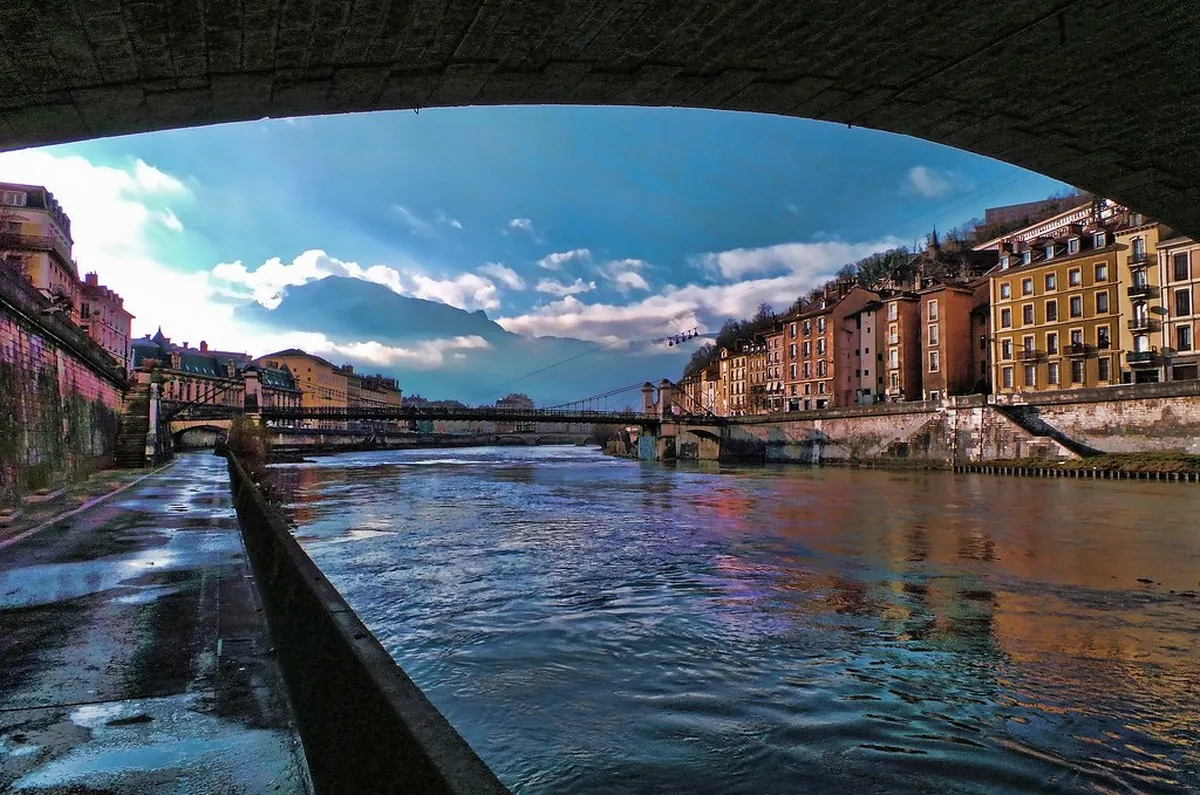
The historical center of Grenoble features many narrow streets and charming 17th-century stone facades. These buildings represent the early urban development of the city before the modern era began. You can see traditional French craftsmanship in the ornate doorways and carved window frames of houses. Many of these structures were built using local materials that have survived for several hundred years. The old town architecture remains a testament to the city's endurance and heritage.
Place Grenette serves as a central hub where various historic styles converge in a single space. The surrounding buildings showcase the elegant proportions common in 18th-century French provincial urban design. Residents and visitors alike enjoy the vibrant atmosphere created by these timeless and beautiful structures. Restoration projects ensure that these historical elements remain preserved for future generations to appreciate and study. The city takes great pride in maintaining the authenticity of its oldest residential and commercial buildings.
Narrow alleys like the Rue Barnave offer a glimpse into the medieval layout of the city center. These passages feature timber-framed elements and overhanging upper floors that maximize space in a tight area. You will find small hidden courtyards that reveal private architectural details not visible from the main street. Each stone tells a story of the merchants and artisans who once lived in these quarters. The preservation of these areas allows us to experience the urban fabric of past centuries today.
Many public squares in the old town are surrounded by buildings with distinct wrought-iron balconies. These decorative features were popular during the 19th century and added a touch of elegance to streets. They reflect the rising wealth of the bourgeoisie during the industrial growth of the local region. Architects used these details to distinguish important residences from more modest worker housing in the area. Today, these balconies remain iconic symbols of the city's historic charm and sophisticated visual character.
The integration of modern shops into these old buildings shows how the city balances history with commerce. Ground floors often feature large glass windows that contrast with the heavy stone walls of the upper levels. This adaptive reuse keeps the historical center alive and functional for the modern population of the city. You can enjoy a coffee while admiring the architectural layers that have accumulated over several centuries. This blend of the old and the new creates a dynamic urban environment for everyone.
Military Might: The Bastille Fortress Design
The Bastille fortress is perhaps the most recognizable example of military architecture in Grenoble and the region. This massive defensive structure sits high above the city and offers incredible views of the surrounding valleys. General Haxo designed the current fortifications during the mid-19th century to protect against potential southern invasions. His innovative use of the natural terrain made the fortress nearly impossible for any enemy to capture. The Bastille fortress history is deeply linked to the strategic importance of the French Alps.
Constructing such a massive stone complex on a steep mountain slope required incredible engineering skills and planning. Workers used local limestone to build thick walls that could withstand heavy artillery fire from distant hills. The design includes a complex system of tunnels and underground rooms for storing supplies and housing soldiers. These architectural features demonstrate the primary focus on functionality and security over aesthetic ornamentation during that era. Exploring the different levels of the fortress reveals the complexity of nineteenth-century military engineering projects.
In the 1930s, the city added the famous spherical cable cars known as Les Bulles to the site. These metallic and glass cabins added a modernist technological layer to the historic stone military fortifications below. They represent a shift from defensive military use to tourism and public recreation for the local people. This addition changed how the public interacts with the architectural heritage of the mountain and the city. The contrast between the heavy stone walls and the light moving spheres is visually quite striking.
The upper terraces of the fortress feature geometric layouts designed for optimal visibility and strategic firing positions. Today, these same areas serve as public plazas and observation decks for visitors from around the world. Architects have carefully converted former military barracks into restaurants and museum spaces for the modern public. This repurposing ensures the site remains useful while preserving its original structural integrity and historic character. It is a prime example of how military sites can transition into successful cultural landmarks.
Visiting the Bastille allows you to see how architecture responds to the extreme challenges of high-altitude environments. The buildings must withstand harsh winter weather and the natural movement of the rocky mountain slope below. Massive retaining walls and clever drainage systems prevent erosion and ensure the long-term stability of the fortress. These technical details are often overlooked but are essential for the survival of the entire architectural complex. The fortress stands as a symbol of human ingenuity in the face of nature's power.
Exploring Brutalist Architecture in Grenoble
The 1968 Winter Olympics triggered a massive wave of construction that introduced bold brutalist architecture in Grenoble. Architects embraced raw concrete and massive geometric forms to express a new sense of modern French identity. This style reflected a desire to break away from traditional designs and embrace industrial power and progress. Many of these buildings still dominate the skyline and spark debate among fans of modern urban design. They represent a specific moment in history when the city was looking toward a bright future.
One of the most famous examples of this style is the Hotel de Ville, or City Hall. Designed by Maurice Novarina, the building features a massive suspended block that seems to float above the ground. The use of glass and concrete creates a rhythmic pattern that is both imposing and very transparent. It serves as a masterpiece of late modernism and continues to function as the administrative heart today. The interior spaces are just as impressive as the exterior with their grand scales and light.
The MC2 Maison de la Culture is another iconic brutalist structure that serves as a major cultural venue. Its heavy concrete pillars and stark facade are softened by the creative use of interior lighting and space. This building demonstrates how brutalism can create functional environments for art and performance in a modern city. The scale of the structure reflects the high cultural ambitions of the city during the late 1960s. It remains a vital part of the artistic life of the local community and visitors.
Residential towers like the Trois Tours in the Ile Verte district showcase brutalist principles on a massive scale. These three identical buildings were once the tallest residential structures in Europe when they were first completed. Their repetitive balconies and vertical lines create a strong visual rhythm that defines the northern part of town. While some find the concrete aesthetic harsh, others appreciate the honest use of materials and bold shapes. They are essential landmarks for anyone studying the history of mid-century urban planning in France.
Maintaining these massive concrete structures presents unique challenges for modern city planners and specialized restoration experts today. Concrete can weather over time and requires specific cleaning and repair techniques to maintain its original structural look. The city is working to preserve these brutalist icons as important parts of its recent architectural history. You can see many successful renovation projects that have refreshed the appearance of these mid-century buildings. These efforts ensure that the Olympic legacy remains a visible part of the city's modern identity.
Olympic Legacy: Post-War Modernism in 1968
The preparation for the 1968 Winter Games completely transformed the urban landscape and infrastructure of the entire city. New roads, bridges, and public buildings were constructed in a very short period to host the world. This era introduced high-tech materials and innovative construction methods that were very advanced for that specific time. The Olympic legacy buildings remain some of the most interesting structures to visit in 2025. They symbolize the rapid modernization of a traditional mountain city into a global destination.
The Alpexpo exhibition center is a prime example of the large-scale structures built for the Olympic festivities. Its wide spans and flexible interior spaces were designed to accommodate massive crowds and various international events. The architectural focus was on creating versatile environments that could serve multiple purposes after the games ended. This forward-thinking approach to urban design has allowed the building to remain useful for many decades. It continues to host major trade fairs and conferences for the entire Alpine region today.
Transportation hubs also received an architectural makeover to handle the influx of international athletes and excited spectators. The main train station was rebuilt with a modern glass and steel facade to welcome visitors efficiently. These designs focused on light and movement to reflect the energy of the sporting events taking place nearby. Even small details like street lighting and public signage were updated to match the new modernist aesthetic. These changes helped create a cohesive visual experience throughout the entire city during the late sixties.
The Olympic Village was designed as a model for modern living with plenty of green space and amenities. Architects wanted to create a community that felt integrated with the surrounding natural beauty of the mountains. The buildings feature large windows and balconies to maximize the views and provide natural light to residents. Today, this area remains a popular residential neighborhood that showcases the success of 1960s urban planning. It proves that modernist design can create comfortable and lasting homes for a growing urban population.
Sustainable Living: The De Bonne Eco-District
Grenoble is a leader in sustainable urban design through projects like the De Bonne eco-district. This award-winning neighborhood was built on the site of former military barracks near the center of town. It integrates energy-efficient buildings with lush green spaces and pedestrian-friendly walkways for a high quality of life. The architecture focuses on reducing the environmental impact of the city while providing modern and comfortable homes. It serves as a blueprint for future urban developments across Europe and the rest of world.
The buildings in De Bonne use advanced insulation and natural ventilation systems to minimize energy consumption throughout the year. Many structures feature green roofs that help manage rainwater and provide insulation for the upper floors naturally. Solar panels are integrated into the designs to generate renewable energy for the residents and local businesses. These features demonstrate how modern architecture can work in harmony with the environment to protect our future. The aesthetic is clean and contemporary with a focus on natural materials like wood and stone.
Public spaces within the district are designed to encourage social interaction and active lifestyles for all residents. Car-free zones and extensive bicycle paths make it easy to move around without relying on polluting vehicles. Large parks and communal gardens provide space for relaxation and urban farming in the heart of the city. This holistic approach to architecture considers the well-being of the people as much as the structures. It has become one of the most desirable places to live in the entire city.
Architects also preserved some of the original military buildings to maintain a link to the history of site. These old stone structures were carefully renovated to house shops, offices, and even a primary school. This blend of historic preservation and cutting-edge sustainability creates a rich and varied architectural texture for visitors. It shows that we do not have to destroy the past to build a greener future. The success of De Bonne has inspired many similar projects in other parts of the city.
Contemporary Spaces: The Musee de Grenoble
The Musee de Grenoble architecture is a stunning example of how modern design can house classical art. Completed in 1994, the building features clean lines and large glass walls that invite natural light inside. The architects designed the galleries to be flexible and spacious to accommodate different types of exhibitions and installations. Its location on the banks of the Isere river adds a serene natural element to the design. The building itself is considered a work of art by many contemporary architecture enthusiasts today.
The museum’s facade uses light-colored stone and glass to create a sense of lightness and modern elegance. This choice of materials allows the building to blend harmoniously with both the river and the mountains. Inside, the sequence of rooms is logical and easy to navigate for visitors of all different ages. The use of natural light is carefully controlled to protect the artworks while enhancing the viewing experience. It is a masterclass in museum design that prioritizes the relationship between the art and the viewer.
An outdoor sculpture garden surrounds the museum and extends the architectural experience into the surrounding urban landscape. Large-scale works by famous artists are placed strategically to interact with the building's geometric forms and shapes. This space creates a bridge between the indoor galleries and the public parkland that lines the river. Visitors can enjoy the intersection of art, architecture, and nature in a single peaceful and beautiful location. It is a favorite spot for photographers looking for unique perspectives of the city's modern side.
The museum also includes a library and an auditorium designed with the same minimalist aesthetic as the galleries. These spaces provide important resources for the local community and host many cultural events throughout the year. The consistency of the design across all functions of the museum creates a unified and professional atmosphere. It demonstrates the city's ongoing commitment to investing in high-quality contemporary architecture for the public benefit. This building remains one of the most prestigious landmarks in the entire Auvergne-Rhone-Alpes region.
Frequently Asked Questions
When is the best time to see the architecture in Grenoble?
The best time to see the architecture is during the spring or fall months. You will enjoy mild temperatures and clear skies that are perfect for a walking tour. The mountains are also most visible and dramatic during these pleasant and clear seasons.
How can I explore the architectural highlights of the city?
You should consider a self-guided walking tour to see the main sites at your own pace. Most of the famous buildings are located within walking distance of the city center. Public trams are also an excellent way to reach more distant brutalist icons quickly.
What is the most iconic building in the city?
The Bastille fortress is widely considered the most iconic architectural landmark in the entire city. Its dramatic location and unique cable cars make it a must-visit for every traveler. It offers a perfect overview of how the city's design has changed over time.
Are there many brutalist buildings in Grenoble?
Yes, the city is famous for its large collection of brutalist and modernist buildings from the 1960s. The 1968 Olympics left a lasting legacy of concrete structures that define several major neighborhoods. These buildings are essential for understanding the modern history of French urban planning.
The architecture in Grenoble is a fascinating tapestry of history, military strength, and modern sustainability for all. From medieval streets to brutalist towers, the city offers a rich visual experience for every visitor in 2025. You can witness the evolution of French design while surrounded by the stunning beauty of the Alps. Whether you love historic stone or raw concrete, this city has something unique to offer you. Plan your visit today to explore these amazing landmarks and discover the hidden gems of Grenoble.
Key Takeaways
- The 1968 Olympics left a massive legacy of brutalist and modernist architecture throughout the city.
- The Bastille fortress is a masterpiece of 19th-century military engineering with incredible Alpine views.
- The De Bonne district is a world-class example of how sustainable design can transform urban living spaces.
- The Musee de Grenoble perfectly blends contemporary glass and stone design with historical art collections.
Related reads: religious sites and cathedrals in grenoble, bouchayer viallet industrial repurposing, modernist works of maurice novarina.