
Architecture in Besançon: A Historic Travel Guide
Explore the stunning architecture in Besançon, from Roman ruins to Vauban's forts. Plan your 2025 visit with our expert guide and see the best sites today!
On this page
Besançon sits within a stunning horseshoe loop of the Doubs River in eastern France. The architecture in Besançon tells a deep story of over two thousand years of history. You will find ancient Roman ruins and UNESCO sites around every narrow corner. Plan your trip in 2025 to see these beautiful stone gems for yourself.
The city's unique layout provides a perfect backdrop for a walking tour of discovery. You can see how military defense shaped the local streets over several centuries. This guide explores the best examples of design and construction in the city. Prepare to be amazed by the diverse styles found in this historic regional capital.
Roman Roots and Ancient Foundations
The city started as the Roman settlement of Vesontio during the reign of Julius Caesar. Ancient ruins still stand proudly in the heart of the modern town center. The Porte Noire is a magnificent triumphal arch dating back to 175 AD. It features intricate carvings that depict various Roman myths and great battles.
Near the arch lies the Square Castan archaeological park for public viewing and relaxation. You can see eight Corinthian columns standing tall among the green park trees. These columns once belonged to a grand Roman theater or a large nymphaeum. Exploring Besançon Roman ruins and monuments reveals the city's ancient power and status.
The layout of the ancient city still influences the modern streets of Besançon today. Roman engineers designed the main axis of the historic center during the first century. This central path remains the spine of the pedestrian district in the current year. Visitors can walk the same routes used by Roman soldiers many centuries ago.
Excavations often reveal new secrets about the Roman history of this beautiful river city. The local museums display mosaics and pottery found during various urban construction projects. These artifacts provide context for the massive stone structures that still remain standing. Seeing these ruins helps you understand the early urban planning of the region.
Vauban's Military Masterpieces
The Citadelle de Besançon is a crown jewel of military design in western Europe. Sébastien Le Prestre de Vauban built this fortress during the late 17th century. It stands high on a rocky hill overlooking the river and the city. The site is now a proud UNESCO World Heritage monument for all to visit.
The ramparts provide incredible views of the red roofs and blue stone buildings below. Massive stone walls surround the entire historic city center to protect the local residents. Vauban designed these defenses to withstand heavy artillery fire from any invading forces. Today, they form a scenic path for local joggers and curious international tourists.
Walking through the Citadelle de Besançon architectural layout is a truly unique experience. You can see the barracks, the deep well, and the beautiful royal chapel. The site hosts museums focused on history, resistance, and the local natural sciences. It costs about 11 Euros for an adult ticket during the 2025 season.
Beyond the Citadelle, other forts guard the surrounding hills of the Doubs valley. Fort Griffon sits on the opposite bank of the river in the Battant district. It was part of the city's complex and layered defensive system for many years. These structures define the skyline and the rugged character of the modern city.
The military heritage is visible in the thick gates and defensive towers around town. Porte Rivotte and Porte Taillée are excellent examples of these sturdy historic entrances. They remind visitors of a time when the city was a vital frontier fortress. Each stone reflects the engineering genius of the famous military architect Vauban.
Renaissance Palaces and Private Mansions
During the 16th century, the city saw a massive building boom for the elite. Wealthy families constructed grand palaces throughout the historic loop of the river. These buildings use the local blue and ochre Chailluz stone for their facades. This stone gives the architecture in Besançon a distinct and colorful visual look.
The Palais Granvelle is the most famous Renaissance structure in the entire city center. It features a stunning courtyard with elegant arched galleries on all four sides. Nicolas Perrenot de Granvelle built it to show his immense wealth and political power. He served as a very high official for the Holy Roman Emperor Charles V.
You can explore the Palais Granvelle courtyard architecture for free during the day. The building now houses the Museum of Time, which is worth a visit. Inside, you can learn about the city's long and famous clockmaking history. The intricate facade remains a highlight of any architectural walking tour today.
Many private mansions hide behind heavy wooden doors in the winding back streets. These "Hôtels Particuliers" often feature hidden inner courtyards and grand stone staircases. Look for the Hotel d'Ancier with its unique Gothic-style tower and pointed windows. These secret spaces offer a quiet escape from the busy modern shopping streets.
Architects in this era focused on symmetry and decorative stone carvings for their clients. You will notice ornate window frames and heraldic shields on many older buildings. These details represent the golden age of the city under Spanish and French rule. They provide a sense of luxury to the narrow streets of the loop.
Ecclesiastical Grandeur and Religious Sites
Religious buildings add another grand layer to the local skyline of the city. Saint-Jean Cathedral is a masterpiece of mixed architectural styles from several different eras. It contains elements from the Romanesque, Gothic, and Baroque periods in one site. The interior feels vast and holds many precious artistic treasures for the public.
One highlight is the Besançon Cathedral astronomical clock design from 1860. It features 70 different dials showing local time, lunar phases, and tides. This complex machine is a wonder of precision engineering and decorative art. Tours of the clock are available for a small fee for visitors.
The Church of Sainte-Madeleine stands in the historic Battant district across the river. It was rebuilt in the 18th century by the talented architect Nicolas Nicole. Its twin towers are visible from almost anywhere in the city center today. The church reflects the prestige of the city during the European Enlightenment period.
Besançon also hosts a rare Moorish Revival synagogue built during the late 19th century. This building features vibrant colors and unique horseshoe arches on its historic facade. It shows the cultural and religious diversity of the local community over time. These varied religious sites enrich the visual landscape for every traveler.
Many smaller chapels and convents are tucked away in the residential neighborhoods. These buildings often feature beautiful stained glass and peaceful cloister gardens for reflection. They highlight the importance of faith in the development of the city's architecture. Each site offers a different perspective on the history of the region.
Contemporary Design and Modern Innovations
Architecture in Besançon is not just about the ancient or medieval past. Modern projects are reshaping the waterfront and the cultural life of the city. The Cité des Arts is a bold and exciting new addition recently. It was designed by the world-famous Japanese architect Kengo Kuma for the city.
This building houses the regional contemporary art collection and the local music conservatory. The facade uses wood and glass to blend with the surrounding nature. It reflects the colors of the Doubs River beautifully throughout the entire day. The roof creates a pixelated pattern against the bright Franche-Comté sky.
Visiting the Cité des Arts Besançon contemporary design offers a very fresh perspective. It stands on the site of a former industrial river port area. This project revived a once-neglected part of the city for all residents. It serves as a modern hub for creativity and public performance.
Other modern structures include the renovated train station area near the city park. Sleek glass and steel designs meet the old stone walls of history. These projects ensure the city stays vibrant for many future generations to enjoy. The mix of old and new is truly striking for photographers.
The city continues to invest in sustainable urban design and new public spaces. New bridges and waterfront paths make the river more accessible to everyone. These modern interventions respect the historic fabric while adding new visual interest. They represent the forward-thinking spirit of the architecture in Besançon today.
The Watchmaking Heritage and Urban Fabric
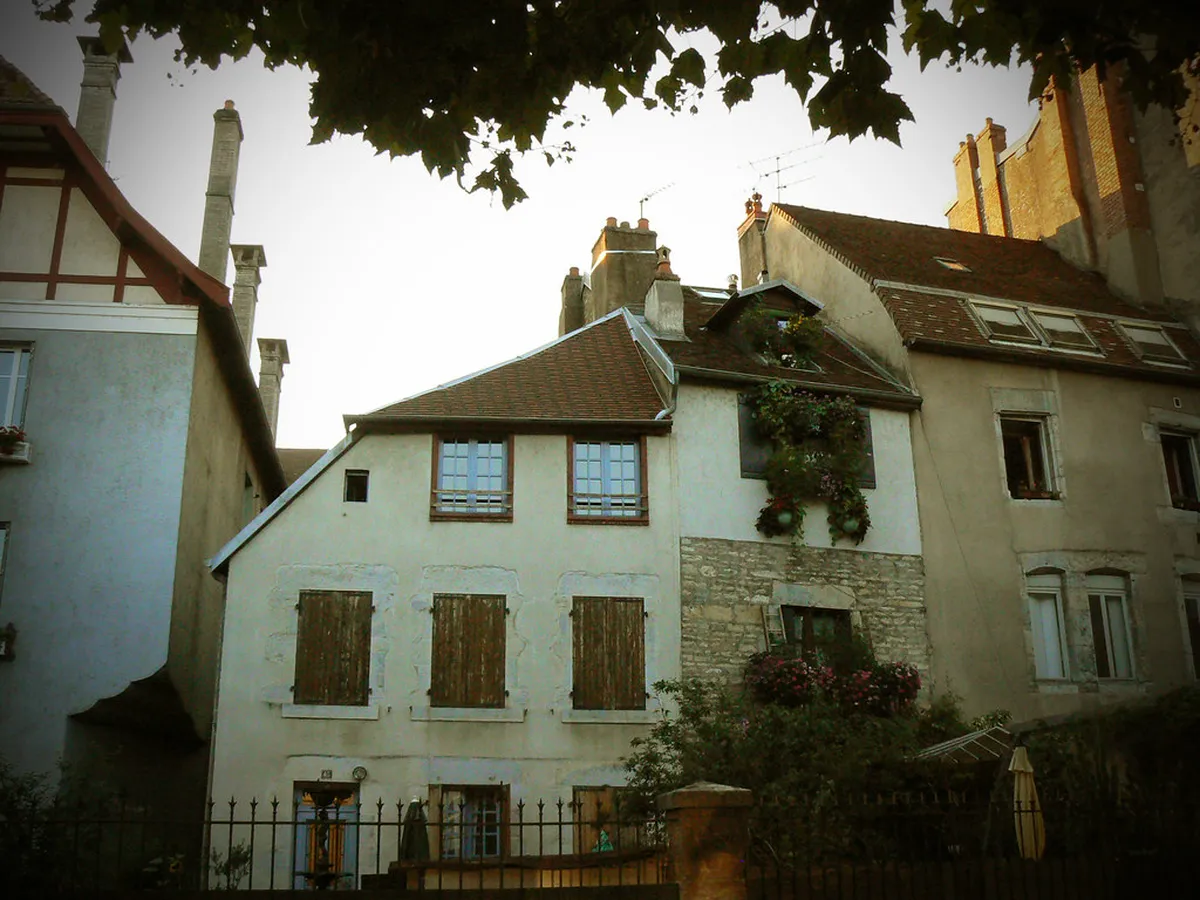
Besançon is known as the historic capital of French watchmaking and precision. This industry shaped the city's urban planning and residential design for centuries. Large windows are common in many historic workshops across the Battant district. These allowed watchmakers to work by bright and natural sunlight during the day.
The watchmaking heritage architecture in Besançon is visible in many local houses. Many buildings were constructed specifically for independent craftsmen and their families. They often had small workshops on the upper floors with great views. You can still see these unique architectural features on a walk.
In the 20th century, the Lip factory became an icon of local industry. This industrial site represents the height of the local economy in history. Its design focused on efficiency and light for the many factory workers. Today, it stands as a monument to the city's industrial past.
The city's observatory is another key site for the local watchmaking tradition. It was built to certify the precision of watches made in town. The building features specific neo-classical elements and impressive dome structures for telescopes. It remains an active center for astronomical research in the current year.
The urban fabric reflects the prosperity brought by the clock and watch trade. Grand avenues and public squares were built to accommodate the growing population. You can see this wealth in the ornate balconies and carved doorways. The architectural details tell a story of precision and high-quality craftsmanship.
Frequently Asked Questions
What is the most famous example of architecture in Besançon?
The Citadelle de Besançon is the most famous site in the city. It is a UNESCO World Heritage site designed by Vauban. This massive fortress offers incredible views and houses several local museums. It is a must-see for any visitor to the region.
Can I visit the Roman ruins in Besançon for free?
Yes, many Roman ruins are located in public spaces for everyone. The Porte Noire and Square Castan are free to view anytime. They are located near the Saint-Jean Cathedral in the historic loop. These sites provide a great look at the ancient city.
Where can I see modern architecture in the city?
The Cité des Arts is the best place for modern design. It was designed by Kengo Kuma and sits by the river. You can also see modern renovations near the main train station. These sites show the contemporary side of the city's growth.
What is the best way to explore the architecture in Besançon?
A walking tour of the historic center is the best way. The area inside the river loop is mostly pedestrian-friendly and compact. You can see Roman, Renaissance, and modern sites within a few hours. Wear comfortable shoes for the hilly paths to the Citadelle.
Architecture in Besançon offers a rich journey through many centuries of French history. You can see Roman arches and modern glass buildings in one day. The city's stone streets are full of hidden beauty and grand designs. Plan your 2025 visit to explore this unique destination in France. Book a tour of the Citadelle and start your architectural adventure today!
Key Takeaways
- Visit the UNESCO-listed Citadelle for amazing views and military history.
- Explore the Porte Noire to see Roman carvings from the second century.
- Look for the blue Chailluz stone used in most historic buildings.
- Check out the Cité des Arts for world-class contemporary Japanese design.
- Don't miss the astronomical clock inside the Saint-Jean Cathedral.