
Cité des Arts Besançon contemporary design Guide
Discover the Cité des Arts Besançon contemporary design in 2025. Explore Kengo Kuma's masterpiece and book your tour of this French icon today!
On this page
The Cité des Arts Besançon contemporary design reflects a bold vision for modern French culture. This stunning building serves as a hub for artistic expression and creative learning. It houses both the regional museum of contemporary art and the local music conservatory. Discovering this site is a highlight of any trip to see architecture in Besançon today.
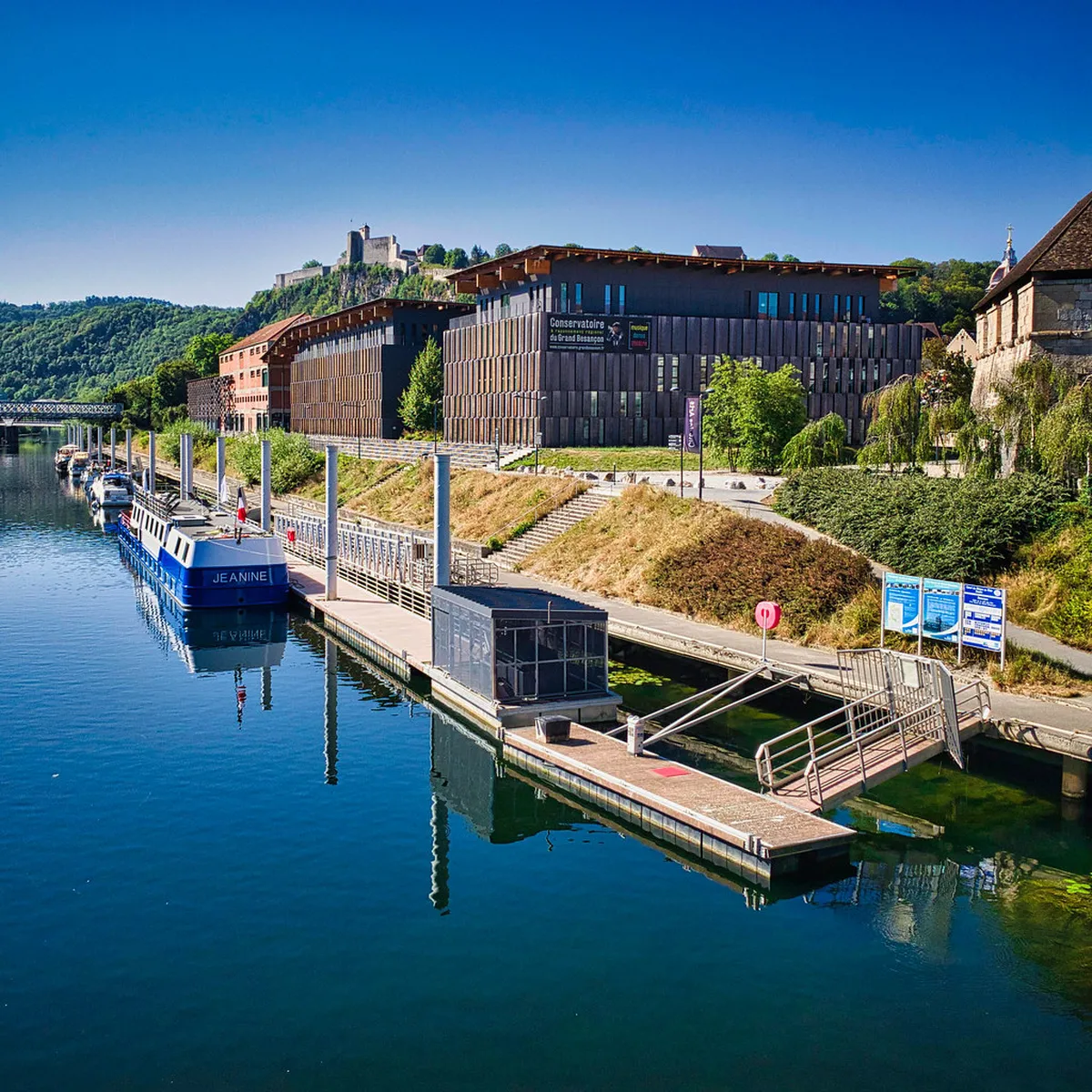
Kengo Kuma designed this structure to blend with the natural surroundings of the Doubs river. The building stands on the site of a former 19th-century river port warehouse. Architects designed the long roof to unify different cultural functions under one single canopy. This canopy features a mosaic of wood and steel panels to regulate sunlight entry.
The Cité des Arts Besançon contemporary design Features
The Cité des Arts Besançon contemporary design emphasizes the importance of natural light and space. Each gallery offers unique views of the historic city and the flowing river nearby. The architect used a technique called pixelation to create a textured and vibrant exterior. This approach ensures the large building does not overwhelm the delicate riverside landscape.
Kengo Kuma is famous for using local materials to ground his projects in their environment. The wood used in the Besançon project honors the timber heritage of the surrounding region. You can learn more about Kengo Kuma architecture in France by visiting his other sites. This building specifically showcases his ability to merge Japanese minimalism with French urban history.
The interior layout promotes a sense of transparency and openness for all visitors today. Wide corridors and glass walls encourage people to explore both art and music together. The conservatory rooms are soundproofed but still feel connected to the main artistic galleries. This design fosters a collaborative atmosphere among the students and professional artists on site.
The roof creates a pixelated pattern that mimics the dappled sunlight through forest leaves. Large glass panels allow natural light to flood the interior galleries throughout the day. This reduces the need for artificial lighting during the sunny summer months in France. Sustainability was a core priority during the entire construction process of this major project.
Innovative Use of Structural Materials
The building utilizes a complex mix of wood, steel, and semi-transparent glass panels. These materials work together to create a light and airy feeling for the visitors. The checkerboard pattern on the facade helps to break up the massive scale of the roof. Experts often discuss the FRAC Franche-Comté building materials when studying this modern landmark.
Steel frames provide the necessary support for the wide spans of the cultural center. Wooden slats offer a warm aesthetic that contrasts beautifully with the industrial steel elements. This combination of materials reflects the transition from Besançon's industrial past to its creative future. The result is a structure that feels both modern and deeply rooted in history.
Engineers carefully selected the glass to provide high thermal insulation for the cold winter months. This choice helps maintain a comfortable temperature inside the music practice rooms and galleries. The facade panels rotate slightly to control the amount of glare inside the art spaces. Such technical details demonstrate the high level of precision required for this complex design.
Walking through the building reveals how the different materials interact with the changing daylight. Shadows dance across the wooden floors as the sun moves over the Doubs river valley. The experience of the architecture changes with the seasons and the time of day. This dynamic quality makes the Cité des Arts a living piece of contemporary art.
Integration with the Doubs Riverfront
The Cité des Arts occupies a prime location along the banks of the Doubs river. This placement connects the modern cultural hub with the historic heart of the city. The project was a key part of the Besançon waterfront redevelopment projects launched a decade ago. It turned an old industrial zone into a vibrant public space for all residents.
The building follows the curve of the river to create a seamless visual flow. Large windows offer panoramic views of the water and the hills beyond the city walls. Visitors can walk along the river path before entering the museum for an afternoon tour. The architecture encourages a slow and thoughtful approach to exploring the local urban environment.
The outdoor spaces around the building host various concerts and art installations during 2025. These public areas serve as an extension of the interior conservatory and art museum. People often gather on the steps to enjoy the view of the river during sunset. The design successfully bridges the gap between private education and public cultural enjoyment.
The green roof on part of the structure helps to manage rainwater runoff effectively. This feature supports the local ecosystem while providing natural insulation for the building below. The integration of nature into the design is a hallmark of Kuma’s global architectural style. It reflects a modern commitment to protecting the environment in an urban setting.
The Role of FRAC Franche-Comté
FRAC Franche-Comté is the regional fund for contemporary art located within the building. It hosts a rotating schedule of exhibitions featuring international and local French artists. The gallery spaces are flexible and can accommodate large-scale installations or small sculptures. Art enthusiasts will find the collection both challenging and deeply inspiring during their visit.
The conservatory shares the building and provides world-class education for music and dance students. This coexistence creates a unique synergy between the visual and performing arts in Besançon. You might hear the faint sound of a piano while viewing a modern painting. This sensory experience is a defining characteristic of the Cité des Arts Besançon contemporary design.
Educational workshops for children and adults are held regularly in the dedicated studio spaces. These programs aim to make contemporary art accessible to everyone in the local community. The staff are knowledgeable and eager to share insights about the current art exhibitions. Engaging with the art on a personal level is encouraged for every visitor.
The library inside the FRAC offers a wealth of resources for those studying modern design. It contains thousands of books on art, architecture, and the history of the region. Researchers and students use this space to deepen their understanding of contemporary creative trends. It is a quiet sanctuary located right in the middle of the busy cultural center.
Visiting the Cité des Arts in 2025
Planning a visit to the Cité des Arts requires some basic practical information for 2025. The center is open from Tuesday to Sunday, with late hours on certain evenings. Entry fees for the FRAC galleries are affordable for students, families, and solo travelers. We recommend checking the official website for the latest exhibition schedule before you arrive.
The building is easily accessible by the local tram system from the city center. Several parking lots are available nearby for those who prefer to drive a car. After your visit, you can explore other Besançon historic monuments located within walking distance. The central location makes it a perfect starting point for a day of sightseeing.
A small cafe on the ground floor serves light snacks and excellent French coffee. It is a great place to rest and discuss the architecture with fellow travelers. The gift shop offers unique books and souvenirs related to contemporary art and design. You can find high-quality prints and local crafts that celebrate the spirit of Besançon.
Guided tours are available in several languages to help you appreciate the complex design. These tours provide deep insights into the construction process and Kengo Kuma’s specific vision. Booking in advance is recommended during the peak summer season to ensure a spot. The expert guides bring the history and architecture of the building to life.
Frequently Asked Questions
Who is the architect of the Cité des Arts Besançon?
The Cité des Arts was designed by the famous Japanese architect Kengo Kuma. He is known for using natural materials like wood and stone in modern ways. His work in Besançon is a prime example of his sustainable design philosophy. You can find more details in our guide to Kengo Kuma architecture in France.
What are the opening hours for the Cité des Arts in 2025?
In 2025, the Cité des Arts is generally open from 12:00 PM to 6:00 PM. These hours apply to the FRAC galleries from Tuesday through Sunday each week. The music conservatory operates on a different schedule for its students and teachers. Always check the official website for holiday closures or special event times.
Is the Cité des Arts Besançon accessible for people with disabilities?
Yes, the building was designed with full accessibility in mind for all visitors. Elevators and ramps provide easy access to all floors and the outdoor riverfront paths. The wide corridors allow for easy movement for people using wheelchairs or strollers. Staff are always available to assist anyone who needs extra help during their visit.
How much does it cost to visit the FRAC art galleries?
The standard ticket price for adults is approximately five Euros for the main galleries. Discounts are available for students, seniors, and groups of more than ten people. Children under the age of eighteen can usually enter the museum for free. Many visitors find the price very reasonable for the quality of the art exhibitions.
The Cité des Arts Besançon contemporary design is a must-see for any architecture lover. It successfully combines modern aesthetics with a deep respect for the local riverside environment. Plan your visit today to experience this masterpiece of light and wood in person. You will leave with a new appreciation for the creative spirit of Besançon in 2025.
Key Takeaways
- Explore Kengo Kuma's innovative use of wood and glass materials.
- Visit the FRAC Franche-Comté for world-class contemporary art exhibitions.
- Enjoy the beautiful riverfront location along the Doubs in Besançon.
- Check the 2025 opening hours before planning your cultural trip.