
Architecture in St-Tropez: A Complete 2025 Guide
Discover the stunning architecture in St-Tropez from historic towers to modern luxury villas. Plan your 2025 Mediterranean design tour with our expert guide today!
On this page
St-Tropez is a world-famous coastal destination that is located along the sunny French Riviera in southern France. The unique architecture in St-Tropez combines traditional fishing village charm with modern luxury styles for visitors to explore. Walking through the historic streets reveals many beautiful buildings that date back several hundred years to ancient times. Planning your architectural tour for 2025 will help you appreciate the rich cultural heritage of this famous port.
The town originally served as a quiet fishing village before it became a popular spot for international celebrities. This transition has left a mark on the local buildings and the general urban layout of the region. You will see a mix of rustic stone houses and glamorous contemporary villas that define the local skyline. Every corner of the town offers a story about the people who built this iconic Mediterranean paradise long ago.
Whether you love historic fortresses or modern minimalist homes, this guide provides all the details you need today. We will look at the most famous landmarks and the hidden gems found in the narrow winding alleys. Understanding the materials and colors used here will deepen your appreciation for the local Provencal style of building. Let us begin our journey through the beautiful streets and squares of this legendary French coastal destination now.
The Ancient Heart: La Ponche District
The district of La Ponche is the oldest part of the town and holds much historic value today. This area was once the main residential zone for the local fisherman who lived by the harbor waters. You can still see the original stone walls that protected the village from the waves of the sea. The narrow streets were designed to keep the homes cool during the hot summer months of the year.
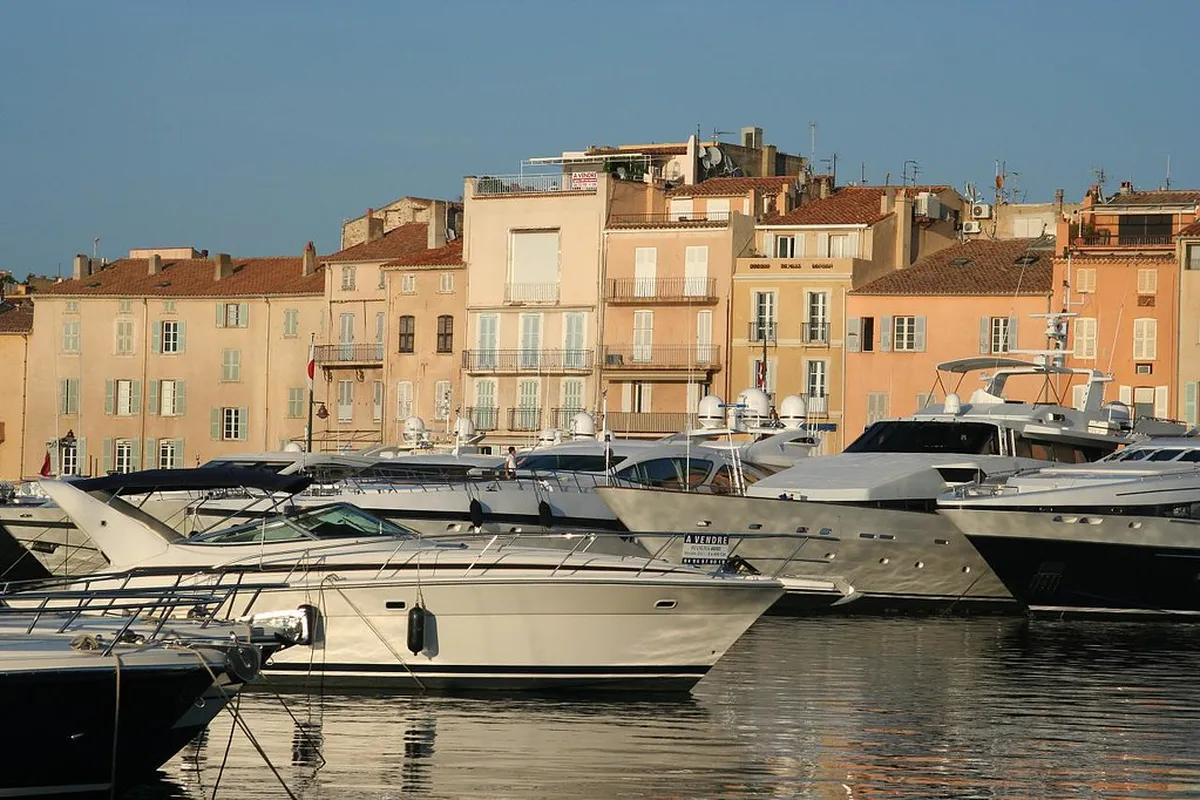
The La Ponche historic district architecture features pastel facades in shades of ochre, pink, and warm yellow. Many of these buildings date back to the sixteenth and seventeenth centuries and have been very well preserved. They represent the classic Provencal style with small windows and heavy wooden shutters to block out the heat. These houses stand as a reminder of the humble beginnings of this now world-renowned luxury travel destination.
Visitors can find charming details like carved stone doorways and small iron balconies as they walk through this area. The district is mostly a pedestrian zone which makes it perfect for a slow and relaxed walking tour. You can see how the buildings lean against each other for support along the narrowest paths of the district. This dense urban layout was essential for defense and creating shade in the bright Mediterranean sun every day.
While walking through La Ponche, look for these specific architectural elements that define the historic local building style:
- Ochre-colored lime wash on exterior walls
- Terracotta roof tiles with weathered textures
- Hand-crafted wooden shutters in traditional colors
- Wrought iron lamps attached to the stone corners
Today these historic buildings house some of the most expensive and exclusive boutique hotels in the entire French Riviera. The interior of many homes has been renovated to include modern luxury while keeping the original exterior charm intact. You should visit early in the morning to see the sun hitting the warm colors of the old facades. This area remains the most authentic part of the town for any fan of traditional European architecture today.
The Iconic Bell Tower and Religious Heritage
The Church of Notre-Dame-de-l’Assomption is the most recognizable landmark in the entire skyline of the coastal town. Its bell tower features bright yellow and red colors that contrast beautifully against the deep blue Mediterranean sky above. This building was completed in the year 1784 and reflects the classic Italian Baroque style of that specific period. It serves as a visual guide for sailors returning to the port from their long journeys at sea.
Inside the church, the architecture is just as impressive with grand arches and detailed statues of various local saints. The Notre Dame de l’Assomption bell tower is a masterpiece of local craftsmanship and religious design. You will find a wood carving of Saint Tropez, the patron saint, which is carried through the streets annually. The liturgical design focuses on creating a sense of peace and reverence for the local community and visitors.
The exterior of the church uses local stone that has been plastered and painted in the signature Tropezian colors. This color palette is strictly regulated by local building codes to ensure the town keeps its unique visual identity. The bell tower itself has a clock face that has helped residents keep time for over two centuries now. It stands as a symbol of the spiritual heart of the village amidst the modern luxury surrounding it.
Entry to the church is free for the public but visitors should respect the ongoing religious services and prayers. It is located on Rue du Clocher which is just a short walk from the busy harbor front area. The church is open daily from 9:00 AM until 7:00 PM for those who want to see the interior. You will appreciate the cool temperature inside the thick stone walls during the middle of a hot summer day.
Many artists have painted this specific tower because of its striking appearance and the way it catches the light. The baroque details around the windows and the roofline show the wealth of the church during the eighteenth century. It remains a focal point for all architectural photography in the region because of its height and vibrant colors. No visit to the town is complete without stopping to admire this beautiful piece of historic religious architecture.
Military Fortifications: The Citadel and Towers
The Citadelle of St-Tropez sits high on a hill overlooking the town and the vast Gulf of St-Tropez. This fortress was built in the early 1600s to protect the coastline from Spanish invaders and various pirate groups. The Citadelle de Saint-Tropez military architecture is characterized by its massive hexagonal keep and thick defensive walls. It is one of the most significant historical monuments in the region and offers a look into military history.
The design follows the principles of early modern fortification which utilized heavy stone and strategic positions for naval cannons. You can walk along the ramparts to see how the soldiers once defended this valuable part of the coast. The main entrance features a grand stone gateway that leads into a large central courtyard for the troops. Today the keep houses the Museum of Maritime History which explains the naval heritage of the local people.
The location of the Citadel was chosen because it provides a 360-degree view of the surrounding land and sea. This was vital for spotting enemy ships long before they could reach the entrance of the busy local port. The architecture is functional and imposing, designed to intimidate any forces that might think about attacking the small village. You can still see the slots in the walls where cannons were once positioned to fire at ships.
When you visit the Citadel, you should take note of these interesting features found throughout the old military grounds:
- The central hexagonal tower with its massive stone base
- The underground storage rooms used for gunpowder and food
- The wide stone ramps designed for moving heavy artillery pieces
- The stunning views of the red-roofed town from the walls
The Citadel is located at 1 Montée de la Citadelle and the entry fee is approximately 4 Euro per person. It is open every day from 10:00 AM until 6:30 PM during the peak summer tourist season in 2025. Walking up the hill to the entrance provides a great workout and many spots for beautiful landscape photography. This site is essential for anyone who wants to understand the strategic importance of this town in French history.
Evolution of Architecture in St-Tropez
The evolution of architecture in St-Tropez shows a transition from simple utility to high-end Mediterranean luxury and modern design. In the early days, buildings were designed primarily to withstand the salty air and the strong Mistral winds of Provence. Modern architects now focus on creating wide open spaces that take full advantage of the beautiful natural light here. You will see many homes that use large glass walls to connect the indoor living areas with outdoor terraces.
The St-Tropez neo-regionalism style became popular in the mid-twentieth century as the town grew in fame. This style uses traditional materials like stone and terracotta but applies them to much larger and more modern floor plans. It ensures that even the most expensive new villas still look like they belong in the historic Provencal landscape. This balance between old and new is what makes the local real estate market so unique and attractive.
Many of the most famous villas are hidden behind large gates and lush gardens on the outskirts of the town. These estates often feature infinity pools that seem to flow directly into the sea on the horizon of the gulf. Architects like François Spoerry have left a major mark on the region by promoting organic urbanism in their designs. His work focuses on making buildings feel like they have grown naturally out of the ground over many years.
While exploring the newer areas, you will notice a trend toward minimalist interiors within these traditional-looking exterior shells. This allows residents to enjoy the comfort of modern technology while surrounded by the historic beauty of the coast. The use of white walls and natural wood inside creates a bright and airy atmosphere for the luxury homes. It is a perfect example of how architecture can adapt to changing tastes while respecting the past.
The local government has strict rules about the colors and heights of new buildings to preserve the iconic village view. This protection ensures that the skyline is not ruined by tall skyscrapers or modern buildings that clash with history. You can see the results of these rules in the harmonious appearance of the waterfront as you arrive. The commitment to maintaining the traditional aesthetic is what keeps the town charming for millions of visitors every year.
The Urban Design of Place des Lices
Place des Lices is the main public square and serves as the social heart of the town for locals. The urban design of Place des Lices is famous for its large plane trees that provide deep shade. These trees were planted many years ago to create a comfortable space for the community to gather every day. The square is surrounded by cafes and shops that feature classic European storefront designs from the early twentieth century.
The ground of the square is covered in a mixture of sand and gravel which is perfect for petanque. You will often see local residents playing this traditional French game while tourists watch from the nearby cafe terraces. This open urban space is a contrast to the narrow and crowded streets found in the old town area. It provides a sense of openness and airiness that is very welcome during the hot summer months in Provence.
Twice a week, on Tuesdays and Saturdays, the square transforms into a vibrant and colorful outdoor market for the public. The architecture of the market stalls is temporary but adds a lively atmosphere to the permanent stone buildings nearby. You can buy local crafts, fresh food, and clothing while enjoying the beautiful setting of the historic town square. This tradition has been a part of local life for generations and continues to thrive in 2025.
The square is also home to several famous cafes like Le Café and Café des Arts which are legendary.
- Le Café: Known for its classic red awning and history
- Café des Arts: A favorite spot for artists and writers
- The Petanque Courts: Where the local masters play every day
- The White Stone Benches: Perfect for resting in the shade
The surrounding buildings feature flat roofs and simple facades that do not distract from the beauty of the trees. Many of these structures have ground-floor commercial spaces with residential apartments located on the upper levels of the building. This mixed-use design is typical of European urban planning and helps keep the town center active at all times. Place des Lices remains one of the most pleasant places to experience the local lifestyle and design.
Port Grimaud: A Unique Architectural Experiment
While not located in the center of town, Port Grimaud is a nearby site that every architecture fan must see. It was designed in the 1960s by the architect François Spoerry as a modern version of a traditional village. The architecture of Port Grimaud is often called the Venice of Provence because of its many canals. Each house is unique and was built with its own private boat mooring right at the front door.
The design uses a variety of colors and styles to make the entire development look like it grew naturally. You will see bridges, small squares, and narrow streets that mimic the layout of much older Mediterranean coastal towns. This was a revolutionary concept at the time and remains a very popular place for luxury living today. It shows how modern planning can create a sense of place and history through careful and thoughtful design.
The houses in Port Grimaud feature terracotta roofs and facades painted in soft pastel colors like peach and light blue. The use of canals instead of traditional roads for transport creates a quiet and peaceful environment for the residents. You can rent a small electric boat to explore the waterways and see the buildings from the water level. This perspective allows you to appreciate the intricate details and the harmony of the entire architectural master plan.
There are several key features that make Port Grimaud a unique destination for those who love coastal urban design:
- The network of navigable canals that replace traditional streets
- The variety of house designs that prevent a repetitive look
- The stone bridges that connect the various islands of the village
- The central church with its modern stained glass and tall tower
Port Grimaud is located only a few kilometers away from the main harbor and is easily reached by car. It represents a successful attempt to create a high-density luxury community that still feels warm and human in scale. The project has inspired many other waterfront developments around the world since it was completed several decades ago. It remains a fascinating example of twentieth-century architectural innovation within the traditional Provencal context of the region.
Frequently Asked Questions
What is the most famous building in St-Tropez?
The Church of Notre-Dame-de-l’Assomption is the most famous building in the town. Its yellow and red bell tower is an iconic symbol of the French Riviera skyline today. You can see this beautiful baroque structure from almost anywhere in the harbor area of the village.
Are there modern villas to see in the area?
Yes, there are many stunning examples of modern luxury villa architecture in St-Tropez located in the surrounding hills. These homes often feature minimalist designs with large glass walls and private infinity pools. They blend modern comfort with the natural beauty of the rocky Mediterranean coastline perfectly.
Is the Citadel of St-Tropez open to the public?
The Citadel is open to the public daily for a small entry fee of about 4 Euro. It houses a maritime museum and offers some of the best views of the town and sea. You should plan to spend at least one hour exploring the walls and the historic keep.
What architectural style is common in the old town?
The old town features a traditional Provencal style with narrow streets and tall stone buildings. Most facades are painted in warm ochre or pastel colors to reflect the local Mediterranean culture. These structures were designed to provide shade and protection from the coastal winds and the summer sun.
The architecture in St-Tropez offers a fascinating journey from a simple fishing port to a global luxury destination. You can explore the historic walls of La Ponche or admire the modern villas hidden in the lush hills. Each building tells a story about the rich history and the bright future of this iconic French village. Planning your visit for 2025 will allow you to see these beautiful sites in person and enjoy the coast.
We hope this guide helps you appreciate the unique design and cultural heritage of this famous Mediterranean port town. Be sure to bring your camera to capture the vibrant colors of the bell tower and the old facades. The mix of history and modern luxury makes this one of the most interesting places for architecture in France. Enjoy your trip to the beautiful and sunny streets of St-Tropez during your next European vacation adventure.
Key Takeaways
- The iconic yellow and red bell tower is the most photographed landmark in the town.
- La Ponche is the oldest district and contains the most authentic historic Provencal architecture.
- The Citadel provides a great example of seventeenth-century military design and offers amazing coastal views.
Related reads: architectural walking tour of st tropez, st tropez architecture photography spots, musee de lannonciade building history.