
Explore Architecture in Angers: A Historic Guide
Explore the unique architecture in Angers. Discover medieval castles and Gothic cathedrals in 2025. Plan your perfect architectural tour through France today!
On this page
Angers is a stunning city located within the beautiful Loire Valley of western France today. Exploring the diverse architecture in Angers is a truly wonderful journey through long French history. Visitors will see a wide variety of historic and modern building styles here this year. The city offers a unique blend of medieval stone fortresses and very elegant Gothic cathedrals.
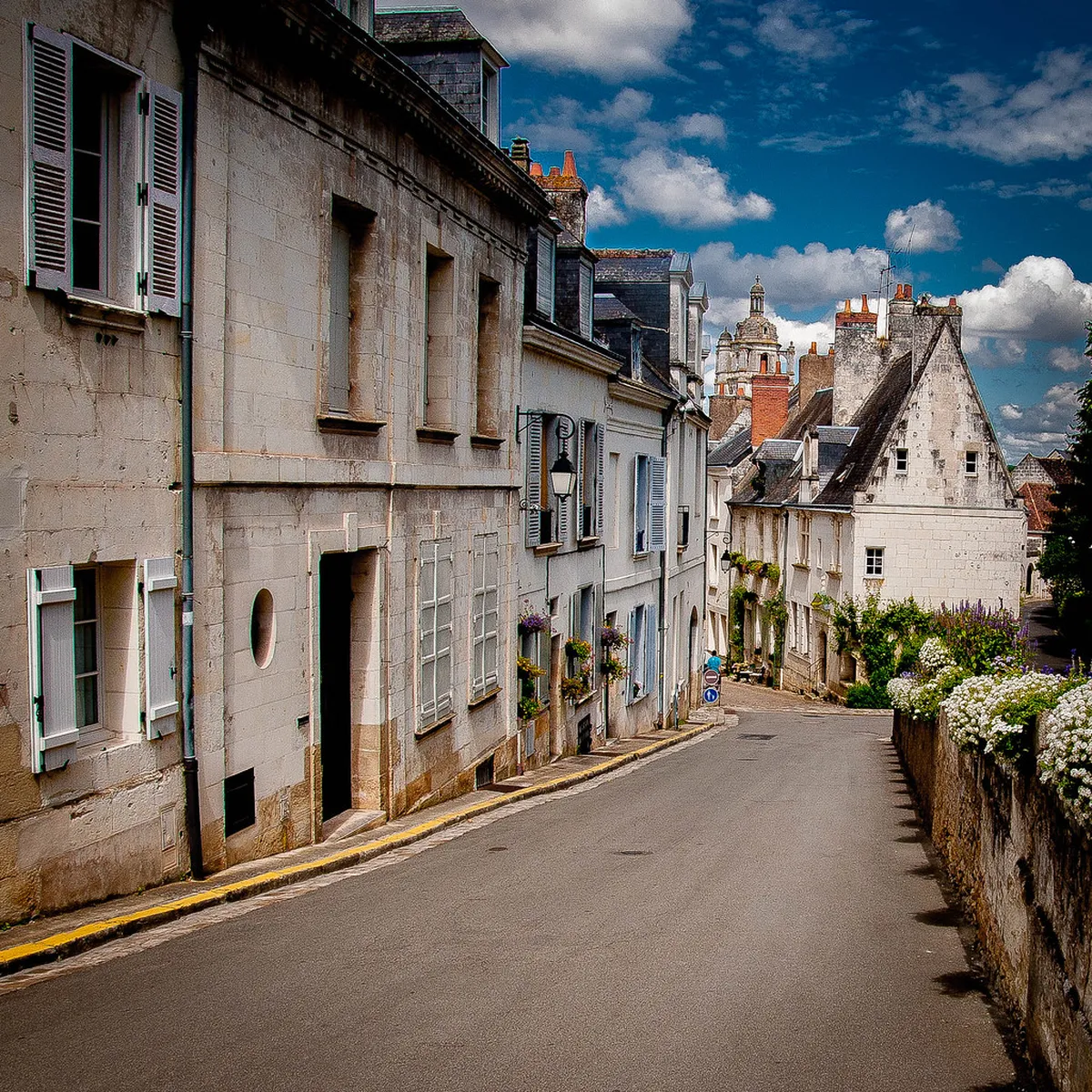
The local buildings often feature dark schist stone mixed with bright white limestone materials naturally. This combination creates a striking visual contrast that is unique to the historic Anjou region. Walking through the city center feels like stepping back into a very distant medieval past. You will find many hidden gems around every corner of the old cobblestone streets.
Planning a visit to this city in 2025 allows you to enjoy many restored landmarks. The local government works hard to preserve the cultural heritage of these very ancient stone structures. You can easily spend several days exploring the different districts and their unique architectural identities. This guide will help you find the most important sites for your next travel adventure.
The Medieval Fortress of Château d'Angers
The massive Château d'Angers dominates the city skyline with its powerful and dark stone walls. This medieval fortress features seventeen large towers built with alternating layers of schist and limestone. These unique materials create a striking striped pattern that visitors can see from the river. It remains one of the most impressive examples of Château d'Angers architectural features found in France today.
The castle walls stretch for nearly half a kilometer along the scenic Maine river bank. Visitors can walk along the high ramparts to enjoy great views of the entire city. You will see the old town rooftops and the modern bridges from these towers. The fortress was originally built to defend the border of the kingdom of France.
Inside the thick walls lies the famous Apocalypse Tapestry gallery with its modern design. This building was created specifically to protect and display the massive medieval wool artworks safely. The gallery uses soft lighting and climate control to preserve the delicate colors and threads. It is currently the largest set of medieval tapestries surviving in the world today.
The castle grounds also feature beautiful gardens and a small chapel for historic royal residents. You can explore the neat rows of flowers and the traditional herb gardens inside walls. The chapel displays elegant stone carvings that reflect the wealth of the Dukes of Anjou. Walking through these spaces allows you to experience the life of medieval French royalty.
Ticket prices for visiting the castle should remain around eleven euros during the year 2025. We recommend arriving early in the morning to avoid the largest groups of daily tourists. Audio guides are available in several languages to help you understand the long castle history. The site is mostly accessible for visitors with limited mobility via modern ramps and elevators.
The Unique Angevin Gothic Style
The Saint-Maurice Cathedral is a prime example of a very specific local architectural style today. Architects call this unique look the Gothique Plantagenêt or simply the Angevin Gothic style. It features highly curved and elegant ribbed vaults that make the interior feel very light. This design allows for larger windows that fill the massive space with soft natural light.
The facade of the cathedral displays a mix of Romanesque and Gothic stone elements naturally. Look up to see the twin spires reaching high into the bright blue French sky. These towers were completed during the 16th century to give the building its iconic shape. You can see many detailed sculptures of saints and kings around the main stone portal.
Inside the cathedral, the stained glass windows date back to the early 12th century period. These windows are among the oldest and most beautiful examples in all of France today. The vibrant colors create amazing patterns on the stone floors when the sun shines through. It is an essential stop for anyone interested in Saint-Maurice Cathedral architecture and history.
The interior also houses a grand organ and many historic religious paintings from different centuries. Visitors can attend regular services or simply sit and enjoy the quiet and peaceful atmosphere. The building represents the spiritual heart of the city and its long-standing religious traditions. Entry to the main cathedral area is free for all visitors throughout the entire year.
- Ribbed Vaults: Highly curved structures that create a sense of height and space.
- Stained Glass: Ancient windows featuring deep blues and reds from the medieval era.
- Twin Spires: Iconic towers that define the city skyline for many miles around.
- Stone Sculptures: Detailed carvings representing biblical figures and historic kings of France.
Timber-Framed Houses and the Maison d’Adam
Walking through the city center reveals many historic timber-framed buildings from the middle ages. These wooden structures date back to the late 14th and 15th centuries in Angers. The most famous example of this style is the wonderful Maison d’Adam on the square. It stands right next to the cathedral and is a favorite spot for many photographers.
The Maison d’Adam features many intricate wood carvings that decorate the entire exterior wooden facade. You can see figures of people and strange mythical animals carved into the dark wood. Some carvings represent biblical scenes while others show the daily life of ancient local residents. It remains one of the best-preserved medieval houses in all of western France today.
Angers has dozens of other historic half-timbered homes located within the small surrounding streets. Many of these buildings now house small specialty shops or cozy local coffee houses. Detailed restoration projects help keep these ancient wooden structures safe and very strong for tourists. You can learn more about the Maison d’Adam history and carvings during your walking tour.
The use of wood was very common during the medieval period for building city houses. Builders used oak beams and filled the gaps with a mixture of clay and straw. These houses were built very close together to save space inside the city walls. They add a great deal of character and charm to the modern city center today.
Visitors should take the time to look closely at the details of these wooden beams. You will find small faces and geometric patterns hidden within the dark timber structures. Many of these houses have survived fires and wars over several hundred years of history. They offer a rare glimpse into the daily lives of people from the past.
Historic Charm in the La Doutre District
Cross the Maine river to find the quiet and charming La Doutre district today. This historic area feels like a small village hidden inside the larger modern city. It contains many private mansions built during the 17th and 18th centuries for wealthy families. You will find hidden courtyards behind large wooden doors along the quiet paved streets.
The Hôpital Saint-Jean is a major landmark located within this very historic part of town. It was built in the 12th century to serve as a medieval hospital for people. Today, it houses the impressive Jean Lurçat tapestry museum inside the ancient Great Hall. The room features many beautiful and slender Gothic pillars that support the high stone ceiling.
Strolling through this district reveals a very different side of the architecture in Angers today. The streets are much narrower and feel very peaceful for walkers and curious tourists. Many houses use local dark slate for their rooftops to create a classic French look. It is the perfect place to explore La Doutre district architecture at your own slow pace.
The district also features several old churches and small squares with local French bakeries. You can sit outside and enjoy the view of the river and the castle. Many local artists live in this area and keep their small studios in historic buildings. It is a wonderful place to find unique souvenirs and handmade local craft items.
We recommend visiting the public gardens near the river for a relaxing afternoon break. These green spaces offer a great view of the medieval bridge and the old city. The district is less crowded than the main center and offers a very authentic experience. Make sure to bring your camera to capture the beautiful stone walls and flowers.
19th Century and Contemporary Architecture in Angers
Angers changed significantly during the 19th century as the city expanded beyond its old walls. New wide boulevards replaced the ancient city ditches and defensive stone walls during this time. Large stone buildings with Haussmann influences appeared to offer a sense of grandeur and scale. These structures feature elegant balconies and large windows that overlook the busy city streets.
Contemporary design is also thriving within the city center and the new districts today. The Le Quai theatre is a bold glass and concrete structure on the river bank. It stands prominently as a symbol of modern culture and artistic life in the city. This building hosts many modern art shows and theater events for the local community.
Angers focuses on eco-friendly urban development as it plans for a very sustainable future. You will see green roofs and living walls on several of the newest office buildings. The city aims to blend nature with modern glass facades to create a healthy environment. Exploring contemporary architecture in Angers shows how the city is evolving today.
The new tramway line also features modern stations that fit into the historic city surroundings. These designs use glass and metal to create a clean and functional urban look. They allow people to travel quickly between the old center and the modern residential areas. This balance of old and new makes the city very special for all residents.
Many historic buildings are being converted into modern lofts and creative office spaces today. This practice helps to preserve the old stone while providing modern amenities for people. You can see these transformations in the former industrial areas near the main train station. It is an exciting time to see how the city builds its future.
Frequently Asked Questions
What is the most famous building in Angers?
The Château d'Angers is the most famous landmark in the city today. It is known for its seventeen massive towers and the historic Apocalypse Tapestry. Visitors can explore the ramparts and enjoy panoramic views of Angers architecture from the top.
Can you visit the timber-framed houses inside?
Most timber-framed houses in the city center are now private shops or local cafes. You can enter many of them to see the interior wooden beams and designs. The Maison d'Adam often hosts local art exhibitions that are open to the public.
Is Angers a good city for walking tours?
Angers is a very walkable city with many pedestrian zones in the old center. Most architectural sites are located within a short distance of each other for convenience. Walking allows you to see the small details on the historic stone and wood.
When is the best time to see the architecture?
Spring and fall offer the best light for photographing the historic stone buildings. The weather is usually pleasant for walking through the different city districts in 2025. Summer brings more tourists but all the major monuments remain open every day.
Angers offers a perfect mix of ancient history and modern design for every visitor. You can see massive fortresses, elegant cathedrals, and bold modern theaters in one day. The architecture in Angers tells a long and fascinating story of French culture and growth. We recommend following a professional Angers architecture walking tour itinerary for the best experience. Start your journey in the historic center and discover the magic of this city today.
Key Takeaways
- Visit the Château d'Angers to see the unique striped towers and tapestries.
- Explore the Maison d’Adam to see the best medieval wood carvings in France.
- Walk through the La Doutre district for a quiet and authentic historic atmosphere.
- Look for the unique Angevin Gothic vaults inside the Saint-Maurice Cathedral.