
Architecture in Blois: A 2025 Travel Guide
Explore stunning architecture in Blois. Discover royal castles and medieval streets in 2025. Start your French architectural journey today!
On this page
Blois is a historic gem located in the heart of the Loire Valley. The architecture in Blois tells a rich story of French history and royal power. You will see medieval walls, Renaissance mansions, and classical palaces. This 2025 guide explores the best sights for design lovers.
Walking through Blois feels like visiting an open-air museum. Every street offers a different perspective on centuries of building techniques. The city overlooks the wide Loire River, adding to its scenic beauty. You can enjoy various styles within a short walking distance. Many travelers overlook this city for larger hubs, which is a mistake.
The city has preserved its historic core remarkably well. You will find narrow alleys and grand public squares side by side. Each corner reveals a new detail from the Gothic or Renaissance era. This guide provides practical tips for visiting architectural sites in Blois this year. Prepare to be amazed by the diversity of local structures.
The Evolution of the Royal Château de Blois
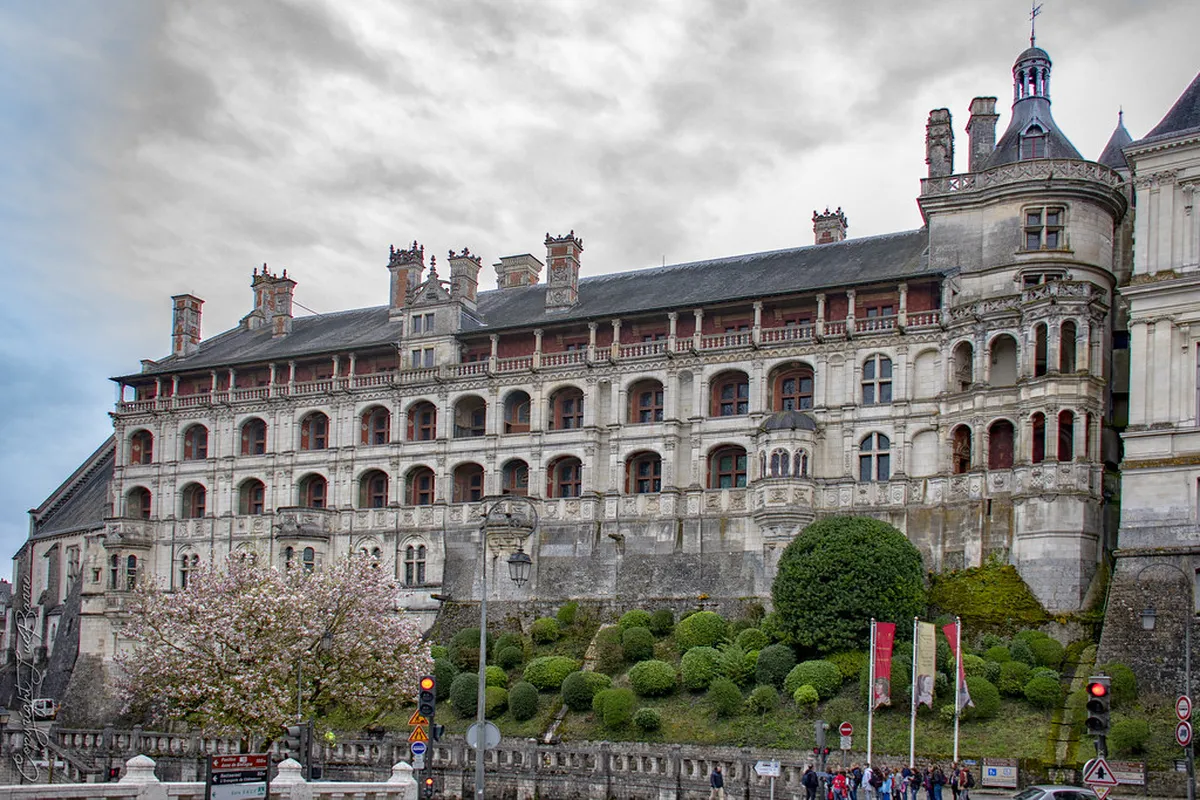
The Royal Château is the center of local history. It features four distinct styles in one single courtyard. You can see the evolution of architectural styles in Blois right here. Each wing reflects a different era of French royalty. This unique mix makes it a world-class monument.
The Louis XII wing shows Flamboyant Gothic features. It was built between 1498 and 1501 using red brick and stone. You will notice the king's hedgehog emblem carved into the walls. This wing houses the Fine Arts Museum of the city today. Tickets for the castle cost around 15 Euros per adult.
The Francis I wing represents the height of the French Renaissance. It includes the famous Francois I staircase architecture known worldwide. This open-work spiral staircase is a true masterpiece of stone carving. It allowed people to see and be seen from the courtyard. The intricate details reflect Italian influence on French design.
The Gaston d’Orleans wing brings a classical touch to the site. It was designed by the famous architect Francois Mansart in the 1630s. You will see the classical design of Blois through its symmetry. The wing features a grand staircase with a double-flight design. It remains an unfinished project but remains visually stunning.
Medieval Timber and Historic Stone Alleys
Walk through the narrow streets of the old town center. Many buildings date back to the 15th and 16th centuries. You can spot several medieval half-timbered houses in Blois today. These structures use ancient oak frames filled with plaster or brick. They give the city its charming and rustic character.
Look for the Maison des Acrobates near the Cathedral. It is one of the oldest residential homes in the city. The timber carvings show funny characters and acrobatic performers. It is free to view these historic facades from the public street. This area is perfect for morning walks before the crowds arrive.
The streets around the castle feature steep stairways and stone steps. These alleys were designed to navigate the city's hilly topography. You will find small hidden courtyards tucked behind heavy wooden doors. Many of these spaces have been restored by local owners. They keep the medieval atmosphere alive in the modern day.
The stone used in Blois is primarily local tuffeau limestone. This soft, white stone allows for very fine decorative carvings. You can see it on the window frames of older townhouses. It glows with a golden hue during the late afternoon sun. This material defines the look of the entire Loire Valley.
Classical Grandeur and Riverfront Engineering
The 18th century brought major changes to the city's layout. The Jacques Gabriel Bridge is a prime example of period engineering. It was completed in 1724 to replace an older wooden bridge. This stone structure has eleven arches and a tall central cross. It provides a vital link across the Loire River.
Walking across the bridge offers a panoramic view of the skyline. You can see the castle and cathedral from the water's edge. The bridge design allows for high water levels during seasonal floods. It is a robust example of classical public works in France. Visit at sunset for the best photography opportunities.
The quays along the river also feature impressive stone walls. These were built to protect the city from the rising river. They create a beautiful promenade for locals and tourists alike. You can find several cafes with views of the historic bridge. It is a relaxing spot to enjoy the local scenery.
The Denis Papin stairs are another iconic classical feature. This grand staircase connects the upper and lower parts of town. It is often decorated with colorful art or seasonal flowers. The top of the stairs offers a clear view of the bridge. It is a favorite spot for travelers to take photos.
Religious Landmarks and Gothic Spires
Religious architecture is very prominent throughout the city skyline. The Cathedral of Saint-Louis towers over the eastern district. Its facade mixes different styles from several centuries of construction. You can learn about Blois religious architecture by visiting its quiet interiors. The stained glass windows are modern but very beautiful.
The Abbey Church of Saint-Nicolas is another must-see site. It features a blend of Romanesque and Gothic architectural elements. The church was part of a large Benedictine monastery complex. You will find it near the base of the castle hill. Entrance is free for all visitors during the day.
Inside the church, look at the carved capitals on the columns. They show biblical scenes and intricate floral patterns from the past. The high vaulted ceilings create a sense of grand space. The acoustics inside are perfect for occasional choir performances. It is one of the most peaceful spots in Blois.
The Church of Saint-Vincent-de-Paul offers a different style of design. It features a bright and ornate Baroque interior from the 1600s. The facade is located right across from the castle entrance. It represents the Jesuit influence on French religious buildings. The red and white stone patterns are quite striking.
Modern Design and Scenic Urban Viewpoints
Blois also looks toward the future of urban design. The Fondation du Doute is a unique contemporary art space. it blends modern installations with a 19th-century school building. This project shows how old spaces can serve new purposes. It is located just a short walk from the town hall.
The city has invested in quality public spaces recently. You will find clean parks and well-maintained terraced gardens. These areas offer the best architectural viewpoints in Blois for travelers. The Terrasses de l'Evêché provide a full view of the river. It is a great place to rest after a day of walking.
Modern residential areas sit on the outskirts of the old town. They follow traditional height limits to preserve the city's silhouette. Architects use light-colored stone to match the historic tuffeau buildings. This creates a sense of harmony between the old and new. The city feels cohesive rather than a mix of styles.
The night illumination of the city is also very impressive. Lights highlight the castle walls and the cathedral spires after dark. This lighting design helps visitors appreciate the structures at night. It transforms the city into a magical landscape during evening walks. Most monuments stay lit until midnight during the summer.
Frequently Asked Questions
What is the most famous building in Blois?
The Château de Blois is the most famous building. It is known for its four different architectural styles. You can see the evolution of French design in one courtyard. It was the residence of seven French kings.
Are the historic sites in Blois walkable?
Yes, most architectural sites are located in the city center. You can easily walk between the castle and cathedral. Be prepared for some steep stairs and hilly streets. Wear comfortable shoes for the cobblestone paths.
Is there a fee to see the architecture in Blois?
Walking the streets and viewing facades is entirely free. You must pay a fee to enter the Royal Château. Most churches are free to enter during the day. Guided tours of the city usually have a small cost.
When is the best time for architecture photography?
The golden hour before sunset is the best time. The tuffeau stone glows beautifully in the soft light. The bridge offers great views of the city at this time. Early morning is also good for avoiding large crowds.
Blois is a destination that every architecture lover should visit. Its blend of royal history and local charm is unique. You can see how French design changed over five centuries here. Plan your trip in 2025 to experience these wonders in person. The city offers a peaceful and educational escape in France.
Key Takeaways
- Visit the Château de Blois to see four distinct styles.
- Walk across the Jacques Gabriel Bridge for panoramic city views.
- Look for the Maison des Acrobates in the medieval quarter.
- Photography is best during the late afternoon golden hour.
- Most religious sites are free to enter for the public.