
Architecture in Bastia: A Guide to Corsican Gems
Explore the stunning architecture in Bastia. Discover Genoese citadels and Baroque churches on your 2025 French holiday. Plan your walking tour today!
On this page
Bastia stands today as a truly stunning historical gem on the rugged island of Corsica. The architecture in Bastia reflects a very rich and complex Genoese heritage from past centuries. You will find many towering tenements and ornate churches throughout this vibrant port city. Exploring these winding streets reveals fascinating stories of power and faith from the ancient past.
This coastal city offers a unique blend of Italian style and traditional French elegance. Visitors in 2025 can admire grand palaces and humble fishing cottages in the same afternoon. Every corner of the town tells a different story through its unique stone and wood. Let us dive into the magnificent structures that make this city a Mediterranean treasure.
The Tall Tenements of Terra Vecchia District
Terra Vecchia represents the oldest and most atmospheric part of the city near the water. This district features the famous tall tenement houses of the old port area. These narrow buildings often reach seven or eight stories high into the bright blue sky. They create a dramatic vertical landscape that defines the local skyline for all visitors.
The urban layout here follows ancient medieval paths and very narrow, winding stone alleys. Walking through these lanes feels like stepping back into the seventeenth century for a moment. You will notice laundry hanging from green-shuttered windows high above the busy street level. This authentic atmosphere makes the old harbor district feel very special and historic today.
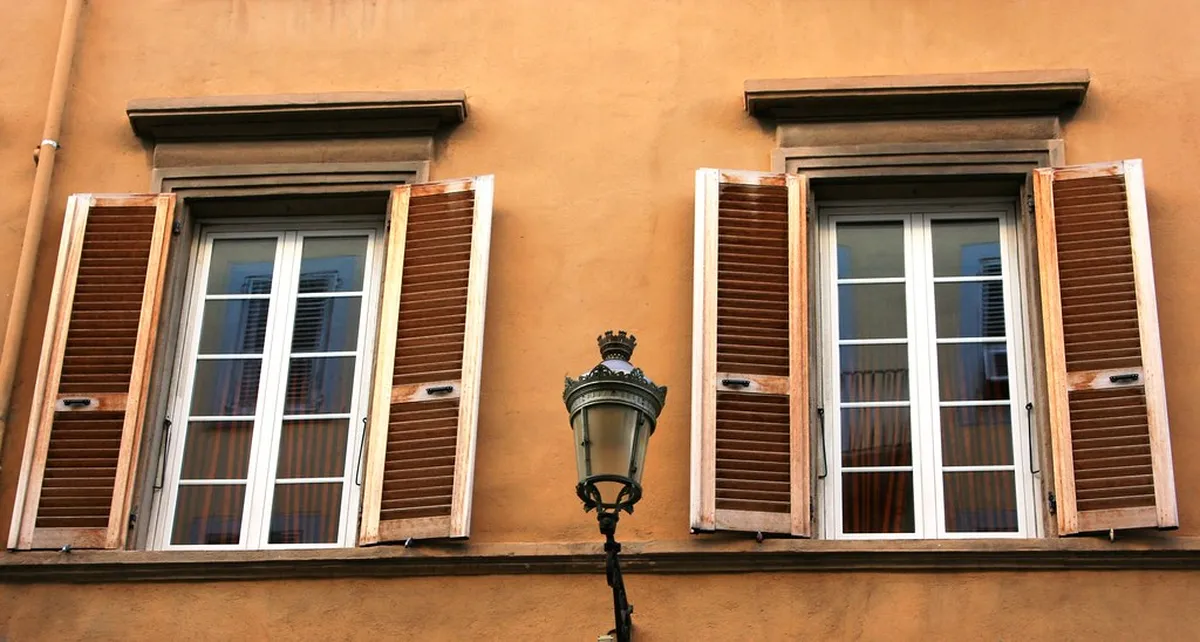
Many facades in Terra Vecchia display warm pastel colors like rich ochre and soft pink. Time and salty sea air have given these walls a beautiful and distinct weathered look. Most structures use local schist stone for their sturdy foundations and thick exterior walls. Architects designed these homes to house many families within a very small urban footprint.
The ground floors often host cozy cafes and small local shops for residents and tourists. Stone arches and vaulted doorways remain visible throughout the district's lower levels in 2025. Residents once used these cool spaces for storing local wine and high-quality olive oil. Modern visitors love the contrast between historical stones and the vibrant Mediterranean street life.
You can find hidden courtyards tucked away behind some of the larger tenement building entrances. these spaces often contain beautiful stone staircases that lead to private upper-floor apartments. The craftsmanship of the ironwork on the balconies shows the skill of local Corsican blacksmiths. Take time to look upward and admire the decorative cornices on these tall structures.
The Grand Genoese Baroque Churches of Bastia
Bastia is home to some of the most impressive religious buildings in all of France. The genoese baroque churches of Bastia showcase incredible artistic and structural detail. These sites often feature grand facades and towering twin bell towers made of stone. Builders constructed most of these massive churches during the seventeenth and eighteenth centuries.
Saint-Jean-Baptiste stands as the largest church found anywhere on the beautiful island of Corsica. Its two famous towers dominate the view above the busy harbor and old town. Inside, you will see marble altars and very intricate gold leaf decorations on every surface. The church serves as a primary example of high baroque style architecture in the region.
You should visit the church early in the morning for the best natural light. Sunlight pours through the high windows to illuminate the detailed and colorful ceiling frescos. The interior acoustics provide a wonderful setting for traditional polyphonic singing performances held annually. Entry is free for all visitors throughout the entire 2025 tourist travel season.
The church also houses a historic pipe organ with a truly stunning and unique design. It features ornate wood carvings that highlight local craftsmanship from many long centuries ago. Many visitors spend hours admiring the masterful trompe-loeil paintings on the high side walls. These artistic elements make it a must-see destination for all dedicated architecture lovers.
Another notable structure is the church of Saint Charles Borromee in the heart of town. It offers a more restrained version of the baroque style compared to its larger neighbors. The facade features simple lines that emphasize the height and strength of the religious building. It provides a peaceful place for quiet reflection away from the noisy city center.
Exploring the Terra Nova Citadel Architecture
High above the Old Port sits the formidable and historic Terra Nova Citadel. This fortress area represents the military history of the architecture in Bastia quite well. The terra nova citadel architecture includes massive walls and very heavy defensive bastions. It was the seat of Genoese power on the island for many long centuries.
The Governor's Palace stands as the most prominent and colorful building within the walls. It features a bright orange facade and a grand inner courtyard for formal events. Today, the palace houses the Bastia Museum where local history truly comes to life. Visitors can explore the governors palace architecture and its ancient vaulted stone galleries.
The Citadel layout feels much more organized than the narrow streets of the lower town. You will find wider streets and elegant squares within this well-fortified and safe district. Many aristocratic families built their homes here to be near the powerful ruling governors. These houses often feature impressive stone staircases and hidden private courtyards for the residents.
The Cathedral of Saint Mary is another architectural highlight located within the Citadel walls. It was once the seat of the Bishop of Aleria and the city. Its interior is rich with silver work and very fine marble details from Italy. The cathedral offers a peaceful retreat from the busy city streets located far below.
Walking along the ramparts provides the best views of the city and the sea. You can see how the military engineers designed the walls to repel potential invaders. The stone used in the fortifications has stood against the elements for over five hundred years. It remains one of the best-preserved examples of Genoese military engineering in Europe.
Nineteenth Century Expansion and Place Saint Nicolas
Bastia grew significantly during the nineteenth century under the influence of French rule. This era brought much wider boulevards and very large neoclassical public squares to the city. The place saint nicolas architectural monuments reflect this grand urban vision perfectly. This square is one of the largest open coastal spaces in all of France.
Boulevard Paoli serves as the main commercial artery for the newer sections of the city. It features elegant apartment buildings with ornate ironwork balconies and very tall windows. These structures display a distinct Belle Epoque style that was popular in the late 1800s. The ground floors host high-end boutiques and many traditional French brasseries for locals.
Architects used more formal and symmetrical designs during this period of major city expansion. You will see balanced facades and decorative stone carvings on most of these buildings. The use of wrought iron became very popular for balconies and sturdy garden fences. This style contrasts sharply with the rugged and ancient look of the older districts.
The Palais de Justice is a great example of this very formal neoclassical style. Its monumental steps and tall stone columns project a sense of law and order. Nearby, the municipal theater showcases classic Italian-style opera house architecture for all to see. These buildings helped transform Bastia into a truly modern Mediterranean regional capital city.
You can find many charming kiosks and pavilions scattered across the large main square. These small structures provided shade and refreshments to people walking through the city in 1900. Some of them have been restored to their original glory for the 2025 season. They add a touch of whimsy to the grand scale of the surrounding architecture.
The Unique Oratories and Brotherhood Houses
Corsican culture places very high importance on religious brotherhoods and their meeting places. These brotherhoods built unique small chapels known locally as oratories throughout the city center. The bastia oratories and brotherhood houses are true hidden architectural gems. Most are tucked away in quiet corners of the historic old town.
The Oratory of the Immaculate Conception features an incredibly lavish and detailed interior. It is famous for its bright red velvet walls and large crystal chandeliers. The ceiling is covered in gold leaf and many fine religious oil paintings. It feels more like a royal throne room than a typical small chapel.
The Oratory of the Holy Cross is another spectacular site for visitors to see. It contains the legendary Black Christ, a highly revered local religious relic for centuries. The Rococo decorations inside this oratory are among the finest found in the Mediterranean. You will notice delicate stucco work and masterful wood carvings on every single wall.
These buildings played a central and vital role in the social life of Bastia. Brotherhood members used them for meetings, daily prayers, and organizing local charity work. Their architectural design emphasizes intimacy and intense decorative beauty rather than massive physical size. They remain active centers for local traditions and religious festivals throughout 2025.
You may need to check specific times to enter these smaller religious buildings. Many oratories are only open during certain hours or for special religious services. The quiet atmosphere inside provides a stark contrast to the busy streets outside. Do not miss the chance to see these masterworks of Corsican decorative art.
Practical Tips for an Architecture Tour in 2025
Planning an architectural tour of Bastia requires some basic preparation for the 2025 season. Most major monuments and churches are within easy walking distance of each other. However, the steep hills between the port and Citadel require wearing good walking shoes. You should allow at least two full days to see everything properly.
Joining a bastia architectural walking tour is a great way to start your trip. Local guides can point out subtle details that many tourists often miss entirely. They can explain the symbols carved into old stone doorways and ancient lintels. Many tours also provide access to private courtyards and hidden historical sites.
Check the opening times for the churches before you start your daily walking route. Many religious sites close for a few hours during the traditional midday lunch break. The museums in the Citadel usually open from 10:00 AM until 6:00 PM daily. Admission fees for the main museum are around five euros per adult visitor.
Photography enthusiasts should aim for the golden hour before sunset for the best photos. The light hits the Citadel walls and the harbor houses beautifully at that time. You can capture the contrast of the blue sea against the warm stone. Bastia remains a very safe and welcoming city for all types of travelers.
Be sure to bring a bottle of water during your walk in the summer. The sun can be quite strong as you climb the stone stairs to the Citadel. Many public fountains provide fresh mountain water for thirsty walkers throughout the city. Enjoy the slow pace of life while you admire the historic surroundings.
Frequently Asked Questions
What is the most famous building in Bastia?
The Church of Saint-Jean-Baptiste is the most famous building in the city. Its twin bell towers are iconic and dominate the harbor skyline. It is the largest church in Corsica and features a stunning baroque interior.
Is the architecture in Bastia more Italian or French?
The architecture in Bastia is a unique mix of both styles. The older districts feature strong Genoese and Italian influences from centuries of rule. The newer nineteenth-century sections reflect classic French neoclassical and Belle Epoque urban design.
Can you visit the Bastia Citadel for free?
Yes, you can walk through the streets of the Terra Nova Citadel for free. The public squares and viewpoints do not require any entry fee. However, you must pay a small fee to enter the museum inside the Governor's Palace.
When is the best time to photograph the city architecture?
The best time for photography is during the early morning or late afternoon hours. The low sun highlights the textures of the stone walls and the pastel colors. Sunset offers spectacular views of the Citadel from the Old Port area.
How long does it take to see the main architectural sites?
You can see the main highlights of the city in one full day. However, a two-day visit allows you to explore the museums and oratories more deeply. This slower pace lets you enjoy the local atmosphere and hidden details.
Bastia offers a rich tapestry of historical styles for every curious traveler to enjoy. From the tall tenements of the Old Port to the grand Citadel, the architecture in Bastia is truly captivating. Plan your visit in 2025 to experience this unique Mediterranean heritage firsthand. Be sure to book a local architectural walking tour to discover all the hidden secrets of the city.
Key Takeaways
- Explore Terra Vecchia for tall seventeenth-century tenement houses.
- Visit the Terra Nova Citadel to see Genoese military fortifications.
- Admire the Baroque interiors of Saint-Jean-Baptiste and the local oratories.
- Walk along Boulevard Paoli for nineteenth-century French neoclassical design.