
Bastia Architectural Walking Tour: 2025 City Guide
Book your Bastia architectural walking tour for 2025. Explore Genoese citadels, Baroque churches, and historic districts with our expert guide. Plan today!
On this page
Welcome to your comprehensive guide for a Bastia architectural walking tour in the heart of Corsica. This vibrant city offers a unique blend of Genoese history and French elegance for every traveler today. You will discover towering citadels and narrow alleyways filled with rich stories from centuries past in 2025. This itinerary focuses on the most iconic structures that define the local urban landscape and cultural heritage.
Bastia serves as the commercial hub of northern Corsica and boasts a deeply authentic Mediterranean atmosphere. Visitors can easily navigate the compact city center on foot to witness diverse styles of historical construction. Your journey begins at the massive waterfront squares before climbing toward the fortified heights of the upper city. Prepare to experience some of the most impressive Baroque and Neoclassical architecture found anywhere in France.
Place Saint-Nicolas and Bourgeois Grandeur
Place Saint-Nicolas serves as the grand entrance to this stunning Corsican city for many travelers arriving by sea. This massive square is one of the largest open plazas in all of Europe and France today. You will find rows of elegant 19th-century buildings lining the western edge of the expansive paved area. These structures showcase the Place Saint-Nicolas architectural monuments perfectly.
The architecture here reflects the wealth of the local merchant class during the late eighteen hundreds. Most buildings feature symmetrical facades with ornate wrought-iron balconies and tall windows typical of the bourgeois style. Many of these historic properties now house lively cafes and luxury boutiques on their lower ground floors. Take a moment to admire the white marble statue of Napoleon Bonaparte standing proudly at the center.
This area is open to the public twenty-four hours a day and costs nothing to explore. It is the perfect spot to start your walking tour while enjoying a morning coffee near the sea. The surrounding palm trees add a tropical touch to the rigid Neoclassical lines of the residential blocks. Observe how the pale yellow and ochre colors glow under the bright morning sunlight of the Mediterranean.
Pro Tip: Visit the local tourist office located on the square for updated maps and specific event schedules. They provide detailed brochures regarding the historical significance of each building located along the northern perimeter. Many guided tours also meet near the central monument before heading into the older districts of the city. Use this space to orient yourself before entering the winding streets of the southern quarters.
The Historic Terra Vecchia District
Terra Vecchia is the oldest neighborhood in the city and contains a maze of tall, narrow stone houses. The urban layout dates back to the Genoese period when Bastia was a vital maritime port. You will notice the buildings are tightly packed to provide shade during the hot summer months in Corsica. This district captures the essence of medieval urban planning with its dark alleys and hidden small squares.
The architecture here is characterized by high-rise tenement buildings that often reach seven or eight stories high. These structures were built vertically to accommodate the growing population within the protective city walls during antiquity. Many facades still show remnants of ancient stone carvings and traditional wooden shutters in various shades of green. Exploring this area requires comfortable walking shoes due to the uneven cobblestones and steep inclines.
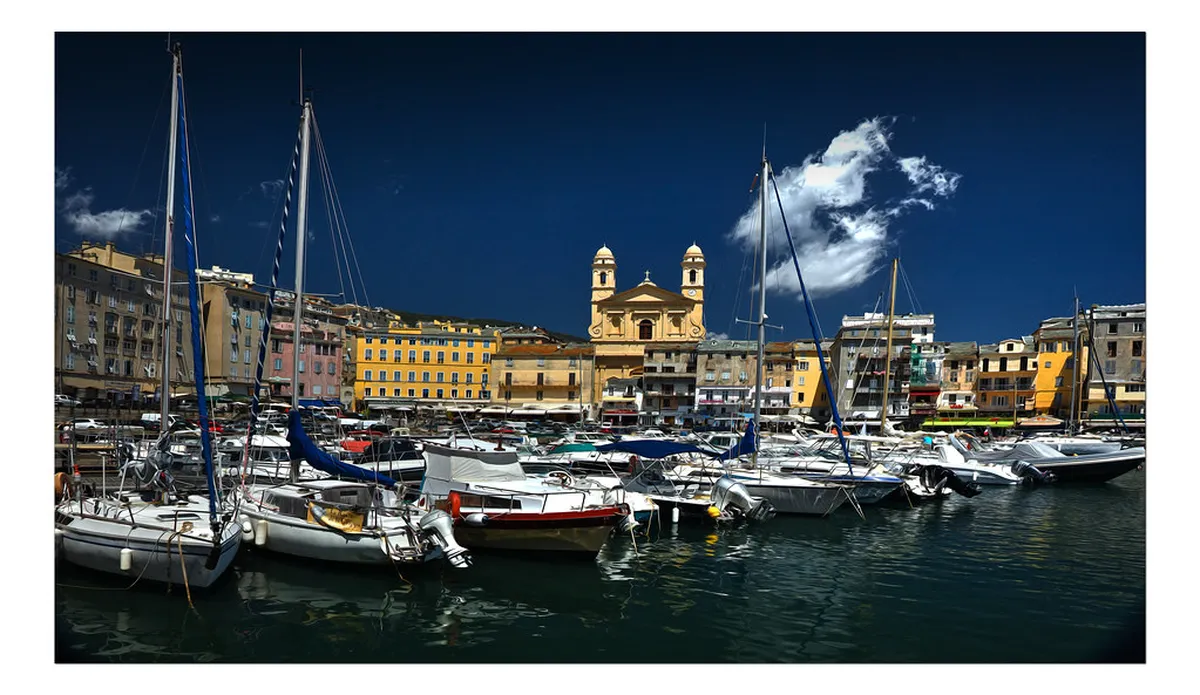
Walk toward the Old Port to see the picturesque harbor surrounded by colorful 18th-century maritime warehouses. These buildings formerly served as storage for olive oil, wine, and local timber destined for the mainland. Today, they have been converted into vibrant restaurants and bars that retain their original vaulted stone ceilings. The reflection of the buildings in the harbor water creates a stunning visual for photography enthusiasts.
- Construction Date: Mainly 16th to 18th centuries.
- Key Feature: Narrow alleyways with soaring vertical tenements.
- Best Time: Late afternoon for golden light on the facades.
- Access: Free public access through various pedestrian entry points.
Visiting the Saint-Jean-Baptiste Church
The Church of Saint-Jean-Baptiste is the most dominant landmark on the Bastia skyline due to its twin towers. This massive structure is the largest church in Corsica and a masterpiece of the Baroque architectural style. It was built between 1636 and 1666 to serve the religious needs of the growing local population. You can see the towering yellow facade from almost any point near the historic Old Port.
The interior of the Saint-Jean-Baptiste church Bastia features incredibly ornate marble decorations and gilded altar pieces. High vaulted ceilings are covered in intricate frescoes depicting various scenes from the lives of the Christian saints. The church remains an active place of worship, so visitors should maintain a respectful silence during their tour. It is typically open from 8:00 AM until 6:00 PM with no admission fee.
Architectural enthusiasts should pay close attention to the detailed stucco work found throughout the side chapels and nave. The use of trompe-l'œil painting techniques creates an illusion of depth on the flat surfaces of the ceiling. This style was very popular in Italy and influenced much of the religious construction across the island. The church serves as a testament to the influence of the Republic of Genoa on local culture.
The exterior plaza offers a wonderful vantage point for observing the surrounding Terra Vecchia rooftops and the sea. Large steps leading to the main entrance often serve as a gathering place for locals and tourists alike. Notice the contrast between the rough stone of the stairs and the smooth plaster of the facade. This building represents the height of religious architectural ambition in the northern region of the island.
Exploring the Terra Nova Citadel
Ascend the steep Romieu stairs to reach the fortified district known as the Terra Nova or the Citadel. This area was established by the Genoese in the 15th century as a secure military and administrative base. The Terra Nova citadel architecture is defined by thick stone walls and imposing defensive bastions. Walking through the main gate feels like stepping back in time to the era of maritime republics.
The center of the Citadel features the Palais des Gouverneurs, which now houses the Museum of Bastia today. This former palace showcases a blend of military fortifications and elegant residential quarters for the ruling elite. Entry to the museum gardens and courtyards provides a deeper look at the sophisticated Genoese masonry techniques. Admission costs approximately 5 Euros for adults and offers access to the rooftop terraces for panoramic views.
Within the Citadel walls, the streets are wider and more organized compared to the lower Terra Vecchia district. You will find the Cathedral of Sainte-Marie, another stunning example of Baroque design with a rich marble interior. The atmosphere here is quieter and more residential, offering a peaceful escape from the busy port below. Spend time wandering the perimeter walls to see the strategic placement of the ancient cannon ports.
- Enter through the Louis XVI Gate for the most scenic approach.
- Visit the Place du Donjon to see the old clock tower.
- Walk the ramparts for 360-degree views of the Tyrrhenian Sea.
- Explore the hidden gardens tucked behind the various administrative buildings.
Hidden Staircases and Oratories
Bastia is famous for its collection of small oratories that belonged to various religious brotherhoods and local guilds. These structures are often hidden behind plain facades but contain some of the most lavish interiors in France. The Bastia oratories and brotherhood houses reflect the deep social and religious ties of the community. Look for the Oratory of the Immaculate Conception with its velvet-lined walls and crystal chandeliers.
The city is also known for its dramatic and historic staircases that connect the upper and lower districts. The Romieu Gardens feature a monumental staircase that winds through lush Mediterranean vegetation and stone grottos for visitors. These paths were designed in the 19th century to improve urban flow while creating beautiful public park spaces. They offer shade and benches for those who need a break during their walking tour in 2025.
Many private courtyards in the old town hide unique spiral staircases made of local grey schist stone. While many are private, you can often glimpse them through open doorways or iron gates along the main streets. These architectural details show the ingenuity required to build on the steep coastal cliffs of the northern region. Take your time to explore the side streets where these small treasures are most likely to be found.
These oratories and staircases are free to view from the outside, though interior access varies by the day. Local festivals often see these spaces opened to the public for special concerts and traditional religious ceremonies. Checking the local cultural calendar can help you time your visit to see these hidden gems in person. The combination of public utility and artistic beauty makes these features essential to the Bastia experience.
Frequently Asked Questions
How long does a Bastia architectural walking tour typically take?
A full self-guided tour usually takes between three and four hours to complete at a leisurely pace. This time allows for stops at major churches, the museum, and several scenic viewpoints along the route. You should plan for extra time if you wish to enjoy lunch at the Old Port.
Is the Citadel accessible for travelers with limited mobility?
The climb to the Citadel involves many stairs and steep hills that can be challenging for some visitors. However, a small tourist train and local buses provide easier access to the top of the hill. Most major monuments within the Citadel itself are relatively flat once you reach the upper level.
Where are the best architecture photography spots in Bastia?
The best views are found at the architecture photography spots in Bastia near the Romieu Gardens. From here, you can capture the twin towers of the church against the backdrop of the Mediterranean sea. The Citadel ramparts also offer stunning light during the sunset hours for great photos.
Are there any entrance fees for the churches in Bastia?
Almost all the historic churches and oratories in Bastia offer free admission for tourists and worshippers alike. They do rely on small donations to help with the ongoing maintenance of these ancient Baroque structures. Always check for posted signs regarding photography or service times before you enter the buildings.
A Bastia architectural walking tour provides an unforgettable journey through the complex history of northern Corsica and France. From the grand 19th-century squares to the ancient Genoese fortifications, the city reveals its character through stone. We hope this guide helps you navigate the winding streets and discover the hidden beauty of Bastia in 2025. Start planning your architectural adventure today to experience the unique charm of this Mediterranean jewel yourself!
Key Takeaways
- Start your tour at Place Saint-Nicolas to see grand Neoclassical and Bourgeois architecture.
- Explore the Church of Saint-Jean-Baptiste, the largest religious building on the island of Corsica.
- Visit the Terra Nova Citadel for military history and panoramic views of the sea and port.
Related reads: architecturebycity.com, architecture in bastia.