
2025 Architecture in Antibes: A Complete History
Discover the stunning architecture in Antibes for your 2025 trip. Explore medieval walls and luxury villas. Start your tour with our expert guide today!
On this page
Antibes is a gem on the French Riviera known for its historic and diverse building styles. Travelers in 2025 will find a unique blend of Greek, Roman, and medieval structural influences here. The city preserves its ancient heritage while embracing contemporary Mediterranean aesthetics and luxury designs. This guide explores the best examples of architecture in Antibes for your next vacation. You will see how the city has evolved from a military fort to a modern luxury destination.
Walking through the streets reveals a story of centuries written in stone, plaster, and modern glass. Every corner of the town offers a different perspective on the history of the South of France. You can enjoy the contrast between the narrow alleys and the wide vistas of the Mediterranean Sea. Planning your architectural tour is easy with the right insights into the most famous local landmarks.
We will cover everything from the massive fortifications to the elegant villas of the wealthy elite. The town provides endless inspiration for photographers, history buffs, and design enthusiasts from around the world. Prepare to see some of the most beautiful buildings on the entire French coastline during your stay. This guide ensures you do not miss any significant details during your 2025 architectural exploration.
Military Marvels and Architecture in Antibes
Fort Carré stands as a masterpiece of military design and a primary highlight of the local area. This fortress sits on the Saint-Roch peninsula and offers a 360-degree view of the sea. The site dates back to the mid-16th century when King Henry II ordered its initial construction. It features a unique star-shaped layout designed to provide superior defense against any attacking enemy ships.
This geometric layout reflects the genius of the Fort Carré Vauban design that improved the structure later. Engineers refined the bastions during the late 17th century to withstand more advanced artillery and heavy cannon fire. Today, visitors can explore the ramparts and see how the defensive walls integrate with the rocky terrain. The symmetry of the fort is best viewed from above or from the nearby harbor entrance.
Walking along the walkway provides insights into the life of soldiers who once guarded the French coast. The masonry work is exceptional and shows the strength of the local limestone used during the construction process. You can book a guided tour for seven Euros per person to learn more about the interior rooms. These tours explain the purpose of the central tower and the various storehouses found within the fort.
The fort is surrounded by a protected park that showcases the natural beauty of the Mediterranean landscape. You should wear comfortable shoes for the fifteen-minute walk up the hill from the port entrance gate. Many photographers visit this spot during the golden hour to capture the sun hitting the ancient stone walls. It remains one of the best examples of military engineering preserved on the beautiful French Riviera today.
Medieval Stonework of Château Grimaldi
The Château Grimaldi stands on the foundations of a Greek acropolis from many centuries in the past. This medieval fortress served as the home for the ruling Grimaldi family for over three hundred years. You can see the heavy stone blocks that form the base of this massive and historic tower. The building represents the defensive style of the 12th century with its thick walls and high windows.
This structure is a prime example of the Château Grimaldi architecture found in the heart of the Old Town district. It successfully blends the rugged nature of a fortress with the elegance of a Mediterranean palace residence. In 1946, the building became the first museum in the world dedicated specifically to the artist Pablo Picasso. The renovation preserved the original stone features while creating modern gallery spaces for his famous artworks.
The castle terrace offers one of the most famous views of the sea and the nearby mountains. Visitors can admire the contrast between the rough medieval exterior and the smooth contemporary sculptures on display. The entrance fee is eight Euros, and it is open every day except for Mondays and holidays. You will find that the interior courtyard remains cool even during the hottest summer months of the year.
Exploring the surrounding streets allows you to see more examples of medieval masonry and narrow residential alleys. The ramparts nearby were designed to protect the town from the waves and potential invaders from the sea. These walls are now a popular walking path for both locals and tourists enjoying the fresh sea air. This area truly captures the ancient soul of the town through its well-preserved and stunning stone structures.
Art Deco Glamour in Juan-les-Pins
The district of Juan-les-Pins offers a completely different aesthetic compared to the medieval center of the town. This area became famous during the 1920s as a playground for international jazz musicians and wealthy American writers. You will see many buildings that showcase the geometric patterns and bold lines of the Art Deco movement. These structures reflect the optimism and excitement of the Jazz Age on the sun-drenched French Riviera.
Learning about the Juan-les-Pins Art Deco history reveals how the district evolved into a luxury summer resort. The Hotel Belles Rives is a perfect example of this style with its original furnishings and grand facade. Many of these buildings feature pastel colors and decorative ironwork on the balconies overlooking the sandy beaches. The architecture creates a sense of timeless glamour that still attracts famous guests to the area today.
Walking along the promenade allows you to see how modernism began to influence local building designs and styles. Large windows and flat roofs became popular as architects sought to bring more natural light into the interiors. You can find several smaller villas tucked away on the side streets that maintain their original 1930s charm. Preservation laws now protect these historical facades to ensure the character of the neighborhood remains intact forever.
Many of the cafes and restaurants in the area also embrace the Art Deco theme in their decor. This creates a cohesive visual experience for visitors who want to step back in time to the 1920s. The district is especially vibrant during the annual jazz festival held every July under the pine trees. It remains a must-visit location for anyone interested in the evolution of early 20th-century architectural design.
The Elite Villas of Cap d'Antibes
The Cap d'Antibes is world-renowned for its collection of prestigious and expensive private villas and gated estates. These homes were built by the global elite during the late 19th and early 20th centuries for privacy. You can see a wide variety of styles ranging from neoclassical mansions to modern glass and steel masterpieces. The luxury villas of Cap d'Antibes are often hidden behind high stone walls and lush gardens.
Villa Eilenroc is one of the few properties that is open to the public during specific visiting hours. This neoclassical villa was designed by the architect Charles Garnier, who also built the famous Paris Opera House. The white facade and symmetrical columns represent the height of 19th-century elegance and architectural sophistication in France. Visitors can walk through the formal rose gardens and admire the views of the coastline from the terrace.
The Hotel du Cap-Eden-Roc is another iconic landmark that defines the architectural prestige of the famous peninsula. Its grand main building and spectacular infinity pool are known throughout the world for their luxury and style. Many of the surrounding private estates were designed by famous architects to maximize views of the Mediterranean Sea. The use of high-quality materials like marble and local stone is evident in every detail of construction.
Touring the Cap by foot or bicycle is the best way to see the various architectural details. You should follow the Sentier du Littoral path to see the villas from the seaside perspective as well. This trail offers a unique look at how the buildings are integrated into the rugged limestone coastal cliffs. It is a peaceful escape that showcases the harmonious relationship between high-end architecture and the natural environment.
Port Vauban and Modern Urbanism
Port Vauban is currently the largest marina in Europe and serves as a hub for the global yachting industry. The architecture here focuses on modern functionality and the needs of some of the largest boats in the world. You will see the Billionaires' Quay, which was specifically designed to accommodate massive superyachts over 100 meters long. The Antibes harbor renovation project is constantly updating the facilities to meet modern environmental standards.
The design of the port buildings uses contemporary materials like glass, steel, and high-performance concrete for durability. Architects have worked to integrate these modern structures with the historic backdrop of the old town and the fort. You can see new pedestrian bridges and public spaces that make the harbor more accessible to the general public. These developments show how the city balances its maritime history with the demands of the modern luxury market.
Visiting the port at night offers a different view as the modern lighting highlights the sleek lines of ships. The reflection of the city lights on the water creates a beautiful scene for an evening walk or dinner. You can find several modern office buildings and service centers that support the thousands of crew members working here. This area is the engine of the local economy and reflects the forward-looking spirit of the coastal town.
Future plans for 2025 include the addition of more green spaces and sustainable energy solutions throughout the harbor. The goal is to create a more eco-friendly environment while maintaining the high standards of a premier yachting destination. You will notice the contrast between the traditional fishing boats and the cutting-edge technology of the modern yachts. It is a fascinating place to witness the intersection of tradition and innovation in urban coastal design.
Traditional Charm of the Safranier District
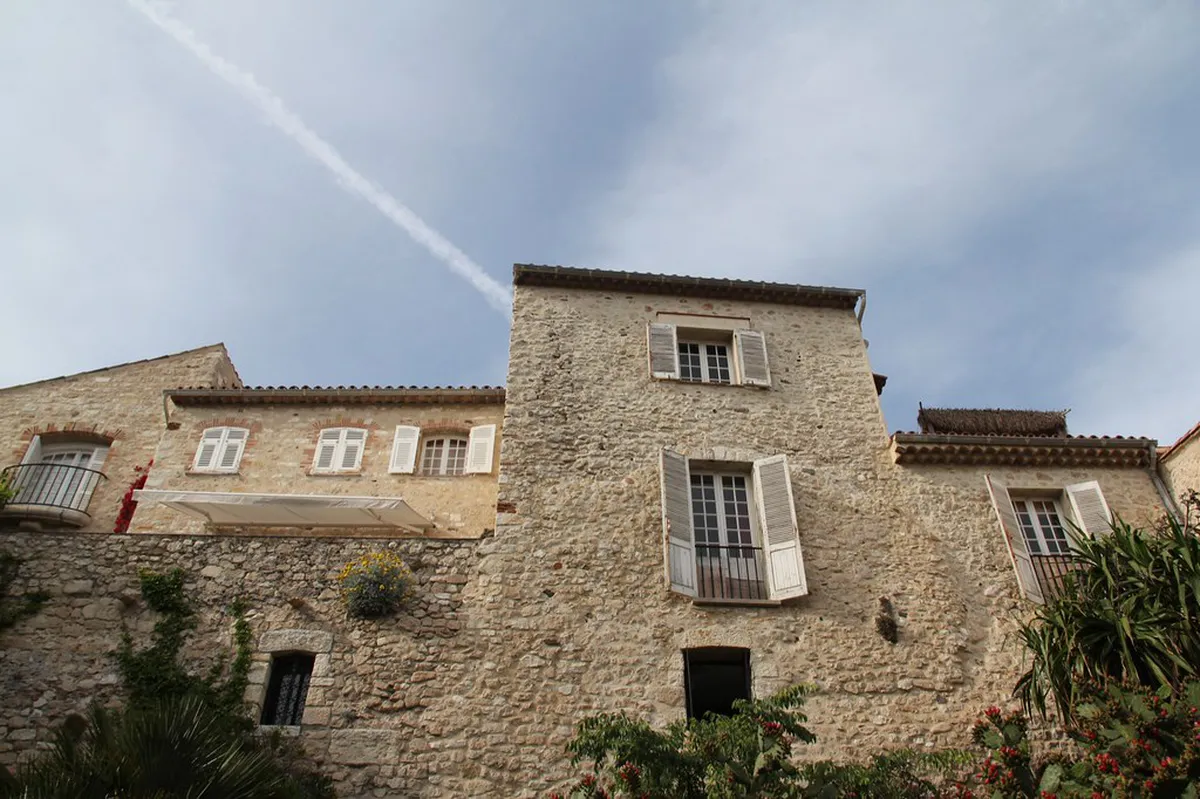
The Safranier district is a small and independent-minded neighborhood located within the heart of the historic Old Town. It is famous for its narrow streets and houses that are covered in colorful flowers and climbing green vines. The Safranier district facades feature traditional Provencal colors like ochre, yellow, and soft terracotta shades. This area has a village-like atmosphere that feels very different from the busy commercial streets of the town.
The buildings in this district are mostly two or three stories tall with traditional wooden shutters for sun protection. You can see the characteristic wrought iron balconies that are common in Mediterranean residential architecture of the past centuries. Residents take great pride in their homes and often decorate the entrance ways with potted plants and ceramics. This creates a warm and inviting environment that is perfect for a slow afternoon walk with a camera.
There is a small square in the center where locals gather for community events and traditional festivals throughout the year. The architecture here encourages social interaction with small benches and open spaces for people to meet and talk. You will find several small craft shops and local bistros tucked into the ground floors of the old buildings. The stone paving underfoot has been worn smooth by generations of people living in this historic community.
This district represents the soul of the local people and their commitment to preserving their traditional way of life. It is one of the most photographed areas of the city because of its incredible charm and beauty. You should respect the privacy of the residents while you enjoy the beautiful architecture and peaceful atmosphere here. It is a reminder of the simple and elegant building styles that have defined this region for ages.
Frequently Asked Questions
What is the best way to see the architecture in Antibes?
The best way to see the city is by taking a walking tour through the old town. You can visit the best architectural viewpoints in Antibes for great photos. Most major landmarks are within walking distance of each other in the center. Wear comfortable shoes as many streets are made of old cobblestones.
How much does it cost to visit the main architectural sites?
Many of the best sites like the ramparts and the port are free to visit. Museums like the Picasso Museum in the Château Grimaldi cost about eight Euros for an adult ticket. Guided tours of Fort Carré are priced at seven Euros per person for a full visit. It is very affordable to explore the history of the city on foot.
Can you visit the luxury villas on the Cap d'Antibes?
Most villas on the Cap are private and hidden behind high walls for security. However, you can visit Villa Eilenroc and its gardens during certain days of the week. The Sentier du Littoral path also allows you to see the coastal side of these grand estates. It is a great way to see the luxury architecture from a public path.
Antibes offers an incredible journey through time for anyone interested in historical and modern building styles. From the military strength of Fort Carré to the luxury of the Cap, there is something for everyone. You can spend days exploring the narrow streets and grand promenades of this beautiful Mediterranean coastal town. The architecture tells a story of a city that has always been important to the French Riviera. Plan your visit in 2025 to see these amazing landmarks and enjoy the unique local culture. You will leave with a deep appreciation for the artistry and engineering found in every corner of the city.
Key Takeaways
- Fort Carré is a must-see for fans of star-shaped military engineering and Vauban design.
- The Old Town offers a rich mix of medieval stone walls and traditional Provencal residential facades.
- Juan-les-Pins provides a stunning look at Art Deco and Jazz Age glamour from the early 1900s.
Related reads: antibes old town architectural walking tour.