
Château Grimaldi Architecture: 2025 Guide
Explore the historic Château Grimaldi architecture in Antibes. Plan your 2025 visit to see this medieval gem and the Picasso Museum today. Book now!
On this page
The Château Grimaldi is a stunning masterpiece of Mediterranean design and long history. It dominates the skyline of Antibes with its massive stone walls and tall towers. Visitors flock to this landmark to see the unique Château Grimaldi architecture and art. This guide provides everything you need for a perfect visit in 2025.
The fortress has served many roles over its long and very storied existence. It began as a military stronghold before becoming a grand home for French royalty. Today, it houses the world-famous Picasso Museum in its grand historic stone halls. You will find layers of history within every thick wall of this ancient castle.
Origins and Medieval History of the Fortress
The Château Grimaldi stands on ancient foundations that date back to old Roman times. It reflects many centuries of military and residential history in the city of Antibes. The structure served as a secure stronghold for the powerful Grimaldi family for years. You can see these layers in the medieval stonework of Antibes today.
Construction of the fortress began during the 12th century on a former acropolis site. The local lords used this high strategic ground to guard the valuable Mediterranean coastline carefully. Massive local limestone blocks form the sturdy base of the current historic medieval building. This solid stone construction has survived many intense battles and several long sieges over time.
By the 14th century, the castle became the official residence of the noble Grimaldi family. They added domestic features while keeping the exterior walls very high and thick. Small windows and heavy doors characterize this early period of defensive castle construction. This mix of home and fortress defines the early Château Grimaldi architecture style.
Structural Characteristics and Design Elements
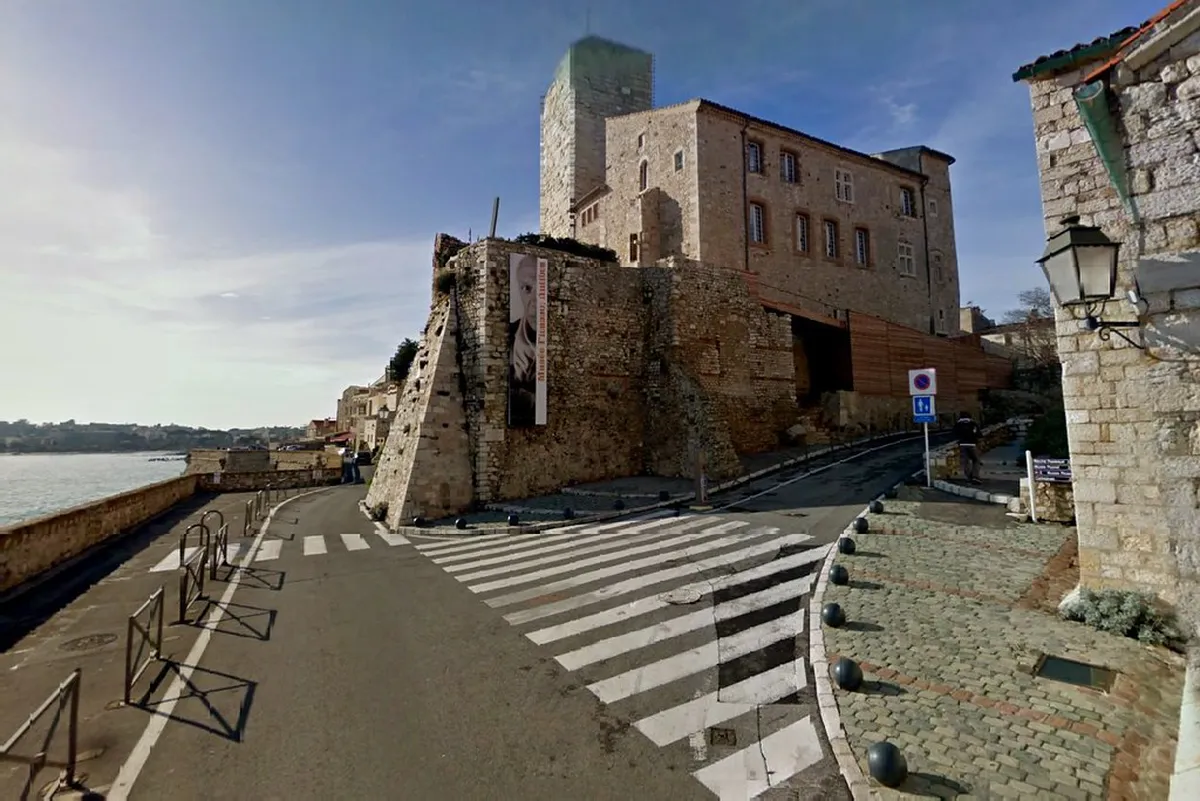
The building features a classic square footprint typical of the most powerful medieval fortresses. Four main wings surround a central courtyard that provides essential light to the interior. The exterior walls are exceptionally thick to withstand any potential artillery attacks from the sea. These features define the unique architecture in Antibes during the Middle Ages.
Visitors will quickly notice the iconic crenelated top along the high castle walls. These battlements allowed defenders to fire upon enemies safely from the safety of above. The stone used is local limestone, which has weathered to a very soft gray. This material helps the castle blend perfectly into the rugged and rocky Mediterranean landscape.
The main tower rises majestically above the rest of the sturdy stone structure. It served as a vital lookout point for incoming ships in the busy harbor. High ceilings inside the main halls reflect the noble status of the former royal owners. Large wooden beams still support the heavy roof in several of the historic rooms.
The 1946 Renovation and Modern Gallery Use
In 1946, the building underwent a significant transformation to house beautiful contemporary art. This period saw the famous artist Pablo Picasso take up residence in the castle. The Grimaldi castle renovation 1946 opened the space for new creative expression. Modern lighting was added to highlight the vast interior walls and the art.
Architects carefully balanced historical preservation with the specific needs of a modern art gallery. They removed some interior partitions to create open and airy exhibition halls for visitors. This allowed the natural Mediterranean light to illuminate Picasso's large paintings very well. The contrast between ancient stone and modern art is truly a breathtaking sight.
The renovation successfully preserved the original grand staircases and old stone floor tiles. These elements remind every visitor of the building's long history as a military fortress. You can learn more about the Picasso Museum building history through informative onsite plaques. Today, the museum attracts thousands of visitors who appreciate both art and design.
Strategic Location and Defensive Elements
The castle sits on a rocky outcrop directly overlooking the deep blue Mediterranean Sea. This location provided a clear view of the Italian coast and many nearby islands. Strategic placement was a key factor in Château Grimaldi architecture for many centuries. It remains one of the most prominent sights on the historic city skyline.
Strong ramparts connect the castle directly to the surrounding thick city walls. These walls protected the citizens of Antibes from pirate raids and naval invasions. The entrance features a narrow gateway that was very easy to defend from enemies. This defensive layout is a highlight of any Antibes old town architectural walking tour.
Below the castle, steep natural cliffs provide a barrier against any potential attackers. Builders used the natural terrain to enhance the fortress's overall security and strength. This design choice saved resources while creating a nearly impenetrable coastal stronghold. Even today, the sheer height of the walls remains very impressive to visitors.
Interior Details and Decorative Arts
The interior of the castle features very impressive stone vaulted ceilings in most rooms. These architectural elements distribute the heavy weight of the upper floors very effectively. Some rooms still display original stone fireplaces from the late 17th century. These decorative touches show the shift from a fortress to a grand residence.
The central courtyard acts as a peaceful oasis for many modern visitors today. It features several modern sculptures that complement the surrounding ancient stone walls. The floor is paved with smooth pebbles arranged in traditional Mediterranean floor patterns. This space offers a perfect view of the tall and impressive castle tower.
Large windows on the upper floors offer beautiful panoramic views of the sea. These openings were enlarged during the Renaissance to provide much better interior ventilation. They allow the cool sea breeze to reach the interior during hot summers. This clever design keeps the museum comfortable without using heavy climate control.
Visitor Information for your 2025 Trip
Visiting the Château Grimaldi in 2025 requires some basic planning and early preparation. The museum is generally open to the public from Tuesday to Sunday each week. Expect to pay around 8 Euros for a standard adult admission ticket today. Prices may change, so always check the official website before your trip.
Summer hours are typically from 10:00 AM until 6:00 PM during the peak season. Arrive early in the morning to avoid the largest crowds during the summer months. The walk up to the castle involves some steep inclines and many stairs. Wear very comfortable walking shoes to enjoy the full experience of the building.
Photography is allowed in the courtyard but is restricted inside the art galleries. You will find a small gift shop located near the main castle entrance. It sells many books about the castle's history and Picasso's time in Antibes. Allow at least two hours to see every room and the art properly.
Frequently Asked Questions
Is Château Grimaldi architecture Romanesque or Gothic?
The architecture is primarily a mix of Romanesque and later military styles. You can see the Romanesque influence in the thick walls and rounded arches. Later additions include Renaissance windows and modern museum updates from the 1940s.
How much does it cost to visit the castle in 2025?
Adult admission for the 2025 season is approximately 8 Euros per person. Discounts are available for students, seniors, and large groups with prior booking. Children under a certain age can often enter the museum for free.
Can I take photos of the architecture inside?
You can take photos of the exterior walls and the central stone courtyard. However, photography is usually prohibited inside the galleries to protect the delicate artworks. Always check for specific signage when you enter each different room.
Why is Picasso associated with this building?
Pablo Picasso used the castle as his personal art studio in 1946. He created many famous works during his brief but very productive stay there. He later donated several pieces to the city to form the museum.
The Château Grimaldi remains a vital symbol of the architectural heritage of Antibes. Its blend of medieval strength and modern art creates a unique cultural experience. Make sure to include this landmark on your travel itinerary for 2025. Explore the ramparts today to see the best views of the French Riviera.
Key Takeaways
- The castle features a mix of Romanesque and 14th-century military architecture.
- It houses the Picasso Museum following a major renovation in 1946.
- The site offers panoramic views of the Mediterranean from its high ramparts.
- Adult entry in 2025 costs 8 Euros and includes the art galleries.
- The structure is built from local limestone with defensive crenelated walls.