
Architecture in Arles: A Guide to History
Explore the iconic architecture in Arles from Roman ruins to Frank Gehry's tower. Plan your 2025 visit with our expert guide today!
On this page
Arles is a beautiful city located in the heart of the scenic Provence region of France. The city serves as a living museum where ancient history meets modern design in unique ways. You will find incredible examples of architecture in Arles at every single street corner. This guide explores the best structural landmarks for your upcoming 2025 travel adventure.
The city gained fame through the paintings of Vincent van Gogh during the nineteenth century. However, the diverse architectural heritage of Arles stretches back over two thousand years of history. From massive Roman arenas to gleaming silver towers, the skyline tells a very compelling story. Every visitor will find something fascinating within the limestone walls of this historic French town.
The Grandeur of Roman Architecture in Arles
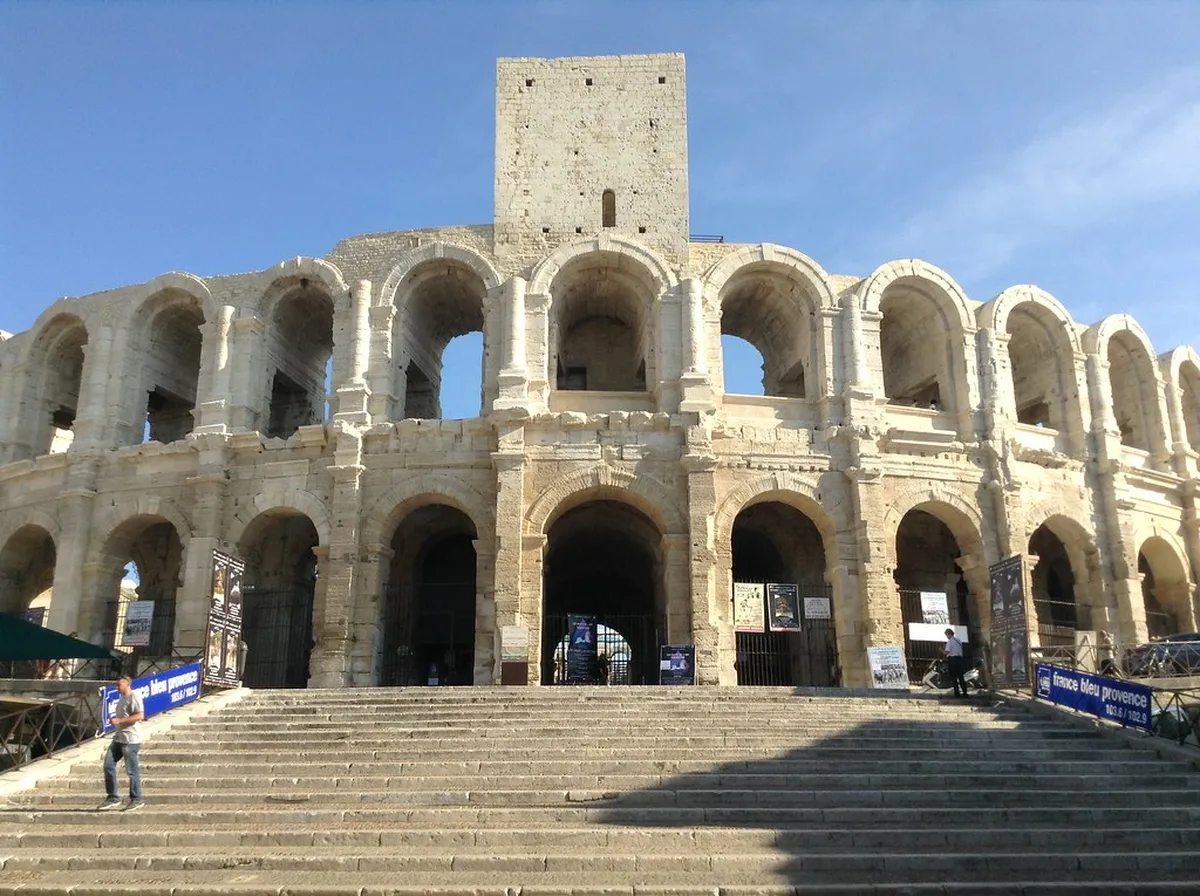
The Roman Amphitheatre is the most iconic landmark found in the center of the old city. It was built around 90 AD and could originally hold over twenty thousand excited spectators. Engineers used massive limestone blocks to create the famous Arles amphitheatre structural design seen today. The two levels of arches showcase the power and wealth of the ancient Roman Empire.
Right next to the arena sits the Roman Theatre, which dates back to the first century. Although much of the stone was reused later, two lone marble columns still stand very tall. These ruins provide a peaceful space to imagine the theatrical performances of the ancient world. Entrance tickets for these sites usually cost around nine Euros for an adult visitor.
Another engineering marvel is the Cryptoporticus hidden beneath the modern City Hall in the town center. These underground galleries served as foundation supports for the ancient Roman forum above the ground level. The cool and dark tunnels showcase the incredible precision of Roman stonemasons and architects. You can explore these galleries during your visit to learn about early urban planning techniques.
Key Roman sites to visit include:
- The Amphitheatre: A massive arena still used for cultural events and traditional festivals.
- The Roman Theatre: An ancient stage that hosts open-air concerts during the warm summer months.
- The Alyscamps: A famous Roman necropolis that inspired many famous artists like Van Gogh.
The Masterful Romanesque Design of St. Trophime
The Church of St. Trophime represents one of the finest examples of Romanesque architecture in France. Its main portal features incredibly detailed stone carvings that depict important stories from the Christian Bible. These sculptures were designed to teach the local population through visual art during the Middle Ages. The heavy stone walls and small windows create a very solemn and spiritual atmosphere.
The cloister of St. Trophime is a peaceful retreat filled with elegant columns and delicate arches. Each capital on the columns tells a different story through intricate and masterful stone relief work. You should pay close attention to the St. Trophime cloister architectural details during your walking tour. The mix of Romanesque and Gothic styles shows how the building evolved over several centuries.
Visiting the church is free, but there is a small fee to enter the historic cloister. The cloister is open daily from 9:00 AM until 6:00 PM during the peak season. It is best to visit in the early morning to avoid the largest groups of tourists. The soft morning light highlights the textures of the ancient stone in a beautiful way.
Classical Elegance and Renaissance Mansions
Arles transformed significantly during the seventeenth and eighteenth centuries as wealthy families built grand private homes. These mansions feature ornate facades and hidden courtyards that represent the height of French classical style. Many of these Arles renaissance mansions now serve as boutique hotels or local government offices. Walking through the narrow streets reveals beautiful ironwork and decorative stone doorways everywhere.
The Arles City Hall is a masterpiece of classical design located in the bustling Place de la République. It was designed by the famous architect Jules Hardouin-Mansart, who also worked on the Palace of Versailles. The building features a unique flat vault that demonstrates the advanced masonry skills of the era. This structural feat allows for a large open space without the need for many support pillars.
You can admire the grand staircase and the elegant clock tower from the main town square. The square itself is organized around a large Egyptian obelisk moved from the ancient Roman circus. This mix of Egyptian, Roman, and Classical styles creates a very unique urban landscape for visitors. Take a moment to enjoy a coffee at a local cafe while viewing these structures.
LUMA Arles and Contemporary Design Innovation
The LUMA Arles tower is the most striking addition to the city skyline in recent years. Designed by the world-famous architect Frank Gehry, the tower is covered in eleven thousand stainless steel panels. These panels reflect the changing light of the Provence sky throughout the different times of day. The Frank Gehry Arles tower materials create a shimmering effect that mimics local rock formations.
This modern masterpiece is located within the Parc des Ateliers, a former industrial railway workshop site. The project involved the creative reuse of old brick buildings into modern art and research spaces. Architects focused on sustainability and regional materials to bridge the gap between old and new design. The park is open to the public and offers great views of the entire city.
Inside the tower, visitors can explore diverse exhibition spaces and enjoy a panoramic viewing terrace. Admission to the park is free, but some special exhibitions may require a paid ticket. The site represents the future of Arles as a global hub for contemporary art and architecture. It is a must-see destination for anyone interested in bold and innovative structural design.
Modern Museums and Urban Planning Projects
The Musée de l'Arles Antique is a brilliant example of late twentieth-century modern architecture in France. Designed by Henri Ciriani, the building is often called the "Blue Museum" due to its striking color. The Musée de l'Arles Antique architecture uses clean lines and large glass walls to create bright spaces. It houses an incredible collection of Roman artifacts found within the local Rhone River.
The museum layout guides visitors through the chronological history of the city in a very logical way. Large open halls allow for the display of massive Roman mosaics and a perfectly preserved wooden boat. The building sits on the site of the ancient Roman circus outside the old city walls. This location connects the modern structure directly to the archaeological history of the surrounding area.
In 2025, the city continues to invest in new urban planning projects to improve pedestrian access. New pathways connect the historic center with the modern developments at the LUMA Arles campus. These changes make it much easier for visitors to explore all the major architectural sites on foot. Arles remains a leader in blending heritage preservation with modern functional design for its citizens.
Frequently Asked Questions
What is the best way to see the architecture in Arles?
The best way to experience the city is by taking a self-guided Arles architectural walking tour on foot. Most of the famous landmarks are located within a short walking distance in the historic center. You should buy an Arles Advantage Pass to save money on multiple site entry fees.
When was the Frank Gehry tower in Arles built?
The tower was completed and opened to the public in the summer of 2021. It took several years of construction to finish the complex stainless steel facade and internal structures. It has since become a major symbol of modern design in southern France.
Are the Roman ruins in Arles still used today?
Yes, the Roman Amphitheatre still hosts many cultural events, concerts, and traditional festivals throughout the year. The Roman Theatre also serves as a beautiful venue for outdoor cinema and music performances in summer. These ancient structures remain vital parts of the modern social life of the city.
Is the architecture in Arles accessible for visitors with disabilities?
Many modern buildings like LUMA Arles and the Blue Museum are fully accessible for all visitors. However, the ancient Roman sites have uneven stone floors and steep stairs that can be challenging. Some areas of the historic center feature narrow cobblestone streets that may require extra care.
The architecture in Arles offers a unique journey from the Roman Empire to the cutting edge of modern design. You can walk from a two-thousand-year-old arena to a futuristic silver tower in just twenty minutes. This mix of styles makes the city one of the most interesting places to visit in France. Plan your trip for 2025 to see these incredible structures with your own eyes today.
Key Takeaways
- Visit the Roman Amphitheatre to see world-class examples of ancient limestone engineering.
- Explore the LUMA Arles tower for a look at Frank Gehry's bold modern design.
- Buy a multi-site pass to save money when visiting the major UNESCO World Heritage sites.
- Walk through the old town to discover hidden Renaissance mansions and classical French facades.