
Arles Architectural Walking Tour: A 2025 Guide
Join an Arles architectural walking tour to explore Roman ruins and modern masterpieces. Plan your 2025 visit and book your historic city journey today!
On this page
Arles sits beautifully along the Rhône River in southern France. This city offers a rich blend of history and design. An Arles architectural walking tour reveals centuries of urban evolution. You will see Roman arenas and shimmering modern towers. This journey is perfect for history lovers and design fans.
The city center is compact and very easy to navigate. Most major landmarks are just a short walk apart. You can explore ancient ruins and 17th-century mansions in one day. Arles serves as a living museum of European construction styles. Your 2025 trip will be filled with amazing sights.
Walking through these streets feels like traveling through time. Each corner reveals a new layer of the past. From limestone arches to stainless steel panels, the variety is stunning. This guide helps you find the best architectural gems in Arles. Let us begin our tour of this historic French city.
Roman Roots of Arles Architecture
The Roman Arena is a masterpiece of ancient engineering. It dates back to the late first century. Massive limestone blocks create a perfect oval shape. This structure originally seated over 20,000 spectators for games.
Nearby sits the Ancient Theatre of Arles. It shows the cultural importance of the Roman Empire. Only two tall marble columns remain standing today. These ruins host many outdoor performances throughout the 2025 season.
Discover more about these structures at the Roman architecture in Arles section. Entrance to these sites costs about 9 Euros. Most Roman monuments open daily at 9:00 AM for visitors.
Walking between these ancient sites is very easy. The paths are mostly flat and well-marked for tourists. Expect to spend 45 minutes at each historic location. The scale of these stone buildings is truly impressive to see.
The Musee de l'Arles antique houses many salvaged artifacts. It features a large blue building near the river. The museum displays a perfectly preserved Roman barge. This site adds great context to the city ruins.
Medieval Masterpieces and the Cloister
The Church of Saint Trophime is a Romanesque gem. Its main portal features incredibly detailed stone carvings. These carvings depict biblical scenes and various mythical creatures. This site is a recognized UNESCO World Heritage treasure.
The cloister inside offers a very peaceful retreat. It combines Romanesque and Gothic architectural styles beautifully. Each column features unique capital carvings for visitors to admire. You should spend at least 30 minutes in this space.
You can learn more about Romanesque architecture in Arles online. Ticket prices for the cloister are around 6 Euros. The main church remains free for everyone to enter.
Lighting in the cloister is best at noon. The sun hits the carvings directly at this time. This highlights the intricate textures of the ancient stone. Wear comfortable shoes for the uneven stone floors here.
The Abbey of Montmajour is another nearby medieval site. It sits just a short drive from the center. The abbey features a massive defensive tower and stone chapels. It offers great views of the surrounding Provence countryside.
Modern Marvels on your Arles Architectural Walking Tour
The LUMA Arles architecture project changed the city skyline. Frank Gehry designed the shimmering metal tower. It stands out against the low-rise historic buildings. This site blends creative arts with modern engineering.
This section of your tour is quite unique. The tower uses thousands of stainless steel panels. These panels reflect the bright Mediterranean light beautifully. It serves as a cultural hub for global artists today.
Entry to the surrounding LUMA park area is free. You must book tickets for the tower in advance. The site is located at Parc des Ateliers. It is a fifteen-minute walk from the city center.
Nearby industrial buildings have been renovated recently. Annabelle Selldorf led the transformation of these old warehouses. They now host galleries and experimental art workshops. These spaces highlight the industrial past of Arles.
The tower contains several interactive exhibition floors. Large glass windows offer views of the Roman Arena. This creates a visual link between old and new styles. The project represents a bold vision for the future.
Renaissance Mansions and the City Hall
The Arles City Hall shows off classic French style. It was built during the late 17th century. The vaulted ceiling inside is a technical wonder. It uses a stone arch with no central support.
You can explore several Arles Renaissance mansions nearby. These private homes feature ornate doorways and stone carvings. Many stand along the narrow Rue de la République. They reflect the wealth of former merchant families.
The Hôtel d’Arlatan is a standout architectural example. It blends medieval walls with Renaissance decorative elements. Visitors can admire the colorful tile work today. These buildings are perfect for architectural photography enthusiasts.
The Musee Réattu is another essential stop. It is housed in an old Grand Priory building. The architecture features massive fireplaces and heavy wooden beams. It displays works by Picasso and other famous artists.
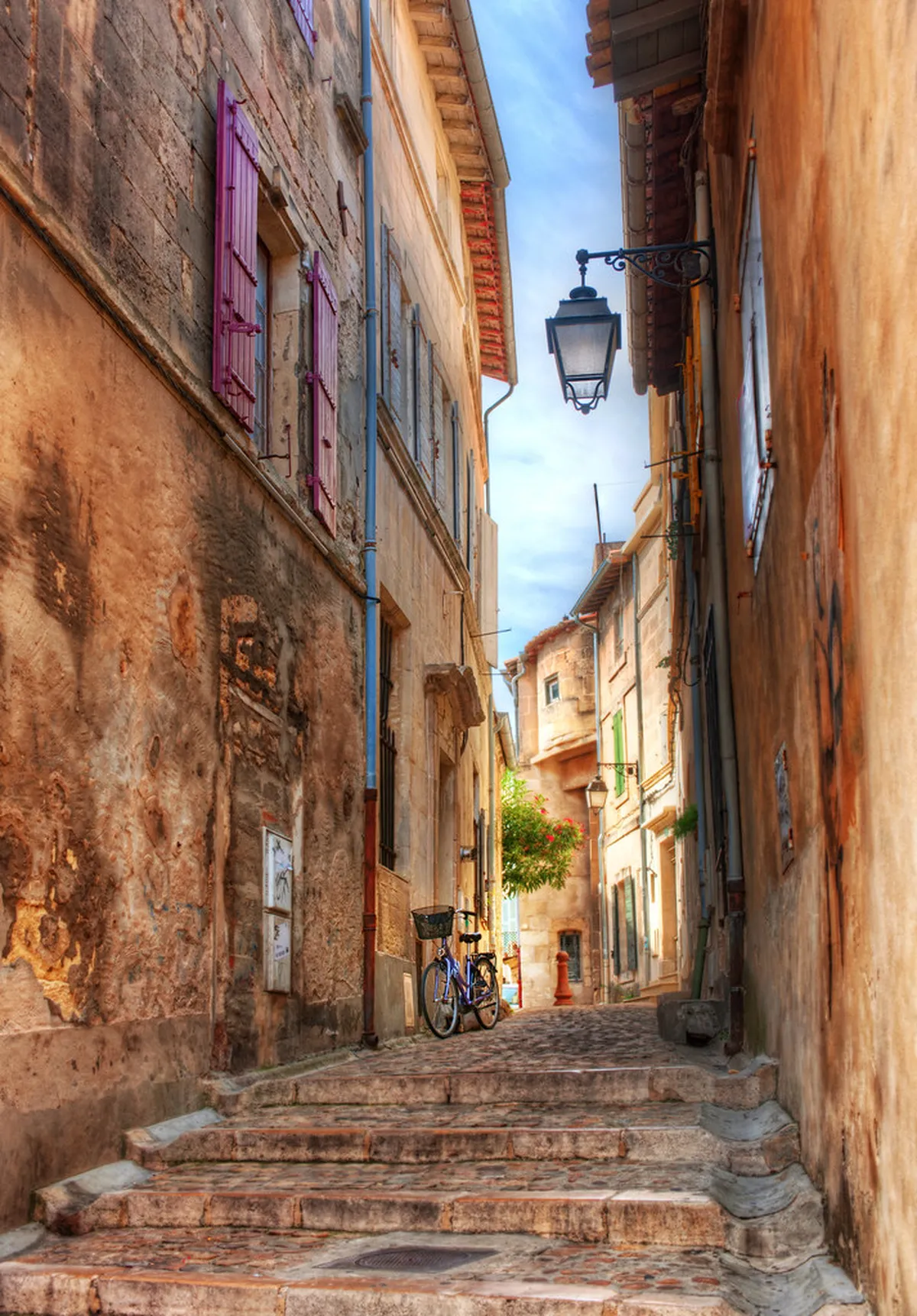
Walking through these narrow streets is very charming. Look up to see decorative iron balconies and shutters. Most of these mansions remain private residences today. Please respect the privacy of the local residents.
The Alyscamps and Industrial Heritage
The Alyscamps architecture features a famous Roman necropolis. It includes a long alley lined with stone sarcophagi. This site inspired famous painters like Van Gogh. It offers a hauntingly beautiful architectural experience.
Stroll through the site to see various tomb designs. Some sarcophagi date back to the late Roman era. Others show early Christian influences through their symbols. The site feels very ancient and quiet today.
Nearby industrial sites show a different local history. Old railway workshops once dominated this specific area. These spaces are now part of the LUMA complex. They represent a successful urban renewal project in France.
The contrast here is very striking to see. Ancient stone tombs sit near modern glass structures. This transition shows the long history of Arles. Most visitors spend one hour at this location.
Many workshops still feature original brick and steel. These materials provide a rugged look to the area. Architects preserved these elements to honor local workers. It is a great place for industrial photography.
Logistics for Your Architectural Journey
Start your walk at the Place de la République. This central square connects the main historic sites. You can find maps at the tourist office. They offer detailed guides for self-guided routes.
Guided tours often last about three hours. These tours provide deep insights into local history. Prices for a professional guide vary by season. Expect to pay 15 to 25 Euros per person.
Spring and fall offer the best walking weather. Temperatures stay mild during April and October. Summer months can be very hot for walking. Always carry a water bottle during your tour.
Most sites are within walking distance of each other. The city center is largely pedestrian-friendly. Some old streets have uneven cobblestone surfaces. Sturdy walking shoes are highly recommended for everyone.
Plan to spend at least two full days here. This allows time for museums and leisurely walks. Arles is also a great base for exploring Provence. You will find many hotels near the historic center.
Frequently Asked Questions
How long does an Arles architectural walking tour take?
A basic tour takes about three hours. You should allow five hours for museum visits. Most people spend a full day exploring everything. The route covers about three kilometers of walking.
Is the LUMA Arles tower free to visit?
Access to the park area is free for all. You need a ticket to enter the tower. These tickets are often free but require booking. Check the official website for current 2025 schedules.
What is the best time for architectural photography?
Early morning offers the best light for stone buildings. The golden hour before sunset is also beautiful. The Frank Gehry tower looks best in bright sun. Midday light is perfect for the interior cloisters.
Are the Roman monuments in Arles accessible?
The Arena has ramps for limited accessibility. Some ancient stairs are very steep and narrow. The Theatre is mostly accessible on the ground level. Cobblestone streets can be difficult for some wheelchairs.
Arles is a treasure chest of European design. Your walking tour will highlight incredible ancient and modern feats. Make sure to book your tickets for 2025 soon. Experience the magic of this historic French city yourself. Check our guide for more travel tips today.
Key Takeaways
- Visit the Roman Arena early to avoid crowds.
- Book LUMA Arles tower tickets weeks in advance.
- Wear comfortable shoes for cobblestone walking paths.
- Allow two days to see all major landmarks.
- Visit in spring for the most pleasant weather.