
Alyscamps Architecture: A Guide to Arles' Necropolis
Explore the unique Alyscamps architecture in Arles. Plan your 2025 visit with this historical guide and discover Romanesque secrets at this site. Book now.
On this page
Arles hosts the world-famous Alyscamps site within the heart of Provence. This ancient Roman necropolis features stunning Alyscamps architecture from multiple historical eras. It served as a prestigious final resting place for citizens for many centuries. Visitors today witness a unique blend of Roman history and medieval design elements.
The site remains one of the most evocative locations in southern France today. You will find rows of ancient stone tombs under a canopy of trees. These structures provide a quiet space to reflect on the long history of Arles. It is a essential stop for anyone interested in Roman architecture in Arles and its lasting legacy.
The Origins of the Roman Necropolis Layout
The Alyscamps started its long history as a major Roman cemetery during antiquity. It sat just outside the old city walls along the famous Via Aurelia. Roman law strictly required all burials to stay outside of the urban living areas. This regulation led to the creation of a massive complex of stone tombs.
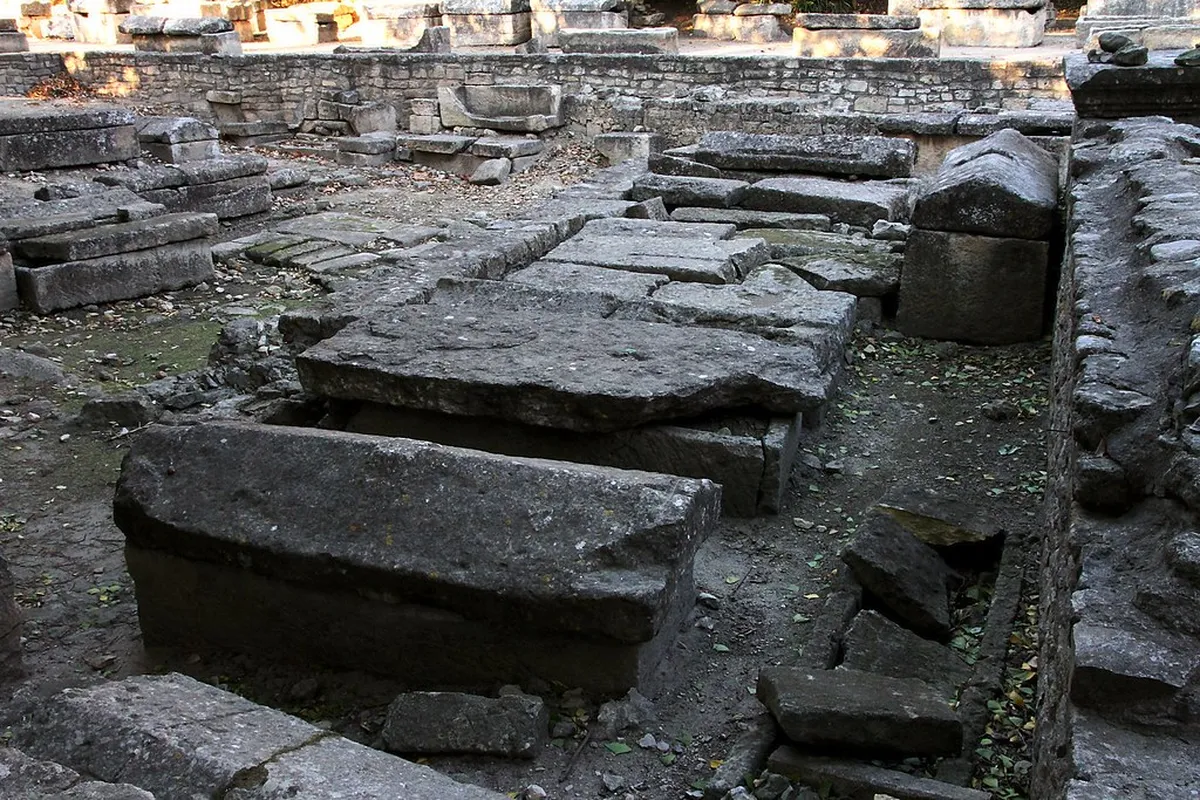
The layout follows the path of the ancient road leading into the city center. Visitors can still see the long path lined with majestic and tall poplar trees. Most of the original marble sarcophagi are now displayed in local history museums. However, many simple stone structures remain impressive for visitors to view today.
The site became very famous during the Middle Ages due to Christian legends. People from across Europe wanted to be buried in this holy ground in Arles. This increased the size of the cemetery until it contained thousands of different tombs. The scale of the site highlights the importance of Arles as a regional capital.
Today, the remaining section offers a glimpse into this vast city of the dead. You can walk along the same paths that Roman citizens used long ago. The alignment of the tombs shows a clear organization of the original burial space. It is a perfect example of early urban planning for cemetery sites.
Romanesque Evolution of the Site Buildings
The site changed significantly during the middle of the eleventh and twelfth centuries. New stone chapels appeared along the burial path to serve the growing crowds. These structures showcase early Romanesque architecture in Arles with great clarity. Architects used high-quality local limestone for these sturdy and lasting religious buildings.
The Church of Saint-Honorat stands as the primary architectural landmark on the site. It features thick stone walls and very narrow window openings for natural light. This specific style reflects the architectural and defensive needs of that historical era. The heavy stonework displays the masterful craftsmanship of medieval builders in the region.
Small family chapels were also built along the edges of the main walkway. These buildings often feature barrel vaults and simple decorative elements on their facades. Each chapel served as a private space for prayer and family memory. They represent the wealth of the local families during the medieval period in Arles.
The integration of these buildings into the Roman landscape is quite seamless. You can see how the medieval builders respected the earlier Roman burial structures. This layering of history makes the Alyscamps a unique destination for architecture fans. It provides a visual timeline of changing building styles over one thousand years.
Architectural Features of Saint-Honorat Church
The church remains unfinished but still looks incredibly powerful to modern visitors. Its impressive octagonal lantern tower is a major highlight of the entire site. You can clearly see how the stone arches support the heavy roof structure. This innovative design inspired many other local buildings throughout the region of Provence.
Inside the church, the choir area shows very refined and detailed stone carvings. The acoustics within the stone nave create a very solemn and quiet atmosphere. You can feel the weight of history in the cool air inside. Detailed information about Saint-Honorat church Arles architecture explains these technical features further.
The crypt below the church holds many secrets of the early Christian era. It features low ceilings and sturdy pillars designed to support the floor above. This underground space was once used for the most important saintly burials. The masonry here is rougher but shows the strength of early construction methods.
Restoration efforts in 2025 help to preserve these delicate stone features for future generations. Experts work carefully to stabilize the old limestone and prevent further weather erosion. You can see the difference between the original stones and the newer repairs. These efforts ensure the church remains safe for all visitors to explore.
Artistic Legacy and Site Landscape Design
Famous artists like Van Gogh and Gauguin loved this specific outdoor location. They painted the iconic alley of sarcophagi during the late nineteenth century. The tall poplar trees frame the stone tombs perfectly in their colorful paintings. This creates a hauntingly beautiful atmosphere that still attracts artists to Arles today.
The Alyscamps landscape architecture perfectly balances natural beauty with ancient stone. Today, the site offers a quiet escape from the busy city streets nearby. The shadows of the trees play across the weathered surfaces of the tombs. It remains a top spot for photography in the year 2025.
The path layout encourages a slow and reflective walk through the entire site. Benches are placed strategically to allow visitors to rest and enjoy the views. The sound of the wind through the trees adds to the experience. It is a rare place where nature and architecture live in total harmony.
Modern landscape architects study this site for its use of perspective and scale. The long, straight line of the alley creates a very dramatic visual effect. This design helps to focus the eye on the Church of Saint-Honorat. It demonstrates how landscape design can enhance the power of historical buildings.
Technical Details of Romanesque Masonry
Medieval masons in Arles were experts at working with the local porous limestone. They carved large blocks that fit together with very minimal use of mortar. This technique allowed the buildings to settle without cracking over the long centuries. You can see the precision of these joints in the church walls.
The use of the round arch is a defining feature of this style. These arches distributed weight evenly across the thick support walls of the chapels. This allowed for the construction of taller and more stable stone buildings. It was a significant improvement over the simpler post and lintel systems used earlier.
Decorative elements often include geometric patterns or simple floral motifs carved into stone. These details are typically found around the doorways and window frames of chapels. They provide a sense of elegance to the otherwise heavy and solid structures. The play of light on these carvings changes throughout the day.
Roofing systems often used terracotta tiles or thin slabs of local stone. These materials were durable and could withstand the strong Mistral winds of Provence. You can see examples of original roofing techniques on the smaller side chapels. These technical details show the practical intelligence of the medieval building crews.
Planning Your 2025 Visit to Arles
The Alyscamps site is open daily throughout the entire year for visitors. Tickets currently cost approximately five euros for adults to enter the main grounds. You should allow at least one full hour for a complete tour. Early morning light provides the best opportunities for high-quality photos of the stone.
Arles offers many other historic and architectural sites within a short walking distance. Consider taking a professional Arles architectural walking tour to see them all. You should wear comfortable shoes because the stone paths are quite uneven. Remember to bring plenty of water during the hot summer months in Provence.
The site is located about fifteen minutes away from the Roman Amphitheater. There are many small cafes and shops located near the main entrance gate. You can buy guidebooks that explain the history of the sarcophagi in detail. Most signs are available in both French and English for international guests.
Public transportation in Arles makes it easy to reach the site from elsewhere. Buses stop frequently near the entrance during the peak tourist season of 2025. Parking is available nearby but can be difficult to find during the weekends. We recommend walking from the city center to enjoy the local atmosphere.
Frequently Asked Questions
What makes Alyscamps architecture unique in France?
It combines Roman burial traditions with medieval Romanesque design in one location. The long rows of stone sarcophagi create a rhythmic visual pattern. No other site in France offers this specific historical layering of stone.
How old is the Alyscamps site in Arles?
The site dates back to the Roman Empire during the first century. Most of the standing religious buildings were constructed during the twelfth century. It has been used as a cemetery for over fifteen hundred years.
Is the Alyscamps part of a UNESCO World Heritage site?
Yes, it is included in the Arles UNESCO World Heritage listing. This official protection ensures the site remains preserved for all future generations. It is recognized for its immense historical and architectural value.
Can you see the original Roman sarcophagi at the site?
Many original sarcophagi remain in the famous alley today for visitors to see. The most decorative marble examples are kept in the local archaeological museum nearby. This keeps the most fragile pieces safe from the outdoor weather.
The Alyscamps remains a powerful testament to the long history of Arles and Provence. Its unique architecture offers a peaceful look into the Roman and medieval past. We encourage you to visit this site during your next trip in 2025. Explore the beauty of the stone and the quiet of the trees today.
Key Takeaways
- The site features a rare mix of Roman and Romanesque architectural styles.
- Saint-Honorat Church is the architectural center with its unique octagonal tower.
- The landscape design was a major inspiration for famous Impressionist painters.
- Visitors should allow at least one hour to explore the entire alley.
- The site is a protected UNESCO World Heritage location in Arles.
Related reads: architecturebycity.com.