
Saint-Honorat Church Arles Architecture Guide
Explore the Saint-Honorat Church Arles architecture in 2025. Discover the beauty of the Romanesque Alyscamps necropolis and its historic tombs today.
On this page
The Saint-Honorat Church stands as a silent witness to the rich history of Arles and its Roman past. This ancient building remains one of the most significant sites within the famous Alyscamps necropolis in France. Visitors often feel a sense of awe when they first see the massive stone walls and historic tower. The site offers a unique look at how medieval builders adapted older Roman spaces for Christian worship.
Understanding the Saint-Honorat Church Arles architecture requires a deep look into the Romanesque style of the Provence region. The church serves as the focal point of a burial ground that has existed for many centuries. It draws thousands of tourists every year who want to see authentic medieval craftsmanship in person. The surrounding landscape adds a layer of mystery and beauty to the entire architectural experience.
Planning a trip in 2025 allows you to see the ongoing preservation efforts at this UNESCO World Heritage site. You can walk through the same paths that inspired famous artists like Paul Gauguin and Vincent van Gogh. The light hitting the limestone walls creates a perfect scene for photography and quiet reflection. Exploring this church is a journey through the layers of European history and religious tradition.
Historical Significance of the Site
The history of the Saint-Honorat Church begins long before the current medieval structure was built. Romans used this area as a primary burial ground for their citizens and elite members of society. Early Christians later adopted the site because they wanted to be buried near holy martyrs and saints. This transition from pagan to Christian use shaped the foundations of the current church building.
Construction on the Romanesque church we see today started during the middle of the twelfth century. The monks from the Abbey of Saint-Victor in Marseille directed the ambitious building project at the time. They aimed to create a grand space that would honor the memory of Saint Honorat. The church was intended to be much larger than the version that exists currently today.
The site faced many challenges during the late Middle Ages and the following centuries of local conflict. Many parts of the original plan were never finished due to a lack of funding and resources. You can still see the evidence of these abandoned dreams in the open sections of the building. These gaps in the walls tell a story of changing priorities and economic shifts.
Today, the church remains a central part of the Alyscamps architecture tour for most visitors. It represents the spiritual heart of the necropolis and provides a sense of scale for the surrounding tombs. Local historians continue to study the site to learn more about medieval construction techniques used in Arles. The building is a bridge between the ancient world and the modern era.
Visiting the site in 2025 gives you a chance to see the historical layers in person. The stones used in the walls were often recycled from older Roman monuments and nearby civic buildings. This practice was common during the medieval period to save time and expensive building materials. It gives the church a unique texture and a direct link to the Roman Empire.
Distinctive Romanesque Design Features
The architectural style of the church is a prime example of the Provençal Romanesque movement. This style is known for its heavy walls, rounded arches, and sturdy limestone construction from local quarries. The builders used these features to create a sense of permanence and divine strength for the congregation. Every stone was carefully shaped to fit into the grand design of the holy structure.
One of the most striking elements is the use of blind arcades on the exterior walls. These decorative arches add visual interest to the flat surfaces of the thick stone masonry. They demonstrate the artistic skill of the medieval stonemasons who worked on the church for many years. You can find similar designs when exploring romanesque architecture in Arles throughout the old city center.
The windows are small and narrow to maintain the structural integrity of the massive support walls. This design choice limits the amount of natural light that enters the interior of the church. It creates a dim and atmospheric environment that encourages prayer and quiet contemplation for all visitors. The contrast between light and shadow is a hallmark of this specific architectural era.
Sculpted capitals can be found on the columns that support the remaining sections of the high vaulted ceiling. These carvings often depict floral patterns or religious symbols common during the twelfth and thirteenth centuries. While some have eroded over time, many still show the incredible detail of the original medieval work. These artistic touches provide a human element to the scale of the stone building.
The overall floor plan follows a traditional Latin cross shape, though it remains incomplete in several key areas. This layout was standard for major churches during the medieval period across most of Western Europe. It allowed for a long central aisle and separate areas for the choir and the main altar. The design directed the focus of the visitors toward the most sacred parts of the building.
The Mystery of the Unfinished Nave
Perhaps the most famous feature of Saint-Honorat is the massive nave that lacks a completed roof. Five large bays were planned for the central part of the church during the original construction phase. However, only the choir and the transept were fully finished by the medieval builders and local monks. The unfinished walls stand tall against the blue sky of the southern French countryside today.
This lack of a roof creates a unique outdoor interior space that feels both grand and fragile. Grass and small plants now grow where the floor of the nave was originally meant to be. The open-air design allows visitors to appreciate the scale of the arches from a different perspective. It makes the church one of the most photographed spots in the entire city of Arles.
Historians believe that the rise of the nearby Church of Saint-Trophime caused the project to stop. As Saint-Trophime became more important, resources were moved away from the Saint-Honorat building site. The monks could no longer afford the high costs of completing such a massive stone roof structure. This shift in local power left us with the beautiful ruin we explore today.
Walking through the unfinished nave gives you a clear view of the internal support systems of the building. You can see how the arches were designed to carry the weight of the stone vaults above. The precision of the joints between the massive limestone blocks is still impressive after eight hundred years. It is a masterclass in ancient engineering and structural design for modern students.
The empty space also serves as a reminder of the passage of time and human ambition. Many visitors find the unfinished sections to be more moving than the fully completed parts of the church. The ruin invites you to imagine what the building might have looked like if finished. It remains a powerful symbol of the architectural heritage found within the architecture in Arles landscape.
The Octagonal Lantern Tower Explained
The octagonal lantern tower is the most iconic part of the Saint-Honorat Church Arles architecture today. It rises high above the transept crossing and features two levels of elegant arched window openings. This tower served as a beacon for pilgrims traveling along the famous Way of Saint James. Its unique shape makes it easy to identify from far away across the flat Arles plains.
Each side of the octagon is decorated with delicate columns and finely carved Romanesque moldings and patterns. The transition from the square base to the octagonal top shows great technical skill by the builders. This specific feature is a classic element of the regional style found in the Provence area. It allows light to filter down into the center of the church from above.
The tower was restored during the nineteenth century to ensure it remained stable for future generations of visitors. Architects worked carefully to match the new stones with the original medieval materials used in the tower. You can see the slight differences in color if you look closely at the upper masonry levels. This restoration saved the tower from collapsing after centuries of neglect and weather damage.
Inside the church, the view looking up into the lantern tower is absolutely breathtaking and very impressive. The height of the vault creates a sense of verticality that contrasts with the heavy horizontal walls. It was designed to draw the eyes of the faithful toward the heavens during religious services. The geometry of the space is a testament to the mathematical knowledge of medieval church architects.
During the golden hour of sunset, the tower glows with a warm orange light from the sun. This effect highlights the texture of the limestone and the depth of the arched window recesses. It is the best time for artists and photographers to visit the Alyscamps site for great shots. The tower remains a proud landmark of the skyline in the southern part of the city.
Visiting Saint-Honorat Church in 2025
If you plan to visit in 2025, you should start your journey at the main entrance. The Alyscamps site is open most days, but hours can vary depending on the specific season. Tickets are affordable and usually include access to the entire necropolis and the church building itself. Expect to spend at least one hour exploring the interior and the surrounding ancient stone tombs.
The path leading to the church is lined with massive stone sarcophagi from the Roman and medieval periods. This walkway creates a solemn and historic atmosphere before you even reach the main church doors. Wear comfortable walking shoes because the ground can be uneven and made of loose gravel or stone. The walk is flat but requires some care to navigate the historic burial pathways.
- Admission Price: Approximately 5 Euros for adults in 2025.
- Opening Hours: 9:00 AM to 6:00 PM during the peak summer months.
- Guided Tours: Available in multiple languages through the local Arles tourism office.
- Accessibility: The main paths are accessible, but some interior sections have steps.
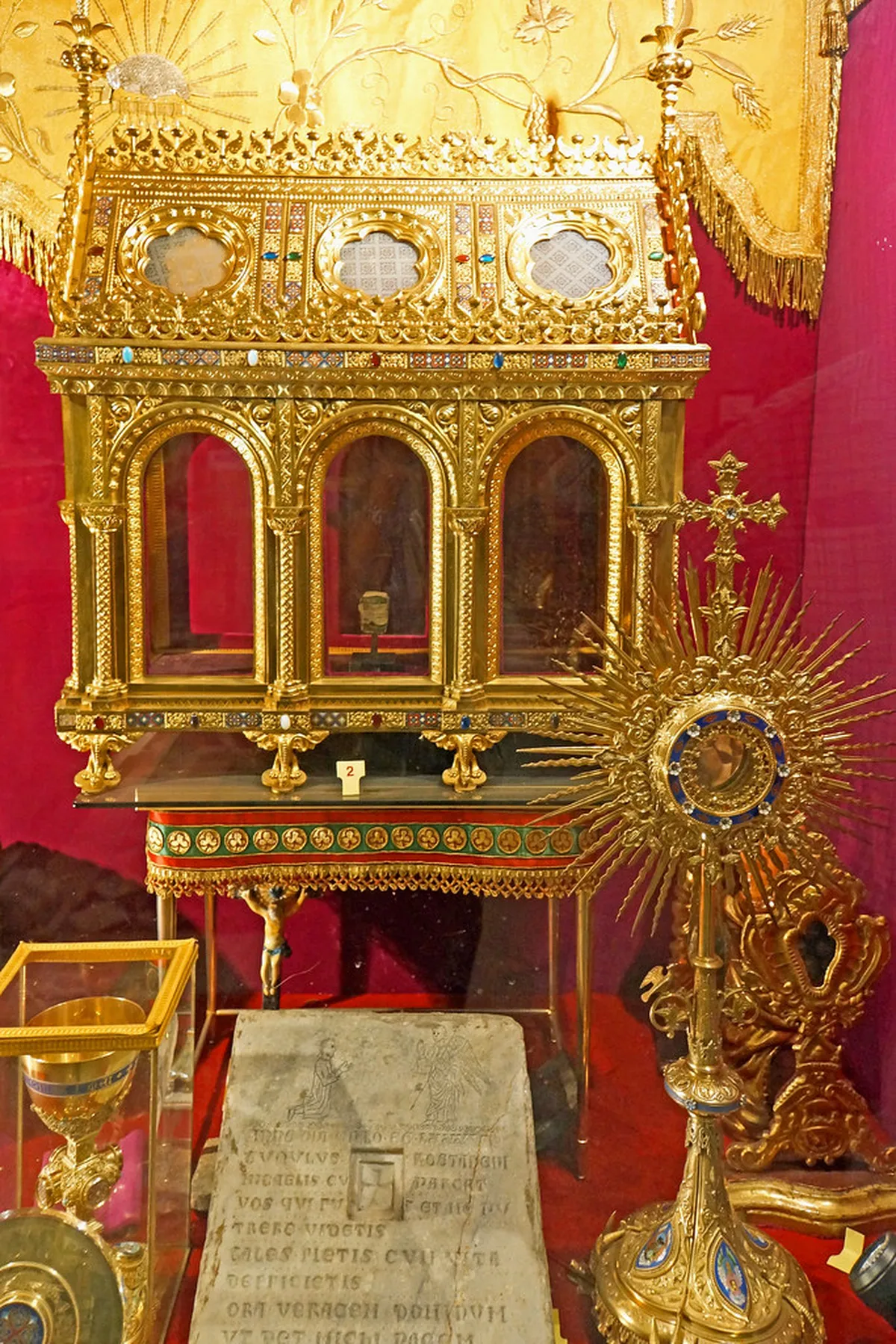
Inside the church, there are often small exhibits about the history of the Alyscamps and its art. You can read about the various saints who were once buried within these hallowed stone walls. Information plaques are available in French and English to help you understand the architectural details you see. It is a self-guided experience that allows you to move at your own comfortable pace.
Photography is allowed inside the church, but the use of a tripod may require special prior permission. The natural lighting conditions change throughout the day, so plan your visit for the best visual experience. Early morning offers a quiet atmosphere with fewer crowds and very soft, beautiful light for your photos. It is a peaceful place to escape the busy center of the modern city.
Preservation of Arles Religious Heritage
Maintaining a structure that is over eight hundred years old requires constant work and significant financial investment. Local authorities in Arles work with national heritage organizations to monitor the condition of the limestone walls. They use modern technology to detect cracks or signs of erosion caused by wind and rain. These efforts ensure that the Saint-Honorat Church remains safe for all modern visitors to enjoy.
Recent projects have focused on cleaning the exterior of the lantern tower to remove harmful pollution buildup. This process reveals the original creamy color of the local stone used by the medieval masons long ago. Protecting the stone from moisture is the biggest challenge for the conservation teams working at the site. They use specialized treatments that allow the stone to breathe while repelling damaging rainwater.
Community involvement plays a large role in the continued survival of this historic Arles architectural landmark. Local schools often bring students to the site to learn about their regional history and ancient art. Volunteers help maintain the grounds and provide information to tourists during the busy summer festival season. This local pride helps secure the future of the church for many more centuries to come.
The church is part of a larger network of Roman and Romanesque monuments protected by the UNESCO organization. This status brings international attention and funding for major structural repairs when they become necessary. It also means the site must follow strict rules regarding any new construction or modern changes nearby. The goal is to keep the historic environment as authentic as possible for the future.
As you leave the site, you can see how the church anchors the entire southern end of Arles. It stands as a monument to the endurance of faith and the skill of ancient builders. The Saint-Honorat Church Arles architecture will continue to inspire and educate people from all around the world. It is a true treasure of the French cultural landscape that deserves a visit.
Frequently Asked Questions
What is the best time of day to visit the church?
The best time to visit is during the early morning or the late afternoon hours. During these times, the sunlight creates beautiful shadows across the Romanesque arches and stone walls. You will also find fewer tourists, which makes for a more peaceful and reflective experience.
Is the Saint-Honorat Church still used for religious services?
The church is primarily a historical monument and is no longer used for regular daily services today. However, it sometimes hosts special cultural events or religious ceremonies on significant local feast days. Most visitors come to appreciate the architecture and the history of the Alyscamps necropolis site.
How do I get to the church from the Arles city center?
You can easily walk to the Alyscamps from the center of Arles in about fifteen minutes. Follow the signs for the necropolis located south of the main Roman amphitheater in the old town. There is also a local bus that stops near the entrance for those who prefer not to walk.
Are there any famous paintings of the Saint-Honorat Church?
Yes, both Vincent van Gogh and Paul Gauguin painted the Alyscamps during their famous stay in Arles. While they often focused on the rows of sarcophagi, the church appears in several of their works. These paintings helped make the site famous among art lovers across the entire world.
The Saint-Honorat Church Arles architecture offers a fascinating look into the medieval past of southern France. From its massive unfinished nave to the elegant octagonal tower, every detail tells a story of history. Visiting this site in 2025 provides a unique opportunity to connect with centuries of religious and artistic tradition. Be sure to include the Alyscamps on your next trip to Arles for an unforgettable architectural experience.
Key Takeaways
- Saint-Honorat is a masterpiece of the Provençal Romanesque style from the 12th century.
- The church features a unique octagonal lantern tower that served as a medieval beacon.
- The nave remains unfinished, creating a stunning open-air architectural space for visitors.
- The site is a key part of the UNESCO-listed Alyscamps necropolis in Arles, France.
Related reads: architecturebycity.com, romanesque necropolis design alyscamps, alyscamps landscape architecture.