
Alyscamps Landscape Architecture Guide for 2025
Discover the Alyscamps landscape architecture in Arles. Our 2025 critique explores the Roman design and necropolis layout. Plan your visit to France today!
On this page
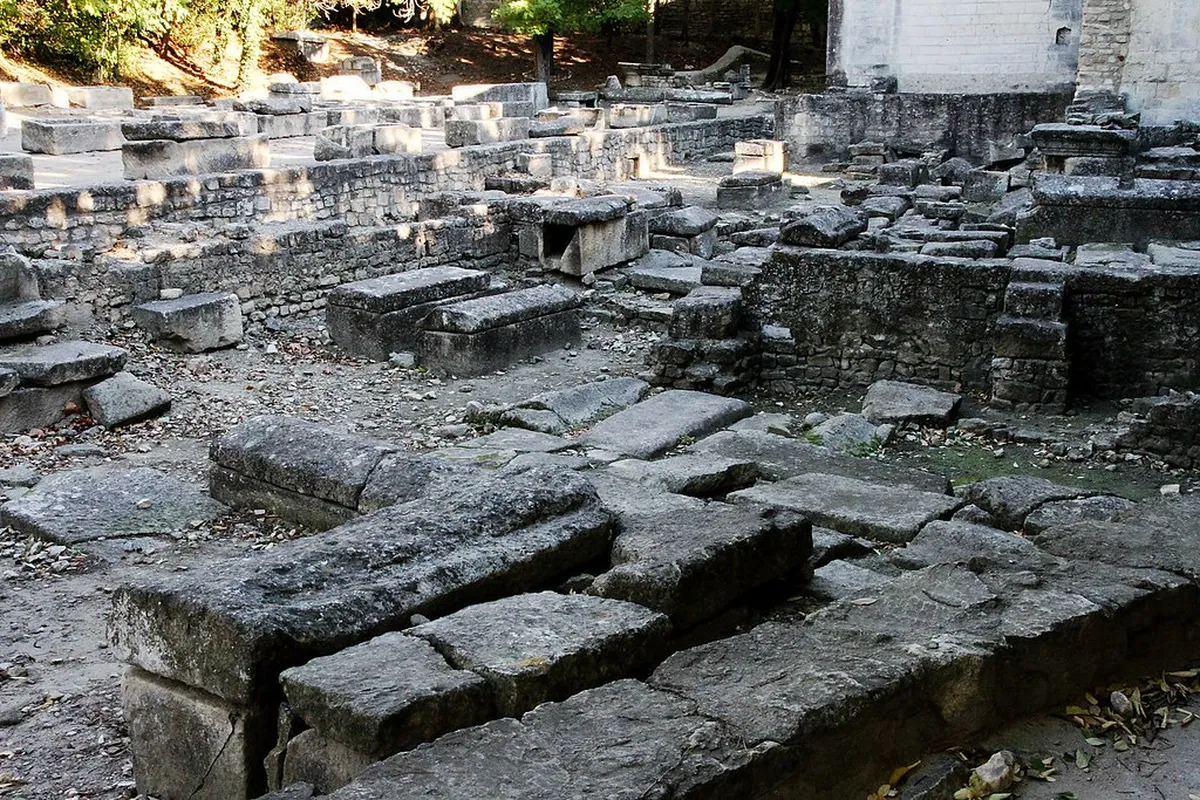
The Alyscamps landscape architecture offers a profound journey through time within the charming city of Arles, France. This historic necropolis showcases a transition from ancient Roman rituals to medieval Christian traditions through its unique layout. Visitors in 2025 will notice how the limestone sarcophagi line the paths in a rhythmic and solemn fashion. The intentional arrangement of these tombs creates a powerful visual narrative about life and death in classical antiquity.
Understanding the layers of Alyscamps architecture requires a keen eye for both natural elements and man-made structures. The site serves as a remarkable open-air museum that balances historic preservation with modern public accessibility. Large poplar trees provide a soft canopy that filters the Mediterranean sunlight over the heavy stone burial chests. This combination of nature and stone creates a serene atmosphere that has inspired famous artists for many centuries.
The Linear Progression of the Necropolis Design
The core of the Alyscamps landscape architecture lies in its distinctive linear path that guides every visitor forward. This long avenue once served as the primary entrance to the city of Arles during the Roman Empire era. Today, the walk begins at the modern entrance and stretches toward the distant ruins of the ancient church. This forced perspective creates a sense of monumental scale that honors the prominent citizens buried within the site.
The rhythmic placement of sarcophagi along the main path provides a structured cadence for those walking through the grounds. These stone tombs are not merely scattered but follow a deliberate alignment that emphasizes the historical road toward Arles. You will see varying styles of carvings that represent different eras of Roman and early Christian burial art. This orderly arrangement allows the eye to appreciate the sheer volume of history preserved in this single location.
From a landscape critique perspective, the simplicity of the grass verges against the grey stone is highly effective. The wide paths accommodate large groups of tourists while maintaining a feeling of quiet solitude and personal reflection. Maintenance crews keep the grounds pristine, ensuring that the ancient stones remain the primary focus of the visitor experience. Such a minimalist approach prevents the complex history of the site from feeling cluttered or visually overwhelming today.
During your 2025 visit, take note of the subtle elevation changes that occur as you walk the path. These natural slopes were likely integrated into the original Roman design to assist with drainage and site visibility. The engineering of the site shows a high level of sophistication regarding how water moves across the limestone surfaces. It is a testament to the enduring quality of Roman landscape planning that these features still function properly.
Vegetation and the Atmosphere of Romanesque Grounds
The role of vegetation in the Alyscamps landscape architecture is crucial for creating its famous and melancholy atmosphere. Tall poplar trees were planted during the eighteenth century to transform the cemetery into a romantic public promenade. These trees provide verticality that contrasts beautifully with the horizontal lines of the heavy stone sarcophagi on the ground. The rustling leaves add an auditory dimension to the site that enhances the feeling of peacefulness and antiquity.
Seasonal changes drastically alter the visual experience of the site for visitors traveling to Arles throughout the year. In autumn, the golden leaves of the poplars create a warm glow that reflects off the pale limestone tombs. This specific color palette was famously captured by artists like Vincent van Gogh during his stay in the city. Spring brings vibrant green hues that make the ancient ruins feel integrated into a living and breathing ecosystem.
The shade provided by the tree canopy is essential for the comfort of visitors during the hot Provençal summers. Temperatures in Arles often exceed thirty degrees Celsius, making the shaded paths a necessary sanctuary for many modern travelers. The landscape design effectively regulates the microclimate of the necropolis through this strategic use of mature deciduous trees. It creates a comfortable environment that encourages people to linger and study the intricate details of the masonry.
A critical look at the plantings reveals a deliberate choice to avoid colorful flowers or complex ornamental garden beds. This restraint ensures that the focus remains on the Romanesque necropolis design rather than modern gardening trends. The low-maintenance grass and tall trees respect the somber nature of the burial ground while providing necessary aesthetic structure. It is a masterclass in using limited plant palettes to achieve a specific emotional and historical impact.
The Architectural Anchor of Saint-Honorat Church
At the end of the long avenue stands the imposing ruins of the Saint-Honorat Church Arles architecture. This structure serves as the visual and spiritual anchor for the entire Alyscamps landscape architecture layout. Its massive stone walls and partially collapsed roof provide a dramatic focal point that draws visitors through the necropolis. The church represents the transition from pagan Roman practices to the Christian dominance of the Middle Ages in France.
The interior of the church features soaring arches and heavy columns that exemplify the strength of Romanesque building techniques. Even in its ruined state, the building commands respect through its sheer mass and the quality of its stone. Visitors can explore the chapels that line the interior, each offering a unique perspective on the surrounding landscape. The interplay of light and shadow within the roofless sections of the church is particularly striking for photographers.
Critiquing the church requires understanding how it sits within the broader context of the Arles historic landscape and town. The building is not isolated but is integrated into the surrounding burial plots through its external chapels and walls. This integration suggests a holistic approach to design where architecture and landscape were planned to function as one. The masonry of the church echoes the materials used in the sarcophagi, creating a unified visual language throughout.
Access to the church is included in the standard entry fee of approximately five euros for adult visitors today. The site is usually open from nine in the morning until six in the evening during the peak season. Walking through the tall nave allows you to appreciate the scale of medieval construction in the South of France. It remains one of the most significant examples of religious architecture within the entire UNESCO World Heritage site.
Integration of Alyscamps into Modern Arles
The Alyscamps landscape architecture does not exist in a vacuum but is closely tied to the modern city. High stone walls separate the quiet necropolis from the busy streets and nearby industrial areas of contemporary Arles life. This physical barrier is essential for preserving the tranquil atmosphere that makes the site so special for visitors. It creates a distinct boundary between the world of the living and the historical world of the dead.
Modern amenities like paved entryways and visitor centers have been added with careful consideration for the historic site integrity. These structures use neutral materials that do not compete with the ancient limestone of the tombs or the church. The placement of signage is discreet, providing necessary information without disrupting the visual flow of the historic landscape. Such careful planning ensures that the site remains functional for thousands of tourists every year in Arles.
The proximity of the site to the Luma Arles complex creates an interesting dialogue between ancient and contemporary design. Visitors can walk from the futuristic tower designed by Frank Gehry to the ancient stones of the Alyscamps. This contrast highlights the incredible architectural diversity that makes Arles a premier destination for lovers of global design. The landscape serves as a quiet counterpoint to the bold and shiny materials found in the nearby modern districts.
Transportation to the site is convenient, with several local bus lines stopping within a short walk of the entrance. Many visitors choose to arrive on foot from the city center to enjoy the historic streets of old Arles. The walking route allows you to see how the necropolis was once located outside the primary city defensive walls. This geographic context is vital for understanding why the site developed as a suburban burial ground for the Romans.
The Artistic Legacy of the Scenic Walkway
The aesthetic success of the Alyscamps landscape architecture is confirmed by its frequent appearance in major works of art. In 1888, both Van Gogh and Paul Gauguin painted various scenes of the avenue of tombs and poplars. Their paintings emphasize the perspective and the unique light that defines the experience of walking through the ancient grounds. These artworks have helped shape the global perception of Arles as a place of profound beauty and history.
A modern critique must acknowledge how these artistic representations influence our current expectations of the landscape and the site. We often look for the specific colors and shadows that were immortalized in the famous nineteenth-century oil paintings. Fortunately, the site management has worked hard to maintain the specific visual qualities that attracted those master painters. The preservation of the tree line and the tomb placement keeps the historic artistic vision alive for everyone.
The landscape design also serves as a popular subject for modern architectural photography due to its strong geometric lines. The repetition of the sarcophagi creates a compelling foreground for images of the Romanesque church in the soft distance. Photographers often visit during the golden hour to capture the long shadows stretching across the narrow and grassy paths. The site provides endless opportunities for creative compositions that explore the relationship between stone, light, and living nature.
Ultimately, the Alyscamps landscape architecture succeeds because it balances historical accuracy with a powerful and evocative sense of place. It is a site that feels authentic and unforced, despite the many centuries of human intervention and change. The design allows the history of Arles to speak through the stones while providing a beautiful park for reflection. It remains a mandatory stop for anyone interested in the intersection of landscape design and ancient urban history.
Frequently Asked Questions
What is the best time of day to visit the Alyscamps landscape in Arles?
The best time to visit is during the early morning or late afternoon hours in 2025. This timing allows you to avoid the largest crowds and experience the best lighting for photography. The low sun creates dramatic shadows that emphasize the texture of the ancient limestone tombs and the church.
How much does it cost to enter the Alyscamps site today?
The entry fee for adults is typically five euros, though prices may vary for students or large groups. This ticket grants you access to the entire necropolis and the interior of the Saint-Honorat Church ruins. It is a very affordable way to see one of the most famous sites in France.
Can I walk to Alyscamps from the center of Arles?
Yes, the site is located within a ten-minute walk from the main historic district of the city. The route is well-signed and takes you past several other interesting architectural landmarks along the way. Walking is the preferred method for most travelers who want to see the local urban landscape.
Are there guided tours available for the Alyscamps architecture?
Guided tours are often available through the Arles tourism office during the peak summer months of the year. These tours provide deep insights into the Roman history and the medieval evolution of the burial grounds. You can also find high-quality audio guides at the entrance for a self-paced historical experience.
The Alyscamps landscape architecture stands as a testament to the enduring power of thoughtful and historic spatial design. From its Roman roots to its modern status as a UNESCO site, it offers a unique cultural experience. Visitors should take their time to wander the shaded paths and admire the ancient stone craftsmanship in Arles. Plan your trip to this remarkable corner of France in 2025 to see these historic treasures in person.
Key Takeaways
- Arrive during the golden hour to capture the best photography of the stone sarcophagi.
- Budget at least one hour to walk the full length of the historic poplar avenue.
- Visit in autumn to see the stunning color contrast between the trees and limestone.
- Wear comfortable walking shoes for the uneven grass and stone paths throughout the site.
Related reads: architecturebycity.com, architecture in arles, roman architecture in arles.