
Exploring Stunning Architecture in Carcassonne
Discover the stunning architecture in Carcassonne. Learn about medieval walls and Gothic churches in our 2025 guide to this historic French city.
On this page
Carcassonne is a jewel of Southern France. It offers a unique look at medieval design. The stunning architecture in Carcassonne attracts millions of visitors. This city features two distinct parts. The upper fortress stands high on a hill. The lower town shows late medieval planning. Both areas offer rich visual history for travelers.
Walking through the gates feels like time travel. You will see thick stone walls and tall towers. This guide explores the best sites to visit in 2025. We will look at the famous stone ramparts first. Then we will explore the beautiful lower town. You will learn about the restoration of these sites. Every corner of the city tells a deep story.
The Iconic Fortifications of the Cité
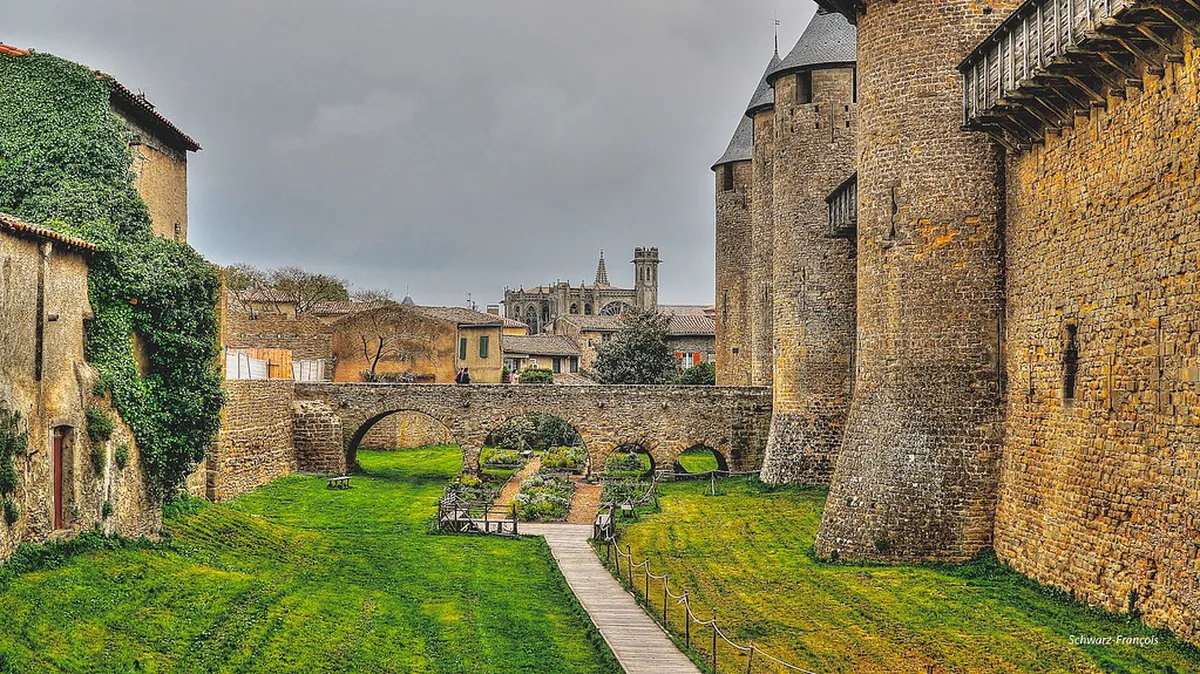
The upper city remains a masterpiece of military engineering. Two massive stone rings protect the historic center. These walls have stood for many centuries. They represent the core architecture in Carcassonne.
There are fifty-two towers along the ramparts. Each tower has a specific defensive design. Visitors can walk along the Cite de Carcassonne fortifications today. The views from the top are truly amazing.
Key features of the walls include:
- Hoarding galleries for protection during battles.
- Large limestone blocks used for maximum strength.
- Crenelations designed for archers to hide behind.
- Deep ditches that surround the outer stone walls.
The inner wall dates back to Roman times. It features small stones and red brick layers. The outer wall was built much later. It provides a deeper layer of protection for residents.
You should visit the Narbonnaise Gate first. It serves as the main entrance to the fortress. The gate features heavy iron bars and doors. It showcases the strength of medieval design perfectly.
Viollet-le-Duc and the Great Restoration
The city almost fell into ruin in the 1800s. Many people wanted to tear the walls down. Architect Eugène Viollet-le-Duc saved the historic site. He began a massive restoration project in 1844.
His work defined the modern architecture in Carcassonne. He added pointed roofs to the towers. Some critics argued these roofs were not original. However, they created the city’s iconic silhouette.
You can learn about Viollet-le-Duc Carcassonne restoration at the museum. He used materials found in the local area. This kept the look consistent across the fortress. The result is a stunning medieval fantasy world.
The project took over fifty years to finish. It remains one of the largest restorations in Europe. Today, it is a UNESCO World Heritage site. This status honors the architect’s great vision.
Visit the Château Comtal to see his detailed work. This castle sits inside the main city walls. It features a dry moat and wooden bridges. The restoration highlights the castle's defensive power clearly.
The Gothic and Romanesque Religious Sites
Religious buildings offer a change in style here. The Basilica of Saints Nazarius and Celsus is stunning. It blends two major European architectural styles beautifully. You will see both Romanesque and Gothic features.
The central nave is heavy and dark. It represents the older Romanesque period of design. The choir section is light and airy. It showcases the beauty of the Gothic style.
Look for the famous basilique saint nazaire stained glass architecture inside. These windows date back to the 13th century. They fill the space with vibrant colors. The light changes throughout the whole day.
Another important site is the Saint Michael Cathedral. It is located in the lower town area. This church serves as the main bishop's seat. It features a wide nave and tall windows.
The architecture in Carcassonne includes many smaller chapels. Each building uses local grey and yellow stone. The masonry work is detailed and very impressive. Take time to study the carved stone portals.
Urban Planning of the Bastide Saint-Louis
King Louis IX founded the lower town in 1247. It is known as the Bastide Saint-Louis. The layout follows a strict grid pattern. This was a very modern idea then.
Most streets meet at right angles here. This makes the Bastide Saint Louis urban planning easy to navigate. The central square is called Place Carnot. It serves as the heart of the community.
Many beautiful mansions line the streets here. These houses belonged to wealthy medieval merchants. They feature stone facades and ornate balconies. You can find hidden courtyards behind many doors.
The lower town offers a different vibe today. It is filled with shops and local cafes. Most of the buildings date from the 17th century. They show how architecture in Carcassonne evolved.
You should walk across the Pont Vieux bridge. It connects the upper city to the lower town. The bridge features stone arches and smooth paving. It offers the best photos of the fortress.
The Engineering of the Canal du Midi
Architecture in Carcassonne is not just about buildings. The Canal du Midi is a great feat. This waterway connects the Atlantic to the Mediterranean. It passes through the heart of the city.
Pierre-Paul Riquet designed this massive project. It features many locks and stone bridges. You can see the Canal du Midi engineering and bridges today. They demonstrate 17th-century technical skills clearly.
The canal banks are perfect for walking trails. Tall plane trees provide shade for visitors. You can watch boats pass through the locks. It is a very peaceful area to explore.
The canal is also a UNESCO site. It highlights the importance of trade in France. The masonry work is still in good condition. It remains a vital part of the city.
Check the lock schedules before you visit. The Ecluse de Carcassonne is very active. Watching the water levels change is fascinating. It shows the power of human engineering.
Frequently Asked Questions
What is the most famous example of architecture in Carcassonne?
The Cite de Carcassonne is the most famous example. It features double walls and fifty-two towers. This fortress represents medieval military design at its peak. You can see it from miles away.
Can I walk on the ramparts of the city?
Yes, you can walk on the ramparts. You should check the visiting the Carcassonne ramparts guide for hours. The entrance fee is about 11 Euros. It is worth every cent for the views.
Who restored the medieval city walls?
Eugène Viollet-le-Duc led the restoration project. He started the work in the mid-1800s. He wanted to return the city to glory. His vision shaped what we see today.
Architecture in Carcassonne offers a trip through time. You can see Roman, medieval, and 19th-century styles. The city is a masterpiece of stone and wood. Plan your trip for the spring or fall. These seasons offer the best walking weather. You can join architectural walking tours Carcassonne to learn more. The history of this place is truly endless. Make sure to bring a good camera. You will want to remember every detail.
Key Takeaways
- Visit the Narbonnaise Gate to see heavy medieval defenses.
- Explore the Bastide Saint-Louis for unique 13th-century grid planning.
- Look at the stained glass in the Basilica for Gothic beauty.