
Basilique Saint-Nazaire Stained Glass Architecture Guide
Explore the stunning Basilique Saint-Nazaire stained glass architecture in Carcassonne. Discover Gothic history and plan your 2025 visit to France today.
On this page
The Basilique Saint-Nazaire stained glass architecture captures the light of southern France beautifully. It is a masterpiece of Gothic and Romanesque design found in the city of Carcassonne. This sacred site offers a unique visual journey through centuries of religious and artistic history.
Visitors often feel awestruck by the vibrant colors glowing in the sunlight today. The glass panels date back to the late thirteenth and fourteenth centuries in France. They represent some of the finest examples of medieval craftsmanship in the entire region. Explore the architecture in Carcassonne through these magnificent and ancient windows.
History of the Basilica and its Windows
The history of this ancient site begins during the Romanesque period in the eleventh century. Pope Urban II blessed the foundation stones of the cathedral in the early year 1096. This early structure featured heavy stone walls and very small, narrow window openings for protection. It reflected the protective nature of Gothic and Romanesque churches in Carcassonne.
Builders expanded the original church during the high Gothic era in the late thirteenth century. They replaced the Romanesque choir with a much larger and brighter Gothic sanctuary for the city. This expansion allowed for massive window spaces to hold intricate colored glass from local artisans. These changes transformed the interior into a space filled with a beautiful and heavenly light.
The stained glass windows depict various biblical stories and the lives of many different saints. Artisans crafted these pieces with deep blues, vibrant reds, and brilliant golden yellow color tones. They used lead strips to hold thousands of small glass pieces in place for stability. These windows served as visual books for people who could not read the Latin texts.
Many original panels survived the centuries despite several wars and various major social changes. Local people protected the basilica during the turbulent years of the long French Revolution era. Today, you can see the results of careful preservation efforts throughout the entire sacred building. The glass remains one of the most significant architectural treasures found in the city today.
Romanesque and Gothic Structural Harmony
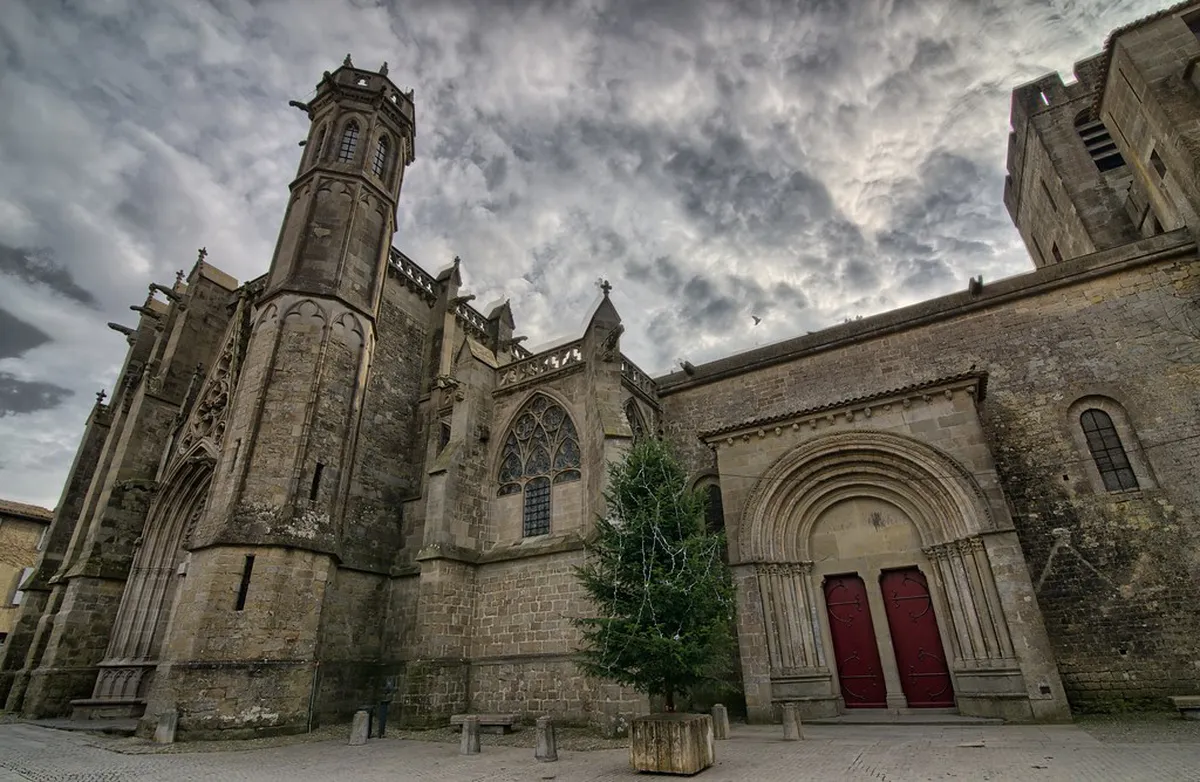
This building showcases a perfect blend of two distinct and important European architectural styles. The nave maintains its original Romanesque character with thick columns and heavy rounded arches. It creates a sense of solid permanence and quiet reflection for every single visitor. This section provides a sharp contrast to the lighter elements found in the Gothic choir.
The choir and transept represent the absolute peak of the French Radiant Gothic style. These sections feature tall, slender pillars and delicate stone tracery around the ancient glass work. The transition between these two styles is seamless and visually impressive for everyone to observe. It highlights the evolving skills of medieval stonemasons and the master builders of France.
Architects used flying buttresses to support the high walls of the new Gothic choir section. This technique removed the need for thick walls near the large stained glass windows today. It allowed for maximum light to enter the sacred space during the bright daylight hours. The result is an ethereal glow that changes with the moving sun across the sky.
You will notice how the light softens the heavy stone of the older Romanesque nave. The interaction between shadow and colored light creates a mystical atmosphere for all of our guests. Exploring this contrast is a highlight of the Cite de Carcassonne fortifications area. This harmony makes the basilica a unique stop on any modern travel itinerary for 2025.
The Magnificent Rose Windows and Symbolism
Two massive rose windows dominate the north and south transepts of the historic basilica. These circular windows are famous for their complex geometric patterns and deep, rich colors. The north rose window features cool blue tones representing the purity of the Virgin Mary. It faces the cooler side of the building to maintain a perfect color balance.
The south rose window radiates with the warm reds and bright oranges of the sun. It depicts Christ surrounded by various apostles and heavenly angels in a large perfect circle. This placement ensures the window catches the brightest light of the warm midday sun daily. The colors appear to dance across the old stone floors during the clear afternoon hours.
Stained glass served a higher purpose than simple decoration in the busy medieval world. Each color and figure held a specific meaning for the faithful and local church community. Gold represented divinity while blue symbolized the heavens and the eternal spirit world for believers. These symbols helped people connect with complex religious ideas through the use of beauty.
Large lancet windows stand below the rose windows to provide additional vertical light to the space. These tall windows often show scenes from the tree of Jesse or the life of Christ. The scale of the Basilique Saint-Nazaire stained glass architecture is truly impressive for a medieval structure. You should take a moment to sit and observe the changing light on the stone.
Basilique Saint-Nazaire Stained Glass Architecture
The basilica underwent a major restoration during the middle of the nineteenth century in France. Famous architect Eugene Viollet-le-Duc led the project to save the crumbling medieval structure. He focused on repairing the stone tracery and cleaning the ancient glass panels with care. His work ensured the survival of the building for future generations to enjoy in Carcassonne.
Workers carefully removed each piece of glass to clean away centuries of dark dirt and grime. They used traditional methods to ensure the colors remained bright and historically accurate for the site. Viollet-le-Duc believed in restoring buildings to a complete and ideal architectural state for the public. This philosophy influenced how the stained glass appears to visitors during their 2025 travel.
Some missing panels were replaced with new glass that matched the original medieval style perfectly. Artists studied the surviving pieces to recreate the specific shades of ancient pigments for the church. This careful attention to detail preserves the visual integrity of the entire Gothic sanctuary today. The restoration remains a vital and important part of the long history of this basilica.
Today, the glass is in excellent condition thanks to these historic and modern conservation efforts. Regular maintenance continues to protect the windows from the effects of weather and urban pollution. You can appreciate the fine craftsmanship from both the interior and exterior views of the church. This dedication keeps the Basilique Saint-Nazaire stained glass architecture looking truly spectacular for visitors.
Practical Tips for Visiting in 2025
Plan your visit for a sunny day to see the windows at their absolute best. The light is most dramatic during the early morning or late afternoon hours in France. Entrance to the basilica is generally free for all visitors throughout the entire year. Please check for any scheduled religious services before you enter the main Gothic sanctuary.
The basilica is located within the historic walls of the famous medieval citadel of Carcassonne. Wear comfortable walking shoes as the cobblestone streets are quite uneven and steep for travelers. You can reach the site easily by walking from the main Narbonnaise gate entrance area. Allow at least one hour to fully appreciate the glass and the stone details inside.
Photography is allowed inside the building but you should never use a flash while shooting. Flash can damage the ancient pigments and disturb people who are there to pray silently. Use a tripod or high ISO settings to capture the colors in the low light. Respect the silence of the space as it remains an active place of daily worship.
Consider joining a guided tour to learn more about the specific window panels and history. Local guides provide excellent stories about the saints and the wealthy patrons depicted in the glass. You might find a tour that combines the church with the nearby medieval rampart walk. This provides a complete picture of the medieval history of this beautiful French city.
Frequently Asked Questions
In what century was the stained glass at Basilique Saint-Nazaire created?
The oldest pieces of glass date back to the late thirteenth century in the choir. Artisans added more panels during the fourteenth century as the Gothic sections were completed. Some parts were later restored during the nineteenth century to maintain their original beauty. These layers of history create the masterpiece that we see today in the church.
Where exactly is the Basilique Saint-Nazaire located within the city walls?
The basilica sits inside the walled medieval city known as the Cite de Carcassonne. It is located near the southern walls close to the famous Hotel de la Cite. You can find it easily by following signs for the ancient cathedral and the ramparts. This location makes it a central part of any tour of the medieval fortifications.
Is there a cost to see the stained glass architecture?
Entering the Basilique Saint-Nazaire is free for the public to enjoy throughout the year. Some special guided tours may require a small fee for the expert commentary provided. Always check the official website for any changes to opening hours or holiday fees. Most visitors find the Basilique Saint-Nazaire stained glass architecture to be a great value.
The Basilique Saint-Nazaire stained glass architecture is a must-see wonder in the south of France. Its blend of Romanesque strength and Gothic light creates a truly unique spiritual experience. Make sure to include this historic site in your 2025 travel plans to Carcassonne. You will leave with a deep appreciation for the artistry of the medieval world.
Key Takeaways
- Visit during sunny afternoons for the best light effects in the choir.
- Look for the contrast between Romanesque and Gothic architectural styles.
- Entrance is free, but please respect the active religious services held daily.
Related reads: architecturebycity.com, cathedrale saint michel architecture, romanesque vs gothic features in carcassonne.