
Architecture in Chamonix: A Guide to Alpine Beauty
Discover the stunning architecture in Chamonix from Belle Epoque hotels to modern chalets. Plan your 2025 architectural tour of the French Alps today!
On this page
Chamonix is a famous mountain town located in the heart of the French Alps near Mont Blanc. The architecture in Chamonix reflects a rich history spanning over two centuries of mountain tourism and development. Visitors in 2025 can see a unique blend of traditional wood chalets and grand urban structures. This town offers a visual timeline of how humans adapted to life in a high-altitude environment.
Walking through the streets reveals a surprising variety of styles that define the valley's unique character and charm. You will find everything from rustic farmhouses to majestic luxury hotels that served European royalty in the past. Each building tells a story about the climbers, artists, and pioneers who shaped this iconic alpine destination. Exploring these sites is essential for anyone interested in the cultural heritage of the French Savoie region.
The town center is particularly famous for its mix of classic and contemporary designs that stand against snowy peaks. Many travelers enjoy a Chamonix architecture walking tour to see these landmarks up close. This guide explores the most significant styles and structures you will encounter during your visit to Chamonix. Prepare to discover how local materials and international influences created one of the world's most beautiful mountain towns.
Grand Belle Epoque Hotels of the Valley
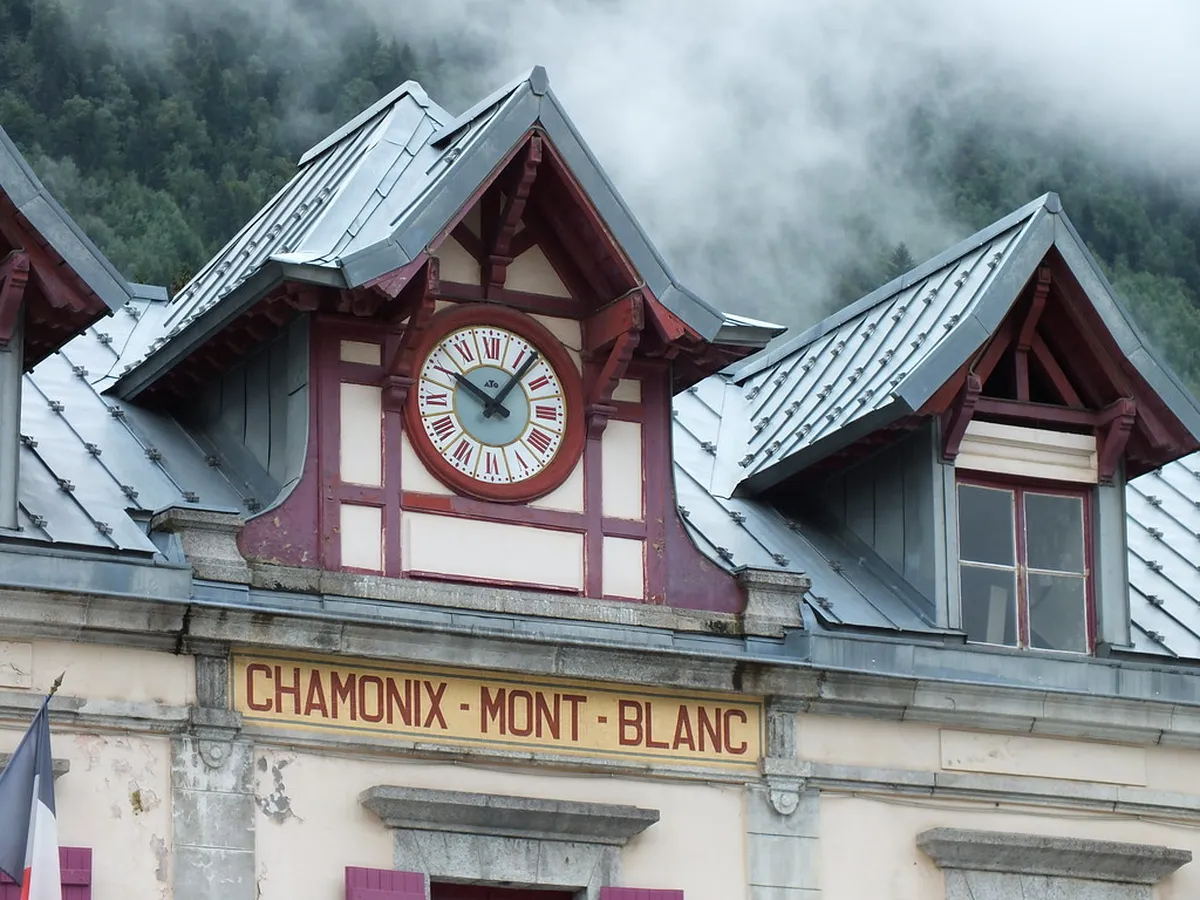
The arrival of the railway in the early 1900s triggered a massive building boom in the Chamonix valley. Developers built massive luxury hotels to accommodate the wealthy tourists who flocked to see the surrounding glaciers. These structures brought Parisian elegance to the rugged mountains with their ornate facades and impressive slate roofs. Many of these buildings still dominate the skyline and serve as landmarks for modern visitors today.
One of the most famous examples is Le Majestic which stands as a symbol of early twentieth-century luxury. These Belle Epoque hotels in Chamonix featured grand ballrooms, high ceilings, and sprawling gardens for their guests. The architects used stone and plaster to create a look that was both sturdy and incredibly sophisticated. You can still see the intricate ironwork and decorative balconies that characterize this opulent period of alpine history.
Le Savoy and the Grand Hotel are other prominent examples of this historical architectural style in the town. These buildings were designed to provide maximum comfort while offering breathtaking views of the Mont Blanc massif. Their massive size stood in stark contrast to the small wooden huts that previously defined the local landscape. Today, many have been converted into luxury apartments or cultural centers that preserve their historic exterior charm.
Staying in or visiting these heritage sites offers a glimpse into the golden age of alpine tourism in France. The preservation of these facades is strictly regulated to maintain the historic aesthetic of the town center area. Most of these grand palaces are located within walking distance of the main shopping streets and train station. They represent a time when Chamonix transitioned from a farming village into a world-class mountain resort destination.
Photographers often gather around these buildings during the golden hour to capture the light hitting the white stone. The contrast between the formal architecture and the wild mountain backdrop creates a stunning visual experience for all. You should take time to look at the symmetry and classical proportions used in these early hotel designs. They remain some of the most photographed and beloved structures in the entire Chamonix valley in 2025.
Traditional Savoyard Vernacular Styles
Long before the grand hotels arrived, local people built simple structures using materials found directly in the mountains. This Savoyard vernacular architecture focuses on functionality and protection against the harsh winter climate of the Alps. Builders used heavy timber frames and thick stone walls to keep heat inside during the freezing winter months. These traditional homes are often called chalets and feature steep roofs to shed heavy snowfall easily.
Stone was primarily used for the base of the buildings to protect the wood from damp ground conditions. The upper floors were constructed from local larch or pine which aged into a deep chocolate brown color. Small windows were a common feature to minimize heat loss while providing enough light for daily indoor tasks. You can see these historic farmhouses in neighborhoods like Les Praz and Argentière just outside the center.
Another unique feature of local building is the mazot which is a small secondary structure used for storage. These tiny wooden huts held valuable documents, grains, and family treasures away from the main house in case of fire. They are built on stilts with flat stones to prevent rodents from entering the storage area above. Today, many locals have converted these charming little buildings into guest houses or small garden offices for modern use.
The orientation of these traditional buildings was carefully planned to maximize sunlight and protection from prevailing winds. Builders often placed the main living quarters facing south to capture as much natural heat as possible during winter. Overhanging eaves provided shade in the summer and kept snow away from the wooden walls in the winter. These practical design choices show the deep understanding local people had of their environment over many centuries.
Walking through the older hamlets allows you to appreciate the craftsmanship involved in traditional alpine carpentry and masonry. Modern builders still use these classic proportions when designing new chalets to ensure they blend with the historic surroundings. The use of natural materials creates a warm and inviting atmosphere that remains popular with property buyers in 2025. This architectural style remains the heart and soul of the mountain identity in the French Alps.
Engineering Feats and High Altitude Design
Chamonix is home to some of the most impressive high-altitude engineering projects in the entire world today. The construction of the Aiguille du Midi cable car station remains a marvel of mid-century design and technical skill. Perched at 3,842 meters, this structure had to withstand extreme winds and freezing temperatures during its difficult construction. The Aiguille du Midi architectural engineering used steel and concrete to anchor the station into solid rock.
Modern mountain infrastructure in the valley often features a minimalist or brutalist style that prioritizes strength and visibility. Large concrete lift stations were built in the 1950s and 1960s to handle the growing number of ski tourists. These buildings often have sharp angles and raw surfaces that reflect the rugged nature of the surrounding granite peaks. They serve as a reminder of the mid-century push to make the high mountains accessible to everyone.
In recent years, architects have focused on creating structures that are nearly invisible or blend perfectly with the peaks. New mountain huts and refuges use reflective glass and metallic skins to mimic the surrounding ice and snow fields. The high altitude refuges design must account for helicopter transport of materials and extreme weather conditions. These buildings provide essential shelter for climbers while pushing the boundaries of what is possible in modern architecture.
The Step into the Void glass skywalk is a prime example of modern architectural daring at high elevation. This glass box allows visitors to stand over a 1,000-meter drop while feeling completely safe and secure. Engineers used specialized triple-layered glass and steel supports to ensure the structure could handle heavy winds and snow. It has become one of the most visited architectural sites in France since its completion a few years ago.
Building at these heights requires a deep understanding of physics and the unique challenges of the alpine environment. Every piece of equipment and material must be flown in or carried up the mountain by specialized transport systems. The result is a collection of structures that are as much works of art as they are functional buildings. These engineering feats define the modern identity of Chamonix as a leader in mountain exploration and design.
Baroque Churches and Sacred Architecture
Religious buildings in the Chamonix valley offer a striking contrast to the rustic chalets and modern concrete lift stations. The region is famous for its collection of Chamonix baroque churches which feature highly decorative interiors and soaring steeples. These churches were often funded by locals who found success as guides or merchants in other parts of Europe. They brought back the flamboyant styles of the Italian and French courts to their humble mountain villages.
Saint Michel Church in the center of Chamonix is a primary example of this beautiful and historic style. From the outside, the church appears relatively simple with its stone walls and classic alpine bell tower design. However, the interior is filled with gold leaf, intricate wood carvings, and colorful frescoes that tell religious stories. The contrast between the cold mountain exterior and the warm golden interior is a hallmark of Savoyard baroque.
Smaller chapels can be found scattered throughout the various hamlets and villages that make up the Chamonix valley area. These tiny buildings served as local gathering points for prayer when the main town was too far to reach. Many feature unique paintings on their facades that have been carefully restored by local heritage groups in recent years. They remain active places of worship and are essential parts of the valley's cultural and architectural landscape.
The architecture of these sacred spaces was designed to inspire awe and provide comfort to the local mountain communities. Builders used local stone for the foundations but imported fine pigments and gold for the interior decorative elements. You can find detailed altarpieces that were carved by master craftsmen from the nearby valleys of the Savoie region. These churches are open to the public and offer a quiet place for reflection amidst the busy town.
Visiting these sites provides a deeper understanding of the spiritual history of the people living under Mont Blanc. The baroque trail through the valley connects several of these historic gems for those interested in religious art. Each church has its own unique character and collection of artifacts that date back several hundreds of years. They represent the artistic heart of the community and its enduring connection to historical European design trends.
Sustainable Design and Future Alpine Building
As the climate changes, the focus of architecture in Chamonix has shifted toward sustainability and energy efficiency for 2025. New constructions now prioritize high-quality insulation and renewable energy sources like solar power and geothermal heating systems. The sustainable mountain construction in Chamonix uses eco-friendly materials that reduce the carbon footprint of buildings. This approach ensures that the beautiful mountain environment is protected for future generations of visitors to enjoy.
Many new chalets feature large glass walls that use passive solar gain to heat the living spaces naturally. Architects are finding ways to combine modern glass and steel with traditional wood and stone in innovative ways. This creates a contemporary look that still honors the heritage of the valley and its traditional building styles. These eco-friendly homes are often hidden among the trees to minimize their visual impact on the landscape.
Public buildings are also being renovated to meet modern environmental standards while preserving their historic and cultural significance. The town has implemented strict rules regarding the use of local wood and stone in all new projects. This supports local industries and ensures that new buildings have a genuine connection to the surrounding alpine terrain. You will see many examples of these green building practices during a walk through the newer neighborhoods.
Innovative designs like the Refuge du Goûter show what is possible with modern eco-friendly technology at high altitudes. This spherical building was designed to be entirely self-sufficient in terms of energy and water management for guests. It uses high-tech materials and aerodynamic shapes to withstand the extreme weather conditions found on the Mont Blanc route. This structure serves as a model for future mountain buildings around the entire world today.
The future of architecture in Chamonix will likely continue to balance traditional aesthetics with cutting-edge green technology. Residents and developers alike are committed to maintaining the beauty of the valley while adapting to modern needs. Choosing sustainable materials and energy systems has become a point of pride for many local architects and builders. This commitment to the environment ensures that Chamonix remains a beautiful and viable destination for many years.
Frequently Asked Questions
What is the most common architectural style in Chamonix?
The most common style is the traditional Savoyard chalet which uses wood and stone materials. You will also see many Belle Epoque grand hotels in the town center area. These styles reflect the town's history as a farming village and a luxury resort.
Can I tour the historic hotels in Chamonix?
Many historic hotels are still active and welcome visitors to their lobbies and public restaurant areas. Some have been converted into museums or apartment buildings with preserved facades for the public. You can see many of them on a self-guided walking tour through the center.
Why are the roofs in Chamonix so steep?
Steep roofs are designed to prevent heavy snow from accumulating and damaging the structure of the building. The snow slides off naturally which keeps the house safe during the long winter months in France. This is a practical feature of almost all traditional alpine architecture in the region.
Are there modern buildings in Chamonix?
Yes, Chamonix has many modern structures including contemporary glass chalets and high-tech mountain lift stations. Architects today focus on sustainability while using traditional materials like larch wood and local granite. These new designs often blend into the mountainside to protect the natural beauty of the area.
The architecture in Chamonix is a fascinating mix of history, engineering, and traditional mountain culture. From the golden interiors of baroque churches to the glass boxes on mountain peaks, there is much to see. Plan your visit in 2025 to experience this unique visual heritage in the heart of the French Alps. For more information on local sites, check out a guide to city architecture before you travel.
Key Takeaways
- Chamonix features a unique blend of Belle Epoque luxury and traditional Savoyard wood chalets.
- High-altitude engineering has created world-class structures like the Aiguille du Midi cable car station.
- Sustainability and eco-friendly design are the primary focus for new constructions in the valley for 2025.
Related reads: belle epoque hotels in chamonix.