
Best Chamonix Architecture Walking Tour 2025
Join our Chamonix architecture walking tour in 2025. Discover Belle Époque hotels and alpine engineering on this expert visitor itinerary. Start your tour now!
On this page
Chamonix is more than just a famous ski resort in the French Alps. This Chamonix architecture walking tour reveals the town's hidden history through its diverse building styles. You will find layers of history from rustic mountain huts to grand luxury palaces. The town sits at the base of the mighty Mont Blanc massif. Visitors often look at the peaks but miss the beauty of the buildings. Our 2025 guide helps you explore the best architecture in Chamonix today.
This self-guided walk takes you through the heart of the valley. You will see how tourism changed the local landscape over two centuries. The route is easy to follow and suitable for all fitness levels. Expect to spend about three hours exploring the various streets and squares. Bring a camera to capture the unique mix of traditional and modern designs. Each turn offers a new perspective on how people live in the mountains.
Traditional Savoyard Vernacular Styles
The earliest buildings in Chamonix were built for survival in harsh winters. These traditional Savoyard structures used local materials like granite, larch wood, and heavy slate. You can still find these sturdy farmhouses in the quieter parts of the valley. They often feature low roofs to hold a thick layer of insulating snow. The ground floors were traditionally used to house livestock during the coldest months. This layout provided natural heating for the living quarters located directly above.
Many of these old structures have been carefully restored for modern use. Builders today try to respect the original proportions while adding modern comfort. You will notice the use of thick stone walls and small window openings. These features kept the interior warm before the invention of modern heating. Look for the decorative wooden balconies that face the sun to catch winter light. These details show the wisdom of ancient mountain builders who understood the local climate.
The Les Praz neighborhood is a great place to see these authentic designs. It is just a short walk from the busy town center of Chamonix. You can see how the community once functioned around shared bread ovens and fountains. These communal spaces were the social heart of every mountain village in France. Modern architects still look to these humble roots for inspiration in new projects. They aim to blend sustainable materials with the classic aesthetic of the Haute-Savoie region.
Walking through these areas feels like stepping back into the eighteenth century. The contrast between the rough stone and the soft wood is visually striking. Notice the heavy wooden doors designed to withstand heavy snow and strong winds. These buildings were never meant to be flashy or overly decorative. Their beauty comes from their simple functionality and harmony with the natural environment. Take time to observe the intricate joints in the timber framing without using metal nails.
Belle Époque Grandeur and Luxury Hotels
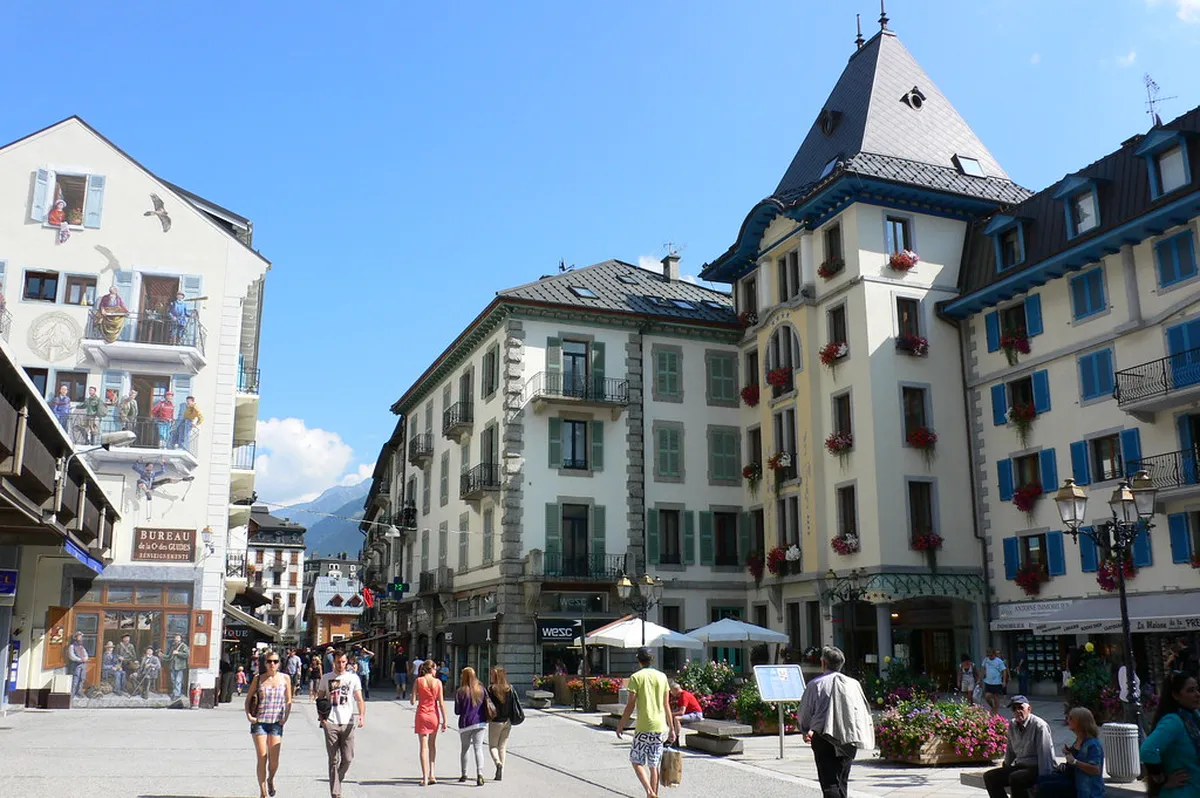
The arrival of the railway in 1901 changed the face of Chamonix forever. Wealthy travelers from across Europe began to visit the valley in large numbers. This led to a construction boom of massive, ornate palaces and luxury hotels. These buildings brought a touch of Parisian elegance to the rugged mountain scenery. You can see these giants standing tall over the town's pedestrian streets. Many still operate as high-end accommodations or apartments for visitors in 2025.
One of the best examples is the former Majestic Palace located near the center. It features wide balconies and grand arched windows typical of the era. The white facades reflect the sun and stand out against the green forests. You can explore more of these sites by viewing Belle Époque hotels in Chamonix during your walk. These structures represent a time of great optimism and growing international fame. They transformed Chamonix from a rural village into a world-class destination.
Notice the intricate wrought iron railings and decorative plasterwork on the exterior walls. These details were meant to impress the wealthy guests who arrived by train. The interiors often featured grand ballrooms and high ceilings with ornate chandeliers. Architects during this period blended classical elements with the latest building technologies. They used reinforced concrete to create larger spaces and more complex shapes. This allowed for the creation of wide terraces with panoramic views of the glaciers.
These hotels often have beautiful gardens that provide a peaceful escape from the crowds. You can walk through the public areas to appreciate the scale of the architecture. The transition from wood to stone marked a shift in social status for the town. It showed that Chamonix was ready to host royalty and famous mountaineers. Today, these buildings remain some of the most photographed landmarks in the entire valley. They serve as a reminder of the golden age of Alpine tourism.
Baroque Religious Architecture in the Valley
Religious buildings offer another layer to your Chamonix architecture walking tour. The local churches reflect the deep faith and history of the mountain people. St. Michel Church in the center is a primary stop for any visitor. It features a stunning silver spire that glitters against the mountain backdrop. The exterior may seem simple, but the interior tells a very different story. It is filled with gold leaf, ornate carvings, and vibrant colorful paintings.
The Chamonix baroque churches were designed to inspire awe and wonder in the congregation. This style was popular in the Savoy region during the seventeenth and eighteenth centuries. Local craftsmen traveled across the Alps to learn these sophisticated decorative techniques. They brought back ideas from Italy and Switzerland to beautify their local parishes. The contrast between the rugged outside world and the heavenly interior is intentional. It provided a sense of warmth and divine presence during long winters.
Look closely at the altarpieces, which are often the focal point of the church. They are carved from wood and gilded with real gold for a brilliant finish. These works of art were often funded by locals who worked abroad as merchants. They sent money back to their home villages to build these magnificent structures. The use of light and color was meant to create a theatrical experience. This was a hallmark of the Baroque movement across Catholic Europe at the time.
Many smaller chapels are scattered throughout the surrounding hamlets like Les Bossons. These tiny buildings served small groups of farmers who lived far from the center. They often have unique features like painted facades or unusual bell towers. Each one has a story to tell about the community that built it. Visitors in 2025 can still enter many of these chapels for quiet reflection. They remain active centers of spiritual life for the local French residents.
Modernism and High Altitude Engineering
Chamonix is also a pioneer in modern mountain engineering and high-altitude design. The construction of the cable cars required radical new architectural thinking. The Aiguille du Midi station is a prime example of building in extreme environments. It clings to a granite peak at an altitude of 3,842 meters. The Aiguille du Midi architectural engineering is a marvel of the twentieth century. It combines functionality with the need to resist heavy winds and ice.
Back in the town center, you will see traces of Brutalist and Modernist styles. These buildings often use raw concrete and sharp geometric shapes to make a statement. They reflect the rapid expansion of the resort during the 1960s and 1970s. This was a time when skiing became a popular sport for the masses. Architects wanted to create efficient buildings that could house many people at once. These structures contrast sharply with the traditional wooden chalets found nearby.
In 2025, new construction focuses on sustainability and energy efficiency in the mountains. You will see buildings that use solar panels and advanced insulation materials. These modern structures aim to have a low impact on the fragile Alpine environment. They often use recycled wood and local stone to blend with the landscape. Architects now prioritize large glass windows to maximize natural light and heat. This reduces the need for artificial lighting and heating during the sunny days.
The infrastructure for the 1924 Winter Olympics also left a lasting mark on the town. You can still see the influence of that era in the sports facilities. The ice rink and surrounding buildings show early twentieth-century modernism at its best. These sites were designed to handle large crowds and international media attention. They helped establish Chamonix as a leader in winter sports technology and design. Today, these areas continue to host world-class events for athletes and fans.
Art Deco Details and Urban Design
The pedestrian streets of Chamonix contain many hidden Art Deco gems. This style became popular after the first Winter Olympics held in the town. You can find these details on shop fronts, cinemas, and even the local casino. Look for geometric patterns, stylized fonts, and decorative ironwork along the main boulevards. These features added a sense of modern glamour to the mountain town. The Art Deco buildings in Chamonix are often painted in soft pastel colors.
Walking along the River Arve provides a great view of these urban designs. The bridges and riverside paths were carefully planned to enhance the town's beauty. You will see how the water flow is managed through stone-lined channels. This engineering protects the town from flooding during the spring snowmelt. The urban layout allows for easy navigation between the different historical districts. It creates a walkable environment that is perfect for a self-guided tour.
Take a moment to look at the balconies and window frames on the upper floors. You will see elegant curves and repeating patterns that define the Art Deco era. Many of these buildings have been restored to their original 1920s appearance. They offer a sophisticated contrast to the rustic wood of the alpine chalets. The use of metal and glass reflects the industrial progress of that time. These materials were seen as symbols of modern life in the high mountains.
The town center is also home to several public squares and small parks. These spaces were designed to provide views of the surrounding peaks. They often feature statues of famous mountaineers like Jacques Balmat and Michel Paccard. These monuments are integrated into the architectural fabric of the town center. They remind visitors of the human courage that defines Chamonix's history. Exploring these areas on foot allows you to notice the smallest decorative details.
Frequently Asked Questions
How long does a Chamonix architecture walking tour take?
A standard walking tour usually takes between two and three hours to complete. This allows enough time to see the main town center and nearby neighborhoods. You can move at your own pace and stop for photos easily. Most of the route is flat and easy to walk on paved streets.
Are there guided architecture tours available in Chamonix?
Yes, the local tourist office often organizes guided tours led by architectural experts. These tours provide deeper insight into the history of specific buildings in the valley. You can also find independent guides who specialize in alpine history and design. Booking in advance is recommended during the peak summer and winter seasons.
What is the best time of year for an architecture tour?
Late spring and early autumn are the best times for a walking tour. The weather is usually mild and the streets are less crowded than in winter. You can see the architectural details clearly without being blocked by large snow piles. Summer is also great, but the town can be very busy with hikers.
Is the architecture walking tour accessible for everyone?
The main town center of Chamonix is very accessible with flat pedestrian zones. Most of the historical buildings can be viewed easily from the public sidewalks. Some higher neighborhoods like Les Praz require a short walk or a bus ride. Overall, it is a very friendly route for families and those with limited mobility.
Do I need to pay to see these architectural sites?
Most of the architecture can be enjoyed for free from the outside. The churches are generally open to the public during the day at no cost. Some museums or historic hotels may have small entrance fees for interior tours. You can save money by following a self-guided route through the public streets.
A Chamonix architecture walking tour is the perfect way to spend an afternoon. You will gain a new appreciation for this famous mountain town and its history. From the humble farmhouses to the grand palaces, the buildings tell a fascinating story. Make sure to look up and enjoy the details on your next visit in 2025. Chamonix is a place where nature and human design meet in beautiful ways. Start your adventure today and discover the soul of the French Alps.
Key Takeaways
- Explore a mix of Savoyard, Belle Époque, and Art Deco styles.
- Visit the silver-spired St. Michel Church for stunning Baroque art.
- Learn about high-altitude engineering at the Aiguille du Midi station.
- Discover how the 1901 railway arrival transformed the local building landscape.
- Enjoy a free, self-guided tour through the accessible pedestrian center.
Related reads: architecturebycity.com, savoyard vernacular architecture, brutalist infrastructure in the alps.