
Art Deco Buildings in Chamonix: Alpine Style
Discover the historic Art Deco buildings in Chamonix. Explore unique alpine designs and 2025 travel tips in our comprehensive guide. Book your tour now!
On this page
Chamonix is famous for its high mountains and snowy slopes. Many travelers visiting the French Alps focus solely on the snowy mountain peaks. However, the town center holds a hidden world of diverse and historic architectural treasures. You will find several striking Art Deco buildings in Chamonix throughout the valley.
This style emerged during the Roaring Twenties when tourism began to boom. Architects designed buildings that combined modern luxury with traditional alpine utility. These structures offer a unique glimpse into the rich history of French mountain resorts. Exploring these sites provides a deeper understanding of the local architecture in Chamonix today.
Visitors in 2025 can still see many well-preserved examples of this era. The town features a mix of grand hotels and smaller commercial facades. Each building tells a story of elegance and progress from a century ago. Walk through the streets to discover these incredible geometric masterpieces for yourself.
The Rise of Art Deco Buildings in Chamonix
The Art Deco movement reached this valley during the early 20th century. Chamonix transitioned from a small village into a world-class winter destination. New wealth allowed for the construction of modern hotels and luxury public spaces. Architects moved away from heavy wood and stone to embrace concrete and iron. This shift created a sophisticated look that stood out against the snowy peaks.
These buildings often featured streamlined shapes and decorative motifs inspired by nature. You can see stylized representations of flowers and crystals on many facades. The style represented a bold step toward modernity for the entire Savoie region. Many owners wanted their properties to reflect the excitement of the new age. These designs helped establish Chamonix as a leader in international alpine tourism.
Most construction projects occurred between the two World Wars in the town center. Local builders learned to adapt these modern styles to the harsh mountain environment. They used reinforced concrete to withstand the heavy winter snow and freezing temperatures. This durability ensures that many structures remain in excellent condition for modern visitors. Today, these buildings serve as reminders of the town's golden age of growth.
The influence of Art Deco also extended to interior design and furniture. Many historic hotels still contain original light fixtures and elegant metal railings. These details create a cohesive atmosphere of luxury and timeless style for guests. Visiting these interiors feels like stepping back into a more glamorous era of travel. The combination of art and function remains a hallmark of this architectural period.
Historic Landmarks and Alpine Modernism
One of the most famous examples of this style is the local casino. The building features grand entrances and sophisticated geometric patterns on its white facade. It remains a centerpiece of the town's social life and architectural history. You can explore the fascinating Casino Le Royal history to see its transformation. The structure represents the high-end entertainment that once defined the mountain resort.
The Cinema Vox is another stunning landmark located right in the town center. Its facade displays bold vertical lines and beautiful typography from the mid-century era. This building continues to show films and remains a vital cultural hub today. For more details, read about the Cinema Vox Chamonix architecture and its unique design. It stands as a testament to the town's commitment to the arts.
Many large hotels also adopted the Art Deco style during their expansion phases. These buildings often replaced older, more traditional structures with larger and modern designs. Look for the distinctive stepped rooflines and curved balconies near the train station. These elements allowed more sunlight to enter the rooms during the winter months. The practical benefits of the style were just as important as the beauty.
The use of local granite combined with modern plaster was very common. This technique allowed the buildings to blend into the surrounding mountain landscape easily. Architects often added wrought iron decorations to contrast with the smooth building surfaces. You will see these metal details on window grilles and main entrance doors. Such intricate work shows the high level of craftsmanship during that time.
Artistic Details of Local Chamonix Designs
Art Deco is defined by its focus on symmetry and geometric shapes. In Chamonix, these shapes often mimic the sharp angles of the nearby mountains. You will see many triangles and zig-zags integrated into the exterior plasterwork. These patterns create a sense of rhythm and energy across the long facades. Even small residential buildings often feature these decorative touches near the roofline.
The color palettes used in these buildings are usually quite soft and neutral. Cream, beige, and light grey are the most popular choices for large walls. These colors allow the shadows created by the geometric shapes to stand out. At sunset, the low light emphasizes the depth and texture of the decorations. This subtle beauty is a favorite subject for photographers visiting the valley.
Stained glass is another common feature found in the more expensive structures. These windows often depict stylized mountain scenes or abstract floral patterns in bright colors. They provide a colorful contrast to the more somber stone and concrete exteriors. Looking through these windows offers a unique view of the town's historic past. Many private villas still retain their original glass panels from the 1930s.
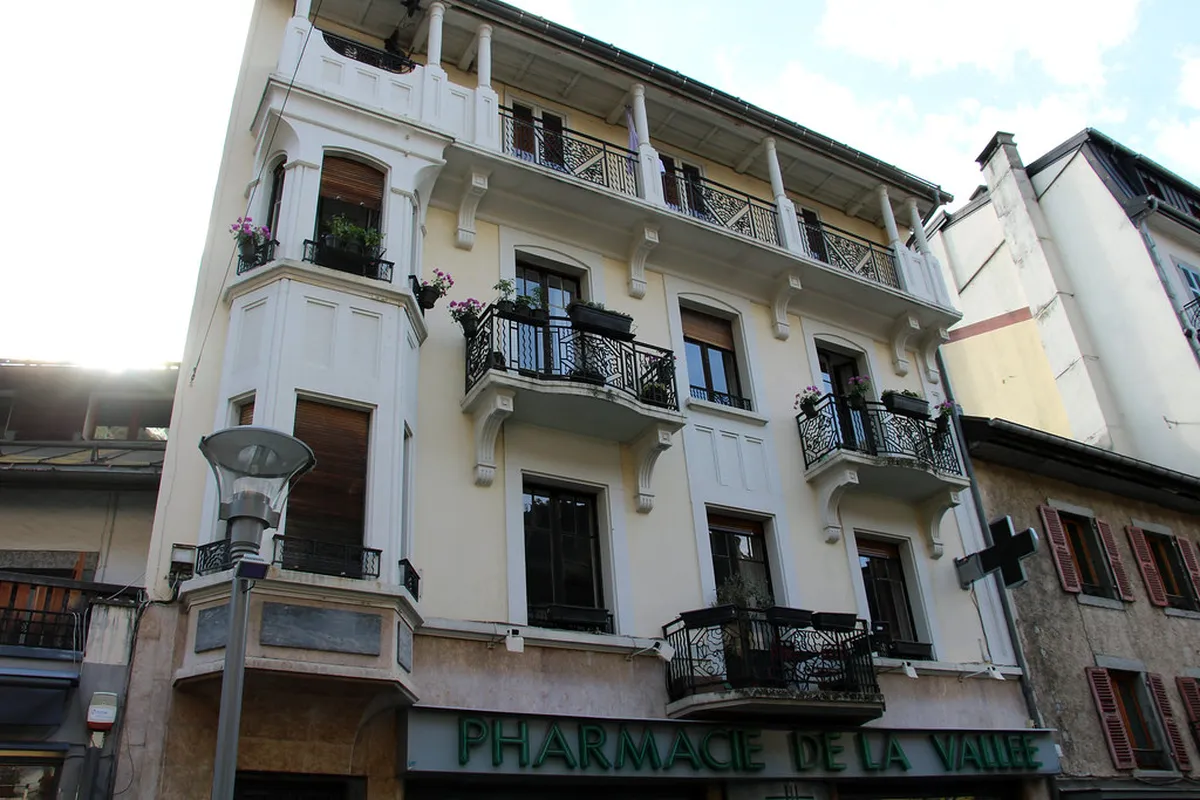
Wrought iron railings also play a major role in the local architectural style. Artisans created beautiful designs that featured scrolls, leaves, and sharp geometric intersections. These railings are visible on balconies, staircases, and even public garden fences. They add a layer of elegance and security to the historic mountain buildings. You can spend hours just admiring the variety of metalwork in town.
Exploring Hidden Art Deco Shopfronts
The main shopping streets are home to several beautifully preserved historic storefronts. These smaller examples of Art Deco are often at eye level for pedestrians. Look for the Art Deco shopfronts Chamonix center offers near the main square. Many feature original wooden frames and curved glass windows for displaying goods. These details make the shopping experience feel much more unique and authentic.
Some shops still use the original brass handles and decorative metal signage today. These small elements have survived decades of mountain weather and tourist traffic. Business owners take great pride in maintaining these links to the town's history. Walking past these shops feels like exploring an open-air museum of design. It is one of the best ways to experience the style.
You can find these shopfronts along the Rue du Docteur Paccard and nearby alleys. Many of them now house modern boutiques or cozy mountain cafes and bakeries. The contrast between modern products and historic surroundings is quite interesting to see. Make sure to look up above the signs to see the carvings. There are often hidden details located just above the standard shop window level.
These storefronts were designed to attract wealthy tourists during the early ski seasons. Large windows allowed for grand displays of the latest Parisian winter fashions. Today, they continue to draw people into the heart of the village. The durability of the materials used has kept them looking great for decades. Preserving these shopfronts remains a priority for the local Chamonix heritage society.
Planning Your Chamonix Architecture Walk
A self-guided walking tour is the best way to see these buildings. Start your journey at the main tourist office near the town church. From there, you can walk toward the train station to find hotels. Most of the best examples are within a ten-minute walk of each other. This makes for a very pleasant afternoon activity during your 2025 trip.
Consider booking a professional guide for a more in-depth look at history. Many local experts offer a Chamonix architecture walking tour for small groups. They can point out hidden details that you might miss on your own. You will learn about the specific architects who shaped the town's modern look. These tours often include access to building interiors that are usually closed.
Photography enthusiasts should plan their walk for the early morning or late afternoon. The light during these times highlights the textures of the stone and plaster. Bring a wide-angle lens to capture the full scale of the grand hotels. You should also look for close-up shots of the ironwork and carvings. The mix of natural and man-made beauty is truly spectacular here.
Expect to spend at least two hours wandering through the different neighborhoods. Wear comfortable shoes as some of the streets have historic cobblestone sections. You will also find many information plaques near the most significant historic sites. These signs provide brief histories in both French and English for your convenience. Exploring the architecture is a great way to escape the mountain crowds.
Frequently Asked Questions
What is the most famous Art Deco building in Chamonix?
The Casino Le Royal is widely considered the most famous example in town. It features a grand white facade and elegant geometric patterns from the 1920s. Visitors can still enjoy the gaming rooms and see the historic interior today. It represents the peak of luxury during the town's architectural boom.
Are there many Art Deco hotels I can stay in?
Yes, several historic hotels in the center still feature their original Art Deco designs. Many have been modernized inside but retain their stunning exterior shapes and balconies. Staying in one of these properties offers a unique and historical travel experience. It is a great way to immerse yourself in Chamonix history.
When was the Art Deco period in Chamonix?
The most active period for this style was between 1920 and 1939. This era saw Chamonix expand rapidly to accommodate the growing number of winter sports fans. Many of the buildings were completed just before the start of World War II. They represent a specific time of optimism and modern design in France.
Can I take a guided tour of these buildings in 2025?
Local guides offer specialized tours that focus on the architectural heritage of the valley. These walks cover everything from traditional chalets to the more modern Art Deco structures. You can book these tours through the tourist office or local heritage associations. It is a highly recommended activity for history buffs visiting Chamonix.
The Art Deco buildings in Chamonix offer a fascinating look at alpine history and design. These structures provide a beautiful contrast to the rugged nature of the surrounding peaks. Make sure to include an architectural walk in your 2025 travel itinerary for the area. You will discover a side of Chamonix that many other tourists often overlook. Visit the town center today to see these historic masterpieces for yourself.
Key Takeaways
- Look for geometric patterns and symmetry along the Rue du Docteur Paccard.
- Visit the Casino Le Royal and Cinema Vox for the best examples.
- Book a guided walking tour to discover hidden architectural details and history.
- Check out the stylized wrought iron and granite work on historic hotels.
Related reads: architecturebycity.com, belle epoque hotels in chamonix.