
Belle Époque Hotels in Chamonix: A Heritage Guide
Explore the iconic Belle Époque hotels in Chamonix. Learn about their stunning history and book your 2025 luxury alpine getaway to the French Alps today!
On this page
The legendary town of Chamonix became a global symbol of luxury during the nineteenth century. Visitors traveled from across the globe to see the majestic Mont Blanc massif in person. The local landscape changed significantly with the construction of several enormous and ornate luxury hotels. Travelers can still experience this historic charm by visiting beautiful Belle Époque hotels in Chamonix.
These grand structures offered unprecedented levels of comfort to the first waves of winter tourists. Modern visitors in 2025 can admire the preserved facades and intricate details of these palaces. This guide explores the fascinating history and architectural significance of these famous and landmark buildings. You will discover how these hotels transformed a small mountain village into a sophisticated international destination.
The Golden Age of Alpine Grandeur
Chamonix witnessed a massive architectural transformation during the late nineteenth and early twentieth centuries. The arrival of the railway in 1901 brought wealthy international tourists to this stunning mountain valley. These affluent visitors demanded high levels of luxury and sophisticated styles during their alpine stays. Developers responded by building the massive structures now known as the grand mountain palace hotels.
The arrival of the railway in 1901 brought wealthy international tourists to this stunning valley. These affluent visitors demanded high levels of luxury and sophisticated styles during their alpine stays. Developers responded by building the massive structures now known as the grand mountain palace hotels. These buildings often featured hundreds of rooms to accommodate the growing number of summer guests.
Early tourism in the region focused primarily on adventurous mountaineering and scientific exploration of glaciers. The transition to leisure tourism required the creation of comfortable spaces for the social elite. Grand dining rooms and elegant salons became standard requirements for all the major hotel projects. This shift ensured that Chamonix remained the premier destination for high society across Europe.
Many of these buildings used innovative construction techniques to withstand the harsh winter weather conditions. Architects selected durable materials like local stone and heavy timber for the primary structural elements. The resulting structures provided a perfect blend of urban elegance and rugged mountain strength. Today these landmarks serve as a reminder of the ambitious spirit of the early 1900s.
Architectural Design of the Palace Era
These historic buildings feature neoclassical design elements combined with traditional and elegant French mountain aesthetics. Architects used heavy stone bases to support multiple floors of grand living spaces for guests. Ornate stucco decorations often adorn the window frames and upper balconies of these large structures. Many historic buildings showcase the unique architecture in Chamonix that effectively defines the town today.
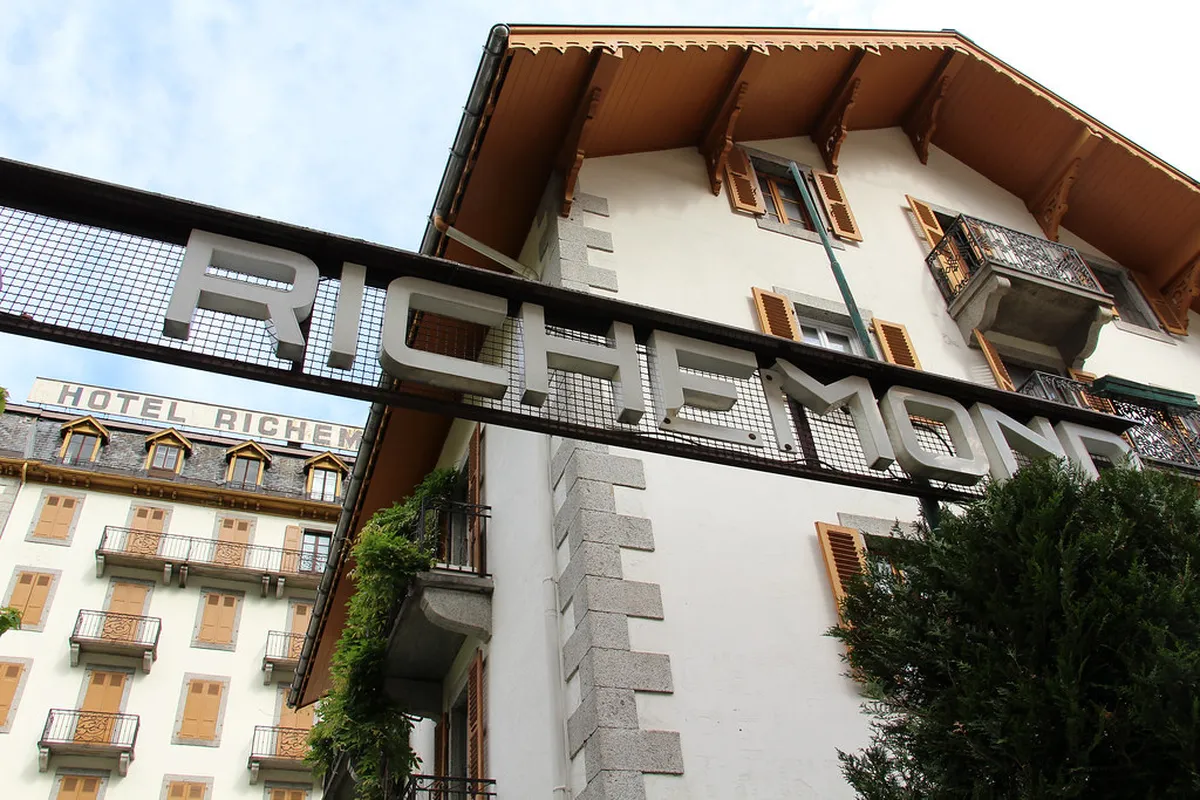
Wrought iron balconies provided guests with private spaces to admire the spectacular views of Mont Blanc. The use of large glass windows allowed natural light to flood into the expansive communal areas. These design choices reflected a desire to connect the indoor luxury with the surrounding natural beauty. Roof designs often featured complex shapes and dormer windows to handle the heavy winter snowfall.
Interior spaces were just as impressive as the grand facades of the large palace buildings. Hand-carved wooden panels and decorative plasterwork decorated the main hallways and private guest suites. Grand staircases made of fine marble served as the central focus of the massive hotel lobbies. Wealthy visitors appreciated the attention to detail found in every corner of these luxury residences.
The overall scale of these hotels was intended to dwarf the surrounding traditional alpine chalets. This creates a unique visual contrast between the humble village roots and the modern luxury era. Preserving these intricate details requires constant maintenance and specialized knowledge from modern French craftsmen. Architectural preservation remains a top priority for the local government and heritage organizations in Chamonix.
Notable Historical Hotels to Visit
The Majestic Hotel remains one of the most famous examples of historic luxury in the valley. Completed in 1913, this building represents the final peak of the grand palace construction era. It originally featured a massive park and private tennis courts for the exclusive use of guests. Reading about the Le Majestic Chamonix history reveals how the building evolved over the last century.
The Savoy Palace stands as another brilliant example of the ambitious architecture of the early 1900s. Its elevated position on the hillside provides some of the best panoramic views in the entire town. The facade features perfectly symmetrical rows of balconies that highlight its classical French design roots. Walking past this building allows visitors to appreciate the massive scale of the historical tourist industry.
The Chamonix Palace is a centrally located landmark that once hosted many high-profile international guests. These buildings showcase the unique Chamonix palace architecture style that defined the local golden age. The building now houses private residences but keeps its original charm through careful external preservation. Many people stop to photograph the ornate entrance during their daily walks through the town center.
Grand Hotel Couttet was once famous for its beautiful gardens and proximity to the main river. It played a vital role in hosting the first Winter Olympics athletes during the 1924 games. The history of this hotel is deeply connected to the rise of winter sports in France. You can still see the original building structure which maintains its grand and imposing alpine presence.
Social Impact and Elite Culture
Belle Époque hotels in Chamonix served as the primary stage for high-society social interactions and networking. Evening banquets and formal balls were frequent events during the busy summer and winter holiday seasons. Guests often dressed in their finest attire to attend musical performances in the grand hotel salons. These social gatherings helped establish Chamonix as a sophisticated cultural hub in the heart of the Alps.
Many famous writers and artists visited these hotels to find inspiration among the tall mountain peaks. The quiet libraries and scenic terraces provided the perfect environment for creative work and deep reflection. European royalty frequently stayed in the most expensive suites to enjoy the fresh mountain air. Their presence helped attract more wealthy travelers from across the world to the French mountain valley.
The development of luxury heritage stays in Chamonix changed the local economy forever. Thousands of service jobs were created to maintain the high standards required by the elite guests. Local residents worked as guides, chefs, and waitstaff to support the booming international tourism industry. This economic growth funded many public infrastructure projects that still benefit the town residents today.
Modern travelers in 2025 can still sense the echoes of this vibrant social history in Chamonix. Walking through the remaining grand lobbies feels like stepping back into a more elegant period of time. Elite hospitality remains a cornerstone of the local tourism strategy for high-end visitors today. The town continues to celebrate its historical roots while providing modern amenities for contemporary international travelers.
Modern Life in Historic Buildings
Most of the grand palaces transitioned from luxury hotels into private residential apartments after the wars. This change helped preserve the historic structures by providing a sustainable long-term use for the buildings. Owners must follow strict heritage guidelines when performing any renovations on their private mountain apartments. These laws ensure that the historic character of the town remains intact for future generations to enjoy.
Living in one of these buildings is considered a high honor among the local Chamonix community. The high ceilings and large windows offer a living experience that modern constructions cannot easily replicate. Residents enjoy the convenience of living near the center while being surrounded by genuine architectural history. The real estate value of these properties continues to rise as the town grows more popular.
Restoration projects in 2025 continue to focus on cleaning facades and repairing original decorative elements. Specialized architects use historical photos to ensure that every repair matches the original design of the hotel. This dedication to authenticity helps maintain the prestige of the entire Chamonix valley as a destination. Visitors can appreciate these efforts while exploring the streets on a sunny afternoon in the summer.
The community takes great pride in the preservation of their unique mountain history and grand architecture. Educational programs in schools help local children learn about the significance of these important heritage buildings. This ensures that the cultural legacy of the Belle Époque era remains a central part of local identity. You can see the results of these preservation efforts in the immaculate state of the facades.
Walking Tours of Belle Époque Hotels in Chamonix
A self-guided walk is an excellent way to see the best Belle Époque hotels in Chamonix. Start your journey at the Place du Triangle de l'Amitié to see the most central landmarks. Keep your camera ready to capture the intricate details of the carved stone and iron balconies. This route provides a comprehensive overview of how the town expanded during the late nineteenth century.
Joining a professional Chamonix architecture walking tour offers even deeper insights into the town. Local experts share fascinating stories about the architects and the famous guests who stayed in the rooms. You will discover hidden courtyards and artistic flourishes that most tourists often miss on their own. These tours are available throughout the year and provide a memorable experience for history lovers.
The path along the Arve River offers spectacular viewing angles of the massive Savoy Palace facade. Late afternoon light creates beautiful shadows that highlight the textures of the old mountain stone walls. Make sure to wear comfortable shoes as you explore the charming backstreets of the historic district. The walk also passes by several smaller villas built during the same period of artistic growth.
Planning your visit for 2025 ensures you will see the latest restorations completed by the town. The town remains committed to providing high-quality educational signs for all visitors to read and enjoy. Take your time to soak in the atmosphere of a bygone era in this modern mountain paradise. Your architectural journey through Chamonix will provide memories that last for a very long time.
Frequently Asked Questions
What is the most famous Belle Époque hotel in Chamonix?
Le Majestic is widely considered the most iconic and famous of all the grand palace hotels. It was built in 1913 and remains a stunning example of the luxury architecture of the period.
Can tourists stay in these historic buildings in 2025?
Some of the original palaces have been converted into private residences or luxury holiday rental apartments. Visitors can still book stays in some historic hotels that have maintained their original heritage style.
What are the best ways to see these buildings?
The best way is to take a guided walk through the historic center of the town. Many buildings are located within walking distance of each other and offer great photo opportunities.
Why were these hotels built so large?
They were built to accommodate hundreds of elite guests who traveled with large amounts of luggage. Grand spaces were also necessary for the social events that defined the luxury tourist experience.
The Belle Époque hotels in Chamonix represent a fascinating chapter in the history of the French Alps. These grand structures have successfully evolved from elite hotels into cherished modern landmarks of the town. Plan your visit for 2025 to experience the timeless elegance of this unique mountain heritage for yourself. You will certainly appreciate the impressive scale and historical importance of these beautiful historic palace buildings.
Key Takeaways
- The railway arrival in 1901 triggered the construction of grand palace hotels.
- Many historic hotels are now preserved as private residential apartments in Chamonix.
- Architecture combines neoclassical elements with durable local stone and heavy timber materials.
Related reads: architecturebycity.com, savoyard vernacular architecture.