
Architecture in Fontainebleau: A Guide for 2025
Explore the stunning architecture in Fontainebleau with our 2025 guide. Discover royal palaces and villas in this French town. Plan your design tour today!
On this page
Fontainebleau is a beautiful city that sits just south of Paris in northern France. It is famous for its royal history and stunning old buildings. You can see many styles of architecture in Fontainebleau while walking through the historic streets. This guide explores the best sites to visit in 2025 for every traveler.
The city has served as a home for French kings for many centuries. Each leader added their own unique style to the local landscape. You will find medieval walls next to elegant Renaissance designs. This mix makes the city a perfect place for fans of European history.
Visitors can enjoy quiet walks through grand courtyards and lush green parks. The buildings tell stories of power, art, and French cultural growth. We will cover the most famous landmarks and some hidden gems too. Prepare for an amazing journey through the heart of French royal design.
The Royal Palace: A Masterpiece of French History
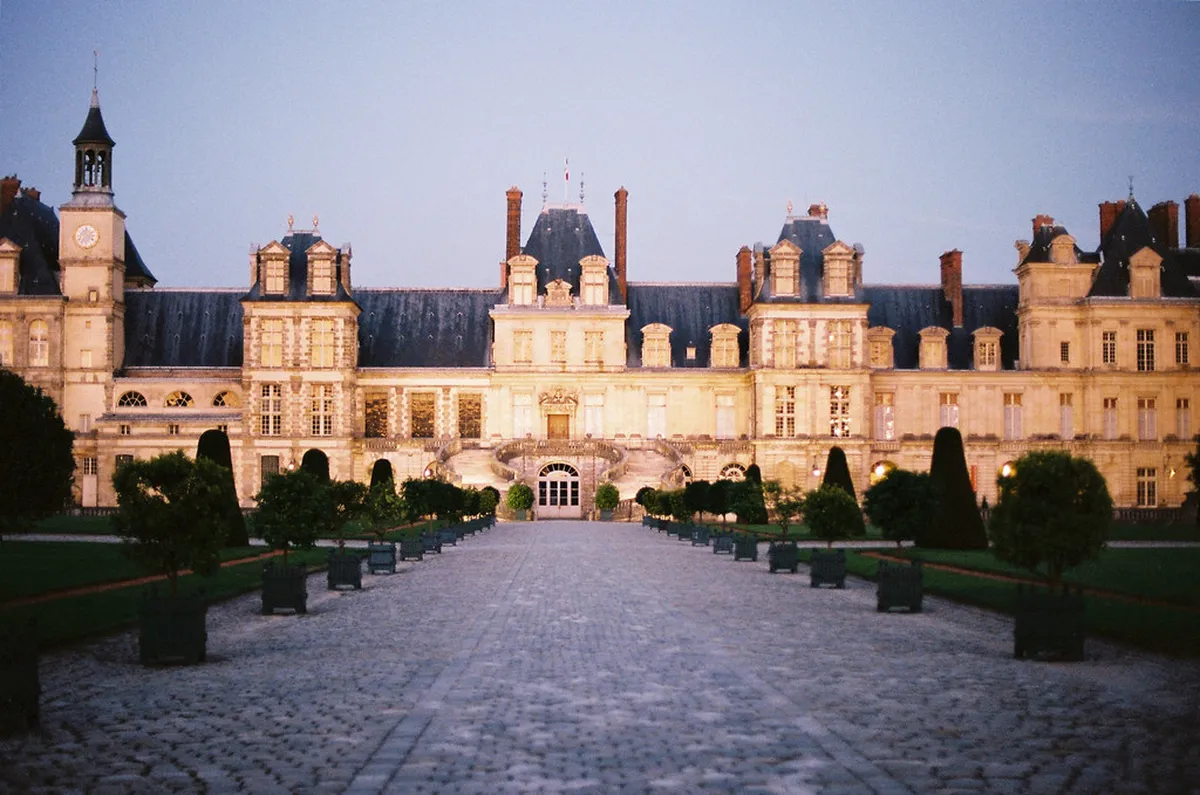
The Palace of Fontainebleau stands as a true jewel of French royal history. Many architects worked here over eight centuries to create this massive complex. It features a unique blend of medieval, Renaissance, and classical building styles. You can explore the Chateau de Fontainebleau architectural styles during a guided tour. The Horseshoe Staircase is the most iconic feature of the exterior facade.
Construction began in the 12th century as a simple hunting lodge. King Francis I transformed the site into a grand royal palace in 1528. He hired the best Italian artists to decorate the new wing. This work created the first major shift toward the Renaissance in France. The palace now has over 1,500 rooms filled with amazing art.
The Cour Ovale is one of the oldest parts of the entire palace complex. It shows the medieval roots of the structure with its curved walls. Later kings added the Cour d'Honneur and the Grand Parterre gardens. These sections show how the palace grew to accommodate the royal court. You should allow at least four hours to see everything.
Tickets for the main palace tour cost about 14 euros in 2025. It is open every day except for Tuesdays and certain public holidays. The palace is easy to reach by train from the Gare de Lyon. Walk through the main gates to see the famous golden gate. This entrance served as the official royal doorway for many years.
Renaissance Styles and the Fontainebleau School
The 16th century brought a new era of design to this royal city. Italian artists came to France to work on the king's new palace projects. They introduced the Mannerist style which used long figures and complex patterns. This movement is known today as the First School of Fontainebleau. It influenced art and design across all of Europe for decades.
Rosso Fiorentino was one of the lead artists during this creative period. He designed the famous Gallery of Francis I with incredible detail. You can learn about Rosso Fiorentino stuccowork techniques inside the palace halls. These decorations mix painted scenes with high-relief plaster figures. The result is a vibrant space that feels both deep and full of life.
The ballroom is another great example of the Renaissance influence on the city. It features a grand wooden ceiling and large arched windows for light. The walls are covered in mythological scenes and royal emblems. This room shows the wealth and power of the French crown. It remains one of the most beautiful rooms in the world today.
Architects also used local sandstone to build many of the palace walls. This material gives the buildings a warm and golden appearance in the sun. The use of slate roofs creates a sharp contrast with the light stone. These colors are typical for high-end French royal buildings of that time. You will see this palette repeated throughout the town center.
Exploring Diverse Architecture in Fontainebleau
Beyond the palace walls, the town of Fontainebleau offers many architectural treasures. The streets are lined with private mansions and historic facades from different eras. You can find 18th-century townhouses with ornate balconies and large wooden doors. Many of these buildings now house local shops and cozy cafes. Walking through the town feels like visiting an open-air history museum.
The late 19th century saw the rise of the unique "Affolantes" villas. These large homes were built by wealthy families along the nearby river. They feature a mix of Gothic, Norman, and even Swiss chalet styles. You can see the Belle Epoque villas of Fontainebleau during a long afternoon stroll. They represent the freedom and luxury of the pre-war era.
Many villas use colorful bricks and decorative tiles to stand out. Some have tall towers that offer views of the forest and river. These homes are a great contrast to the formal palace architecture. They show how residential design became more creative and personal over time. Look for these houses near the bridge connecting to Avon.
The Rue Grande is the main street for seeing historic commercial facades. Most buildings here date from the 18th and 19th centuries. Look up to see the stone carvings near the roof lines. These details were meant to show the status of the building owner. It is a great place to start your walking tour.
Religious Landmarks and Civic Buildings in the City
Religious buildings also play a major role in the local skyline. The Eglise Saint-Louis is the most prominent church in the town center. It was built during the mid-17th century for the local community. You can study the Eglise Saint-Louis Fontainebleau architecture on the Place de la Republique. It features a classic facade with tall columns and statues.
The Municipal Theatre is another civic building with a very elegant design. It was built in the early 20th century in the heart of town. The facade uses white stone and features beautiful arched entrance doors. It serves as a hub for cultural events and local performances. The interior remains mostly original with red velvet and gold leaf.
The Town Hall is a great example of 19th-century public architecture. It sits in a former private mansion that was expanded for government use. The building has a formal courtyard and a very tall clock tower. This tower is a helpful landmark for navigating the city streets. It reflects the pride of the local citizens during that period.
Other interesting sites include the old hospital and the local market hall. The market hall is a cast-iron structure from the late 1800s. It is still used today for fresh food markets every week. These buildings show how the city provided for its growing population. They are functional but still maintain a high level of beauty.
Modern Architecture and Contemporary Design Trends
Fontainebleau is not just a city of the distant past. It also features some very famous examples of 20th-century modern design. The INSEAD business school campus is located on the edge of the forest. This site is home to the INSEAD campus modern architecture designed by Bernard Zehrfuss. He used glass and concrete to create a functional learning space.
The campus buildings sit nestled among the tall trees of the forest. This design aims to connect students with the natural beauty around them. Large windows allow for plenty of natural light inside the classrooms. The style is very different from the stone walls of the palace. It shows the city's commitment to education and future growth.
New residential projects in the city now focus on sustainable building methods. Many use eco-friendly materials that blend in with the historic surroundings. Architects must follow strict rules to protect the character of the town. This ensures that new buildings do not ruin the historic charm. You will see many green roofs and solar panels now.
Modern renovation projects are also common in the city center today. Old houses are being updated with modern interiors and energy-efficient systems. This keeps the historic district alive and useful for modern families. It is a delicate balance between preserving history and embracing change. The city does this very well through smart planning.
Gardens and Landscapes of the Royal Estate
The architecture of the outdoors is just as important as the buildings. The gardens of Fontainebleau cover over 130 hectares of beautiful land. They feature several different styles including French formal and English landscape designs. Andre Le Notre designed many of the formal elements in the 1600s. His Andre Le Notre work in Fontainebleau remains visible in the grand parterres.
The Grand Canal is a massive water feature that stretches for 1.2 kilometers. It was built during the reign of Henry IV for boat parties. The canal reflects the sky and the surrounding trees like a mirror. It creates a sense of infinite space within the royal grounds. You can walk along the banks for a peaceful afternoon.
The Diana Fountain is a beautiful bronze structure located in the Queen's garden. It features the goddess of hunting surrounded by four bronze dogs. The fountain shows the connection between the palace and the nearby forest. It is a popular spot for photos and quiet reflection. The water flows through pipes that are hundreds of years old.
The Jardin Anglais offers a more natural and wild feel for visitors. It features winding paths and a small stream that flows through trees. This style became popular in the early 19th century in France. It provides a nice break from the straight lines of the palace. Entrance to the main gardens is free for all visitors.
Frequently Asked Questions
What is the most famous building in Fontainebleau?
The Palace of Fontainebleau is the most famous building in the entire city. It is a UNESCO World Heritage site with over 800 years of royal history. Visitors can see many different styles of French architecture in one location. It is famous for its grand halls and the horseshoe staircase.
Can I visit the palace and gardens for free?
The main gardens and parks around the palace are free to enter. You must buy a ticket to go inside the palace museum rooms. Tickets usually cost 14 euros for adults in 2025. Some people can get free entry on the first Sunday of the month. Check the official website for the latest price updates.
How do I get to Fontainebleau from Paris?
You can take a train from the Paris Gare de Lyon station. The journey takes about 40 minutes on the Transilien R line. Get off at the Fontainebleau-Avon station and take a short bus. You can also walk from the station through the forest to town. This walk takes about 30 minutes at a slow pace.
What is the best way to see the architecture in the town?
A self-guided architectural walking tour of Fontainebleau is the best way to explore. Start at the palace and then walk toward the Eglise Saint-Louis. Follow the Rue Grande to see the historic shops and cafes. This allows you to see the mix of royal and civic styles.
Fontainebleau is a world-class destination for anyone who loves beautiful buildings and history. You can see the evolution of French design across many different centuries here. From royal palaces to modern campuses, the city offers a rich visual experience. Plan your visit for 2025 to see these amazing sites in person. We hope this guide helps you enjoy the unique architecture in Fontainebleau soon.
Key Takeaways
- The Palace features eight centuries of diverse architectural history.
- The Fontainebleau School introduced Italian Renaissance styles to France.
- Belle Epoque villas offer a creative contrast to royal designs.
- The gardens include formal French and wild English landscape styles.
- The city is easily accessible from Paris for a day trip.