
Guide to Chateau de Fontainebleau Architectural Styles
Discover the unique Chateau de Fontainebleau architectural styles in 2025. Learn about Renaissance and Classicist features in this royal palace guide.
On this page
The Chateau de Fontainebleau showcases various architectural styles that evolved over eight centuries of continuous French royal history. This massive palace sits just south of Paris in the heart of a lush and ancient national forest. Understanding the Chateau de Fontainebleau architectural styles helps guests appreciate this UNESCO World Heritage site much more deeply.
Visitors often marvel at the blending of Medieval, Renaissance, and Classical elements throughout the sprawling and historic estate. The palace served as a residence for thirty-four French sovereigns ranging from Louis VII to Napoleon III. Each ruler left a distinct mark on the buildings through ambitious expansion projects and artistic interior decorations.
Renaissance Origins and Italian Influence
Francis I began the major transformation of this royal residence during the early years of the sixteenth century. He invited skilled Italian artists to introduce new aesthetic concepts to the ancient and existing medieval structure. These masters blended Italian Renaissance ideals with traditional French building techniques to create something truly unique and spectacular.
The result was a sophisticated palace that became the primary seat of the powerful and influential French court. The architecture features elegant galleries and grand courtyards designed for royal ceremonies and displays of supreme monarchical power. You can explore these historic details further by studying Renaissance architecture at Fontainebleau during your next visit. Stone carvers added intricate details to the facades that reflected the immense wealth of the ruling Valois dynasty.
The palace serves as a living museum for anyone interested in the rapid evolution of early French design. Each wing represents a different century and reflects the specific artistic tastes of many different French kings. Walking through the courtyards feels like traveling through time across several distinct and fascinating historical architectural eras. This site remains one of the largest and most impressive royal palaces in all of Western Europe.
The Unique French Mannerism Features
The arrival of Italian artists like Rosso Fiorentino led to the birth of a specific decorative movement here. This style focused on elongated figures and complex allegorical themes that decorated the interior walls and grand ceilings. This particular artistic approach is widely known as the First School of Fontainebleau among many modern art historians. These innovative designs successfully combined stucco work with vibrant fresco paintings to create a rich and immersive environment.
Exterior features also began to show signs of this transition away from strict and traditional medieval defensive forms. Architects introduced large windows and decorative pilasters that emphasized the horizontal lines of the long and imposing wings. You can learn more about these specific details by researching French Mannerism architectural features within the palace grounds. The transition from a fortress to a leisure palace changed the way royals interacted with their physical surroundings.
Large courtyards like the Cour de la Fontaine provided ample space for the royal family to gather outdoors. The use of local sandstone gave the buildings a warm and consistent color that glows during the sunset. Builders carefully integrated the new Renaissance wings with the older medieval foundations to maintain a sense of continuity. These architectural choices defined the aesthetic direction of the French monarchy for many generations to follow afterward.
Classicist Expansion and Royal Splendor
During the seventeenth century, the Bourbon monarchs introduced more disciplined and symmetrical forms to the expanding palace complex. This era saw the rise of French Classicism which favored order and balance over the previous ornate styles. Architects like Francois Mansart and Jules Hardouin-Mansart contributed to the grand vision of a unified royal residence. Their work ensured that the chateau remained modern and impressive for the court of the Sun King.
The buildings from this period feature clean lines and a sense of monumental scale that commanded great respect. Many of these additions focused on creating grand apartments that could house hundreds of noble courtiers and staff. Understanding Classicist influences in French royal palaces helps explain the shift toward more rigid and formal layouts. These structures provided a perfect backdrop for the elaborate rituals and protocols of the highly organized Bourbon court.
Later rulers like Napoleon Bonaparte also made significant changes to the palace to reflect their own imperial power. He refurbished many of the rooms in the Empire style which used bold colors and many military motifs. This layer of history adds yet another dimension to the complex Chateau de Fontainebleau architectural styles seen today. The palace truly represents a timeline of French political and cultural history through its diverse building phases.
The Fontainebleau School of Interior Design
The interior spaces are just as architecturally significant as the grand stone facades that face the public courtyards. Skilled craftsmen created elaborate woodwork and coffered ceilings that showcased the pinnacle of sixteenth-century French interior design. The Fontainebleau school of interior design influenced decorative arts throughout the rest of the European continent. These rooms were designed to impress foreign dignitaries and reflect the cultural sophistication of the French crown.
The Gallery of Francis I remains one of the most famous examples of this ornate and highly detailed style. It features high-relief stucco figures that surround beautiful paintings depicting various mythological and historical scenes for the viewer. Every inch of the room is covered in gold leaf or fine wood carvings that highlight royal power. This space served as a blueprint for the grand galleries found in later palaces like the Louvre.
The Ballroom is another masterpiece of the Renaissance era with its massive windows and beautifully painted ceiling panels. Visitors can walk through these rooms and experience the same sense of wonder that ancient courtiers felt long ago. The level of detail in the parquet flooring and wall tapestries remains unmatched in most other royal residences. These interiors provide a perfect example of how architecture and decorative arts merge into one cohesive experience.
Garden Architecture and External Layouts
The exterior grounds of the chateau are just as carefully designed as the grand stone buildings themselves. André Le Nôtre and other famous landscape architects created formal gardens that reflect the symmetry of the palace. These spaces include the Grand Parterre which is the largest formal garden in all of the European continent. The Fontainebleau landscape and garden architecture perfectly complements the various building styles found across the vast estate.
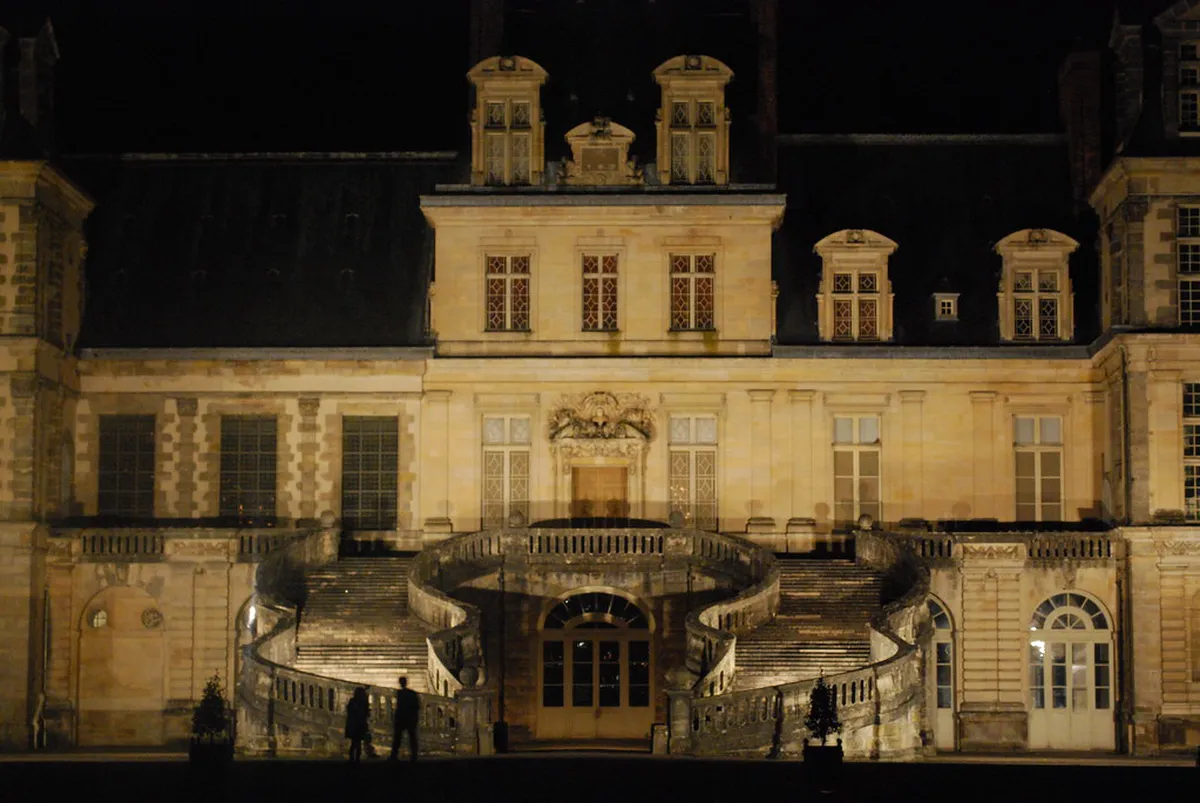
The famous horseshoe staircase in the White Horse Court serves as the most iconic landmark of the entire palace. It was built during the reign of Louis XIII and represents a masterpiece of seventeenth-century stone masonry skills. This staircase became the site of Napoleon's famous farewell to his Old Guard before his first long exile. The surrounding canals and ponds provide a sense of tranquility and mirror the beauty of the stone architecture.
Walking through the gardens allows visitors to view the different palace wings from many unique and interesting perspectives. You can see how the architects used the natural landscape to enhance the overall scale of the royal complex. The English Garden offers a more natural and romantic contrast to the rigid lines of the formal French gardens. These outdoor spaces remain free to the public and provide a wonderful setting for a relaxing afternoon walk.
Practical Travel Guide for Visitors
Visiting the palace in 2025 requires some basic planning to ensure you have the best possible travel experience. The chateau is open every day of the week except for Tuesdays and certain major French national holidays. Standard opening hours are usually from 9:30 AM until 6:00 PM during the peak summer tourist season months. You should allow at least three to four hours to explore both the interiors and the vast gardens.
The palace is located at Place du General de Gaulle in the charming and historic town of Fontainebleau. You can easily reach the city by taking a forty-minute train ride from the Gare de Lyon station. Adult tickets for the main circuit of the palace currently cost approximately fourteen euros for a full day. Consider purchasing a guided tour to gain access to the private apartments and the beautiful imperial theater.
There are several small cafes and restaurants located just outside the palace gates for a quick lunch break. You can also bring a picnic to enjoy in the park areas that surround the main royal buildings. Wear comfortable walking shoes because the cobblestone courtyards and garden paths cover a very large physical area. This destination offers a perfect day trip for anyone staying in the nearby city of Paris.
Frequently Asked Questions
What is the most famous architectural feature at Fontainebleau?
The horseshoe-shaped staircase is widely considered the most iconic architectural feature of the entire palace complex today. It was built in 1634 during the reign of Louis XIII and showcases impressive stone masonry skills. This landmark serves as the primary focal point of the Cour d'Honneur where many historic events occurred.
How do the architectural styles differ from Versailles?
Fontainebleau features a much wider range of architectural styles because it was built over a longer period of time. While Versailles is primarily a masterpiece of French Classicism, Fontainebleau includes significant Medieval and Renaissance elements. This makes Fontainebleau a more diverse example of the evolution of French royal design across many centuries.
Are the gardens part of the architectural experience?
Yes, the gardens are an essential part of the overall architectural experience at this historic French royal site. They were designed to provide symmetrical vistas that highlight the scale and grandeur of the various palace wings. The landscape architecture includes formal parterres, grand canals, and even a romantic English-style garden for visitors.
Can I see the influence of the Italian Renaissance here?
The influence of the Italian Renaissance is very prominent in the wings commissioned by King Francis I. He brought Italian artists to France to decorate the palace with modern frescoes and intricate stucco work details. This cultural exchange created a unique style that significantly changed the direction of French architecture and design.
The Chateau de Fontainebleau architectural styles offer a fascinating look into the history of French royalty and design. From its medieval roots to the grand classicist expansions, this palace remains a true jewel of European architecture. Plan your visit in 2025 to experience these historic spaces and beautiful gardens for yourself. This UNESCO site provides a much more intimate look at royal life than the crowded halls of Versailles.
Key Takeaways
- Explore eight centuries of history through a diverse mix of Medieval, Renaissance, and Classical building styles.
- Visit the Gallery of Francis I to see the birth of the unique Fontainebleau School of interior design.
- Admire the iconic horseshoe staircase which remains the most famous exterior feature of the entire palace grounds.
- Enjoy the vast formal gardens that demonstrate how landscape design perfectly complements royal stone architecture.
- Plan for a full day trip from Paris to properly see both the ornate interiors and expansive parklands.
Related reads: architecturebycity.com, architecture in fontainebleau.