
Renaissance Architecture at Fontainebleau: 2025 Guide
Explore the stunning Renaissance architecture at Fontainebleau. Learn about royal history and design in 2025. Plan your historic visit to France today!
On this page
Welcome to the heart of French royal history and artistic beauty. Renaissance architecture at Fontainebleau represents a golden era of design and royal power in France. This style emerged during the reign of King Francis I after his military campaigns in Italy. He wanted to bring the beauty of Italian art to his favorite hunting lodge in the forest.
The palace served as a royal hunting lodge before its grand architectural makeover. Today, it stands as a famous UNESCO World Heritage site for all to enjoy. You can explore centuries of royal heritage within its massive and ornate walls. Plan your visit to see these historic treasures during your trip in 2025.
Italian Origins of the Palace
King Francis I loved the Italian Renaissance style more than almost any other artistic movement. He invited legendary artists like Rosso Fiorentino to live and work in the French countryside. These masters brought new ideas about symmetry and classical beauty to the royal French court. They transformed a medieval castle into a modern masterpiece for the ambitious French king.
The architecture features grand galleries and ornate stucco work inspired by ancient Roman designs. You will see influences from ancient Rome and Greece throughout the royal palace apartments. These elements created a unique French Renaissance aesthetic that the world still admires today. It was a bold departure from the heavy Gothic designs of the late medieval period.
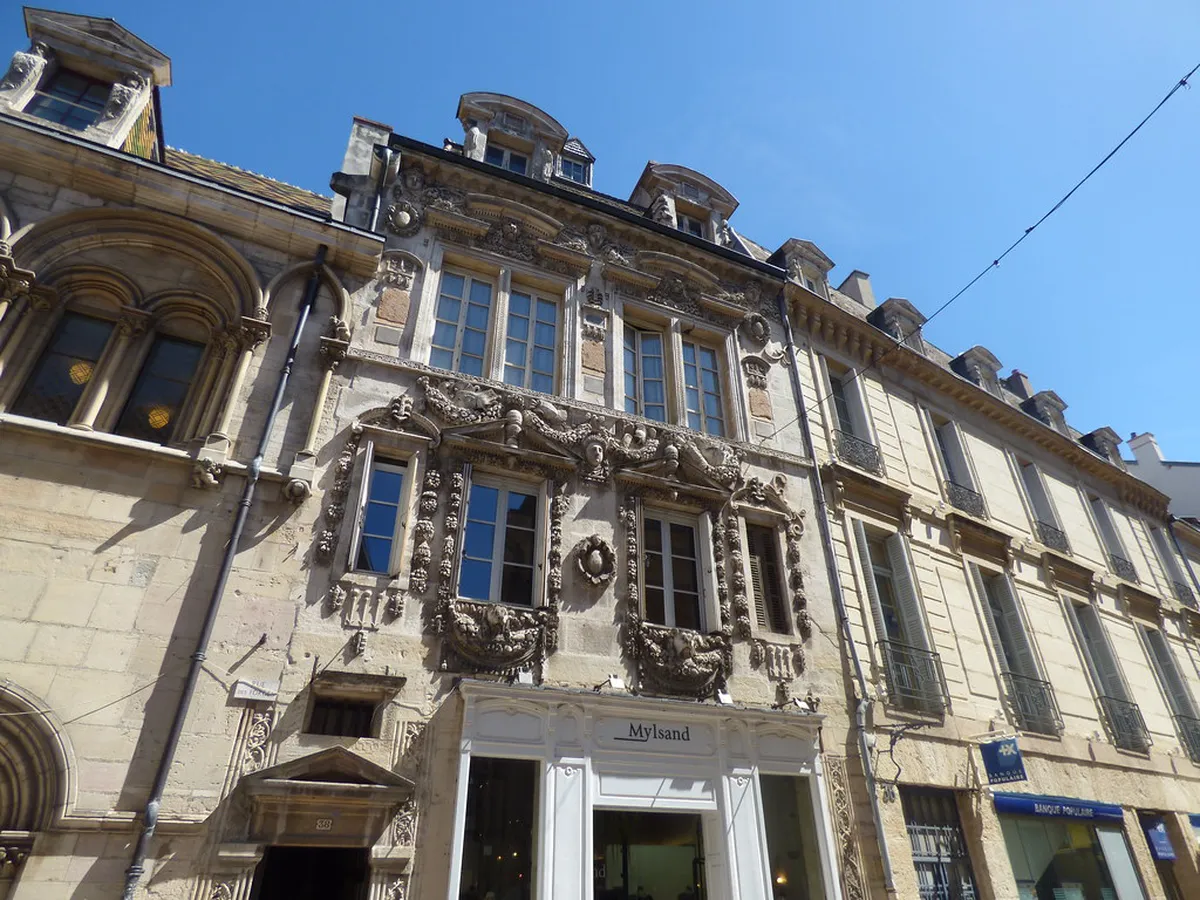
The Chateau de Fontainebleau architectural styles are truly diverse and historically significant for researchers. Renaissance features dominate the oldest parts of the building near the oval courtyard. Look for the distinct columns and pilasters on the facade of the building. These details highlight the focus on classical proportions and elegant architectural balance.
The use of local stone provides a sense of connection to the surrounding landscape. Builders used creamy limestone and warm brick to create a soft visual texture. This choice of materials allowed for intricate carvings on the exterior walls. It reflects the wealth and ambition of the French monarchy during this period.
The Influence of Renaissance Architecture at Fontainebleau
Renaissance architecture at Fontainebleau set a new standard for palaces across the whole of Europe. The design focused on wide galleries and open spaces for many royal social events. Large windows replaced the narrow slits found in older and smaller medieval defensive structures. This change brought more light and life into the heart of the royal palace.
The court life became a grand spectacle within these very beautifully decorated stone walls. Architects designed the layout to impress visiting dignitaries and many other foreign royal families. Every hallway and staircase served as a stage for the powerful and wealthy French king. This style of building became a model for many later and grander French royal residences.
You can see how the Renaissance style influenced the way gardens were built. Symmetry became the most important rule for the outdoor spaces and the parklands. Long vistas lead the eye toward the horizon in a very deliberate way. This control over nature was a key theme of the Renaissance era in France.
The balance between the building and the nature around it is very impressive. Water features and canals were added to reflect the grand stone facades. These reflections doubled the visual impact of the architecture for any approaching guest. It remains a highlight for many photographers who visit the site today.
The Influence of the School of Fontainebleau
This artistic movement defined interior design during the middle of the sixteenth century. It focused on complex mythological themes and very detailed interior decorations. Artists used intricate wood carvings and large frescoes to tell classical stories. This approach created a lavish and sophisticated atmosphere for the French royalty.
The French mannerism architectural features are visible in almost every royal room. This style emphasizes elegance and elongated human figures in paintings and sculptures. You can see these traits clearly in the famous gallery of Francis I. It remains one of the most beautiful and preserved halls in all of France.
Woodwork plays a vital role in the palace's inner beauty and historic charm. Dark oak panels contrast with bright and colorful paintings on the high ceilings. This layering of textures is a hallmark of the interior design from this period. Travelers in 2025 will still find these historic rooms absolutely breathtaking.
The school also influenced the design of furniture and decorative arts for the court. Tables and chairs featured the same ornate carvings found on the palace walls. This consistency created a unified look throughout the entire royal living space. It was the birth of a true national style for the country of France.
Notable Architects and Their Contributions
Several master builders shaped the palace over many decades of royal construction. Gilles le Breton designed the early Renaissance structures that visitors see first. His work established the basic layout of the Cour Ovale in the palace. He balanced traditional French roofs with the new Italian style of window openings.
Philibert de l'Orme later added more classical refinement to the large complex. He was one of the most notable architects of Fontainebleau during his time. His designs focused on technical perfection and a very grand sense of scale. The palace grew significantly larger under his expert and creative supervision.
Each architect added their own personal touch to the palace over the years. This architectural evolution makes the site a living history book for all visitors. You can trace the change in royal tastes by looking at the stone. It is a fascinating journey for any lover of history and design.
The collaboration between architects and painters was essential for the final result. No part of the building was left without some form of artistic decoration. This total design approach is what makes Fontainebleau so special to researchers. It represents a complete vision of what a royal palace should be.
Key Exterior Features of the Palace
Renaissance architecture at Fontainebleau is famous for its use of local materials. This combination creates a warm and inviting color palette for the massive facade. Grand staircases lead visitors toward the main royal entrance of the building. The horseshoe staircase is a world-famous architectural icon of the entire estate.
Large windows allow natural light to flood the interior galleries and royal halls. The roofs feature tall chimneys and highly decorative dormers along the top. These vertical elements provide a sense of grand royal height and power. They stand out beautifully against the blue French sky on a clear day.
Courtyards divide the massive complex into manageable and beautiful sections for the visitor. Each courtyard has a specific purpose and its own unique architectural design. The Cour du Cheval Blanc is the largest and most famous of these spaces. It often hosted grand royal ceremonies and important military parades long ago.
The transition between different wings of the palace is very smooth and planned. You can walk through centuries of building history in just a few minutes. Each wing tells a story about the king who ordered its construction. The variety of shapes and sizes keeps the architecture interesting and diverse.
Practical Tips for Visiting in 2025
Visiting the palace is very easy from the central city of Paris. Take a train from Gare de Lyon toward the town of Montargis. Get off at the Fontainebleau-Avon station for a very short bus ride. The entire journey takes about forty-five minutes from the city center.
Tickets for the main circuit cost about 14 Euros for adult visitors. You should book your specific entry time online well in advance. This helps you avoid long queues during the busy peak tourist hours. The palace is open every day of the week except for Tuesdays.
Wear comfortable shoes for walking through the vast and historic gardens. The estate covers over 130 hectares of beautiful parkland and forest areas. You can rent a bike to see the entire grounds more quickly. Give yourself at least four hours for a full tour of the site.
Consider taking a guided tour to learn more about the architectural secrets. Experts can point out details that are easy to miss on your own. Many tours are available in English for international visitors during 2025. This will make your trip even more memorable and educational.
Frequently Asked Questions
Why is the Renaissance architecture at Fontainebleau important?
It marks the start of the French Renaissance style for the whole nation. The palace blended Italian art with French traditions to create something very new. This created a new royal aesthetic for the nation that lasted for many centuries. It influenced many other grand castles across the Loire Valley and far beyond.
Who was the main architect of the Renaissance sections?
Gilles le Breton was the primary builder for King Francis I. He worked on the palace during the early sixteenth century. His designs gave the building its core Renaissance character. Other architects added more details over the following centuries.
What are the best rooms to see the Renaissance style?
The Gallery of Francis I is the top highlight for many visitors. It features incredible wood panels and beautiful fresco paintings from the era. The Ballroom also showcases grand Renaissance proportions and decor. These rooms display the highest quality of royal craftsmanship.
How much are tickets for the palace in 2025?
Tickets for the main circuit cost about 14 Euros for adult visitors in 2025. You should book your specific entry time online well in advance to avoid queues. The palace is open every day of the week except for every Tuesday.
Fontainebleau is a masterpiece of historical design and royal ambition. You can experience the beauty of the French Renaissance in every grand royal room. Plan your trip in 2025 to see these grand architectural wonders for yourself. Discover the legacy of the kings of France at this truly and deeply incredible palace.
Key Takeaways
- Book tickets online for 2025 to save time and avoid the long queues.
- Focus on the Gallery of Francis I for the best Mannerist art examples.
- Allow four hours to explore the full estate including the very grand gardens.
Related reads: architecturebycity.com, architecture in fontainebleau, classicist influences in french royal palaces.