
Architecture in Lyon: A Guide to Historic Styles
Explore the stunning architecture in Lyon with our 2025 guide. Discover Renaissance buildings and modern designs in this French city. Book your design tour today!
On this page
Lyon is a city of layers and deep history. It serves as a living museum for design enthusiasts worldwide. The stunning architecture in Lyon tells a story of Roman roots and industrial growth. You will find Roman theaters standing near ultra-modern glass towers.
The city sits at the meeting point of two major rivers. This location influenced how people built homes and shops for centuries. Visitors often feel like they are walking through a history book. Every district offers a different visual style and unique atmosphere.
UNESCO recognized the city center as a World Heritage site in 1998. This status protects the beautiful buildings for future generations to enjoy. In 2025, the city continues to blend tradition with bold new ideas. You can see this mix in every neighborhood you visit.
Our guide helps you navigate the diverse building styles found here. We will look at ancient ruins, grand basilicas, and sleek contemporary structures. Prepare to discover the best Lyon architecture walking tour itineraries for your next trip. Each street holds a secret waiting to be found.
Renaissance Wonders of Vieux Lyon
Vieux Lyon represents the heart of the city's golden age. This district remains one of Europe's largest intact Renaissance areas. Merchants and bankers built grand townhouses here during the 15th and 16th centuries. These buildings feature colorful facades in shades of ochre and terracotta.
The unique Renaissance architecture in Vieux Lyon includes the famous traboules. These secret passages allow people to walk between streets through private courtyards. You will find beautiful spiral staircases hidden behind heavy wooden doors. Many courtyards also feature elegant stone galleries and ornate carvings.
Italian influence is visible in many of the architectural details here. You can see Florentine styles in the arched windows and tall towers. The Gadagne building is a perfect example of this wealthy merchant style. It now houses important museums dedicated to the city's rich history.
Walking through these narrow streets feels like stepping back 500 years. The cobblestones and narrow alleys create a cozy, historic atmosphere. Many buildings now house traditional restaurants called bouchons. These eateries preserve the local culture alongside the historic stone walls.
Preservation efforts ensure these structures remain strong and beautiful today. Owners must follow strict rules when renovating these historic gems. This dedication keeps the district looking authentic for modern travelers. You should spend several hours exploring these winding paths and hidden gems.
Modern Marvels in the Confluence District
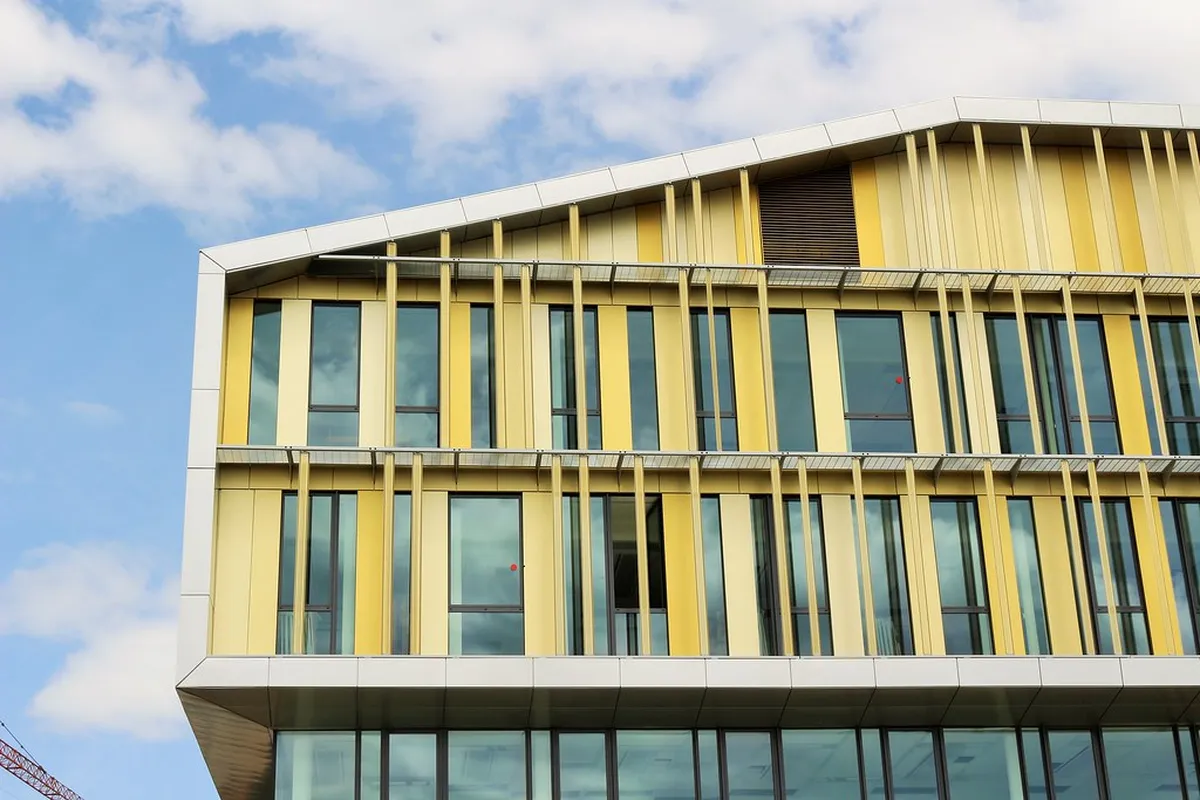
The Confluence district sits at the southern tip of the city. This area once served as an industrial port and warehouse zone. Today, it features some of the boldest contemporary designs in France. Architects from around the world helped transform this former wasteland into art.
You will find the Lyon Confluence contemporary architecture striking and colorful. The Orange Cube is one of the most famous buildings here. Its bright facade and large circular cutouts make it impossible to miss. It serves as a creative office space and design showroom.
Nearby, the Musee des Confluences looks like a giant silver cloud. This building uses glass and steel to create a futuristic shape. It stands where the Rhone and Saone rivers finally meet. The complex geometry of the roof reflects the flowing water below.
Sustainability plays a huge role in the design of this new neighborhood. Many buildings use solar panels and natural cooling systems to save energy. You will see plenty of green spaces between the sleek residential towers. This district shows how cities can grow without losing their soul.
The area also features refurbished warehouses that now host trendy shops. These older structures provide a rugged contrast to the glass facades. You can walk along the riverbanks to see the full skyline. It is the perfect place for photography fans in 2025.
The Hill of Fourviere and Its Basilica
Fourviere Hill overlooks the entire city with quiet majesty. It is often called the hill that prays due to its religious sites. The Roman settlers first established their city, Lugdunum, on these high slopes. You can still visit the massive ancient theaters located near the top.
The most famous landmark is the Basilica of Notre-Dame de Fourviere. This church features a unique mix of Gothic and Byzantine design elements. Its four octagonal towers dominate the city's horizon from every direction. The Notre-Dame de Fourviere architectural style is truly one of a kind.
Inside, the basilica contains stunning mosaics and detailed gold leaf work. The ceiling tells stories of the city's history through vibrant colors. You will notice the contrast between the white exterior and the rich interior. Architects designed the space to inspire awe in every visitor.
Next to the church stands a metal tower that resembles the Eiffel Tower. This structure serves as a television transmitter and a famous city landmark. It adds a touch of industrial flair to the religious hilltop. The views from the surrounding gardens are the best in Lyon.
Visitors can reach the summit using the historic funicular railway. This old transport system is an architectural curiosity in its own right. It has carried people up the steep hill since the 19th century. The ride offers a quick glimpse into the city's vertical growth.
Industrial Heritage in La Croix-Rousse
La Croix-Rousse is known as the hill that works. This neighborhood became the center of the world's silk industry in the 1800s. Thousands of silk workers, known as canuts, lived and worked in these buildings. The architecture directly reflects the needs of the silk weaving trade.
The buildings here feature incredibly high ceilings to fit large looms. Massive windows allow plenty of natural light for the delicate weaving process. You will notice that the architecture of La Croix-Rousse silk district is very functional. The stone walls are thick and sturdy to support the heavy machinery.
Like Vieux Lyon, this area also has many hidden traboules. However, these passages are taller and wider to accommodate rolls of silk. Workers used them to transport finished goods without getting them wet. Today, these paths are popular routes for local residents and tourists.
The district has a bohemian and artistic vibe in 2025. Many former workshops are now cozy lofts or modern art galleries. You can still hear the rhythmic sound of looms in a few museums. These sites preserve the traditional skills of the master silk weavers.
The main square often hosts vibrant markets and community festivals. It feels like a small village tucked away within a large city. Architecture lovers will enjoy the mix of grand apartments and simple workers' housing. It tells a human story of labor and creativity.
The Urban Vision of Tony Garnier
Tony Garnier was a visionary architect born in Lyon. He believed that modern cities should be organized and healthy for residents. His designs focused on light, air, and public spaces for everyone. You can see his massive influence throughout the southern parts of Lyon.
The Tony Garnier urban planning in Lyon includes the Etats-Unis district. This neighborhood was a pioneer in social housing during the 1920s. He designed low-rise apartments with wide courtyards and plenty of greenery. It was a revolutionary way to house the growing working class.
The Halle Tony Garnier is another masterpiece of industrial design. This massive steel and glass hall once served as a cattle market. It features a wide-span roof without any internal pillars for support. Today, it is a premier venue for concerts and large exhibitions.
Garnier also designed the main city hospital, known as Grange Blanche. He used a pavilion style to prevent the spread of diseases. Each department had its own separate building within a garden setting. This design prioritized the health and comfort of the patients.
You can visit an open-air museum dedicated to his work. Large murals on the apartment walls show his original architectural sketches. These paintings explain his vision for an ideal industrial city. It is a must-see for anyone interested in 20th-century design history.
Planning Your Architecture Visit in 2025
Visiting Lyon in 2025 requires some simple planning to see everything. Most of the historic districts are best explored on foot. You should wear comfortable shoes because of the many cobblestone streets. Start your day early to avoid the largest crowds at the basilica.
You must learn how to find hidden traboules before you arrive. Many of these passages are located behind unassuming doors in Vieux Lyon. Look for the small brass plaques that mark the entrance to public routes. Be respectful and quiet when entering these residential areas.
Consider buying a Lyon City Card for your trip. This card provides access to all public transport and many museums. It is a cost-effective way to move between the different districts. You can use the metro to reach the Confluence area quickly.
The best time for photography is during the golden hour. The setting sun hits the orange buildings of the old town perfectly. You will get amazing shots from the bridges over the Saone river. The reflection of the lights on the water is truly magical.
Many buildings offer guided tours on specific days of the week. Check local schedules to see if the Opera House is open for visits. You might also find special events during the Festival of Lights in December. The city becomes a canvas for stunning light installations every year.
Frequently Asked Questions
What is the most famous architectural style in Lyon?
The Renaissance style is the most famous throughout the city center. It features narrow streets, colorful facades, and hidden courtyards. You can see these elements clearly in the Vieux Lyon district. This area is a protected UNESCO World Heritage site.
Where can I see the best modern architecture in Lyon?
The Confluence district is the best place for modern design. It features the Musee des Confluences and the Orange Cube. These buildings use glass, steel, and bold colors for a futuristic look. The area showcases the latest trends in sustainable urban planning.
Are the traboules open to the public in 2025?
Many traboules remain open to the public during daytime hours. You must look for specific markers on the doors to find them. Always remain quiet and respectful while walking through these private spaces. Some may be closed for maintenance or private events.
How long does it take to see the main architectural sites?
You should plan for at least two or three full days. This allows you to explore the historic core and the modern districts. Walking tours usually take about three hours per neighborhood. You will want extra time for museums and scenic viewpoints.
Is it easy to walk between the architectural districts?
The city center is very walkable and flat. However, reaching Fourviere or Croix-Rousse requires climbing steep hills. You can use the funicular or metro to save your energy. Most major sites are located within a short distance of each other.
Lyon is a masterpiece of European urban design and history. From Roman ruins to modern steel, the city offers endless visual delight. You will find inspiration in every secret courtyard and glass facade. We hope this guide helps you enjoy the best architecture in Lyon.
Plan your 2025 trip to include both the old and new areas. Each district provides a unique perspective on French culture and innovation. Don't forget to book your tickets for museums and tours in advance. Start your architectural adventure in this beautiful city today!
Key Takeaways
- Explore Vieux Lyon for world-class Renaissance architecture and hidden passages.
- Visit the Confluence district to see bold, contemporary designs and sustainable buildings.
- Take the funicular to Fourviere Hill for ancient Roman ruins and the grand basilica.