
Tony Garnier Urban Planning in Lyon: A 2025 Guide
Explore Tony Garnier urban planning in Lyon. Discover his modernist legacy and industrial city vision in 2025. Plan your architectural tour today!
On this page
Lyon is a city defined by its rich history and architectural layers. The impact of Tony Garnier urban planning in Lyon is visible across the city today. Garnier was a visionary who reimagined how modern people should live. He combined industrial efficiency with high quality of life for workers.
His work began in the early twentieth century during a time of growth. Lyon needed new housing and public spaces for its rising population. Garnier proposed bold ideas that were ahead of their time. You can still see his massive concrete structures in the 8th arrondissement. Exploring his work is essential for anyone interested in architecture in Lyon today.
In 2025, many of his sites are open to the public for visits. These locations offer a glimpse into a utopian past. Garnier believed that every citizen deserved sunlight and fresh air. His designs continue to influence modern urban development projects worldwide.
The Concept of the Industrial City
Garnier is most famous for his theoretical work titled Une Cité Industrielle. This book outlined a complete plan for a modern industrial town. He designed separate zones for work, housing, and leisure activities. This separation of functions was a revolutionary idea in the early 1900s.
He advocated for the use of reinforced concrete in all major buildings. This material allowed for wide spaces and durable structures. His plans included schools, hospitals, and parks within walking distance. He wanted to solve the problems of the crowded nineteenth-century city.
The mayor of Lyon at the time was Édouard Herriot. He recognized the genius in the young architect's industrial vision. Herriot gave Garnier the chance to build his dreams in reality. This partnership shaped the southern districts of Lyon for generations to come.
Garnier insisted on providing plenty of green space between residential blocks. He believed nature was vital for the mental health of factory workers. Each apartment was designed to receive maximum sunlight during the day. This human-centric approach remains a core part of his enduring legacy.
The Quartier des États-Unis Project
The Quartier des États-Unis is his most famous residential achievement. It was built between 1920 and 1934 to house industrial workers. The district consists of low-rise blocks with clean and simple lines. It represents one of the first successful social housing projects in France.
Walking through the district today feels like visiting an open-air museum. The streets are wide and follow a very strict grid pattern. Garnier avoided decorative ornaments to keep the construction costs low. He focused instead on the functionality and durability of the concrete.
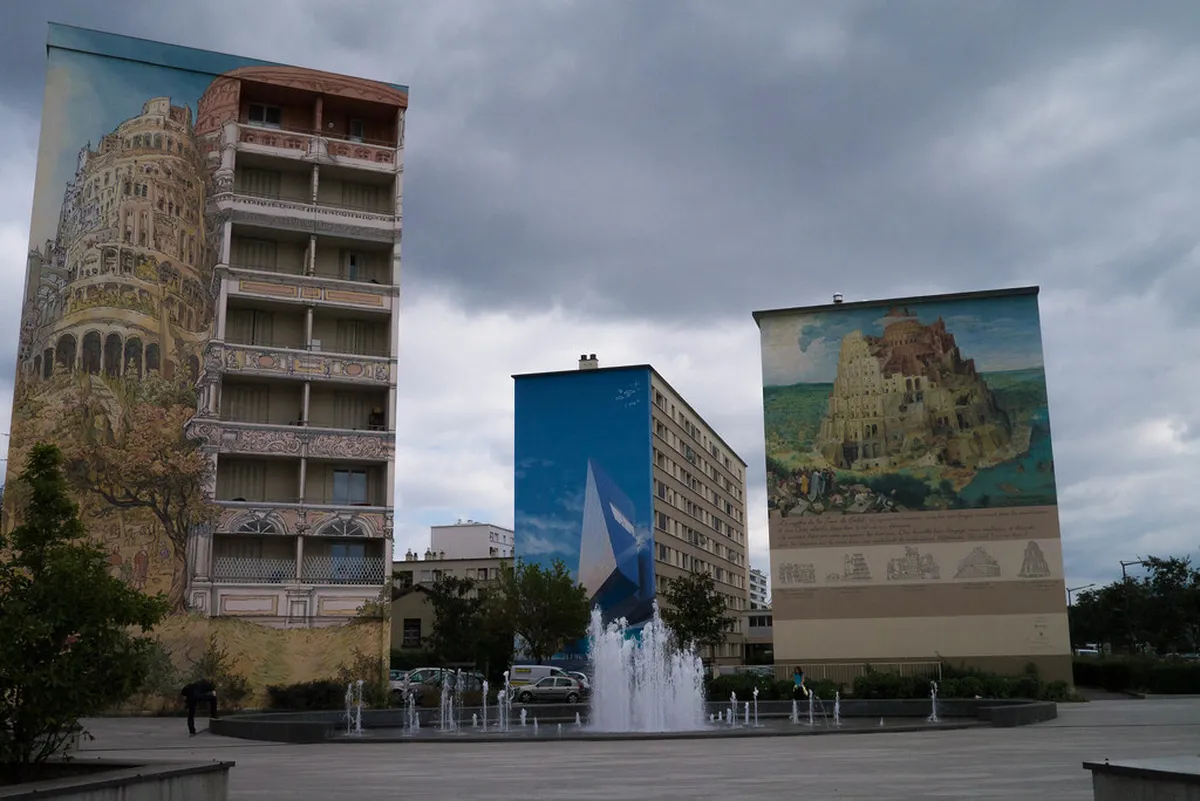
In the 1980s, local artists added large murals to many building facades. These paintings depict the life and visions of Tony Garnier himself. They turn the plain walls into a colorful timeline of urban history. This area remains a vibrant community for local residents in 2025.
Visitors can explore the interior of a 1930s apartment in the district. This preserved space shows how workers lived nearly a century ago. The layout is surprisingly modern and efficient for its time. It highlights the practical side of Garnier's architectural philosophy.
The Legacy of Tony Garnier Urban Planning in Lyon
Tony Garnier urban planning in Lyon changed how the city expanded south. His projects often focused on large-scale infrastructure for the public good. He believed that grand public buildings should inspire the common citizen. This belief is evident in the scale of his municipal projects.
The Grand Hôpital Édouard Herriot is another major landmark of his work. It features a pavilion-style layout to prevent the spread of diseases. Garnier designed it as a garden city for the sick and elderly. It remains one of the largest medical facilities in the region today.
He also focused on sports and recreation for the working class. The Stade de Gerland was originally designed to resemble ancient Roman arenas. It served as a community hub for athletic events and public gatherings. His influence extends far beyond just housing and industrial zones.
Current urban planners in Lyon still study his massive concrete foundations. They use his principles of light and air in new development projects. Garnier’s vision for a healthy city is more relevant than ever. His work provides a blueprint for sustainable urban living in 2025.
The Halle Tony Garnier and Industrial Utility
The Halle Tony Garnier was originally built as a slaughterhouse and market. Its massive steel and concrete roof spans over 200 meters long. There are no internal pillars to block the floor space inside. This design was a major engineering feat for the early twentieth century.
During World War I, the building served as an arms factory. It was later converted back to its original commercial purpose. However, the market eventually closed as the city changed its needs. The building faced the threat of demolition for several years.
- Total Area: 17,000 square meters of floor space
- Opening Hours: Depends on specific event schedules
- Location: 20 Place des Docteurs Charles et Christophe Mérieux
- Ticket Costs: Concert prices range from 40 to 100 Euros
The structure was successfully renovated into a massive concert venue. It now hosts the largest international music acts and trade fairs. The industrial aesthetic provides a unique atmosphere for modern cultural events. It is a perfect example of adaptive reuse in modern Lyon.
Visiting the Musee Urbain Tony Garnier
The Musee Urbain Tony Garnier is the best place to start. This museum is located right in the heart of the housing district. It offers guided tours that explain the architect's complex theories. You can see models of the original industrial city plans.
The museum is generally open from Tuesday to Sunday each week. Adult admission tickets usually cost around five to eight Euros. It is highly recommended to book your tour in advance online. The guides provide deep insights into the local social history.
You should allow at least two hours for a full visit. This gives you time to see the murals and the apartment. Wear comfortable shoes as there is plenty of walking involved. The district is easily reached by the local T4 tram line.
You can also join a professional walking tour of the area. These tours often connect Garnier's work with other local landmarks. Seeing the buildings in person helps you appreciate their massive scale. It is a highlight for any traveler visiting Lyon in 2025.
Frequently Asked Questions
What is the most famous building by Tony Garnier in Lyon?
The Halle Tony Garnier is his most recognizable landmark structure. It now serves as a major venue for music and events. The Quartier des États-Unis is also very famous for housing. Both sites showcase his innovative use of reinforced concrete.
Can I visit the apartments designed by Tony Garnier?
Yes, you can visit a reconstructed apartment in the États-Unis district. The museum offers access to this space during regular tour hours. It shows the original furniture and layout from the 1930s. This provides a clear look at early social housing standards.
Why is Tony Garnier important to modern urban planning?
He was one of the first to separate industrial zones. His focus on sunlight and green space was very revolutionary then. Many modern zoning laws are based on his early theoretical work. He proved that industrial cities could be healthy and beautiful.
How do I get to the Tony Garnier district in Lyon?
The easiest way is to take the T4 tram line. You should get off at the États-Unis Musée Tony Garnier stop. Buses also run frequently to this part of the city. It is located in the 8th arrondissement of Lyon.
Tony Garnier was a pioneer who helped build the modern world. His urban planning in Lyon created a legacy of light and space. You can still feel his influence in the city's modern layout. Visiting these sites offers a unique perspective on French industrial history.
Plan your trip to the 8th arrondissement to see these masterpieces. The murals and massive halls are waiting for your discovery in 2025. Experience the vision of a man who changed urbanism forever. Start your journey into the history of Lyon today!
Key Takeaways
- Garnier pioneered the use of reinforced concrete for social housing.
- The industrial city concept separated work and living zones effectively.
- The Halle Tony Garnier is a masterpiece of early industrial engineering.
- Visiting the urban museum provides a deep look at 1930s life.
- Public health and sunlight were central to all his urban designs.