
Halle Tony Garnier Structural Design Guide
Learn about the Halle Tony Garnier structural design in Lyon. Explore its steel arches and modern uses in this comprehensive 2025 guide. Start planning today!
On this page
The Halle Tony Garnier structural design remains a landmark of industrial engineering. Located in the Gerland district, it stands as a testament to early 20th-century innovation. This massive hall originally served as a cattle market and slaughterhouse facility. Today, it serves as a premier venue for concerts and major events in 2025.
Tony Garnier completed this project in 1914 for the International Exhibition. He was a visionary architect who redefined how cities use large spaces. The building is one of the largest clear-span structures in all of France. It showcases a unique blend of metallic strength and graceful urban aesthetics.
Visitors today marvel at the scale of the interior hall. The design removed the need for traditional support pillars in the center. This creates an open environment perfect for thousands of visitors to gather safely. Exploring this site is essential for any fan of architecture in Lyon.
The Origins of the Grande Halle
The project began as part of a massive urban renewal plan. Lyon needed a modern facility to manage its growing meat industry. Tony Garnier proposed a design that prioritized hygiene and efficient workflows. Construction faced several delays due to the start of the Great War.
During the war, the French military used the hall for storage. It was later returned to its original intended use in the 1920s. The scale of the building was unprecedented for a municipal project at that time. It covered over 210 meters in length and 80 meters in width.
Garnier wanted to prove that industrial buildings could also be beautiful. He used clean lines and functional shapes to define the exterior. This approach moved away from the ornate styles of the previous century. The hall stood as a symbol of progress for the city of Lyon.
Structural integrity was the primary focus for the heavy industrial use. The foundations had to support thousands of animals and heavy equipment daily. Garnier chose reinforced concrete for the base to ensure long-term durability. This solid foundation allowed the massive steel frame to remain stable for decades.
Analyzing the Steel Arch Infrastructure
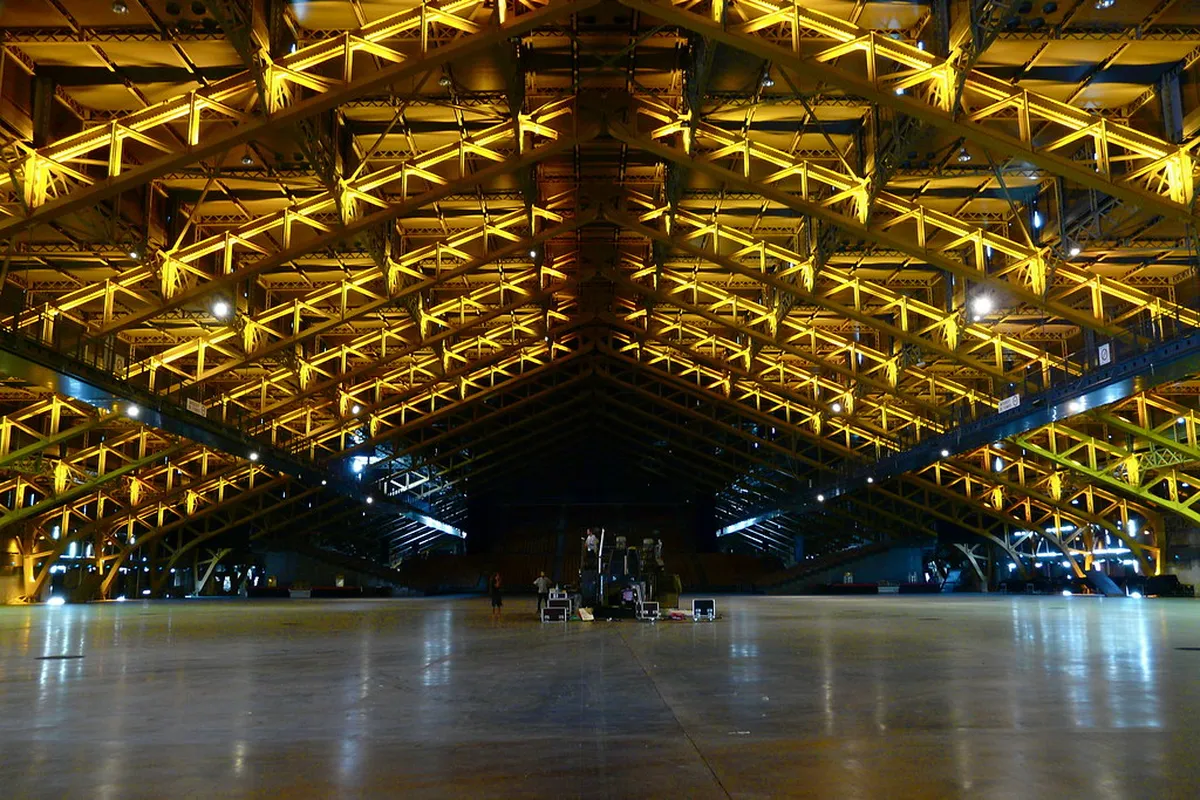
The Halle Tony Garnier structural design uses twenty-two massive steel arches. These arches span eighty meters without any middle vertical columns. This design choice provides a completely unobstructed view across the entire floor. It was a revolutionary engineering feat during the early 1900s.
Engineers used three-hinged arches to manage the immense weight of the roof. This system allows the metal to expand and contract with temperature changes. It prevents the frame from cracking during the hot French summers. Each arch weighs many tons and sits on a specific pivot point.
The roof features large glass panels to provide natural light inside. Garnier designed these skylights to minimize the need for artificial lighting during the day. The light creates a bright atmosphere within the industrial steel cage. This combination of glass and metal became a signature of modernism.
- Total Length: 210 meters of continuous floor space.
- Span Width: 80 meters without internal support pillars.
- Primary Material: Riveted steel and reinforced concrete foundations.
- Total Capacity: Up to 17,000 people for major 2025 events.
The cantilevered sections of the roof help distribute the downward pressure. This engineering trick keeps the outer walls from bowing under the load. It demonstrates a deep understanding of metallic tension and compression. Most modern stadiums still use similar principles for their roofing systems.
Tony Garnier Urban Planning in Lyon
The hall was a central piece of the larger Tony Garnier urban planning in Lyon. Garnier envisioned a city where work and life were perfectly integrated. He designed the Gerland district to be an industrial hub with housing nearby. This hall served as the economic engine for the southern part of the city.
His "Industrial City" concept influenced urban designers around the entire world. He believed that large public spaces should be both functional and accessible. The hall sits near major transport links to facilitate the movement of goods. This strategic placement helped Lyon grow into a major European logistics center.
Garnier also considered the social impact of his structural designs. He wanted the workers to have a clean and safe environment. The high ceilings and ventilation systems improved the air quality inside the hall. Such features were rare in industrial buildings before the 20th century.
Today, the surrounding neighborhood continues to evolve and modernize. The hall remains the anchor for the district's cultural and social identity. New buildings in Gerland often pay tribute to Garnier's original style. This continuity keeps the history of the city alive for future generations.
Modern Adaptation and Acoustic Upgrades
In 1988, the city decided to renovate the hall for entertainment. Architects Reichen and Robert led the transformation of the industrial site. They had to preserve the historic Halle Tony Garnier structural design. At the same time, they needed to make it a world-class concert venue.
The biggest challenge was managing the acoustics in such a large space. Steel and glass surfaces often reflect sound and create unwanted echoes. Designers added specialized insulation panels to the ceiling and side walls. These materials absorb excess noise and improve the clarity of live music.
They also installed a modular seating system for various event sizes. The hall can host small shows or massive international music tours. This flexibility has made it the most popular venue in the region. Many famous artists perform here every year due to the unique atmosphere.
Modern technology allows for fast setup times for large productions. The overhead steel arches provide plenty of points for hanging lights. Heavy equipment can be lifted easily using the original structural framework. This makes the hall a favorite for technicians and stage crews in 2025.
Planning Your Visit to Lyon in 2025
The hall is easy to reach using the Lyon public transport system. You can take the Metro Line B to the Debourg station. From there, it is a short walk to the main entrance. Trams also serve the area frequently throughout the day and evening.
Tickets for events should be booked well in advance through official websites. Prices vary depending on the performer and the chosen seating area. Most concerts begin around 8:00 PM on weeknights and weekends. Arrive early to admire the external architecture before the doors open.
There are many restaurants and cafes located around the Gerland district. You can find local French cuisine or quick international snacks nearby. For more tips, check a practical guide for Lyon architecture lovers. This will help you find the best spots to eat and explore.
Security at the venue is strict for all major public gatherings. Avoid bringing large bags or prohibited items to the security checkpoints. There is a cloakroom available for smaller items inside the entrance hall. Plan for at least thirty minutes to pass through the lines safely.
Frequently Asked Questions
What is the Halle Tony Garnier structural design called?
It is an industrial clear-span design using three-hinged steel arches. This style allows for a massive open interior without any support columns. It was a groundbreaking technique for the early 20th century.
When was the Halle Tony Garnier built?
Construction began in 1908 but faced several interruptions. The building officially opened for the International Exhibition in 1914. It underwent a major renovation for concerts in the late 1980s.
How many people can the Halle Tony Garnier hold?
The venue can accommodate up to 17,000 people for standing events. For seated concerts, the capacity is usually around 5,000 to 12,000. This makes it one of the largest venues in France.
Can you tour the building without a concert ticket?
Public tours are not always available during the week. However, the exterior is always visible from the public streets. Some heritage days offer special access to the interior for history fans.
Who was the architect of the Grande Halle?
The building was designed by Tony Garnier, a famous Lyon architect. He is known for his work on social housing and industrial planning. His influence is visible throughout the entire city today.
The Halle Tony Garnier structural design is a masterpiece of modern engineering. It successfully transitioned from a slaughterhouse to a world-class music venue. Its massive steel arches continue to inspire architects and engineers globally. Visiting this site offers a deep look into the industrial history of Lyon.
Whether you attend a concert or just view the exterior, the hall impresses everyone. It stands as a symbol of how old buildings can find new life. Make sure to include this site on your next trip to France. Enjoy the unique blend of history and culture found in this iconic landmark.
Key Takeaways
- The hall features a clear-span design with no internal pillars.
- Tony Garnier designed the site for the 1914 International Exhibition.
- The structure can hold up to 17,000 people for major events.
- Innovative steel arches allow the building to span eighty meters wide.
- It is a key part of the historic industrial district in Gerland.
Related reads: architecturebycity.com, musee urbain tony garnier murals.