
Architecture in Reims: A Guide to French Design
Discover the best architecture in Reims. Explore Gothic cathedrals, Art Deco gems, and Roman ruins in 2025. Plan your French architectural tour today!
On this page
Reims stands as a treasure trove of European design and history. The stunning architecture in Reims tells stories of kings and world wars. Visitors can see styles ranging from Roman stone to modern glass. This city serves as the gateway to the famous Champagne region.
You will find incredible landmarks around every corner of this historic city. The streets showcase a unique blend of medieval and contemporary aesthetics. This diversity makes the city a top destination for design enthusiasts. Start your journey by exploring the famous Gothic architecture in Reims today.
The city has undergone many transformations over the past two thousand years. Each era left a permanent mark on the local skyline and streets. Today, the urban landscape reflects both resilience and artistic innovation. Travelers will appreciate the carefully preserved monuments throughout the city center.
Planning a trip in 2025 allows you to see many restored sites. Many buildings now feature modern amenities within their historical shells. This balance creates a vibrant atmosphere for residents and visitors alike. Enjoy the rich visual history found in this beautiful French location.
The Majestic Gothic Cathedral
The Notre-Dame de Reims remains the most iconic building in the city. This cathedral hosted the coronations of many French kings over centuries. Its soaring towers and detailed sculptures represent the peak of Gothic design. You can see the Reims Cathedral facade details from the central square.
The interior features high vaulted ceilings and beautiful stained-glass windows. Some windows were designed by the famous artist Marc Chagall in 1974. These modern touches contrast beautifully with the ancient stone walls. The light creates a colorful display on the floor during sunny afternoons.
Entry to the main cathedral floor is free for all visitors. You may need to pay a small fee to climb the towers. The view from the top offers a panoramic look at the city. Most people spend at least one hour exploring the vast nave.
The cathedral suffered heavy damage during the first World War. International efforts helped restore the structure to its original 13th-century glory. It now stands as a symbol of peace and cultural endurance. Architectural students come from around the world to study its unique form.
Nearby you will find the Palace of Tau. This former archbishop's palace displays tapestries and coronation robes today. The building reflects a mix of Gothic and Baroque styles. It provides essential context for the history of the neighboring cathedral.
Ancient Roman Landmarks
Reims was once a major city in the Roman Empire. The Roman ruins in Reims offer a glimpse into the ancient past. The Porte de Mars is the most impressive surviving structure. This massive stone arch was built in the third century AD.
The arch is over 30 meters long and 13 meters high. It features three openings decorated with detailed bas-relief carvings. These carvings depict scenes of Roman life and local mythology. You can visit this site for free in a public park.
Another important site is the Cryptoporticus located beneath Place du Forum. These underground galleries once supported the city's main marketplace. The stone arches remain remarkably intact after nearly two thousand years. It is a cool place to visit during hot summer days.
Walking through these ruins helps you understand the city's ancient layout. The Romans designed the streets in a classic grid pattern. Many modern roads still follow these original paths today. History feels very close when you touch these weathered stones.
Art Deco Reconstruction Style
After World War I, much of the city required complete reconstruction. Architects chose the Art Deco style to modernize the urban landscape. This resulted in the unique Reims Art Deco reconstruction seen everywhere today. Look for geometric patterns and floral motifs on residential facades.
The Carnegie Library is a prime example of this elegant era. It was funded by American businessman Andrew Carnegie after the war. The interior features a stunning glass chandelier and mosaics. It serves as a functional library for local students and researchers.
Another must-see site is the Cinema Opera with its striking facade. The building showcases the glamour of the early 20th century perfectly. Many storefronts in the city center also feature Art Deco signs. These details add a touch of vintage charm to the streets.
The reconstruction era allowed for wider streets and better urban planning. Architects focused on using modern materials like concrete and steel. However, they maintained a sense of French elegance in their designs. This style defines the visual character of the city today.
Unique Champagne House Design
No visit is complete without exploring the Champagne house architecture found here. Many famous estates feature grand mansions built in the 19th century. These buildings often look like small castles surrounded by lush gardens. The Veuve Clicquot and Pommery estates are particularly impressive.
The true architectural wonders lie deep beneath the city streets. Ancient chalk pits were converted into vast champagne storage cellars. These tunnels maintain a constant temperature perfect for aging wine. Some cellars stretch for many miles under the city center.
Visitors can take guided tours to see these underground cathedral-like spaces. The stone walls are covered in thousands of dusty bottles. Many tours include a tasting session at the end of the walk. Prices for these tours usually start around 30 euros per person.
The Pommery estate features an Elizabethan style that is quite rare. Its blue and white facade looks like a fairy-tale palace. You will also find modern art installations inside some traditional cellars. This blend of industry and art is unique to Reims.
Modern and Contemporary Sites
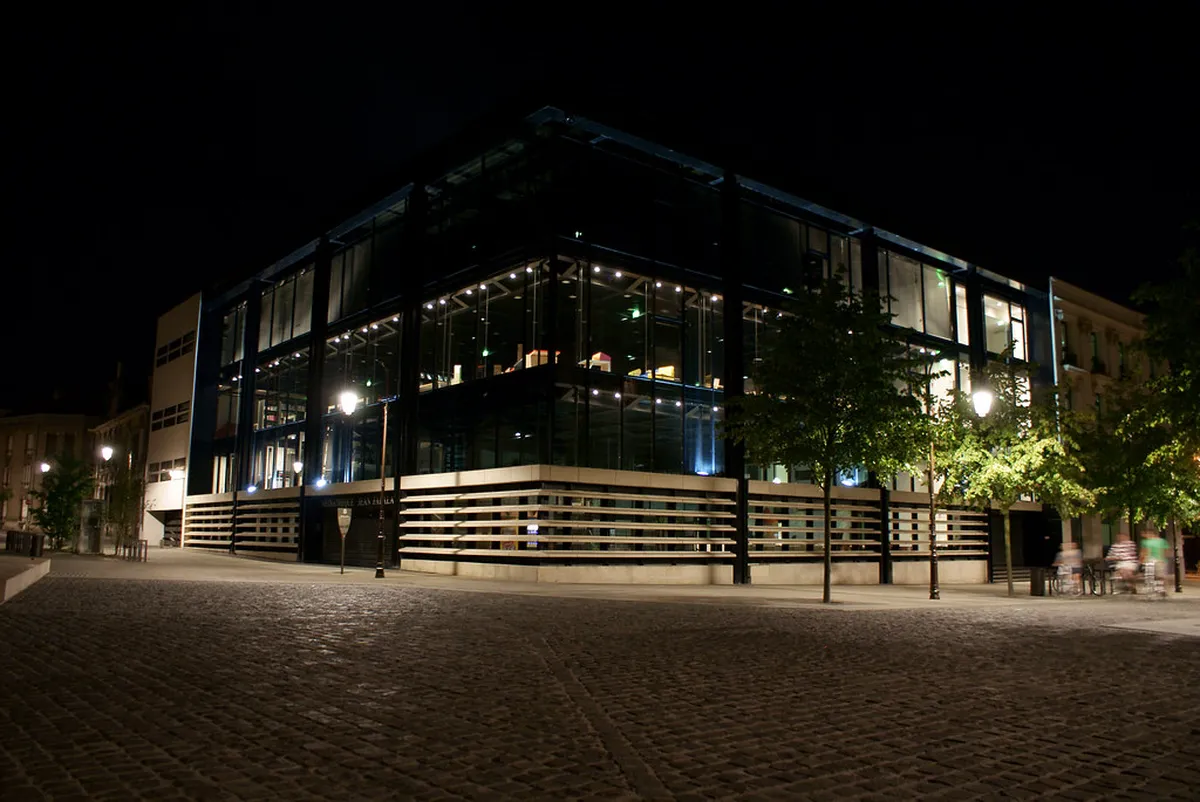
The city continues to evolve with exciting modern architecture in Reims. The TGV railway station is a highlight for contemporary design fans. It features a sleek glass roof that fills the space with light. This station connects the city to Paris in just 45 minutes.
The Foujita Chapel is another small but significant modern landmark. It was designed by the Japanese artist Leonard Foujita in 1966. The chapel features frescos that blend Eastern and Western artistic styles. It is located in a quiet garden near the city center.
Recent developments include the UCPA Sport Station with its bold shapes. This facility provides space for swimming, skating, and other sports. Its design reflects the city's commitment to modern public infrastructure. The building uses sustainable materials and energy-efficient systems.
Walking through the newer districts reveals a different side of the city. You will see creative housing projects and minimalist office buildings. These structures show that the city is looking toward the future. It remains a living museum that never stops growing.
Elegant Private Mansion Facades
The Quartier des Moissons is home to many stunning private mansions. These homes were built by wealthy champagne merchants during the Belle Epoque. They feature intricate ironwork and ornate stone carvings on every balcony. A walk through this neighborhood feels like a trip back in time.
Many of these mansions now serve as offices or luxury hotels. You can admire their grand entrances from the public sidewalks. Look for the Hotel de Brimont for a classic example. The symmetry and scale of these buildings are truly impressive.
Small details often reveal the history of the owners. Look for carvings of grapes or vines on the stone pillars. These decorations celebrate the wine industry that built the city's wealth. The gardens behind the tall gates are often beautifully landscaped.
Exploring these residential streets provides a quieter look at local life. The atmosphere is very different from the busy cathedral square nearby. It is the perfect place for a slow afternoon stroll in 2025. Don't forget to bring your camera for some great photos.
Frequently Asked Questions
What is the best way to see the city's landmarks?
A Reims architecture walking tour is the best option for visitors. Most major sites are within easy walking distance of each other. You can also use the efficient tram system to reach further districts. Wear comfortable shoes as some streets still have cobblestones.
Are the champagne cellars accessible for tours?
Most champagne houses offer regular tours of their historic cellars. It is best to book your tickets online in advance. Tours are available in multiple languages including English and French. Remember to bring a jacket because the cellars are quite cold.
How long should I stay to see all the architecture?
Two full days are usually enough to see the main highlights. Spend one day on the cathedral and the Roman ruins. Use the second day for champagne houses and Art Deco sites. This pace allows you to enjoy each location without rushing.
Is the Reims Cathedral open every day?
The cathedral is typically open daily from early morning until evening. Be mindful of religious services when visiting on Sundays. Large events may sometimes close certain areas to the public. Always check the official website for special holiday hours in 2025.
Reims offers a perfect blend of ancient history and modern style. You can explore Roman gates and Gothic cathedrals in one afternoon. The Art Deco streets and champagne cellars add layers of unique beauty. Make sure to plan your visit to see this diverse architecture in person. This French city will leave you with lasting memories of artistic excellence.
Key Takeaways
- The Notre-Dame Cathedral is a Gothic masterpiece worth visiting early.
- Art Deco buildings define the city's post-war reconstruction style.
- Champagne house cellars offer a unique underground architectural experience.
- The city is easily walkable and well-connected by high-speed trains.