
Explore Roman Ruins in Reims: A 2025 Guide
Discover the ancient Roman ruins in Reims with our 2025 historical guide. Learn about Porte de Mars and the Cryptoporticus today. Start your journey now!
On this page
Reims holds a deep history that stretches back many thousands of years into the ancient past. The city served as a vital regional capital during the height of the grand Roman era. Today, you can still find stunning Roman ruins in Reims scattered throughout the busy modern streets. These ancient sites offer a unique look into a lost world for every curious traveler. Travelers visiting France in 2025 will find these ruins very accessible and easy to explore. Most sites are located right in the heart of the city center near the shopping districts. You can easily walk between the major historical landmarks during a single morning or afternoon trip. Understanding architecture in Reims starts with these early foundations from the Roman Empire.
The Grandeur of the Porte de Mars Arch
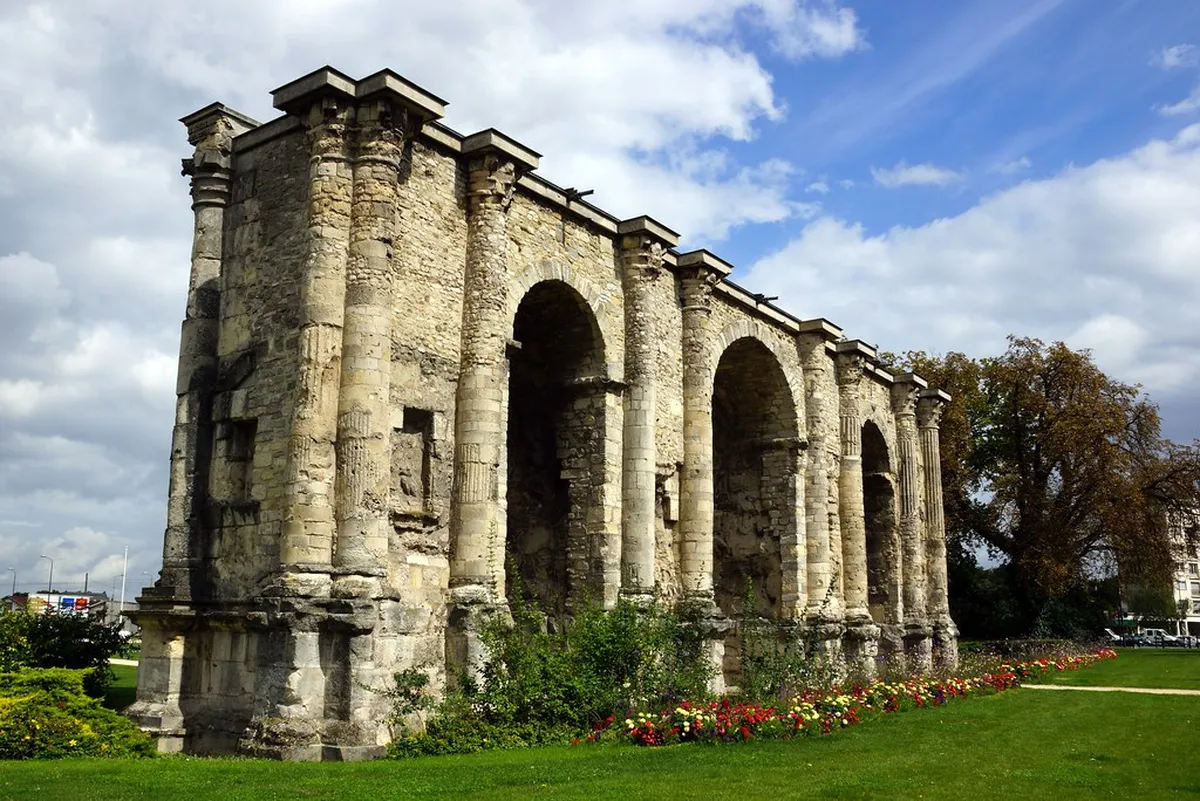
The Porte de Mars stands today as a truly massive gateway to the famous ancient city. This stone structure was built during the third century to honor the powerful Roman god of war. It remains the widest Roman arch ever discovered in the entire world to this current day. The arch features three distinct openings that once allowed traffic to enter the busy city center. You can see many intricate carvings that depict historical scenes along the inner ceiling of the arch. These detailed reliefs show the legendary founders of Rome alongside various local myths and regional stories. Visiting this site is completely free for all tourists exploring the northern edge of the city. The arch sits within a beautiful public park that is perfect for a relaxing afternoon walk. You should take a moment to study the porte de mars structural history during your visit. The monument underwent a major restoration project recently to preserve its delicate carvings for future generations. It is located near the main train station and remains a top site for local photography. You will find several informative plaques that explain the history of the arch in multiple languages.
Exploring the Gallo-Roman Cryptoporticus
The Cryptoporticus is a hidden underground gem located right beneath the modern Place du Forum square. This structure consists of three long galleries that once supported a large marketplace above the ground. It was built around the year 200 AD to provide a solid foundation for the city. Today, visitors can walk through these cool stone tunnels to feel the ancient Roman atmosphere. The galleries are very well preserved and show the incredible engineering skills of the early Roman builders. Lighting inside the tunnels highlights the beautiful textures of the ancient masonry and stone vaulting systems. You can learn more about this site by researching the cryptoporticus gallo-roman architecture before you arrive. Admission to this site is very affordable and usually costs around five Euros for most adults. The site is generally open from May through September when the weather is warm and pleasant. It offers a great escape from the sun during the hot summer afternoons in the city. You should check the official website for updated hours before you plan your trip in 2025. The staff provides excellent maps that help you navigate the different sections of the underground ruins.
Roman Ruins in Reims: The Urban Forum
The ancient forum was the beating heart of social and political life in Roman Durocortorum. It was a massive open space where citizens gathered to trade goods and discuss important local news. While much of the original forum is gone, its legacy still defines the layout of Reims today. The modern Place du Forum sits directly on top of this historic Roman meeting ground. Roman ruins in Reims often hide beneath the surface of the busy streets we walk on. Archaeological digs continue to reveal new secrets about how the Romans lived in this northern province. You can see small glimpses of the ancient foundations through glass panels installed in the pavement. These views connect the modern city to the ancient world in a very visual and exciting way. Surrounding the square are many cafes where you can sit and imagine the ancient market stalls. The atmosphere in this part of town is very lively and full of local French culture. Many historians believe this was one of the largest forums in the entire northern Roman Empire. It remains a central point for any tour focused on the historical development of the city.
Historical Planning of Ancient Durocortorum
Durocortorum was the original name for the city of Reims during the ancient Roman period. The city was designed with a strict grid pattern that is still visible in some neighborhoods today. Large main roads crossed at the center to create a clear path for soldiers and traders alike. This systematic approach to building allowed the city to grow very quickly into a major trading hub. You can explore the roman durocortorum urban planning to see how the city functioned during its peak. The Romans built advanced aqueducts to bring fresh water into the city for public baths and fountains. Remnants of these water systems are occasionally found during modern construction projects throughout the city center. These ruins prove that the Romans had a very sophisticated understanding of sanitation and public health. Most of the original city walls were replaced during the middle ages as the city expanded further. However, the orientation of the streets still follows the ancient paths set by Roman engineers long ago. Walking through the city feels like traveling through different layers of time and European history. Every corner seems to hold a small piece of the ancient Roman puzzle for you to find.
How to Visit Reims Roman Sites in 2025
Planning your trip to see these ruins in 2025 is a very simple and rewarding process. Most of the Roman sites are located within walking distance of the famous Reims Cathedral. You should start your morning at the Porte de Mars before the crowds arrive for the day. Wear comfortable walking shoes because the historic streets can be a bit uneven in some areas. Booking a reims architecture tour planning guide can provide you with deeper insights into each monument. Many local guides offer specialized tours that focus specifically on the Gallo-Roman history of the region. These tours often include access to smaller sites that are not always open to the general public. You should also visit the Saint-Remi Museum to see smaller Roman artifacts and beautiful floor mosaics. The museum is housed in a stunning former abbey that is a historical landmark itself. Photography is allowed at most outdoor ruins so bring your camera to capture the ancient stone. Early morning light provides the best conditions for taking photos of the Porte de Mars arch. Make sure to check if any special exhibitions are happening during your visit in 2025.
Frequently Asked Questions
Are the Roman ruins in Reims free to visit?
The Porte de Mars is located in a public park and is completely free to visit. The Cryptoporticus requires a small entry fee which helps with the preservation of the site. Most of the Roman street layouts can be seen for free while walking the city.
What is the best time of year to see the ruins?
The best time to visit is from late spring to early autumn during the warmer months. Many sites like the Cryptoporticus are only open to the public during the summer season. You will enjoy better weather for walking between the different historical monuments in the city.
How long does it take to see the Roman sites?
You can see the major Roman sites in about three to four hours of walking. This allows enough time to read the informative plaques and take plenty of photos. Many visitors combine these ruins with a visit to the local Champagne houses nearby.
The Roman ruins in Reims offer a fascinating look into the ancient history of northern France. From the massive Porte de Mars to the hidden Cryptoporticus, these sites are truly unforgettable. Plan your visit in 2025 to experience these wonders for yourself in the heart of the city. You will gain a new appreciation for the engineering skills of the ancient world. Do not forget to explore more of the city by booking a local tour today.
Key Takeaways
- Visit the Porte de Mars to see the widest Roman arch in the world.
- Explore the underground Cryptoporticus galleries for a unique subterranean experience.
- Walk through the Place du Forum to stand where ancient Romans once gathered.
- Plan your visit between May and September for the best access to sites.
- Check the Saint-Remi Museum for detailed Roman artifacts and beautiful ancient mosaics.