
Porte de Mars Structural History: Reims Roman Ruins
Explore the Porte de Mars structural history in Reims. Learn about these Roman ruins in Reims and plan your 2025 visit to this ancient gate with our expert guide.
On this page
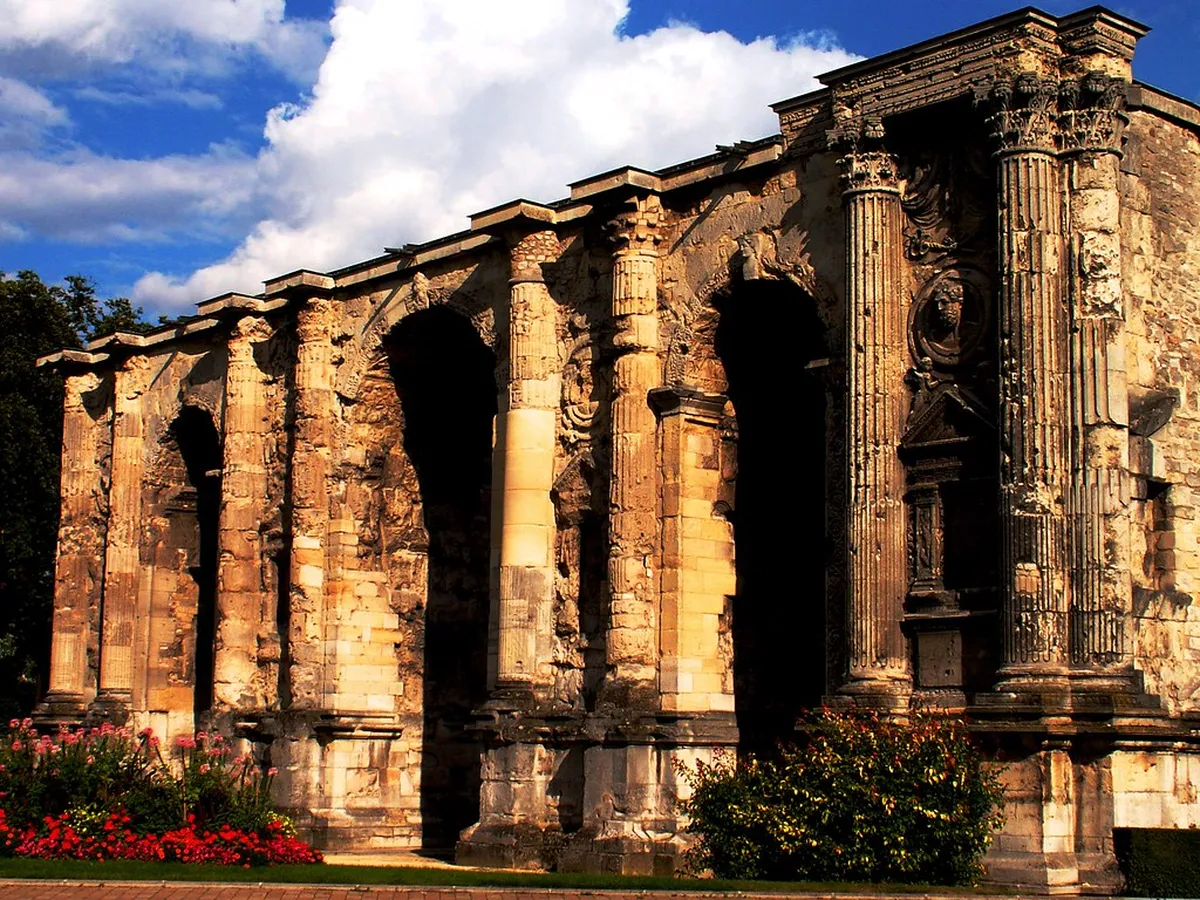
The Porte de Mars structural history begins in the third century AD. It stands as a massive triumphal arch in modern Reims. This gate is the widest Roman arch in the world today. It serves as a reminder of the grand Roman ruins in Reims.
Ancient builders designed this gate to showcase the power of Rome. It originally served as one of four monumental city gates. Travelers entered the city of Durocortorum through these arches. Today, the structure remains an architectural marvel for all visitors.
You can find this monument near the heart of Reims. It sits within a beautiful public park near the station. The arch has survived wars, urban changes, and natural weathering. Exploring its history reveals the deep roots of French urban planning.
Early Construction and Design of Porte de Mars
The Porte de Mars structural history dates back to the Severan dynasty. It was built between 180 and 230 AD. The arch honored the Roman god of war, Mars. This dedication came from a nearby temple dedicated to the same deity.
The structure consists of three massive vaulted openings. It measures thirty-three meters in total width. The central arch provided ample space for large chariots. Pedestrians used the two smaller arches on the sides.
Builders used large blocks of local limestone for the frame. They did not use mortar for the primary structural joints. The sheer weight of the stones kept the arch stable. This technique was common in grand Roman ruins in Reims during that era.
Architects included eight Corinthian columns on the main facade. These pillars supported a heavy decorative entablature. The design followed the classic triumphal arch style found in Rome. It projected a message of stability to the northern provinces.
Intricate Reliefs and Symbolic Carvings
The interior of the arches features stunning stone carvings. These reliefs depict scenes from ancient Roman mythology. One famous panel shows Romulus and Remus with a she-wolf. Another relief displays the story of Leda and the Swan.
The ceiling of the central arch contains a complex calendar. It shows agricultural scenes for different months of the year. You can see farmers working in the fields and vineyards. These details highlight the importance of farming in Gallo-Roman life.
Time and weather have worn down some of the finer details. However, many scenes remain visible to the naked eye. Experts recommend visiting during midday for the best lighting. The sun illuminates the deep carvings inside the vaults.
These artistic elements were not merely for decoration. They served as a visual history for the local population. Most residents in the third century were likely illiterate. The carvings told stories of their gods and their heritage.
The Arch During the Middle Ages
The role of the Porte de Mars changed in the Middle Ages. The city of Reims used it as a defensive gate. Residents filled the side arches with stone and rubble. This made the structure a solid part of the city walls.
Local bishops eventually incorporated the arch into their fortified palace. New buildings were constructed directly against the ancient Roman stone. These additions actually helped protect the Roman masonry from the elements. The arch remained hidden within the medieval city for centuries.
By the thirteenth century, the arch was almost entirely buried. Only the very tops of the arches were visible to locals. People forgot the grand scale of the original Roman gate. It stayed encased in newer stone until the nineteenth century.
Workers finally cleared the surrounding buildings in 1844. This project revealed the full glory of the ancient structure. It was a major moment for architecture in Reims history. The gate became a protected historical monument shortly after.
Modern Preservation and Restoration in 2025
Significant restoration work continues throughout the year 2025. Experts are using lasers to clean the delicate limestone surfaces. This process removes black crust caused by urban pollution. The stone is returning to its original light grey color.
Engineers are also working to stabilize the internal structural joints. They use specialized lime mortars that match the original Roman materials. These repairs prevent water from entering the cracks in the stone. Keeping the monument dry is essential for its long-term survival.
The city has updated the park surrounding the monument. New lighting makes the arch visible during the evening hours. Improved walkways allow for better access for all visitors in 2025. These upgrades make the area a top destination for travelers.
You should include this site in your Reims architecture tour planning for 2025. The site now features digital guides and interactive displays. These tools explain the construction techniques used by Roman engineers. It is a perfect blend of history and modern technology.
Frequently Asked Questions
Is the Porte de Mars free to visit in Reims?
Yes, the Porte de Mars is free to visit. It is located in a public park. You can walk around the monument at any time. No tickets or bookings are required for this site.
Where is the Porte de Mars located?
The arch is located near the Reims train station. It sits at the end of the Hautes Promenades. You can easily reach it on foot from the city center. It is a short walk from the local museums.
How long should I spend at the monument?
Most visitors spend about thirty minutes at the site. This allows time to see all three arches. You can study the carvings on the interior ceilings. The surrounding park is also great for a quick stroll.
The Porte de Mars remains a vital piece of Roman history. Its massive scale and intricate carvings tell a unique story. Visiting this site in 2025 offers a deep look into the past. Be sure to explore the nearby museums to see related artifacts today.
Key Takeaways
- The Porte de Mars is the widest surviving Roman arch.
- Restoration efforts in 2025 are preserving the delicate carvings.
- The monument is free and easily accessible from the train station.
- It contains detailed reliefs of Romulus, Remus, and a Roman calendar.
Related reads: architecturebycity.com.