
Architecture in Cannes: A Guide to French Riviera Style
Explore the iconic architecture in Cannes for your 2025 trip. From Art Deco hotels to medieval towers, discover the best design landmarks and sites.
On this page
Cannes offers a stunning blend of historic and modern design for every traveler. Visitors in 2025 will find incredible beauty throughout this Mediterranean gem. The diverse architecture in Cannes tells a rich story of French luxury and history. Every street reveals a new period of European artistic development.
Walking through the city feels like visiting a large open-air museum today. You can see medieval towers standing near sleek contemporary glass buildings. The Mediterranean sun highlights intricate details on every limestone facade here. These landmarks make Cannes a premier destination for global design lovers.
Belle Époque Splendor on the Croisette
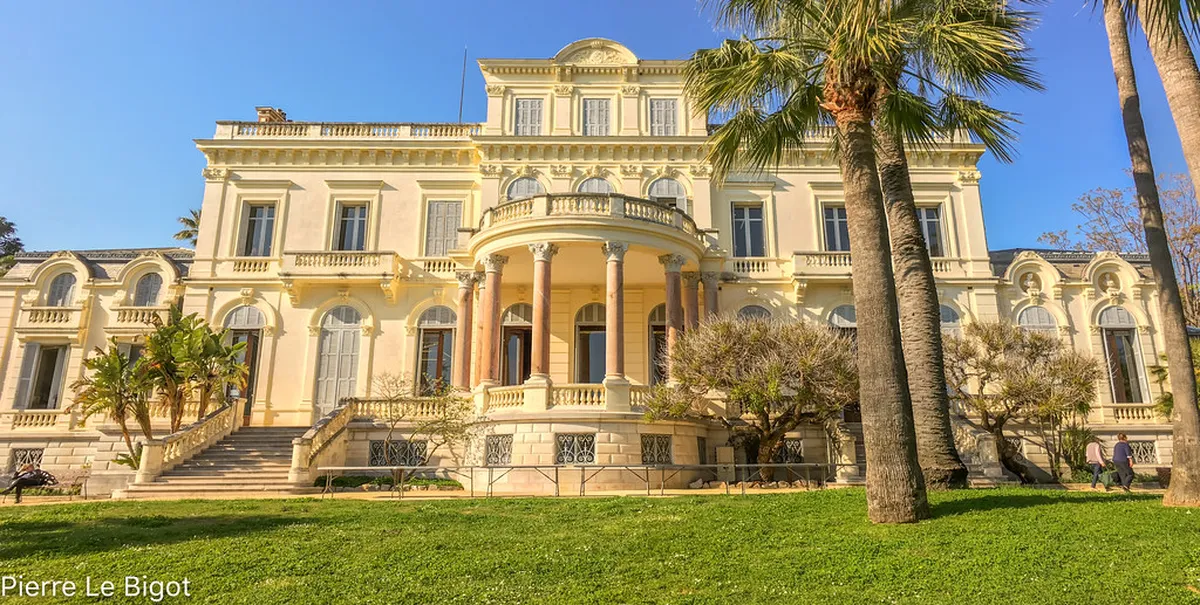
The Boulevard de la Croisette showcases the height of French luxury design. Grand hotels from the early 20th century line this famous coastal road. These buildings feature ornate white facades and grand entrance halls for guests. Most of these structures were built during the glamorous Belle Époque era.
The InterContinental Carlton remains a primary landmark for architecture fans in Cannes. It features two famous twin domes inspired by a legendary socialite. The hotel was completed in 1913 and represents high-end coastal elegance. You can view many Belle Époque villas of Cannes just behind this main strip.
Architects used white stone and decorative plaster to create these massive structures. Large windows were designed to capture the brilliant light of the French Riviera. These hotels often include beautiful wrought iron balconies with sea views. You will notice intricate carvings above the windows and doors throughout.
Preserving these historic facades is a top priority for the local government. Owners must follow strict rules to maintain the original look of the buildings. This ensures that the city keeps its historic charm for future generations. Walking this street offers a glimpse into a world of pure luxury.
The Medieval Charm of Le Suquet
Le Suquet serves as the oldest neighborhood in this famous seaside city. It sits on a hill overlooking the modern harbor and luxury yachts. The area features narrow winding streets made from local cobblestones. This district showcases the Le Suquet historic architecture from the Middle Ages.
The Castre Museum sits at the very top of this historic hill. It occupies a former castle built by monks from the Lerins Islands. The square clock tower dates back to the 11th century. It provided a perfect vantage point to watch for pirate ships.
Church architecture also plays a significant role in this old district. The Notre-Dame de l’Espérance church features a beautiful Gothic style. It was built between the 14th and 16th centuries for the locals. The interior offers a quiet space with impressive stone arches and altars.
Visitors can explore the historic stone walls that once protected the town. These structures use heavy masonry techniques common in ancient Mediterranean forts. The layouts of the streets follow the natural curve of the hill. This area provides a sharp contrast to the modern luxury below.
Art Deco Landmarks and Modernist Styles
The 1920s and 1930s brought a new design movement to the coast. Art Deco style introduced geometric shapes and bold lines to the city. This period focused on symmetry and modern materials like reinforced concrete. Many buildings from this time still look very stylish today.
The Hotel Martinez Art Deco design is a perfect example of this style. It opened in 1929 and remains a symbol of classic glamour. The white facade features blue accents and sharp architectural angles. It reflects the optimism of the early twentieth century perfectly.
Interiors of these buildings often use marble and chrome for decoration. Designers during this era loved using sunburst patterns and stylized flowers. You can find these details in many apartment blocks near the center. These structures helped modernize the city before the Second World War.
Preserving Art Deco heritage is very important for the cultural identity of Cannes. Many original light fixtures and staircases remain in these protected buildings. Renovations always aim to respect the geometric vision of the original architects. This style bridges the gap between old luxury and modernism.
Contemporary Design and the Palais des Festivals
Modern Cannes is defined by the massive Palais des Festivals building. This structure serves as the main hub for the world-famous film festival. It was designed to handle large crowds and complex technical requirements. The Palais des Festivals architectural history began with its 1982 opening.
The building features large glass panels and a stark concrete exterior. It was originally nicknamed the bunker due to its massive size. Recent renovations have added more light and transparency to the facade. It stands as a symbol of the city's global influence.
The red carpet steps are the most photographed part of the building. Architects designed this entrance to create a dramatic sense of arrival. Wide plazas around the Palais allow for massive security and media setups. It remains a functional masterpiece for the modern events industry.
Newer projects in Cannes focus on sustainability and green urban planning. Modern architects are adding more plants to building rooftops and terraces. This approach helps the city stay cool during the hot summer months. Contemporary design here balances high technology with environmental needs.
Religious Sites and Unique Villa Architecture
Diverse religious communities have built beautiful landmarks across the city over time. The Russian Orthodox Church Cannes architecture is particularly striking to see. It features vibrant blue onion domes and traditional Byzantine style elements. This church was built in 1894 for the Russian nobility.
Villa Domergue is another architectural treasure located on the outskirts. This Mediterranean villa was inspired by the beauty of Italian gardens. It features classical columns and a very peaceful outdoor theater. The house belonged to a famous painter and his sculptor wife.
The California district holds many private estates with incredible design features. These homes often mix Neo-Classical styles with modern luxury amenities. Architects designed these villas to sit perfectly within the steep hillsides. You can see many ornate balconies and grand driveways from the road.
Religious buildings in Cannes use high-quality materials like Carrara marble. Stained glass windows tell stories of the city's diverse spiritual history. These sites are often open to the public for quiet reflection. They provide a deeper look into the cultural fabric of the region.
Practical Tips for Architecture Lovers
The best way to see these sites is on foot. Most major landmarks sit within walking distance of the main harbor. Wear comfortable shoes because the hills in Le Suquet are quite steep. Bring a camera to capture the changing light on the stone buildings.
Consider booking a Cannes architecture walking tour for expert local insights. Professional guides can explain the history behind the private villa gates. Many tours offer access to gardens that are usually closed to tourists. Tours typically cost between thirty and sixty Euros per person.
Visit the major hotels early in the morning for the best photos. The light at sunrise creates a beautiful glow on the white facades. You will also avoid the heavy crowds that arrive by noon. Most public buildings are open from ten in the morning until six.
Check the calendar before you plan your architectural visit to Cannes. The city becomes very crowded during the film festival in May. Some streets may be closed to the public during large events. Fall and spring offer the best weather for long walking tours.
Frequently Asked Questions
What is the most famous building in Cannes?
The InterContinental Carlton is likely the most famous building in the city. Its twin domes are iconic symbols of the French Riviera. It represents the peak of Belle Époque design and luxury.
Can you visit the historic villas of Cannes?
Some villas like Villa Domergue are open to the public during summer. Many others are private residences and can only be viewed from the street. Check local listings for special heritage days in September.
Are there guided architecture tours available in Cannes?
Yes, many companies offer expert-led tours of the city's landmarks. These walks cover everything from medieval ruins to modern film palaces. You can book them online or at the tourism office.
When was the Palais des Festivals built?
The current building was completed in 1982 to replace an older site. It has since undergone several major renovations to modernize its appearance. It remains the center of the Cannes Film Festival.
The architecture in Cannes is a beautiful mix of history and glamour. From medieval stone towers to Art Deco hotels, the city offers endless visual delight. Plan your visit for 2025 to see these incredible structures in person. Explore the streets today to discover the true heart of French design.
Key Takeaways
- The Croisette is home to world-class Belle Époque and Art Deco hotels.
- Le Suquet offers a glimpse into the medieval origins of the city.
- Villa Domergue and the Russian Church are essential hidden architectural gems.
- Walking tours are the best way to see detailed facade designs.