
Russian Orthodox Church Cannes Architecture Guide 2025
Discover the Russian Orthodox Church Cannes architecture in 2025. Explore this landmark and other religious architecture in Cannes today.
On this page
The Russian Orthodox Church Cannes architecture stands as a vibrant monument within the French Riviera. This sacred building welcomes thousands of curious visitors who admire its unique Eastern design elements. You can find this historic landmark nestled along the peaceful Boulevard Alexandre III in Cannes. It remains an essential stop for anyone exploring the diverse religious architecture in Cannes during 2025.
The structure represents a fascinating chapter in the history of international relations on the southern coast. Russian aristocrats once flocked to the city during the winter months to enjoy the mild Mediterranean climate. They desired a spiritual home that reflected the traditions and aesthetics of their distant native land. This church became the physical manifestation of their cultural presence within the bustling French resort town.
Today, the building continues to serve its local parish while attracting architecture enthusiasts from around the world. Its blue domes and golden crosses provide a striking contrast to the typical Provencal building styles. Many people consider it one of the most beautiful and unique religious sites in all of France. Exploring its history reveals the deep connections between the Russian elite and the development of Cannes.
History of the Russian Church in Cannes
Construction of the church began in late 1894 to serve the growing local Russian community. The project received significant financial support from members of the Russian imperial family living nearby. Grand Duke Michael Mikhailovich played a pivotal role in securing the necessary funds and land. His dedication ensured that Russian residents had a proper place for worship in southern France.
The church was officially consecrated in November 1894 during a ceremony attended by noble dignitaries. It quickly became the spiritual heart for the Russian aristocracy vacationing on the sunny Cote d'Azur. These wealthy visitors brought their traditions and artistic preferences to the shores of the Mediterranean. Their influence shaped the cultural landscape of the city for many decades to come.
Over the years, the building has survived numerous challenges including political changes and world conflicts. It underwent extensive restoration efforts to preserve its delicate artistic features and structural integrity for generations. Local craftsmen worked diligently to maintain the original vision established by the founders and architects. Today, it stands as a testament to the enduring bond between Russia and the city.
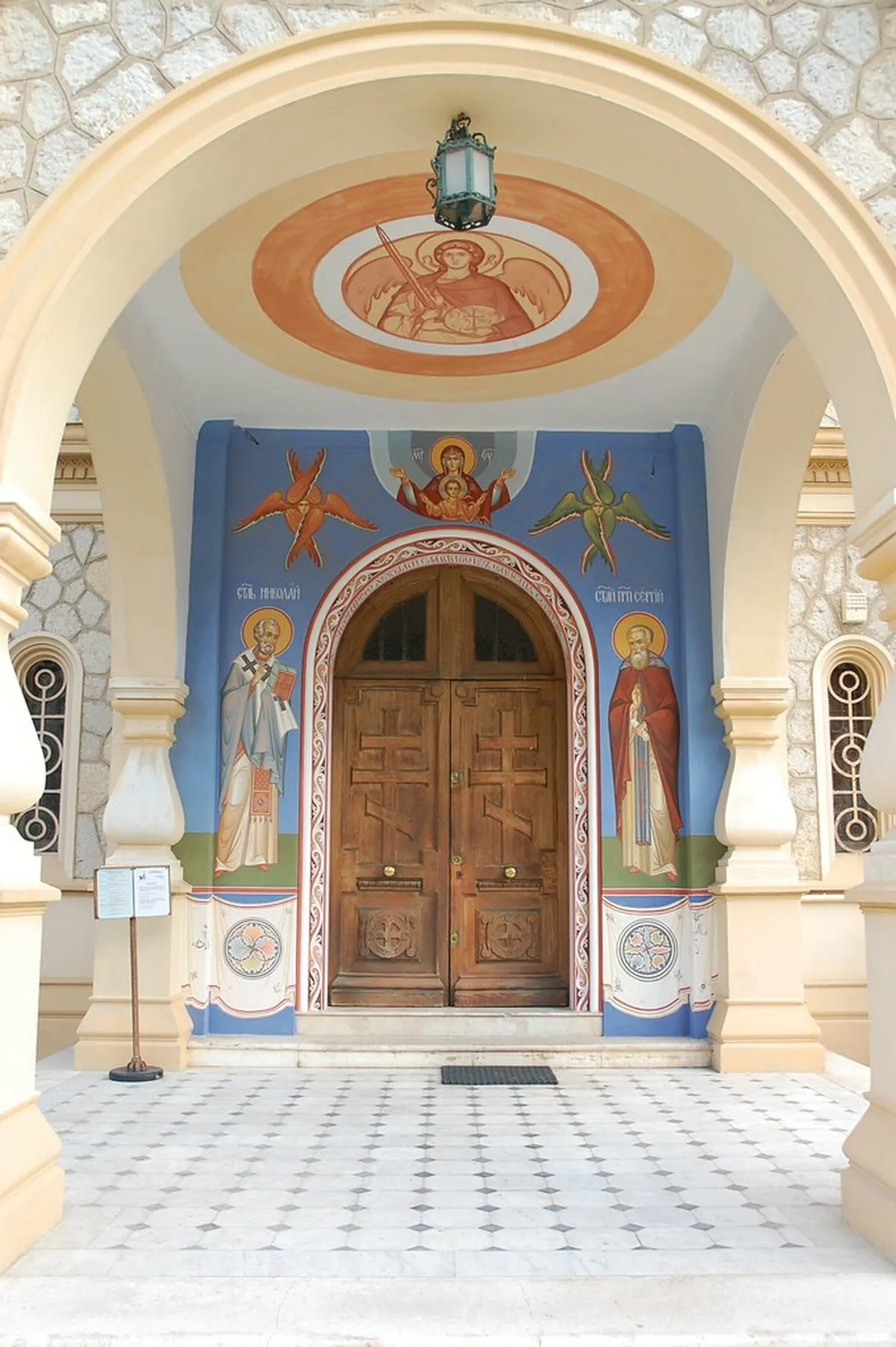
Visitors can still feel the weight of history as they walk through the heavy wooden doors. The walls seem to whisper stories of dukes, artists, and exiles who once sought refuge here. This historical depth adds a layer of mystery to the already impressive visual appeal of the site. It is truly a place where time seems to slow down for every respectful visitor.
Russian Orthodox Church Cannes Architecture Style
Architect Louis Nouveau drew inspiration from the seventeenth century Naryshkin Baroque style for the design. This specific style blends traditional Russian forms with more modern European architectural influences and details. The result is a structure that feels both ancient and perfectly suited for the Riviera. You will find many similar details if you study the St Michael the Archangel church facade closely.
The building features a classic Greek cross plan that defines its traditional structural layout. Every corner of the exterior displays careful attention to symmetry and religious symbolism throughout the work. Thick white walls provide a sturdy base for the more decorative elements located higher up. These materials were chosen to withstand the coastal weather while maintaining a bright and clean appearance.
Ornate brick patterns and ceramic decorations add texture to the otherwise smooth surfaces of the church. These details create a play of light and shadow that changes as the sun moves across. You can spend hours identifying the small motifs that represent different aspects of the Orthodox faith. Such intricate craftsmanship is rarely seen in modern religious buildings constructed in the region today.
The architectural harmony achieved by Louis Nouveau remains a subject of study for many local students. He successfully integrated a foreign style into the French landscape without it feeling out of place. This balance is what makes the structure a highlight of any architectural tour in Cannes. It represents a beautiful dialogue between two distinct cultures and their shared artistic values.
The Iconic Blue Domes and Gold Crosses
The iconic blue onion domes represent the most recognizable feature of the church's exterior design. These vibrant domes are topped with golden crosses that glisten under the bright French sun. You will notice the intricate brickwork and ornate moldings that decorate the white facade throughout. Each decorative element serves to enhance the spiritual atmosphere for visitors approaching the holy site.
The choice of blue for the domes carries deep symbolic meaning within the Orthodox tradition. This color often represents the sky and the heavenly realm that the church seeks to mirror. It creates a striking contrast against the deep green palm trees and the azure Mediterranean sky. This visual impact makes the church a favorite subject for photographers visiting the city of Cannes.
Golden stars frequently adorn the surface of these domes, adding another layer of celestial beauty. These stars catch the light at different angles, creating a shimmering effect during the late afternoon. The use of gold leaf reflects the prestige and wealth of the patrons who built it. It serves as a reminder of the royal connections that funded this magnificent architectural project.
Below the domes, the roofline features decorative gables and intricate cornices that guide the eye upward. These elements prevent the building from feeling heavy despite its solid stone and brick construction. The verticality of the design encourages a sense of wonder and spiritual elevation for all who look. It is a masterpiece of vertical composition and balanced proportions in the heart of Cannes.
Step Inside the Sacred Interior Space
Stepping inside the church reveals a world of rich colors and profound spiritual quietude for everyone. The interior is dominated by a grand iconostasis that separates the nave from the holy altar. This wooden screen is covered with icons painted by skilled artists using traditional Byzantine techniques. Each icon tells a story from the Bible or depicts the lives of significant holy saints.
The air often carries the faint scent of incense and beeswax from the many burning candles. Soft light filters through narrow windows, creating an atmosphere of deep contemplation and peaceful prayer. Intricate wood carvings decorate the pews and the various stands used during the religious services. These artisanal details demonstrate the high level of care given to every aspect of the church.
Rich tapestries and banners hang from the walls, adding warmth and color to the stone interior. Many of these items were donated by noble families who attended services here during the past century. They represent the living history of the community and their devotion to their religious heritage. Every object within the nave has a specific purpose and a long history behind it.
The acoustics of the interior are designed to carry the voices of the choir clearly. During services, the lack of musical instruments emphasizes the beauty of the human voice in prayer. This auditory experience is just as important as the visual beauty of the architecture itself. It creates a holistic sensory environment that leaves a lasting impression on every single visitor.
The Royal Crypt and Imperial History
Beneath the main floor lies a crypt that serves as the final resting place for royalty. Several members of the Russian imperial family are buried within these hallowed and quiet stone walls. This includes Grand Duke Peter Nicolaievich and his wife, the Grand Duchess Militsa of Montenegro. Their presence adds a significant layer of historical importance to the church's enduring legacy.
The crypt is a place of solemnity and respect that reflects the somber side of history. It serves as a physical link to the vanished world of the Russian Empire and its elite. Visiting the crypt allows one to appreciate the personal stories of those who built the church. These individuals sought a piece of their homeland while living in exile on the French coast.
Memorial plaques and simple stone tombs mark the locations of the various burials within the chamber. The architecture of the crypt is simpler than the main church but no less impressive. It relies on solid arches and clean lines to create a sense of permanence and peace. This subterranean space offers a quiet contrast to the vibrant and colorful decorations found upstairs.
Maintaining the crypt requires constant care to protect the historic tombs from the effects of humidity. The church community takes great pride in preserving this vital part of their shared cultural history. It remains a site of pilgrimage for those interested in the history of the Romanov family. Their legacy continues to draw visitors who want to pay their respects to the past.
Visiting Cannes Landmarks in 2025
When planning your visit in 2025, ensure you check the current opening hours before your arrival. The church is typically open to the public during the afternoon hours on most weekdays. Entry is often free, but donations for the maintenance of the historic building are greatly appreciated. It is a short walk from the more famous Le Suquet historic architecture district.
Visitors should remember to dress modestly when entering this active place of religious worship and prayer. This means covering your shoulders and knees out of respect for the local congregation and traditions. Photography is usually permitted outside, but you should ask for permission before taking photos inside. Respecting the silence of the space allows others to pray and meditate without any modern distractions.
The surrounding gardens offer a peaceful spot to sit and admire the exterior of the church. You can see how the building sits within the residential landscape of the Alexandre III neighborhood. It is easily accessible by local buses or a pleasant twenty-minute walk from the city center. Many visitors combine this trip with a walk along the famous Croisette waterfront nearby.
Checking the official website or local tourism office can provide updates on special services or events. The church remains a living center for the Orthodox community and hosts regular liturgical celebrations. Attending a service can provide a deeper understanding of the building's spiritual and cultural purpose. It is a highlight for anyone seeking the best architecture found in Cannes this year.
Frequently Asked Questions
What are the opening hours for the Russian church?
The church generally opens for visitors during the afternoon from Tuesday through Sunday each week. Most people find that visiting between two and four in the afternoon is the best time. Please check the local schedule as times can change during special religious holidays and local events.
Is there a cost to enter the Russian Orthodox Church?
Admission to the church is currently free for all visitors who wish to explore the interior. The parish does encourage small donations to help with the ongoing costs of building maintenance and repair. Every contribution helps preserve the intricate woodwork and the delicate icons found throughout the main nave.
What is the dress code for visiting the church?
You should wear modest clothing that covers both your shoulders and your knees during your visit. This respectful attire is required to enter any active place of worship within the Orthodox tradition. Avoid wearing hats inside the building as a sign of respect for the sacred nature of space.
Can I take photos inside the church in Cannes?
Photography is typically allowed on the exterior of the building and within the church gardens. However, you should always ask for permission from the staff before taking any photos inside the nave. Flash photography is generally prohibited to protect the delicate colors of the icons and historical artworks.
The Russian Orthodox Church remains a crown jewel of architectural diversity in the city of Cannes. Its unique design and royal history offer a captivating experience for every traveler visiting the French Riviera. Plan your visit today to see this masterpiece and explore more of the beautiful Riviera landmarks. You can find more details by visiting our guide on local historical sites and tours.
Key Takeaways
- Visit during afternoon hours to ensure the church is open for public tours.
- Follow the modest dress code by covering shoulders and knees before entering the nave.
- Look for the golden stars on the blue onion domes for great photography opportunities.
Related reads: architecturebycity.com, architecture in cannes, lerins abbey romanesque design.