
Lerins Abbey Romanesque Design: A Cannes Guide
Discover the stunning Lerins Abbey Romanesque design on Saint-Honorat. Learn about this iconic religious architecture in Cannes and plan your 2025 visit now.
On this page
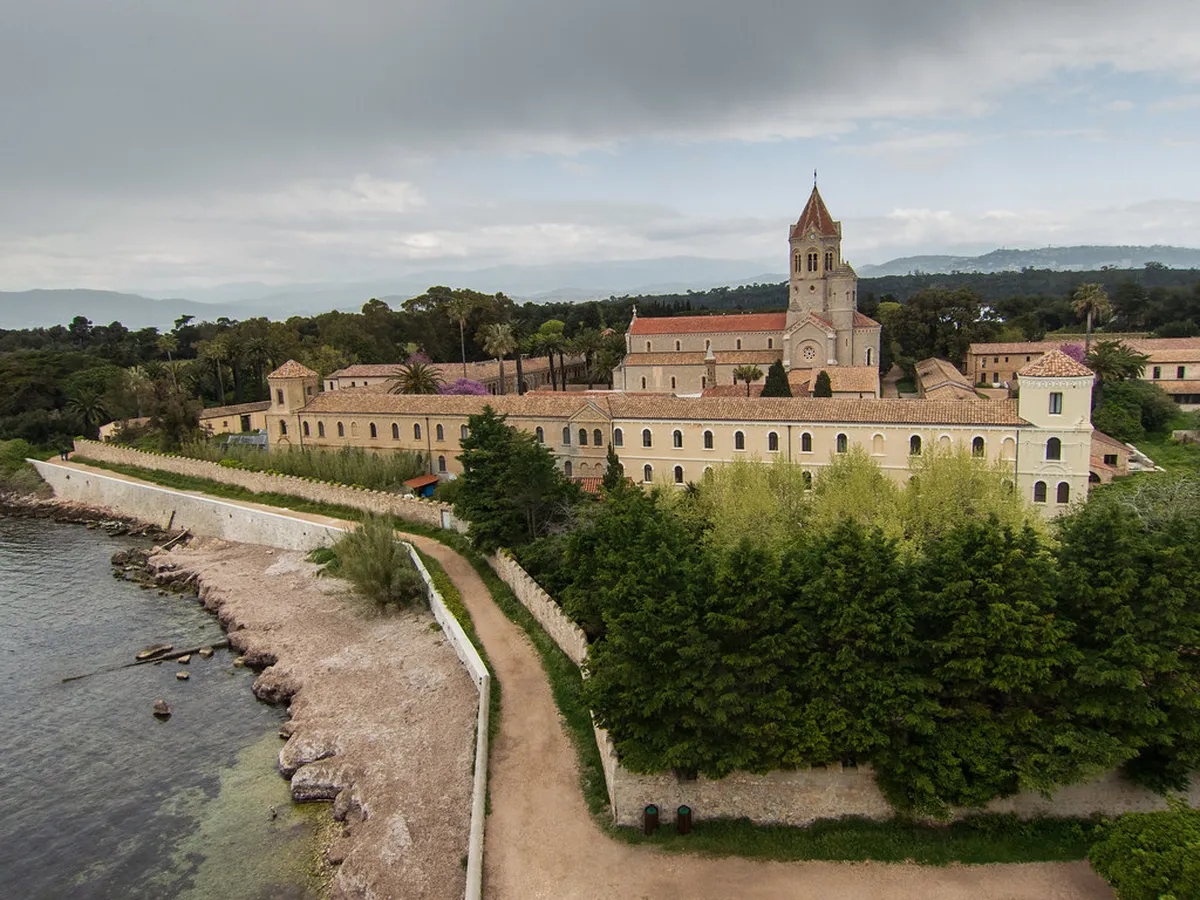
Lerins Abbey stands as a timeless treasure near the vibrant city of Cannes. This ancient site showcases the unique Lerins Abbey Romanesque design. It rests on the quiet shores of Saint-Honorat Island. Visitors find peace and history in this sacred space. This location represents the finest religious architecture in Cannes and its surroundings.
Saint Honoratus founded the monastery around the year 410. The current structures reflect centuries of dedicated monastic life. The Romanesque style defines the oldest parts of the building. You will see thick walls and elegant stone arches throughout the site. It is a must-see destination for any architecture lover visiting France in 2025.
Core Elements of Lerins Abbey Romanesque Design
The Lerins Abbey Romanesque design features heavy masonry and rounded arches. These elements provided both strength and a sense of permanence. Small windows pierce the thick stone walls to let in soft light. This creates a contemplative environment for the resident monks. The simplicity of the design reflects the humility of the Cistercian order.
The barrel vaults in the old chapel are particularly impressive. Builders used local limestone to create these sturdy overhead structures. This stone offers a warm color that glows in the Mediterranean sun. You can see the precision of the medieval stonemasons in every joint. These features define the early period of Christian building in the region.
The cloister serves as the heart of the Romanesque layout. It features a central courtyard surrounded by covered walkways. Simple columns with modest carvings support the roof. These walkways allowed monks to walk and pray in the shade. The architectural rhythm here creates a feeling of deep calm and order.
Many tourists admire the lack of excessive decoration. The beauty comes from the proportions and the natural materials used. Strong horizontal lines dominate the exterior of the older buildings. This grounded appearance connects the structure to the rocky island landscape. It remains a powerful example of early medieval engineering and artistry.
The Fortified Monastery as an Architectural Icon
The fortified monastery on the water's edge is truly iconic. It was built to protect the monks from sea-based invaders. This structure combines military defense with spiritual sanctuary. The tall towers look out over the turquoise Mediterranean waters. It is one of the most photographed sites near Cannes today.
The lower levels contain the original Romanesque vaulted rooms. These spaces served as storage and living quarters during ancient raids. You can explore the narrow corridors that lead to the upper floors. The construction uses massive blocks of stone to resist erosion and attack. It has stood against the salt air for nearly a thousand years.
The upper cloister within the tower is a rare architectural feature. Most cloisters are located on the ground level of a complex. Here, it sits high above the waves for maximum security. This design allowed the monks to continue their rituals during a siege. The pointed arches show a shift toward later architectural styles.
Visiting the tower costs approximately seven euros in 2025. It offers the best views of the Lerins Islands and the mainland. You can see the contrast between the old stones and modern Cannes. It is a highlight of any architecture tours in Cannes. Ensure you wear comfortable shoes for the steep stone stairs.
Interior Details and Sacred Spaces
The interior of the main church is surprisingly spacious. It retains a solemn atmosphere that commands respect from all visitors. High ceilings draw the eye upward toward the simple stone vaults. There are very few paintings or gold ornaments on the walls. This helps focus the mind on the architecture and prayer.
The choir area is where the monks gather seven times daily. You can hear their Gregorian chants echoing through the stone halls. The acoustics are a direct result of the Romanesque design choices. Hard surfaces reflect the sound to create a rich, ethereal tone. It is a powerful experience for any visitor to witness.
Side chapels offer smaller spaces for private reflection and meditation. Each chapel features unique masonry details and small altar stones. The floors are made of worn stone slabs smoothed by centuries of feet. You can feel the history of the abbey beneath your every step. These details make the abbey feel alive and relevant today.
Natural light plays a vital role in the interior experience. The sun moves across the stone walls throughout the day. This creates changing patterns of light and shadow in the nave. It highlights the texture of the hand-carved limestone blocks. This careful use of light is a hallmark of Romanesque spiritual design.
Comparing Lerins with Local Historic Sites
Lerins Abbey differs significantly from the architecture found in the city center. Most of Cannes features modern or Belle Epoque styles. The abbey offers a rare look at the early medieval period. It is much older than the famous hotels on the Croisette. This historical depth attracts scholars and travelers alike.
The abbey shares some similarities with Le Suquet historic architecture in the old town. Both sites use local stone and defensive walls. However, the abbey focuses more on monastic requirements than urban living. The Romanesque arches on the island are much simpler and purer. They represent a different functional purpose for the community.
The monks continue to maintain the buildings with great care. They produce wine and honey to fund the ongoing restoration works. This creates a living connection between the past and the present. You are not just visiting a museum when you go there. You are entering a working community that respects its architectural heritage.
The surrounding gardens enhance the beauty of the stone buildings. Lavender and olive trees grow right up to the abbey walls. The scent of the plants mixes with the salty sea breeze. This natural setting was carefully chosen by the founding monks. It remains one of the most beautiful spots in all of France.
Planning Your Architecture Visit in 2025
Reaching the island requires a short ferry ride from Cannes harbor. Boats leave every hour during the peak summer season. The journey takes about twenty minutes across the calm bay. You should buy your tickets online to avoid long lines. Round-trip ferry prices are usually around twenty euros per person.
The island is a car-free zone to preserve its peaceful nature. You will need to walk from the pier to the abbey. The path is flat and offers beautiful views of the coast. Expect to spend at least three hours exploring the entire site. There is a small restaurant and a gift shop on-site.
Visitors must dress modestly when entering the sacred abbey grounds. This means covering shoulders and knees out of respect for the monks. Silence is requested in the church and the cloister areas. Photography is allowed but should be done quietly and without flash. Respecting these rules ensures a pleasant visit for everyone.
Check the official abbey website for the current 2025 opening hours. Some areas may be closed during specific religious services or events. The monks also offer retreats for those seeking a deeper experience. This allows you to live within the historic walls for several days. It is a unique way to appreciate the Romanesque design.
Frequently Asked Questions
What is the best time to see the Lerins Abbey Romanesque design?
Morning light is best for viewing the exterior stone details. Spring and autumn offer the most comfortable temperatures for walking. Avoid the midday heat of July and August if possible. The island is less crowded during the weekdays in May.
How old is the oldest part of the abbey?
The fortified tower dates back to the 11th and 14th centuries. Some foundations of the original monastery are even older than that. Most Romanesque features you see today were built during the medieval period. It has survived numerous wars and pirate attacks over the years.
Can I take an architecture tour of Lerins Abbey?
Guided tours are often available during the busy tourist season. You can also use a self-guided map to explore the site. Look for information plaques that explain the different construction phases. The monks sometimes provide historical insights during special open house events.
Lerins Abbey is a remarkable example of early medieval craftsmanship and spirit. The Lerins Abbey Romanesque design offers a peaceful contrast to modern Cannes. It stands as a testament to the enduring power of stone and faith. Make sure to visit this historic gem during your 2025 trip to the French Riviera. You will leave with a deeper appreciation for the architectural history of the region.
Key Takeaways
- Lerins Abbey features classic Romanesque elements like rounded arches and thick walls.
- The fortified monastery tower offers incredible views and unique architectural defensive features.
- Visitors should dress modestly and respect the silence of the monastic community.
- Saint-Honorat Island is a short and scenic ferry ride from the Cannes harbor.
Related reads: architecturebycity.com, architecture in cannes.