
Best Architecture in Orléans: A 2025 Travel Guide
Explore stunning architecture in Orléans. See Gothic cathedrals and modern bridges in 2025. Plan your architectural tour of France today!
On this page
Orléans sits gracefully along the Loire River in central France. Visitors discover beautiful architecture in Orléans spanning many centuries. This historic city offers a rich blend of styles for travelers. It remains an essential stop for any French design lover.
The city showcases everything from medieval timber to modern steel. You will see how different eras shaped the local landscape. Walking through the streets feels like a journey through time. The local heritage is preserved with great care and pride.
Exploring these sites provides a deep look into French history. Each building tells a unique story about the local people. You can find grand monuments and quiet hidden gems alike. Prepare for a memorable trip through this scenic urban center.
The Grandeur of Sainte-Croix Cathedral
The Sainte-Croix Cathedral is the most famous landmark in the city. This massive structure displays a unique neo-Gothic style that impresses everyone. Construction lasted for several centuries and faced many historical challenges. It stands as a symbol of local resilience and faith.
The façade features two massive towers that dominate the local skyline. Intricate stone carvings decorate the exterior walls with great detail. You can learn more about the Sainte-Croix Cathedral architecture during your visit. The entrance fee is free for all visitors in 2025.
Inside, the high vaulted ceilings create a sense of immense space. Beautiful stained glass windows tell the story of Joan of Arc. The light filters through the glass in vibrant blue and red hues. It creates a peaceful atmosphere for quiet reflection or photography.
Architectural fans will notice the blend of different construction periods. The choir section shows earlier Gothic influences from the middle ages. Later additions reflect the tastes of the seventeenth and eighteenth centuries. This mix makes the cathedral a fascinating study for experts.
Visit the cathedral during the late afternoon for the best lighting. The sun hits the white stone and creates a golden glow. You can take amazing photos from the square in front. It is a perfect starting point for your city tour.
Medieval Half-Timbered Houses in the Old Town
The historic center of Orléans contains many charming half-timbered houses. These buildings date back to the fifteenth and sixteenth centuries. Their wooden frames create beautiful patterns against the plastered walls. They represent the classic medieval style of the Loire Valley.
Walking through the narrow streets reveals these ancient structures at every turn. Many of these half-timbered houses have been carefully restored recently. The vibrant colors of the wood make the streets very lively. You will feel like you stepped back into the past.
Rue de la Charpenterie is one of the best streets for viewing. The houses lean slightly over the cobblestone paths below. This design helped keep the lower floors dry during heavy rain. It also maximized living space in the crowded medieval city.
Look closely at the wooden beams for unique carvings. Some houses feature small statues or decorative floral patterns. These details show the wealth and status of the original owners. They provide a glimpse into the lives of medieval merchants.
Most of these buildings now house small shops and cozy cafes. You can stop for a coffee inside a historic monument. This blend of history and modern life is very special. It keeps the old town feeling energetic and welcoming.
Renaissance Elegance at Hôtel Groslot
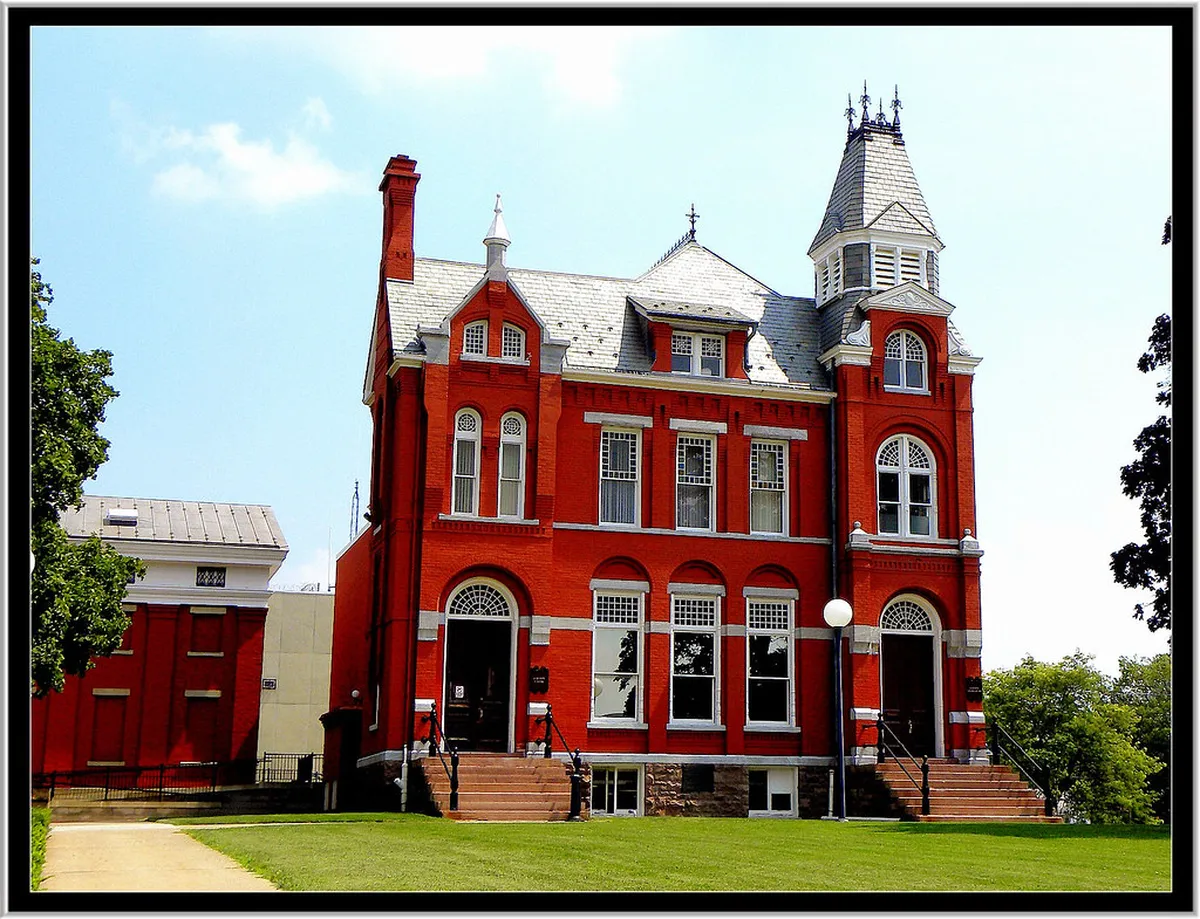
Hôtel Groslot is a masterpiece of Renaissance design in central Orléans. This former private mansion was built in the mid-sixteenth century. It features a striking red brick façade with white stone accents. The building currently serves as the local city hall.
The exterior reflects the luxury and power of the Renaissance era. You can admire the Hôtel Groslot architecture from the public gardens. The garden is open daily and offers great views. Admission to the interior rooms is usually free for tourists.
Inside, the rooms are decorated with ornate wood panels and tapestries. The Great Hall features a massive fireplace and historical paintings. You can see many symbols related to Joan of Arc here. The interior design is just as impressive as the exterior.
The building hosted many famous French kings throughout history. King Francis II even passed away within these historic walls. You can feel the weight of history in every room. It is a must-see for fans of royal French architecture.
The courtyard often hosts small cultural events and wedding photos. It is a very romantic spot in the heart of the city. Take a moment to enjoy the quiet beauty of the bricks. The craftsmanship is truly world-class and very well preserved.
Modern Landmarks and The Pont de l'Europe
Orléans also embraces bold modern design along the Loire River. The Pont de l'Europe is a stunning example of contemporary engineering. It was designed by the famous architect Santiago Calatrava. The bridge features a large white arch that spans the water.
This structure connects the city center to the southern suburbs efficiently. You should study the Pont de l'Europe design for its sleek lines. It looks especially beautiful when reflected in the river below. The bridge opened in 2000 and remains a modern icon.
Another modern highlight is the FRAC Centre-Val de Loire. This art center is known for its experimental architectural style. The building features a metallic structure called the Turbulences. It looks like a giant crystalline growth coming from the ground.
The FRAC Turbulences structure uses light to interact with the city. LED lights on the exterior change based on local weather data. This makes the building appear to be alive at night. It is a radical contrast to the medieval cathedrals.
Modern architecture in Orléans shows the city looks toward the future. These projects bring international talent to the Loire Valley. They prove that old cities can still innovate and grow. Be sure to include these sites in your itinerary.
Urban Planning and the Place du Martroi
The Place du Martroi is the central hub of Orléans. This large square underwent a major renovation a few years ago. It now offers a wide open space for pedestrians and events. The layout reflects classic French urban planning principles from the past.
The square features a large bronze statue of Joan of Arc. Grand buildings with white stone façades surround the entire area. You can learn about Place du Martroi planning to understand the city's growth. It is the heart of local social life.
Nearby, the Rue Royale displays impressive eighteenth-century symmetry. The shops on this street have identical façades and arched windows. This create a very orderly and elegant shopping experience. It shows the influence of royal architectural styles in Orléans.
The transition between these open squares and narrow streets is interesting. Urban planners worked hard to connect the different historical layers. You can walk from a medieval alley into a grand square easily. This makes the city very easy to explore on foot.
In 2025, the square remains a popular place for local festivals. You will often see markets or outdoor concerts happening here. The architecture provides a perfect backdrop for these community gatherings. It is a lively and beautiful urban space.
Tips for Photographing Orléans Architecture
Capturing the beauty of the city requires some basic planning. The best light usually occurs during the early morning hours. This time of day avoids the large midday crowds. You can find many architecture photography spots along the riverfront.
Use a wide-angle lens for the large cathedral and squares. This helps fit the entire massive structures into your frame. For the timber houses, try focusing on small decorative details. Close-up shots reveal the texture of the ancient wood beams.
Night photography is also very rewarding in Orléans in 2025. Many monuments are illuminated with soft, warm spotlights. The bridges look spectacular against the dark night sky. Bring a tripod for the best results in low light.
The reflections in the Loire River offer great creative opportunities. Walk along the southern bank for a view of the skyline. The cathedral towers look magnificent from across the water. It is a classic shot for any travel photographer.
Frequently Asked Questions
What is the most famous building in Orléans?
The Sainte-Croix Cathedral is the most famous building in the city. It is known for its neo-Gothic towers and Joan of Arc history. Most tourists visit this site first when they arrive.
Can I visit the interior of Hôtel Groslot?
Yes, the interior of Hôtel Groslot is open to the public. Admission is usually free during standard business hours. You can see beautiful Renaissance rooms and historical artwork inside.
Is the architecture in Orléans easy to see on foot?
The city center is very walkable and pedestrian-friendly. Most major architectural sites are located close to each other. You can see the best landmarks within a few hours of walking.
When was the Pont de l'Europe built?
The Pont de l'Europe was completed in the year 2000. It was designed by the famous Spanish architect Santiago Calatrava. It is a major symbol of modern design in the city.
Are there medieval buildings in Orléans?
Orléans has many medieval half-timbered houses in its old town district. Many of these buildings date back to the 1400s and 1500s. They are located near the river and the cathedral.
Orléans offers a diverse range of architectural styles for every traveler. From Gothic cathedrals to modern bridges, the city is a visual delight. You should plan your visit in 2025 to experience this history. Start exploring the streets today to find your favorite building. The beauty of this French city will surely inspire you.
Key Takeaways
- Visit the Sainte-Croix Cathedral for stunning neo-Gothic design.
- Explore the old town to see restored medieval half-timbered houses.
- Check out the modern Pont de l'Europe for unique bridge engineering.
- Tour the Hôtel Groslot to see elegant Renaissance interiors for free.