
Santiago Calatrava Pont de l'Europe Orléans Guide
Visit the Santiago Calatrava Pont de l'Europe Orléans in 2025. Discover structural engineering secrets and expert tips in this study. Learn more now!
On this page
The Santiago Calatrava Pont de l'Europe Orléans stands as a modern marvel. This bridge spans the Loire River in central France. It combines sleek design with advanced structural engineering. Visitors often admire the structure while exploring architecture in Orléans today.
This landmark serves as a vital link for the local community. It connects the northern and southern districts across the water. The design reflects the forward-thinking nature of the city. It remains a top attraction for engineers and tourists alike.
The Vision and Planning Phase
The city needed a fifth crossing over the Loire River. Traffic congestion had become a major issue for local residents. Planners wanted a landmark that would symbolize modern progress. They chose Santiago Calatrava for his world-renowned expertise.
The project began with a clear set of urban goals. Designers focused on improving connectivity between growing suburban areas. They also aimed to create a visually striking gateway to the city. The planning phase involved rigorous environmental impact studies.
Calatrava proposed an asymmetric design that felt light and airy. This approach minimized the visual impact on the river landscape. The city approved the design in the late 1990s. Construction finally commenced to bring this ambitious vision to life.
The bridge was inaugurated in 2000 to improve local traffic flow. It successfully redirected thousands of cars away from the city center. This shift allowed for better preservation of historic Orléans monuments. The project shows how modern infrastructure protects heritage sites.
Structural Design of Santiago Calatrava Pont de l'Europe Orléans
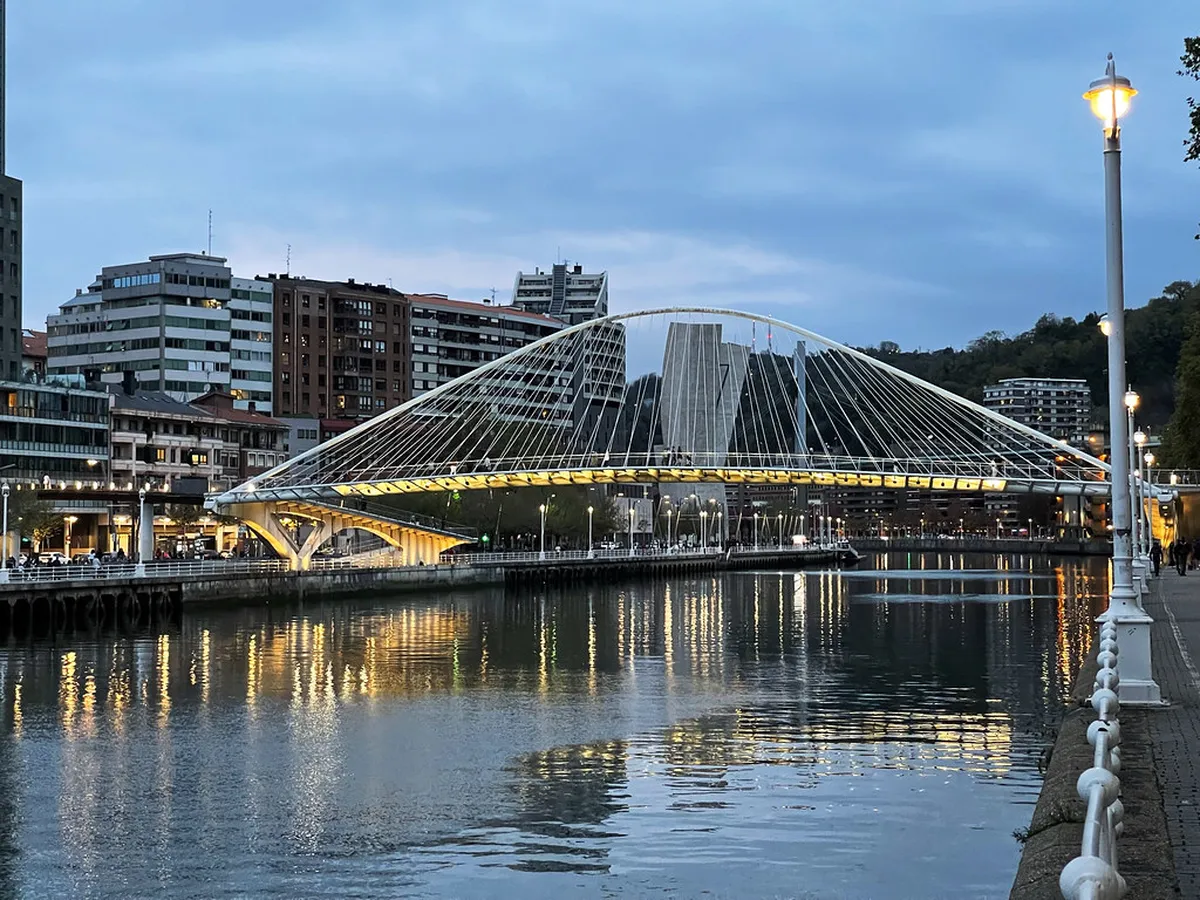
The Santiago Calatrava Pont de l'Europe Orléans features a unique inclined arch. This arch leans at 22 degrees toward the river. This design choice creates a dynamic and modern visual effect. You can read more structural engineering details to understand the physics.
Twenty-eight pairs of cables support the 120-meter main span. These cables distribute the load evenly across the entire structure. The use of tension and compression is balanced perfectly. This allows the deck to remain remarkably thin and elegant.
The structure uses a steel box girder for the main deck. This component provides excellent torsional rigidity for the bridge. It ensures stability during high winds and heavy traffic. Pedestrians enjoy a safe and smooth crossing every single day.
The total length of the bridge reaches 470 meters. It spans the wide riverbed without requiring many support pillars. This keeps the river flow natural and unobstructed. It is a masterpiece of modern civil engineering and design.
Material Selection and Construction Challenges
Engineers selected high-strength steel for the primary bridge structure. This material allows for the creation of slender architectural forms. It provides the necessary durability to withstand harsh weather conditions. The white finish enhances the modern aesthetic of the span.
Construction teams faced significant challenges with the riverbed soil. The foundations had to reach deep into the stable ground. Specialized drilling equipment was brought in for this difficult task. This ensures the bridge remains stable for many decades.
The assembly of the large arch required precise crane operations. Each section was welded together with extreme accuracy on site. Quality control checks were performed at every stage of work. This rigorous process guaranteed the safety of the final structure.
Calatrava often integrates modernist architecture principles into his work. This bridge is no exception to his signature style. It uses geometry to define the structural logic of the span. The result is a functional piece of art for the city.
Urban Impact on Orléans Social Fabric
The bridge has transformed the way people move through Orléans. It provides a faster route for commuters heading to work. This reduces travel times and improves the overall quality of life. Local businesses have seen increased foot traffic in nearby areas.
Pedestrians and cyclists have dedicated lanes on the bridge deck. This encourages sustainable transport options within the urban environment. The wide walkways offer spectacular views of the Loire River. It has become a popular spot for evening walks.
The structure acts as a social catalyst for the neighborhood. It hosts various community events and light shows throughout the year. You might find it on an Orléans architecture walking tour itinerary during your visit. It connects people from different parts of the city.
The bridge is now an iconic symbol of the local identity. Residents take great pride in this world-class piece of engineering. it appears on many local postcards and tourism brochures. It represents the successful modernization of a historic French city.
Photography and Visiting Tips for 2025
The best time to visit the bridge is at sunset. The low light emphasizes the white steel and elegant curves. Reflections on the water create a stunning mirror effect for photos. You should check the best time to photograph Orléans bridges for more tips.
Visitors can easily reach the site by public tram or car. There is ample parking available on the northern river bank. Walking across the bridge takes about ten to fifteen minutes. Wear comfortable shoes if you plan to explore the riverfront.
The bridge is fully illuminated after dark during the year 2025. The LED lighting highlights the intricate cable patterns and arch. It is a very safe area for a nighttime stroll. Bring a tripod if you want to capture sharp night photos.
The site is free to access and open all day. There are no tickets or reservations required for visitors. Nearby cafes offer a great place to rest after your walk. Enjoy the blend of modern engineering and natural river beauty.
Frequently Asked Questions
When was the Pont de l'Europe built?
Construction of the bridge began in the late 1990s. It was officially inaugurated in the year 2000. It has served the city of Orléans for over two decades.
Who designed the bridge in Orléans?
The bridge was designed by the famous architect Santiago Calatrava. He is known for his unique organic and futuristic styles. His work is found in many major cities worldwide.
How long is the Pont de l'Europe?
The total length of the structure is 470 meters. The main span over the river is 120 meters long. It is one of the largest bridges in the region.
Can pedestrians walk across the bridge?
Yes, the bridge features wide paths for pedestrians and cyclists. These lanes are separated from the main vehicle traffic for safety. It offers a great view of the Loire.
Is there a cost to visit the bridge?
Visiting the bridge is completely free for all members of the public. It is a public infrastructure project open 24 hours a day. It is a great budget-friendly activity.
The Santiago Calatrava Pont de l'Europe Orléans remains a stunning engineering feat. It perfectly blends artistic vision with practical urban transport needs. This bridge will continue to inspire visitors throughout 2025 and beyond. Plan your trip to see this iconic structure in person today.
Key Takeaways
- The bridge features a unique 22-degree inclined arch.
- It uses high-strength steel for a lightweight design.
- Pedestrian and cycle lanes offer great river views.