
Modernist Architecture in the Loire Valley Guide
Explore modernist architecture in the Loire Valley. See the iconic Santiago Calatrava Pont de l'Europe Orléans and more in 2025. Start your tour today!
On this page
Modernist architecture in the Loire Valley provides a striking contrast to the region's famous historic châteaux. Visitors can discover a rich variety of contemporary designs throughout the vibrant city of Orléans today. These structures represent the bold evolution of French urban planning during the late twentieth century. You will find innovative materials and daring geometric shapes integrated into the ancient river landscape.
Orléans serves as a primary hub for architectural enthusiasts seeking something beyond traditional medieval stone walls. The city has embraced modernity through ambitious infrastructure projects and experimental cultural centers since the late 1990s. Exploring these sites offers a unique perspective on the intersection of modern life and historical heritage. This guide highlights the most significant modernist landmarks you should visit in the coming year.
Santiago Calatrava Pont de l'Europe Orléans
The Santiago Calatrava Pont de l'Europe Orléans serves as a stunning and true local landmark for residents. This elegant structure features a tilted white arch that spans the wide Loire River quite beautifully. It was completed in 2000 to improve traffic flow between the north and south banks. The design reflects the graceful movements of traditional river boats found in the valley.
The bridge utilizes high-quality steel and concrete to create its unique and slender silhouette for all to see. Engineers carefully designed the arch to withstand strong winds and varied river currents throughout the year. It measures approximately 470 meters in length and serves vehicles, cyclists, and pedestrians with great efficiency. Local residents often admire how the white metal glows under the bright French sun during the day.
Visiting this bridge provides excellent opportunities for photography enthusiasts exploring the city of Orléans in 2025. You should arrive during the golden hour to capture the sun setting behind the steel cables. The reflection of the white arch in the water creates a stunning visual for your professional portfolio. Many travelers consider this spot one of the best locations for viewing the historic skyline.
The bridge also features sophisticated LED lighting that illuminates the entire structure during the quiet evening hours. This nightly display creates a glowing path across the water that is visible from several kilometers away. It has become a favorite spot for locals to take evening walks while enjoying the fresh river breeze. The combination of light and steel makes it a landmark of modern French lighting design.
The FRAC Centre-Val de Loire Turbulences
Another essential stop for fans of modern design is the FRAC Centre-Val de Loire Turbulences art museum. This building features a jagged glass and aluminum exterior that resembles a futuristic energy pulse in the city. Designers Jakob and MacFarlane created this extension to revitalize a former nineteenth-century military site for the public. It showcases how modern aesthetics can interact with the historical fabric of a classic French city.
The interior of the museum hosts a vast collection of experimental architectural models and artworks from famous creators. You can explore interactive exhibits that challenge your perception of space and urban living environments during your visit. The facility serves as a research hub for architects and students from across the entire world today. Entry fees are generally affordable, usually costing around four to eight Euros for adult visitors in 2025.
The Turbulences structure glows at night thanks to an integrated light installation on its complex outer shell. Electronic sensors adjust the colors and patterns based on the surrounding climate and ambient noise levels nearby. This dynamic facade makes the building a living part of the Orléans streetscape after the sun sets. It perfectly illustrates the intersection of digital technology and physical construction in the modern Loire Valley.
Visitors can participate in guided tours that explain the complex engineering behind the Turbulences glass and metal structure. These tours offer deep insights into how the architects managed the weight of the metal and glass. You will learn about the digital tools used to model the irregular shapes of the building facade. This educational experience is perfect for students or professionals interested in the latest modern construction techniques.
Brutalist Architecture in Orléans La Source
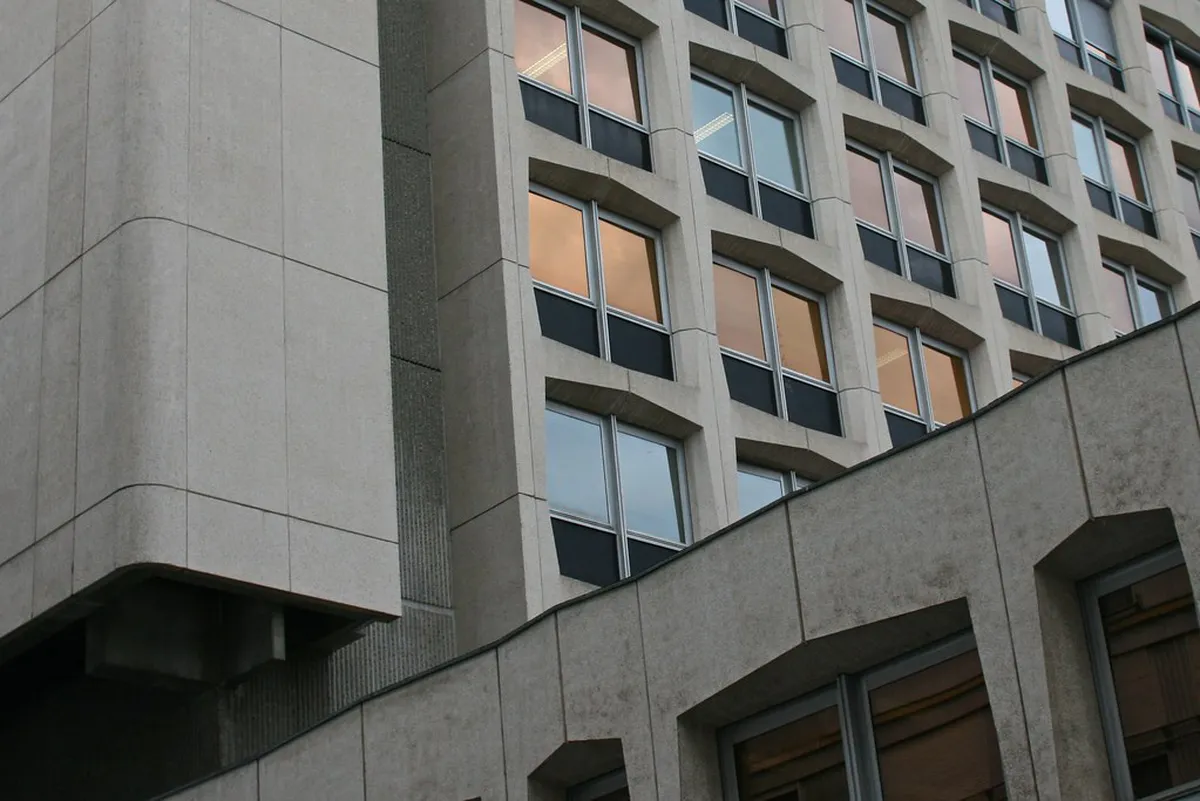
Travel south of the city center to discover brutalist architecture in Orléans La Source during your trip. This district was developed during the 1960s to accommodate a growing population and a new university campus. Architects utilized raw concrete and bold functionalist forms to create a modern city within a city. The campus buildings demonstrate the social ideals of French urban planning from that specific post-war era.
The University of Orléans campus features several notable examples of mid-century concrete design and large-scale construction. Large lecture halls and residential blocks prioritize light, air, and practical space for the active student community. You will notice the repetitive patterns and strong vertical lines typical of the international brutalist style today. Walking through these spaces offers a glimpse into the ambitious development projects of twentieth-century France.
Many of these concrete structures have recently undergone renovation to improve their energy efficiency and general interior comfort. Preservationists recognize the historical value of these buildings as symbols of modern educational progress in 2025. The district also includes green parks and lakes that provide a soft contrast to the heavy masonry. It remains a fascinating destination for anyone interested in the social history of modern French design.
The landscape surrounding the brutalist buildings in La Source was designed to be part of the architecture itself. Large open lawns and geometric paths connect the different blocks of the university and the residential areas. This integration of nature and concrete was a key principle of the modernist movement in post-war France. It provides a peaceful environment where residents can enjoy both functional design and natural beauty.
Modern Urban Planning at Place du Martroi
The central square of Orléans underwent a significant transformation to modernize its large and open pedestrian areas. Place du Martroi combines historical monuments with sleek modern pavement and contemporary water fountain features for everyone. Designers focused on creating a seamless flow for pedestrians while highlighting the iconic statue of Joan of Arc. This project demonstrates how modern urban planning can respect the past while serving current practical needs.
New lighting systems and minimalist benches were installed to enhance the comfort of visitors and local residents. The underground parking facilities were updated to reduce surface traffic and improve air quality in the center. Modern materials like granite and limestone were chosen for their durability and elegant appearance over several years. This renovation has turned the square into a bustling hub for shopping, dining, and public events.
During the summer months, children enjoy playing in the interactive water jets located near the central square. The flat surface design makes the entire area accessible for people with limited mobility or baby strollers. You can sit at a modern cafe terrace and enjoy the view of historic facades nearby. This balance of old and new makes the square a perfect example of modern French living.
Surrounding the Place du Martroi are several commercial buildings that feature subtle modernist touches on their upper floors. These structures often use large glass panes to reflect the historic buildings across the wide open square. This architectural dialogue creates a vibrant atmosphere that feels both historic and contemporary at the same time. The square serves as the perfect starting point for any modern architecture tour in the city.
Futuristic Transportation and Infrastructure
The introduction of the modern tramway system significantly changed the architectural landscape of the city of Orléans. Sleek tram stations featuring glass and steel canopies were built along the main transit corridors for commuters. These functional structures provide a modern contrast to the stone buildings lining the historic streets and boulevards. The tram system represents a commitment to sustainable urban mobility and high-quality contemporary public design projects.
Even the maintenance facilities for the tram network showcase impressive modern industrial architecture and functional design concepts. Architects used metal cladding and large windows to create bright and efficient workspaces for the transit staff. These buildings are often located in developing neighborhoods that are seeing new residential and commercial growth today. They serve as anchors for modern development projects that extend far beyond the traditional city center.
Modernist architecture also extends to the newer residential complexes found in the northern outskirts of the city. These apartments feature balconies with clean lines and large windows to maximize natural light for the residents. Sustainable building practices like solar panels and green roofs are becoming common in these new developments lately. Orléans continues to grow by embracing modern design principles that prioritize the well-being of its citizens.
New office buildings near the train station also demonstrate the latest trends in sustainable and modern architecture. These structures prioritize flexible workspaces and high levels of natural light for the employees working inside. They often feature facade materials that change color depending on the angle of the sun during the day. This area is rapidly becoming the new business heart of the city of Orléans for 2025.
Frequently Asked Questions
What is the most famous modern bridge in Orléans?
The Santiago Calatrava Pont de l'Europe is the most famous modern bridge in the city today. It features a unique tilted arch made of white steel that spans the wide Loire River. This engineering marvel was built to celebrate the millennium and improve transit across the water.
Where can I see experimental architecture in the Loire Valley?
You should visit the FRAC Centre-Val de Loire to see experimental architecture and contemporary art models. The Turbulences building itself is a masterpiece of modern design and innovative glass construction. It is located in the heart of Orléans and is easily accessible by public tram.
Is Orléans a good city for fans of brutalist design?
Yes, the La Source district offers many interesting examples of brutalist architecture from the late twentieth century. You can explore the university campus to see functional concrete buildings and large-scale urban planning projects. These sites provide a fascinating contrast to the medieval and Renaissance styles found elsewhere.
When was the Pont de l'Europe bridge in Orléans built?
This iconic white bridge was completed in 2000 to celebrate the start of the new millennium. It remains a symbol of modern progress and engineering excellence within the scenic Loire Valley region. The structure was designed by the world-famous architect Santiago Calatrava.
Exploring modernist architecture in the Loire Valley reveals a side of France that many tourists often miss. Orléans serves as a perfect hub for discovering how contemporary design integrates with centuries of deep history. From the Santiago Calatrava bridge to the FRAC museum, the city offers endless visual inspiration for 2025. Plan your visit today to experience the bold future of this classic French riverside destination.
Key Takeaways
- Visit the Pont de l'Europe for stunning modern engineering and golden hour photography.
- Explore the FRAC Centre for cutting-edge experimental architectural designs and digital art.
- Walk through Orléans La Source to see impressive French brutalist concrete structures and campus planning.
Related reads: architecturebycity.com, architecture in orleans, best time to photograph orleans bridges.