
Brutalist Architecture in Orléans La Source: 2025 Guide
Explore the bold Brutalist architecture in Orléans La Source. Discover the 2025 guide to this concrete scientific city and its unique modernist design legacy.
On this page
Orléans La Source is a unique district located south of the main city center in France. This area represents a bold experiment in mid-century urban planning and design. Architects designed this scientific city to blend raw concrete with lush green spaces. Today it stands as a prime example of Brutalist architecture in Orléans La Source. Visitors in 2025 can still see the original vision of a functionalist utopia.
The district was built during the 1960s to host a growing population of students and researchers. It covers nearly 700 hectares of land formerly used for hunting and forestry. You can see how the designers prioritized light and nature in every building block. This guide provides a detailed look at the architecture in Orléans within this specific modernist neighborhood. Understanding this style requires looking closely at the materials and geometric patterns used.
The Origins of the Scientific City Vision
Orléans La Source began as a grand vision for modern French living in the early 1960s. The state wanted to create a secondary hub far away from the crowded city center. They chose a large forested area south of the Loire River for this project. This massive site would eventually house thousands of residents and research facilities. The planners aimed to create a balance between human life and the natural world.
Leading the design efforts was the Candilis-Josic-Woods architectural legacy which shaped the entire district. These architects were known for their innovative approach to urban grids and modular housing. They rejected the traditional street models used in old European cities. Instead, they focused on separating pedestrian paths from vehicle traffic for safety and peace. This layout remains a core part of the neighborhood identity today.
Construction started in earnest during the mid-1960s to meet growing housing demands. The French government wanted to decentralize research and education away from Paris. La Source became the home for the new university and several national scientific bureaus. Each building was designed to be functional yet expressive of its modern purpose. The use of exposed concrete became the primary aesthetic choice for the era.
The project was often called the "City in the Woods" due to its natural setting. Designers carefully preserved many existing trees to create a park-like atmosphere between the buildings. This contrast between grey concrete and green foliage defines the visual experience of the area. It serves as a reminder of the post-war optimism regarding technology and nature. Many original structures are now protected as historical examples of this specific period.
University of Orléans Campus Design
The University of Orléans campus is the heart of the Brutalist movement in the district. Founded in 1966, the university features several large-scale concrete structures with bold shapes. The buildings often display the "béton brut" style which means raw or unfinished concrete. This material allowed architects to create massive forms without needing expensive decorative facades. It highlights the strength and honesty of the structural components.
One of the most striking buildings on campus is the central library. It features large vertical windows and a heavy overhanging roof that creates deep shadows. These shadows change throughout the day, giving the building a dynamic and moving appearance. The interior spaces are designed to be open and filled with natural light. Students have used these spaces for learning and collaboration for nearly sixty years.
Modular design is another key feature you will notice while walking through the campus grounds. Many of the faculty buildings use repetitive concrete frames to create a sense of rhythm. This approach allowed for faster construction and easier expansion as the student population grew. You can see how the modules connect to form larger complexes for different academic departments. It reflects the industrial spirit of the mid-20th century academic world.
The university also integrates large public plazas where people can gather between classes. These concrete squares were meant to be the social centers of the new scientific city. They are often surrounded by covered walkways to protect pedestrians from the rain and wind. This thoughtful planning shows how the architects considered the daily needs of the residents. Walking here feels like stepping into a time capsule of 1960s modernism.
Defining Features of Local Brutalism
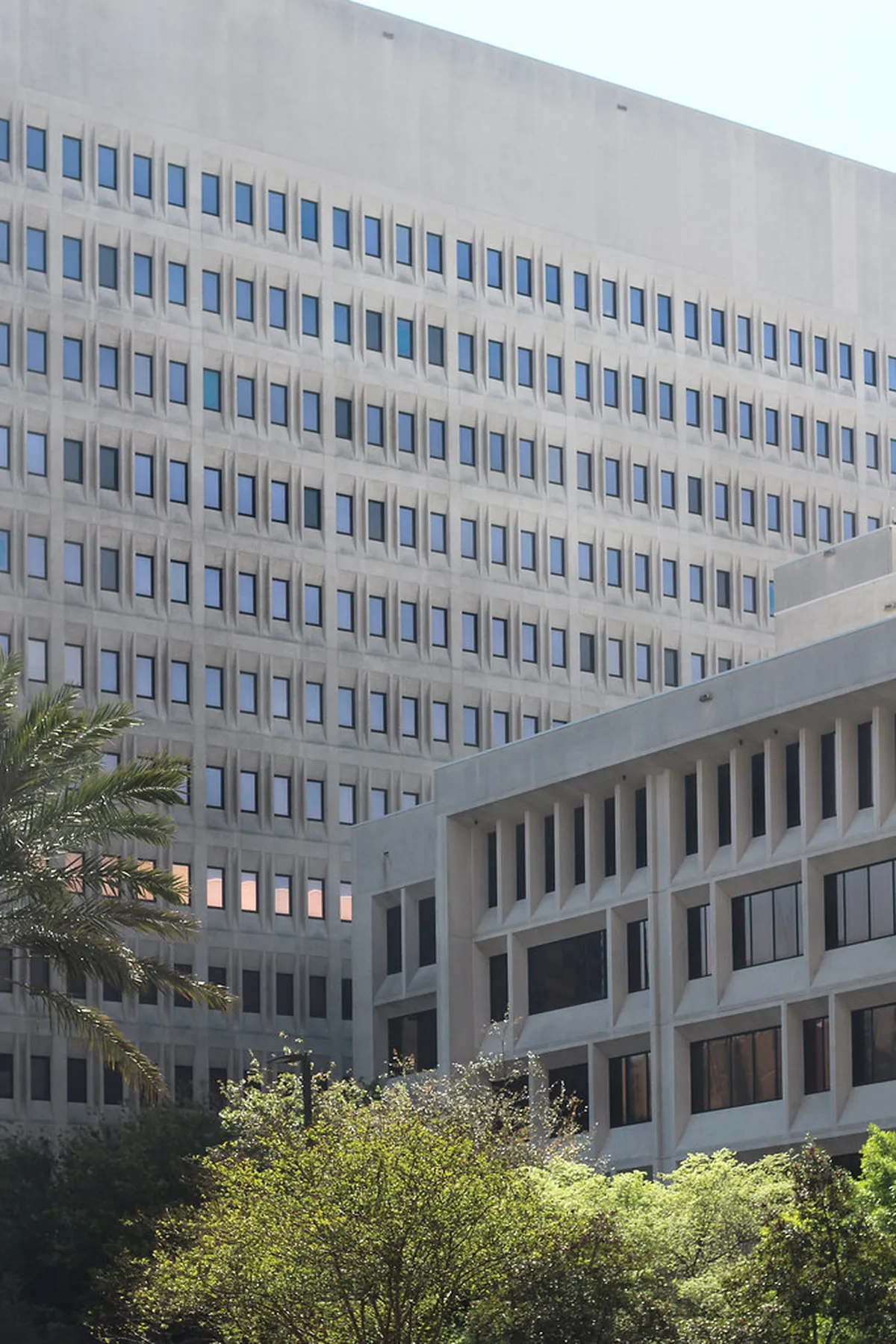
Brutalist architecture in Orléans La Source is characterized by its heavy use of geometric patterns. You will see many buildings with square or rectangular forms stacked in interesting ways. These shapes create a sense of stability and permanence within the landscape. The architects avoided the soft curves and ornate details found in older French styles. Instead, they celebrated the beauty of straight lines and sharp angles.
Texture plays a vital role in the appeal of 1960s concrete architecture found throughout this district. Some surfaces are smooth, while others show the rough imprint of the wooden formwork used. This tactile quality invites you to touch the buildings and appreciate the construction process. Over time, the concrete has weathered to show different shades of grey and beige. This aging process adds character to the structures that newer materials often lack.
Large windows are another essential element found in these modernist residential and office blocks. The designers wanted to ensure that residents could always see the trees and parks outside. This connection to nature helps soften the impact of the massive concrete walls. Some buildings even feature recessed balconies that provide private outdoor space for the inhabitants. These features were revolutionary for social housing projects during that specific time period.
The scale of the buildings is often quite impressive when viewed from the ground. Many structures rise several stories high with wide footprints that cover large areas of land. However, the planners included many paths and stairs to keep the area walkable. This human-scale navigation is a surprising contrast to the giant proportions of the facades. It proves that Brutalism can be both monumental and accessible at the same time.
Residential Life in a Concrete Utopia
Living in Orléans La Source offers a different experience compared to the historical city center. The residential blocks were designed to provide high-quality housing for workers and their families. Each apartment was built to be spacious with plenty of light and modern amenities. The planners included schools, shops, and community centers within walking distance of the homes. This self-contained model was meant to reduce the need for long commutes.
The exterior of the apartment buildings often features a mix of concrete and colored panels. Some architects used these colors to give each block a distinct and recognizable identity. You can find sections where bright oranges or blues contrast sharply with the grey cement. This use of color helps humanize the large structures and creates a friendlier atmosphere. It was a common technique used by modernist planners to improve urban living conditions.
Public art is also integrated into the residential landscape of the La Source neighborhood. You can find concrete sculptures and decorative walls placed near the main pedestrian walkways. These pieces were commissioned to bring a sense of culture to the newly built district. They often share the same geometric language as the surrounding buildings and university halls. These details show the commitment to creating a complete and balanced urban environment.
Today, many of these homes are still occupied by a diverse group of residents. The district has evolved but retains much of its original social and architectural character. Maintenance of these large concrete structures is a priority for the local housing authorities. They work to preserve the unique aesthetic while updating the interiors for modern living standards. This ongoing care ensures that the legacy of La Source continues for future generations.
Visiting Tips and Photography Advice
The best way to reach this area is by taking the tram Line A from central Orléans. The journey takes about twenty minutes and offers views of the changing urban landscape. You should get off at the "Université" or "L'Indien" stops to start your walk. These locations are perfectly situated to explore the most iconic Brutalist buildings and parks. Wear comfortable shoes as you will be doing a lot of walking on concrete.
If you are looking for architecture photography spots, arrive during the early morning or late afternoon. The low sun creates long shadows that highlight the textures of the raw concrete walls. The contrast between the grey structures and the green trees looks best in soft light. You can capture wide angles of the university buildings or close-up shots of geometric details. Every corner offers a new perspective on the functionalist design.
A visit to the nearby Parc Floral de la Source is also highly recommended. This beautiful park is located right next to the residential and university zones. It offers a peaceful place to rest after your architecture tour of the concrete buildings. The park features a diverse range of plants and a stunning butterfly house. It provides a perfect example of the nature that the original architects wanted to preserve.
You can find several small cafes and student dining halls located on the university campus. These are great spots to grab a quick lunch while observing the local life. The prices are usually very affordable since they primarily serve the student population. Visiting during the academic year allows you to see the district at its most vibrant. The energy of the students brings the concrete plazas to life in a special way.
Frequently Asked Questions
What is the best way to see Brutalist architecture in Orléans La Source?
The best way to see the architecture is by walking through the University of Orléans campus. You can take tram Line A directly from the city center to the university stops. This allows you to explore the buildings and public squares at your own pace. Most of the iconic concrete structures are within walking distance of each other.
Who were the main architects of the La Source district?
The primary planners were the firm of Candilis-Josic-Woods, who were famous for their modernist urban designs. Other architects like Louis Arretche also contributed significantly to the university and public buildings. They all shared a vision of using raw concrete and modular grids for the project. Their work created the unified look that the district is known for today.
Is Orléans La Source safe for tourists to visit in 2025?
Yes, Orléans La Source is generally safe for visitors interested in architecture and local history. The area is a busy hub for students, researchers, and families living in the district. You should follow standard travel safety tips and stay in well-lit public areas. Visiting during daylight hours is the best way to appreciate the architectural details safely.
Are there guided tours for the Brutalist buildings in Orléans?
Occasional guided tours are offered by local cultural organizations or during the European Heritage Days. You can check with the Orléans Tourism Office for current schedules and special events. Many visitors choose to do a self-guided tour using maps of the university campus. This allows for more time to photograph the specific details of the concrete facades.
Orléans La Source remains a fascinating destination for anyone interested in 20th-century design and urban planning. Its bold use of concrete and integration with nature makes it a standout example of French Brutalism. Whether you are a photographer or a history buff, this district offers many unique sights to explore. Plan your trip in 2025 to experience this scientific city for yourself. You will gain a deep appreciation for the vision that shaped this modern concrete landscape.
Key Takeaways
- Take tram Line A for easy access from the Orléans city center.
- Focus your tour on the University of Orléans campus for the best examples.
- Visit during the golden hour to capture the best architectural photographs.
- Combine your visit with a trip to the nearby Parc Floral de la Source.
- Look for the modular patterns and raw concrete textures unique to this style.
Related reads: architecturebycity.com, sainte croix cathedral orleans architecture.