
Sainte-Croix Cathedral Orléans Architecture Guide
Explore the Sainte-Croix Cathedral Orléans architecture in 2025. Learn about the Gothic design, history, and towers in this expert guide for travelers.
On this page
The Sainte-Croix Cathedral Orléans architecture stands as a symbol of French resilience and faith. This stunning monument dominates the skyline of Orléans in 2025. It remains one of the most significant landmarks in the Loire Valley. Its design reflects centuries of artistic evolution and royal history.
Visitors often marvel at the cathedral's massive scale and intricate details. The structure honors Saint Cross and shares a deep link with Joan of Arc. You will find a blend of classic and modern architectural techniques here. It is a central part of any professional Orléans architecture tour today.
The Long History of Construction
Construction of the cathedral began in the 13th century. Wars and religious conflicts delayed the work for several hundred years. The Huguenots destroyed much of the original building in 1568. Kings of France later insisted on its complete reconstruction.
King Henry IV laid the first stone of the new structure in 1601. Successive monarchs continued to fund the massive building project. This slow progress allowed for a unique mix of artistic styles. The project finally reached completion in the 19th century.
Architects faced many challenges during these centuries of work. They had to balance old foundations with new structural requirements. Every stone tells a story of survival and rebirth. This history makes the cathedral a focal point for modern heritage studies.
Today, the building stands as a testament to French national identity. It survived the bombings of World War II with minimal damage. Local experts continue to preserve the stone and glass for future generations. It remains an active place of worship and a public museum.
A Unique Blend of Gothic Styles
The cathedral is famous for its hybrid aesthetic qualities. It combines traditional Gothic forms with later decorative movements. Many scholars study the Gothic vs Neo-Gothic elements found within its walls. This mix creates a visual experience unlike any other church.
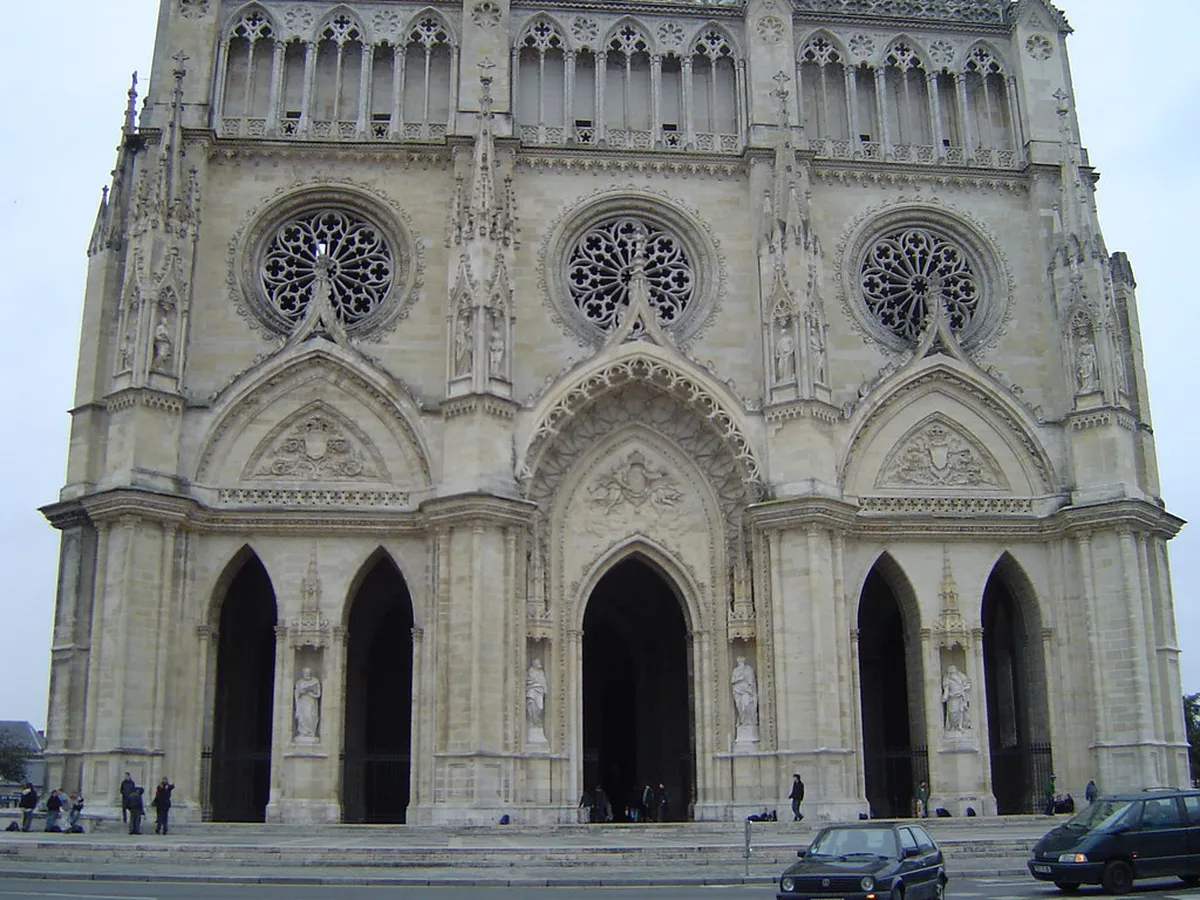
The facade features massive towers that define the city's silhouette. These towers reach a height of nearly 80 meters. They showcase the ornate detailing typical of the 18th-century Gothic revival. The symmetry of the front is both powerful and elegant.
Flying buttresses support the high walls of the central nave. These architectural features allow for large windows and abundant light. The pointed arches create a sense of verticality and spiritual reaching. Strong stone pillars hold the weight of the vaulted ceilings.
Inside, the space feels open and incredibly vast for visitors. The design directs your eyes upward toward the heavens. Every arch and column serves a specific structural purpose. This balance of beauty and engineering is a hallmark of French design.
The Iconic Stained Glass Windows
Light plays a vital role in the interior experience of the cathedral. The stained glass windows are masterpieces of color and storytelling. Most of these windows date back to the 19th century. They replace older glass that was lost during various conflicts.
One famous series of windows depicts the life of Joan of Arc. These panels show her journey from a peasant girl to a national hero. The colors are vibrant even on cloudy days in Orléans. You can explore the stained glass history during a guided walk.
The rose windows on the transepts are particularly impressive. They feature geometric patterns that filter the sun into soft hues. Red and blue tones dominate the glass art throughout the building. Each window requires careful cleaning and restoration every few decades.
Modern glass panels have also been added in recent years. These additions respect the historical context while adding fresh artistic perspectives. The windows provide a quiet space for reflection and meditation. They are essential for understanding the building's religious and cultural impact.
Climbing the Towers and Exterior Views
The exterior of the cathedral is just as impressive as the interior. You can see the intricate stone carvings on the central portals. These sculptures depict biblical scenes and historical figures from France. The detail remains sharp despite the age of the stone.
For many, the highlight is climbing the towers for a panoramic view. This activity offers a bird's-eye perspective of the city and the river. You must climb several hundred narrow steps to reach the top. The effort is rewarded with a stunning 360-degree vista.
The roof features complex lead work and decorative gargoyles. These statues serve as water spouts to protect the stone walls. They also add a sense of drama to the upper reaches. You can see the blend of different construction phases from this height.
Looking down, you will see the grand boulevards of Orléans. The cathedral sits at the center of a historic urban plan. Its placement was designed to show the power of the church. Today, it serves as a welcoming beacon for all travelers.
Planning Your Visit in 2025
Visiting the Sainte-Croix Cathedral is easy for most travelers today. The building is open daily from 9:00 AM until 6:00 PM. Entry to the main nave is free for the public. However, some special areas may require a small fee.
Guided tours are highly recommended for those interested in specific details. These tours often cost around 10 Euros for adults. They provide access to the crypt and the upper galleries. Check the local tourism office for the current 2025 schedule.
- Wear comfortable walking shoes for the uneven stone floors.
- Dress respectfully as this is a functioning religious site.
- Arrive early to avoid the largest tour groups and crowds.
- Bring a camera for the stunning light effects in the afternoon.
The cathedral is located in the heart of the city center. It is within walking distance of the main train station. Many local cafes offer views of the facade for a relaxing break. Plan to spend at least two hours exploring every corner.
Frequently Asked Questions
Is the Sainte-Croix Cathedral Orléans architecture Gothic or Neo-Gothic?
The cathedral is a unique blend of both architectural styles. It follows a Gothic floor plan from the Middle Ages. However, much of its decoration and towers are Neo-Gothic. This is because reconstruction happened during the 17th and 18th centuries.
How much does it cost to visit the Orléans Cathedral?
Entrance to the main cathedral is completely free for all visitors. There is a small charge for guided tours of the towers. These tours usually cost about 10 Euros per person. Always check for current 2025 prices at the entrance gate.
When is the best time of day to see the stained glass?
The best time is during a sunny afternoon when light hits the facade. The western sun illuminates the windows with incredible intensity and color. Morning visits are also peaceful and offer softer lighting for photography. Avoid visiting during mass to respect the worshippers.
Can you climb to the top of the cathedral towers?
Yes, you can climb the towers via a guided tour service. The climb involves narrow stairs and requires a moderate level of fitness. From the top, you can see the entire Loire Valley. Reservations are often necessary during the busy summer months.
The Sainte-Croix Cathedral Orléans architecture is a must-see for any traveler in France. It represents a beautiful bridge between the medieval past and the modern world. You will leave with a deep appreciation for French history and craftsmanship. Follow an Orléans architecture walking tour itinerary to see more nearby sites. Start planning your 2025 visit to this incredible landmark today.
Key Takeaways
- The cathedral took over 600 years to fully complete.
- Entry to the main interior remains free for the public.
- Stained glass windows tell the story of Joan of Arc.
- Guided tower tours offer the best views of Orléans.
- The building is a rare example of Gothic and Neo-Gothic fusion.